After Trump, trade war in Asia ignites as China imposes restrictions on Japan over ‘remilitarisation’

&imwidth=600&imheight=450&format=webp&quality=medium "After Trump, trade war in Asia ignites as China imposes restrictions on Japan over ‘remilitarisation’")
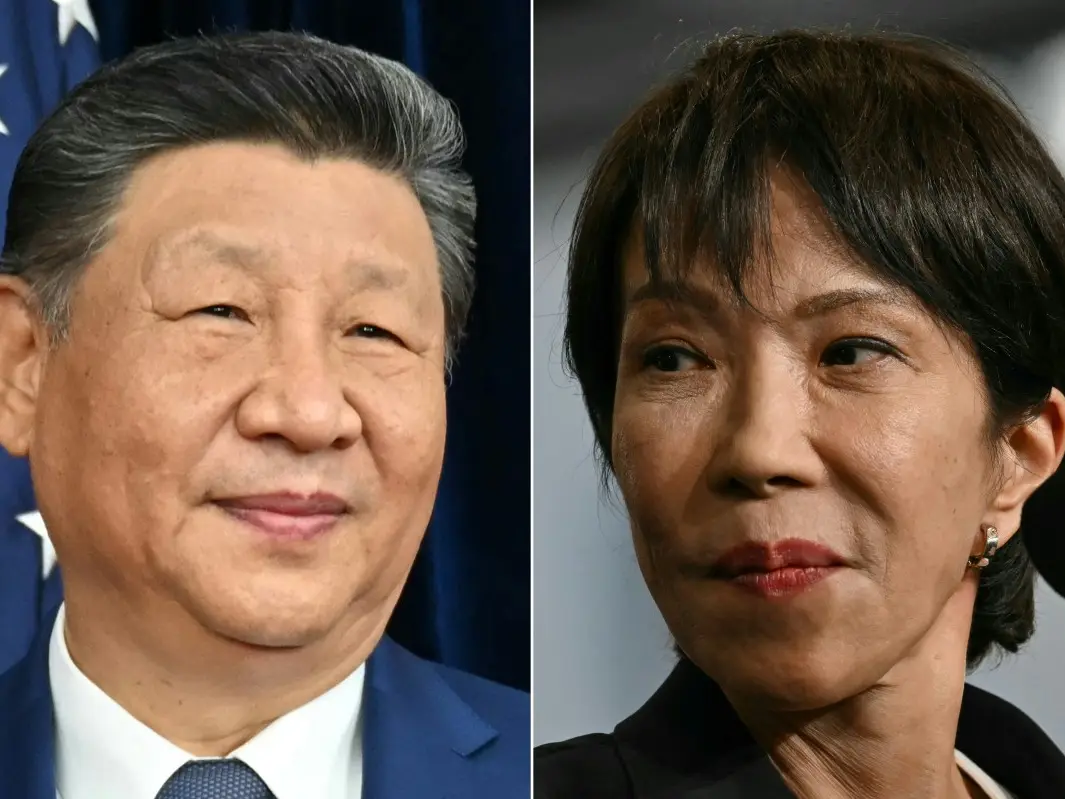
China's President Xi Jinping (L) and Japan's Prime Minister Sanae Takaichi (R) Photograph: (AFP)
The rift between Asia's two leading economies was triggered by Japanese Prime Minister Sanae Takaichi's remarks in November suggesting Tokyo could intervene militarily in any attack on self-governed Taiwan.
China on Tuesday (24 Feb) announced import restrictions on 40 Japanese companies and entities over what it called national security concerns after a months-long row that led to a steep fall in the number of Chinese tourists visiting Japan. Beijing's commerce ministry, in a statement, said "The measures are aimed at curbing Japan's 'remilitarisation' and nuclear ambitions and are completely legitimate, reasonable and lawful."
The rift between Asia's two leading economies was triggered by Japanese Prime Minister Sanae Takaichi's remarks in November suggesting Tokyo could intervene militarily in any attack on self-governed Taiwan, which Beijing considers part of China and has ramped up efforts to acquire. Takaichi stated that if China were to use warships and military force against Taiwan, it would "undoubtedly become a survival-threatening situation" for Japan.
The Chinese measures cover exports of “dual-use” items, which can have both civilian and military applications, targeting 20 Japanese entities, including subsidiaries of Mitsubishi Heavy Industries and Japan’s space agency.
China’s commerce ministry added 20 other Japanese organisations, including automobile manufacturer Subaru, to a “watch list”, resulting in stricter reviews of export items that could be used for military purposes.
"Honest and law-abiding Japanese entities have nothing to worry about," it added.
Japan had strongly protested these measures and called for reversal, according to deputy chief cabinet secretary Kei Sato, who called Beijing's move "absolutely intolerable and extremely regrettable."
Trending Stories
&imwidth=280&imheight=210&format=webp&quality=medium)
&imwidth=280&imheight=210&format=webp&quality=medium)
&imwidth=280&imheight=210&format=webp&quality=medium)
&imwidth=280&imheight=210&format=webp&quality=medium)
&imwidth=280&imheight=210&format=webp&quality=medium)
&imwidth=280&imheight=210&format=webp&quality=medium)
&im=FitAndFill=(700,400)&imwidth=280&imheight=210&format=webp&quality=medium)
&imwidth=280&imheight=210&format=webp&quality=medium)
&imwidth=280&imheight=210&format=webp&quality=medium)
&imwidth=280&imheight=210&format=webp&quality=medium)
&imwidth=280&imheight=210&format=webp&quality=medium)
&imwidth=280&imheight=210&format=webp&quality=medium)
&imwidth=280&imheight=210&format=webp&quality=medium)
&imwidth=280&imheight=210&format=webp&quality=medium)
&imwidth=280&imheight=210&format=webp&quality=medium)
&imwidth=280&imheight=210&format=webp&quality=medium)
&imwidth=280&imheight=210&format=webp&quality=medium)
&imwidth=280&imheight=210&format=webp&quality=medium)
&imwidth=280&imheight=210&format=webp&quality=medium)
&imwidth=280&imheight=210&format=webp&quality=medium)
&imwidth=280&imheight=210&format=webp&quality=medium)
&imwidth=280&imheight=210&format=webp&quality=medium)
&imwidth=280&imheight=210&format=webp&quality=medium)
&im=FitAndFill=(700,400)&imwidth=280&imheight=210&format=webp&quality=medium)
&imwidth=280&imheight=210&format=webp&quality=medium)
&imwidth=280&imheight=210&format=webp&quality=medium)
&imwidth=280&imheight=210&format=webp&quality=medium)
&imwidth=280&imheight=210&format=webp&quality=medium)
&imwidth=280&imheight=210&format=webp&quality=medium)
&imwidth=280&imheight=210&format=webp&quality=medium)
&imwidth=280&imheight=210&format=webp&quality=medium)
&imwidth=280&imheight=210&format=webp&quality=medium)
In November, Takaichi's comments on Taiwan sparked tensions between Beijing and Tokyo. The Japanese prime minister stated that if China were to use warships and military force against Taiwan, it would "undoubtedly become a survival-threatening situation" for Japan.
China also fears remilitarization of Japan, after Takaichi secured a landslide victory in a snap general election on the Japan First agenda with her Liberal Democratic Party (LDP) clinching 316 seats in the 465-member lower house, marking the party's best-ever performance.
Her victory is looked at as a public endorsement of her policies, such as a strong emphasis on national security and proactive government spending. She was often referred to as Japan's "Iron Lady" due to her hawkish stance on countering China.
Takachi's proposed plan includes raising defence spending to 2 per cent of GDP and completing a five-year plan to bolster the Self-Defence Forces (SDF), along with amending Article 9 of the constitution to allow Japan to raise a formal standing military and acquire long-range striking capabilities.
She vowed to defend Japan's territory, territorial waters and airspace and pledged to strengthen the country's defences and intelligence capacity.
"No one will come to the aid of a nation that lacks the resolve to defend itself with its own hands. We will steadfastly protect our nation's peace and independence, our territory, territorial waters, airspace, and the lives and safety of our citizens," Takaichi said in first speech after the victory.
"We will also enhance intelligence capabilities. We will strengthen our national intelligence analysis capabilities, prevent crises, and establish a system to strategically protect our national interests," she added.