Scientists find Earth did not warm as expected from 2015. In fact, it was way worse

&imwidth=600&imheight=450&format=webp&quality=medium "Scientists find Earth did not warm as expected from 2015. In fact, it was way worse")
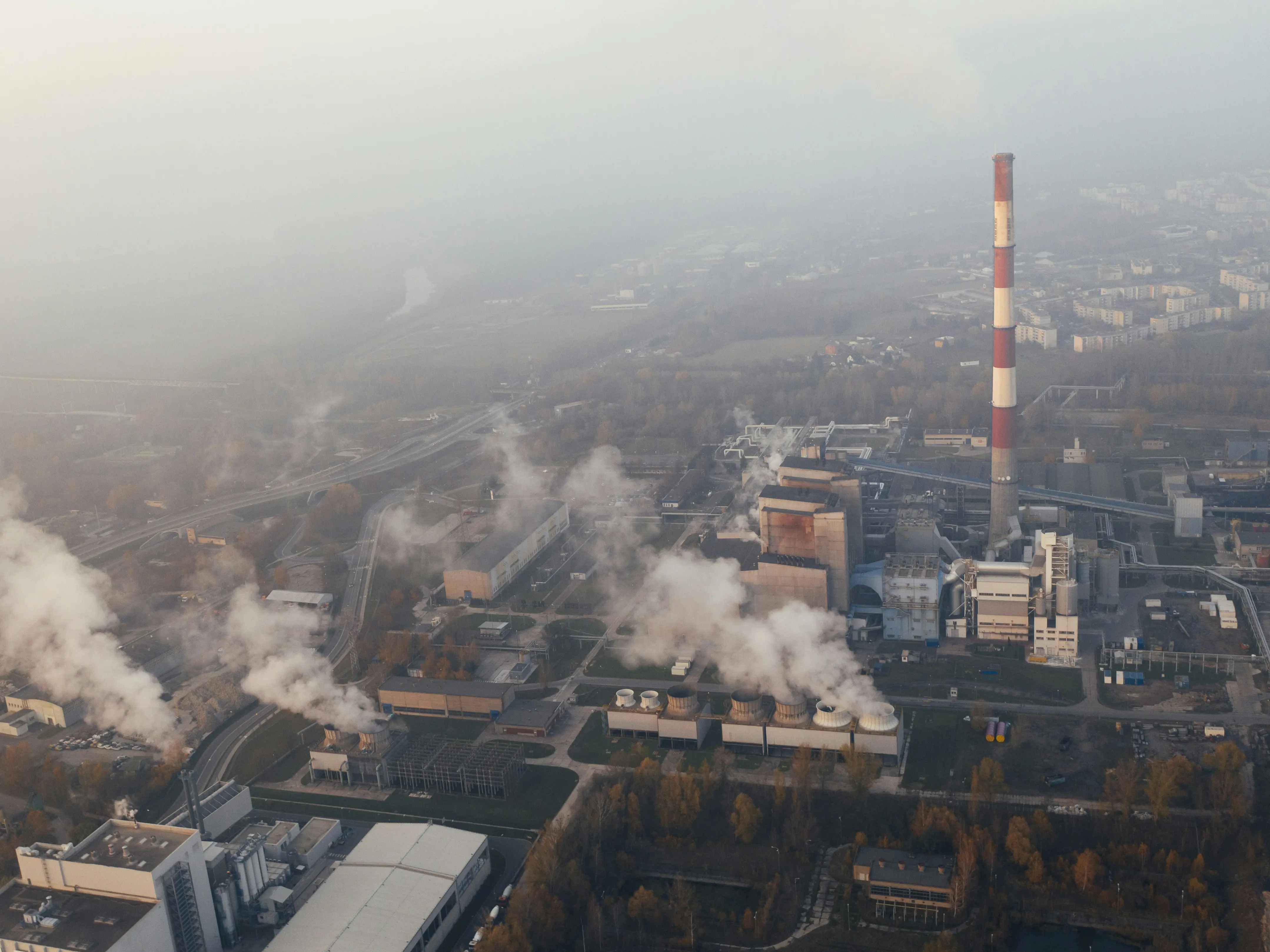
Climate change is happening faster than expected. Photograph: (Unsplash)
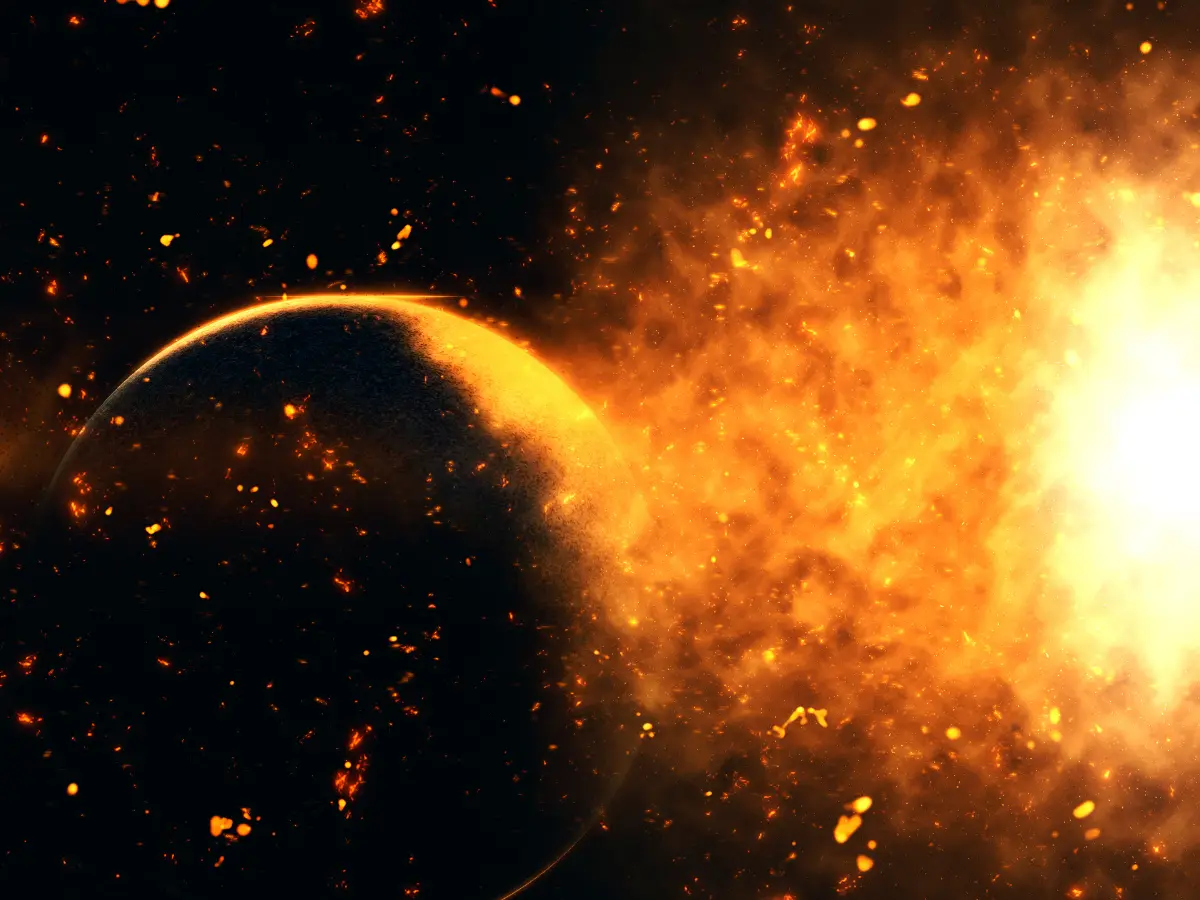
Climate change is occurring at a much faster rate than expected, as data shows that the rate at which Earth heated in the past decade dramatically changed compared to past years. This puts Earth at risk of a catastrophe that could happen sooner than thought.
Scientists have found that the world warmed at an average rate of 0.35 degrees Celsius in the past decade, much higher than the 0.2 degrees Celsius increase typically recorded in the past 50 years. Climate change experts previously noted that Earth will permanently pass the 1.5-degree warming threshold by the end of the decade. But the study shows that humans might have totally miscalculated how bad things are. Global temperature measurement datasets from five major organisations, including NASA and NOAA, were analysed by a team of researchers to determine the rate at which Earth was warming. This excluded natural influences like El Niño events, volcanic eruptions and solar heating. Study co-author Stefan Rahmstorf, a researcher at the Potsdam Institute for Climate Impact Research in Germany, said, "The adjusted data show an acceleration of global warming since 2015 with a statistical certainty of over 98 per cent, consistent across all data sets examined and independent of the analysis method chosen."
The alarming finding means that all climate thresholds that scientists have set will be reached much faster than expected. Previous studies have also shown that the world has been heating at a rate of 0.27 degrees Celsius, only a tad higher than the prevalent estimate. But to put the figure at 0.35, minus the influence of Solar Maximum and El Niño weather events, presents a scary picture. Robert Rohde, chief scientist at Berkeley Earth, told Nature that removing the natural influences can present "imperfect" estimates, but even lowering the estimate would put the figure at 0.30 degrees Celsius.
Also Read: Major catastrophe unfolding in Antarctica as hundreds of earthquakes slam Doomsday Glacier
Reducing global warming
Trending Stories
)
)
)
)
)
)
)
)
)
)
)
)
)
)
&im=FitAndFill=(700,400))
)
)
)
)
)
)
)
)
)
)
)
&im=FitAndFill=(700,400))
)
&im=FitAndFill=(700,400))
)
)
)
"How quickly the Earth continues to warm ultimately depends on how rapidly we reduce global CO2 emissions from fossil fuels to zero," Rahmstorf said in a statement. To control climate change, there is an urgent need to cut down on greenhouse gas emissions. Reliance on fossil fuels needs to go down completely, and countries should proactively start investing in green energy. Ice caps and glaciers are melting, which could raise sea levels, triggering concerns for coastal areas. Weather cycles have drastically changed in several parts of the world because of climate change. The Doomsday Glacier, or the Thwaites Glacier, could melt completely by 2100, putting major areas underwater. Experts have been calling for urgent action, and now the latest study shows we might already be too late.