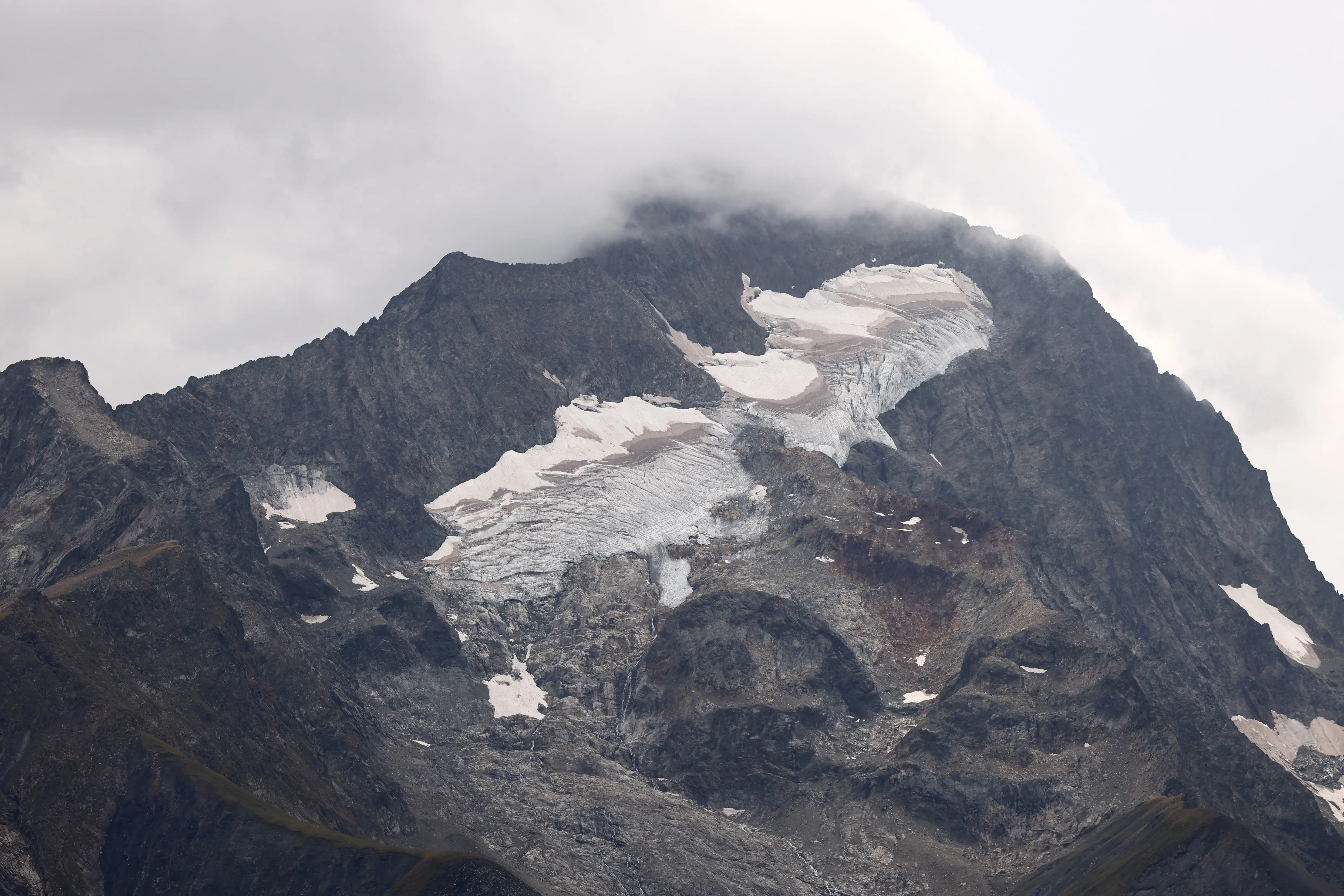
2026 El Niño will create new extreme weather patterns. Worse, no one can predict them

&imwidth=600&imheight=450&format=webp&quality=medium "2026 El Niño will create new extreme weather patterns. Worse, no one can predict them")
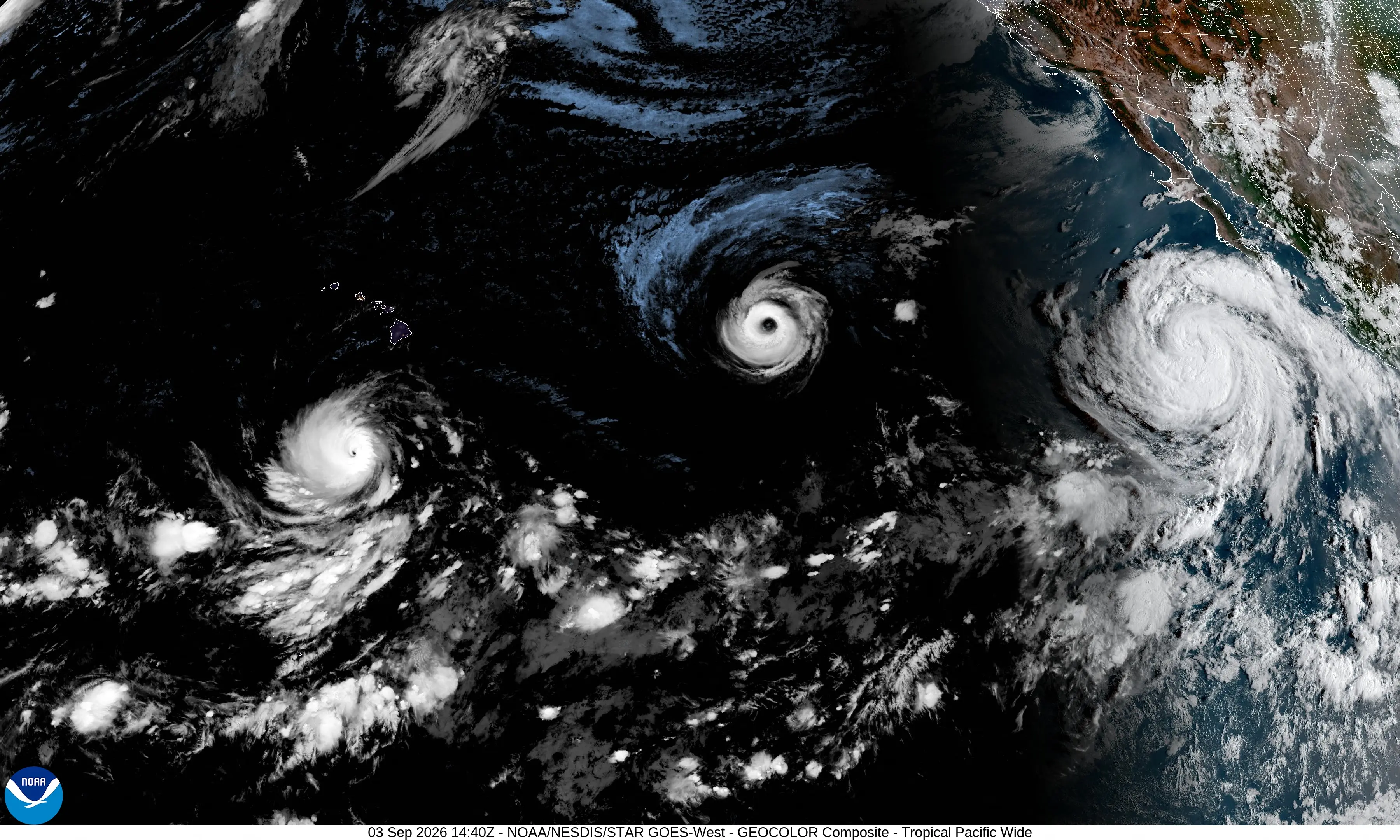
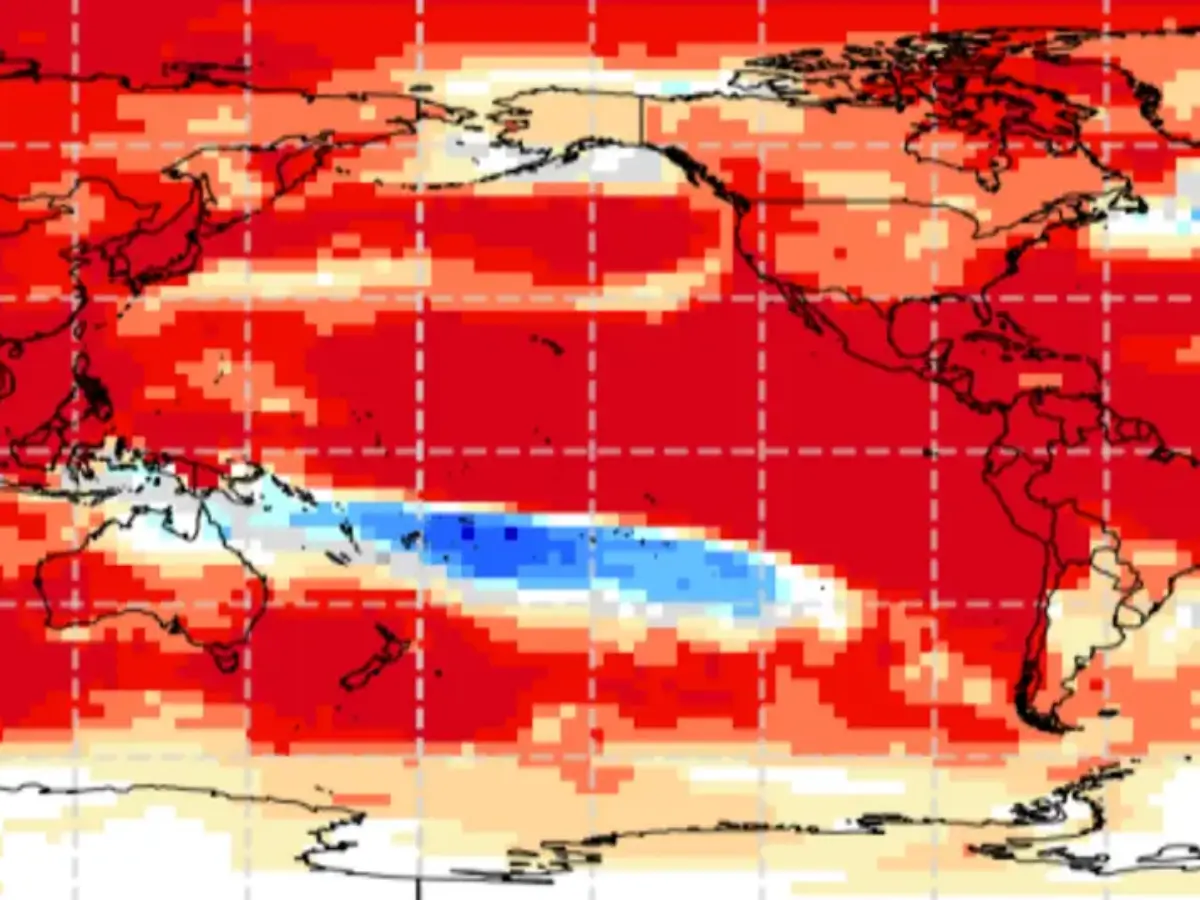
El Nino in 2026 is one of the worst ones in over 150 years and its impact on future weather remains uncertain. Photograph: (World Meteorological Organization)
Scientists are worried that climate change could drastically alter how El Niño impacts weather patterns. One region that should be wetter, might turn dry, and a hotter region might witness cold snaps. This has already happened in this decade, and the future might be worse.
Scientists have found that climate change is triggering changes in weather conditions linked to El Niño. For example, in 2023 and 2024, the weather phenomenon did not bring as much rain to the southern parts of the United States, nor were the northern portions as dry as they should have been. However, the Amazon region witnessed the worst droughts in 120 years. They now fear that this could become a pattern, and that global warming could disrupt a pair of climate patterns known as a “teleconnection.”
Climate scientists with the National Science Foundation’s National Center for Atmospheric Research (NCAR) later determined that as tropical Indian and Atlantic Ocean waters heated from global warming, it offset El Niño’s effects across North America. This disrupted climate patterns, and the effects were visible in those years.
Bar-Ilan University climate scientist Eran Vos told the journal Nature this month that El Niño conditions will become even more unpredictable in the future. The El Niño this year is the worst in 150 years. Together with global warming, it will become almost impossible to predict how it might behave or alter climate teleconnections.
Vos and his team scanned through historic meteorological records to understand how a warming climate impacts El Niño events. They found that between 1960 and 1990, warming patterns created by El Niño across southern Asia and northeast Africa had flipped and had become colder during that time. Meanwhile, in Western Europe, warmer seasons had replaced colder snaps during modern El Niño events.
Trending Stories
)
)
)
)
)
)
)
)
)
)
&im=FitAndFill=(700,400))
)
)
)
&im=FitAndFill=(700,400))
)
&im=FitAndFill=(700,400))
)
)
)
)
)
)
&im=FitAndFill=(700,400))
)
)
)
)
)
)
)
)
)
)
)
)
)
)
)
)
Super El Niño in 2026 and its effect on weather patterns
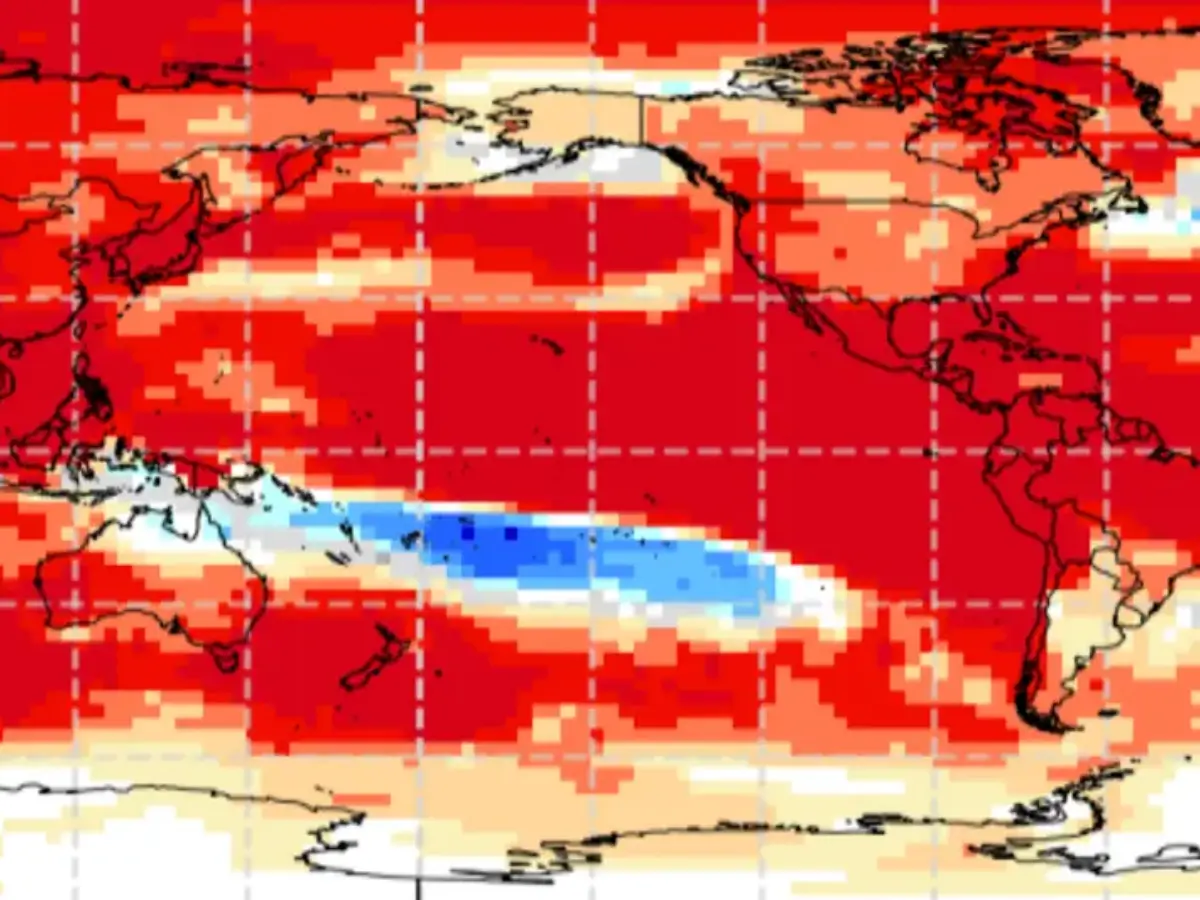
The 2026 El Niño is generated by warm ocean temperatures in the eastern Pacific instead of the central Pacific, a first since the late 1990s. It has led to extremely hot conditions across the world. Europe sweltered in the summer as several heatwaves gripped the continent. This extreme form of El Niño is bound to affect weather patterns, but scientists do not have any data from the last three decades to predict the exact changes.
Clara Deser, a senior scientist at NCAR, said about the 2023-24 El Niño season that "historical precedent may no longer be a reliable guide to ENSO teleconnections as anthropogenic warming patterns intensify." No one now knows what the weather in the coming years could be like.