International Nystagmus Day 2022: All you need to know about the syndrome

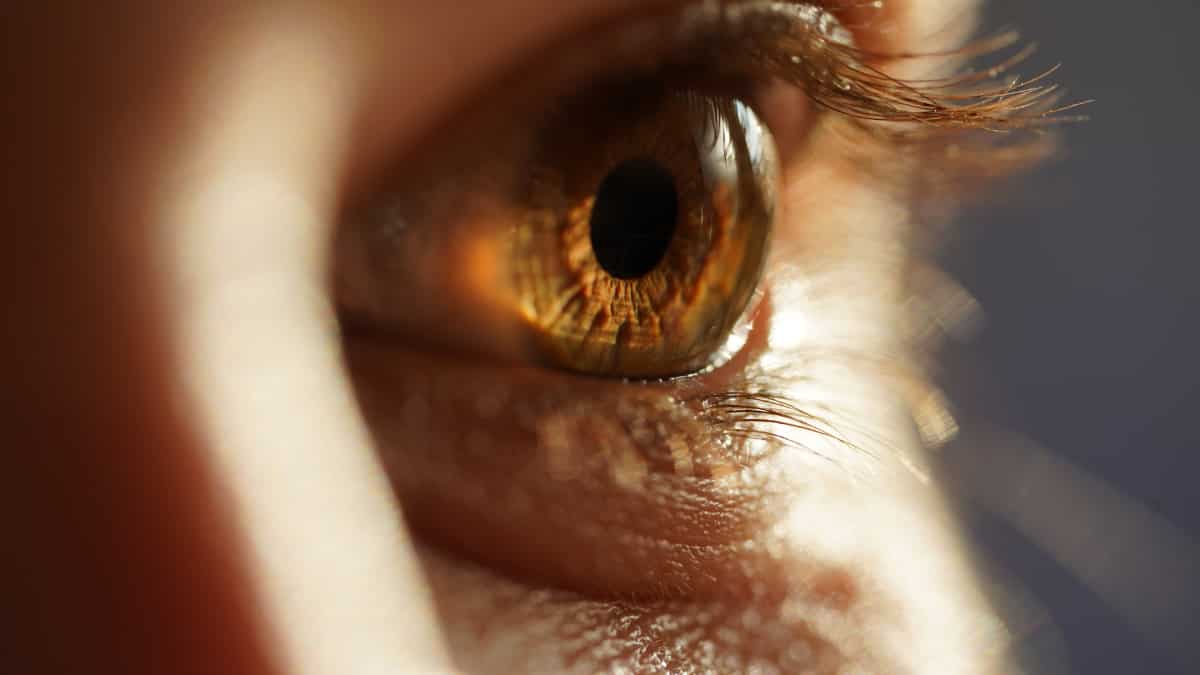
International nystagmus day
International Nystagmus Day is an initiative to celebrate to promote awareness and attention to a disorder that can cause serious eyesight difficulties. Nystagmus, sometimes known as “dancing eye syndrome,” is a condition in which the eyeball makes rhythmic involuntary movements that might be side to side, up and down or even rotatory. As per the Leicestershire Nystagmus survey, it affects roughly 24 out of every 10,000 people. This allows children and adults with Nystagmus to receive the necessary care and medical attention. Several events are held to collect funds for various research projects and support initiatives for children and others impacted by this disease.
There are two types of Nystagmus conditions: Congenital appears during 6 weeks- 3months of life and Acquired appears later in life and is possibly linked to major medical issues or drug usage.

Nystagmus is caused by miscommunication between the eye and the brain, which changes how our brains interpret eye movement signals. The connections responsible for this regulation are poor in certain people, either by birth or as a result of an illness acquired later in life. Nystagmus caused by poor vision can cause significant disruption in daily tasks, as well as a loss of confidence and self-esteem.
Nystagmus is frequently acquired as a result of various health issues. If you notice any concerning symptoms like blurred vision, shaky vision problems, lacking balance, dizziness make a note of them and a visit a doctor as soon as possible.
)
Harry Brook targets long reign at top of T20I rankings after Sri Lanka sweep
)
North Korea's nuclear tests triggered 1,399 earthquakes: Earth is still shaking | Gravitas
)
China now makes advanced memory chips without the machines it was banned from buying
)
Ed Sheeran addresses Macklemore's removal, Gaza conflict during Philadelphia concert: 'I cannot hide how I feel'
)
Sikh bus driver assaulted, bus stolen and rammed into cars in England; video surfaces
)
Munich Mayor taps first keg to kick off Oktoberfest
)
Trump in ‘deciding mode’ on Iran, says ‘very big things’ going to happen soon
&im=FitAndFill=(700,400))
Top 10 countries in mathematics: See the world’s best performers in 2026
)
Saudi vs Houthis: Houthis claim missiles & drones used in attack on key Saudi sites
)
Trump defends AI amid growing alarm, announces new 'AI force' and promises an 'AI czar'
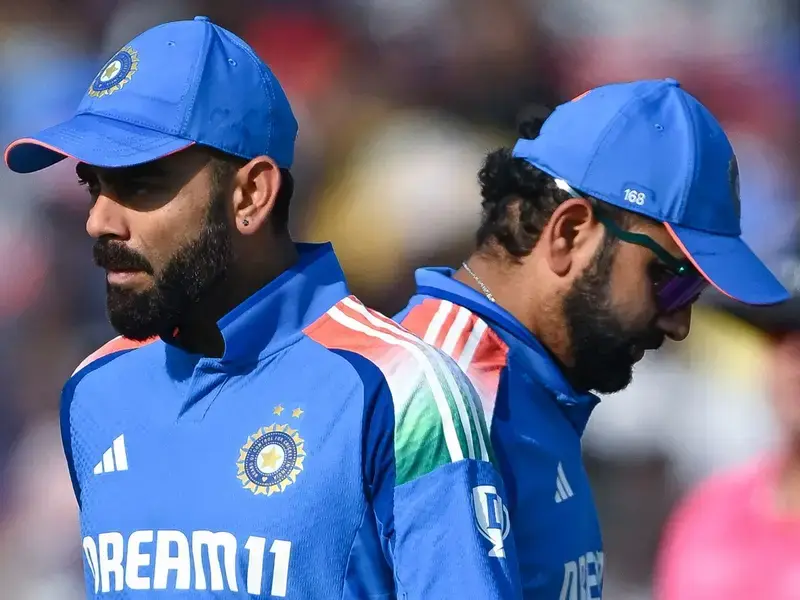)
'Lot of things to learn from experienced players': Jayasuriya backs Rohit, Virat for 2027 ODI World Cup
)
BTS' fans question iHeartRadio’s treatment of group after brief festival set
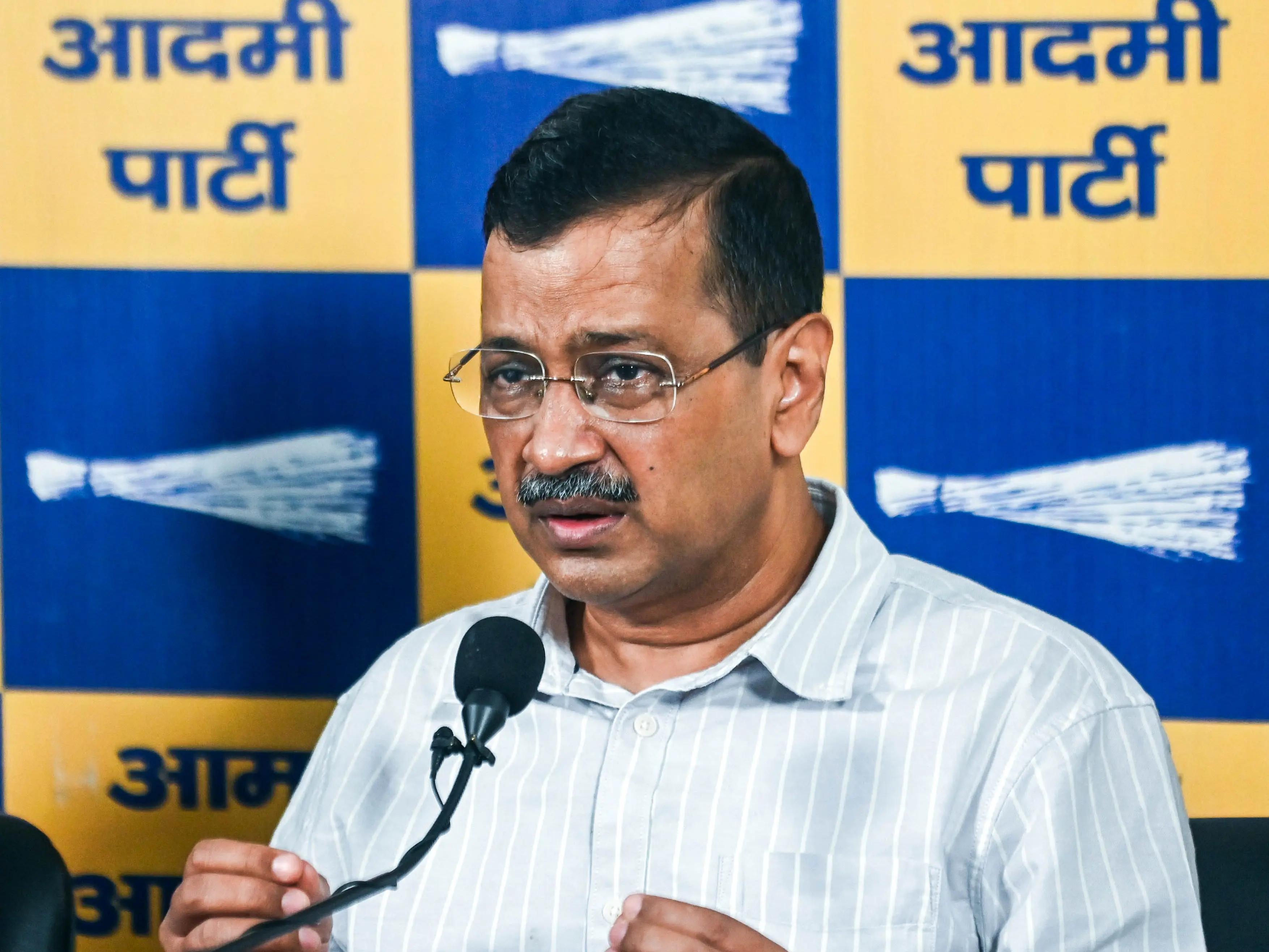)
Arvind Kejriwal, family members, Delhi CM Rekha Gupta get SIR notices
&im=FitAndFill=(700,400))
What TSMC's 2nm technology means for Apple
)
Iran sets 7 conditions to end war with US: What are Tehran’s demands?
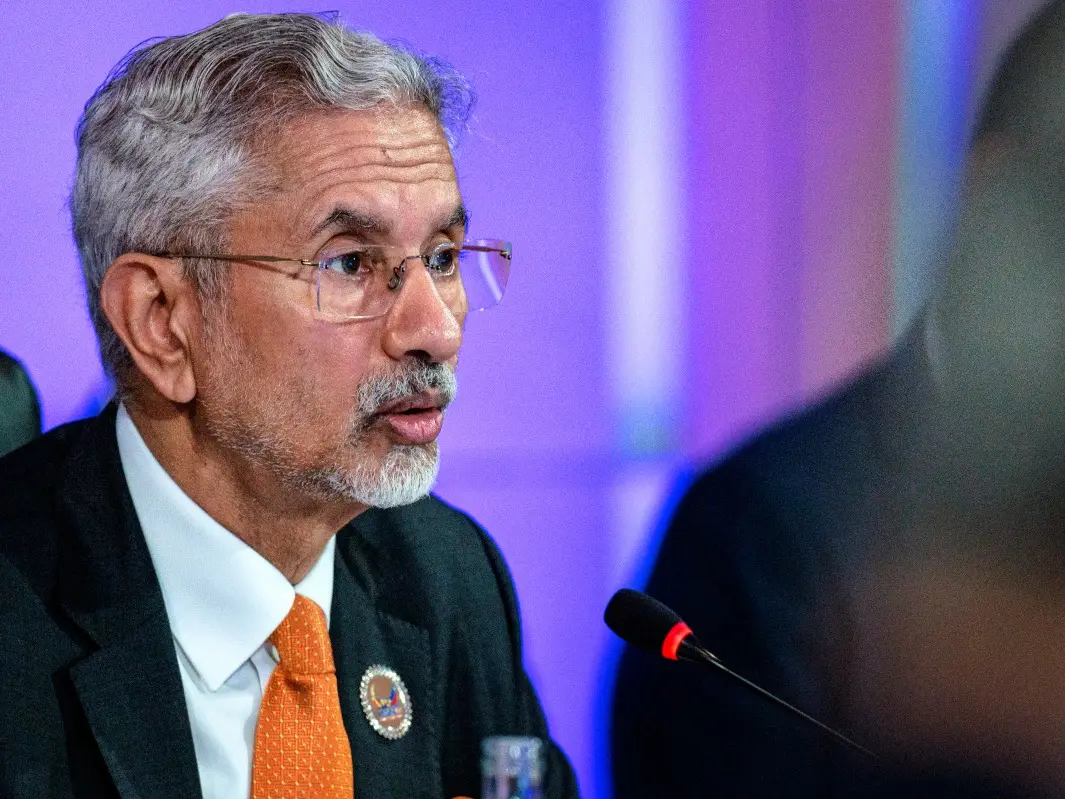)
S Jaishankar, former Army chief among high-profile names issued Delhi SIR notices
)
'Were you here to sell chickpeas?': Wasim Akram criticises Babar Azam's captaincy
)
West Indies Squad for India Series: Hetmyer included for T20Is, Holder rested
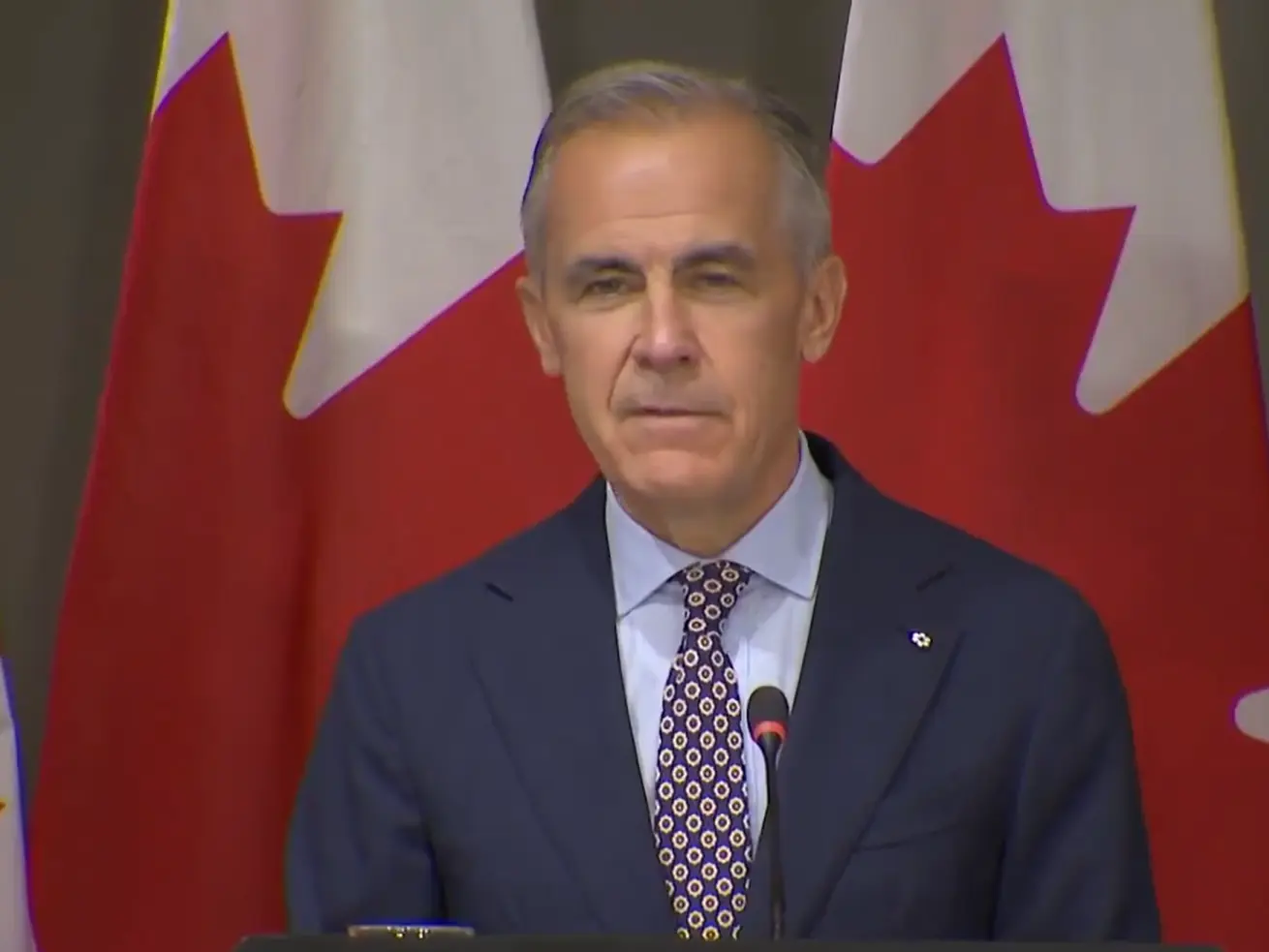)
Mark Carney mimics Trump in hilarious moment over C$70 billion clean-energy investment; room erupts in laughter
)
US ships in Indian Ocean ‘will be attacked’ if war resumes, warns Iran
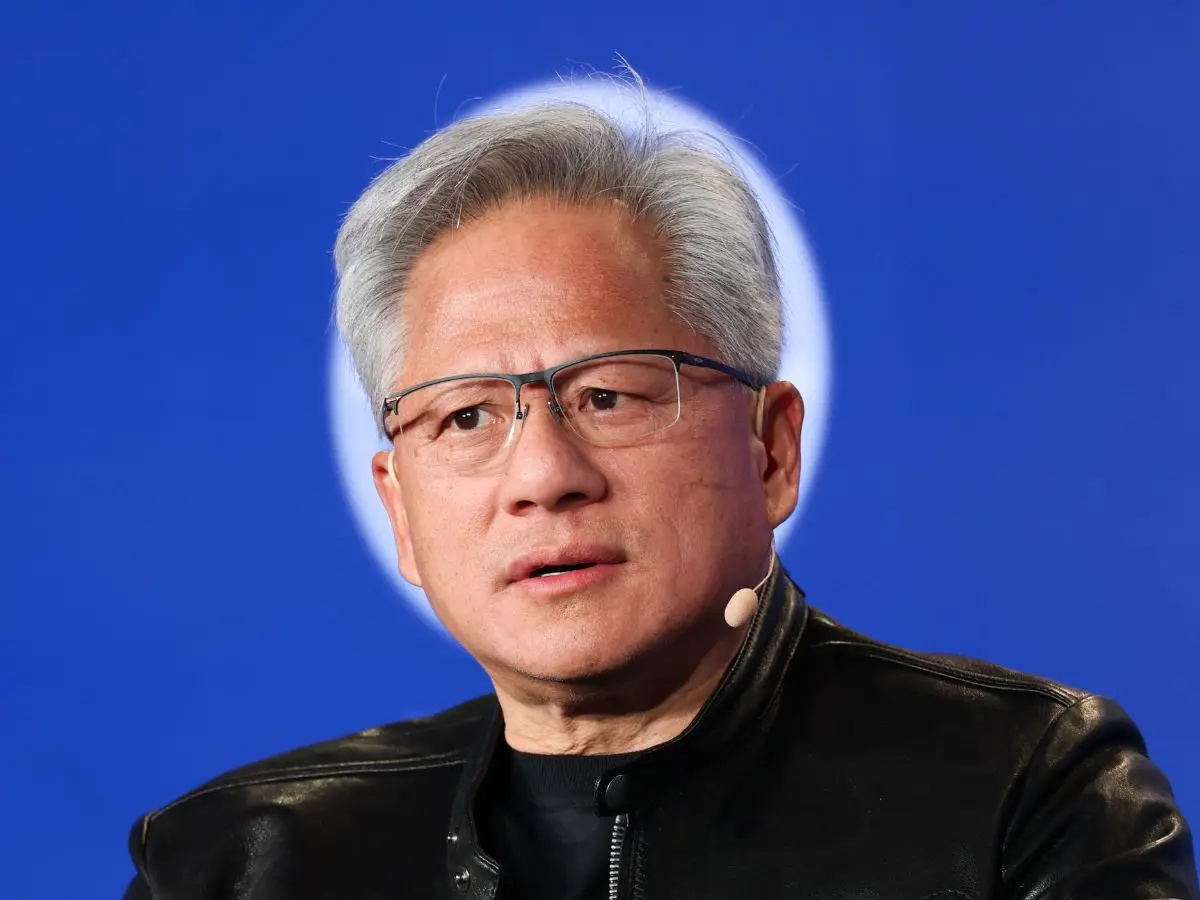)
‘0% chance’: Nvidia CEO Jensen Huang dismisses AI extinction fears by 2030
)
Saudi Arabia exits China-led mBridge digital currency platform amid Saudi-Houthi conflict
)
Several petrol pumps, other businesses to refuse UPI payments above Rs 2,000 from Oct 16: Is it legal?
)
AUS vs ZIM, 3rd ODI: Ellis stars as Australia edge Zimbabwe by one wicket in last-over thriller
)
Israeli President pardons combat medic who shot dead a badly wounded Palestinian attacker
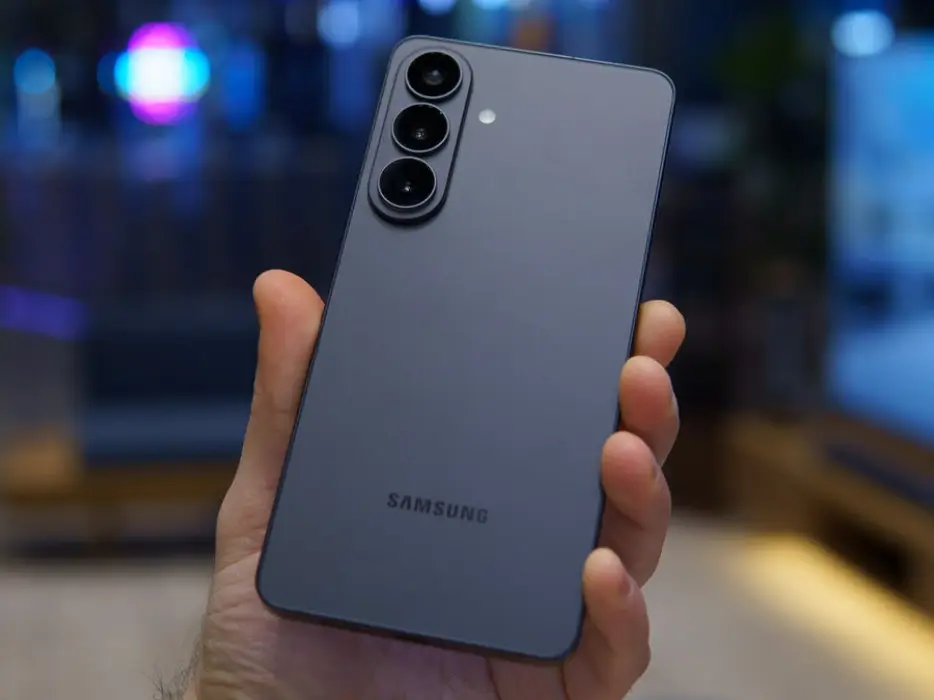)
Samsung raises Galaxy S26 prices by Rs 20,000: Here’s what each model now costs
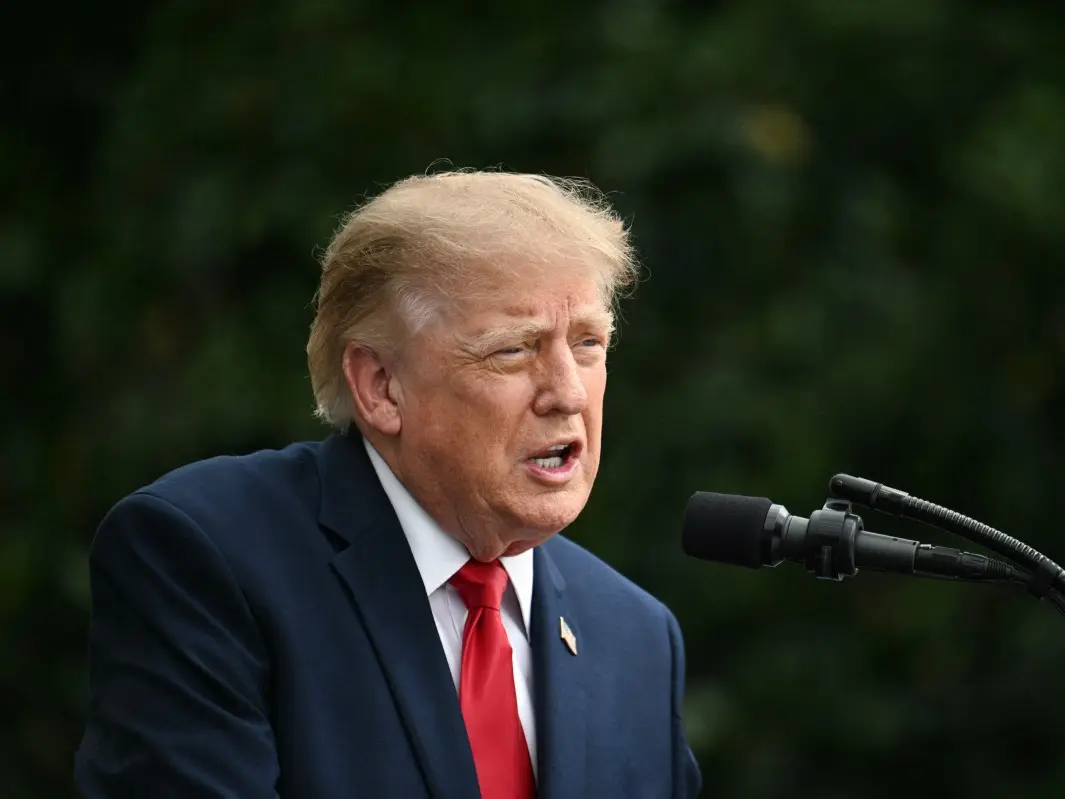)
Trump announces ‘AI Force’ as debate grows over AI risks and regulation
)
Kampala-Ankara rift deepens: Uganda suspends military ties, seeks Fred Lumbuye's extradition
)
Trump signs Russia sanction bill. How will it impact India? WION Explains
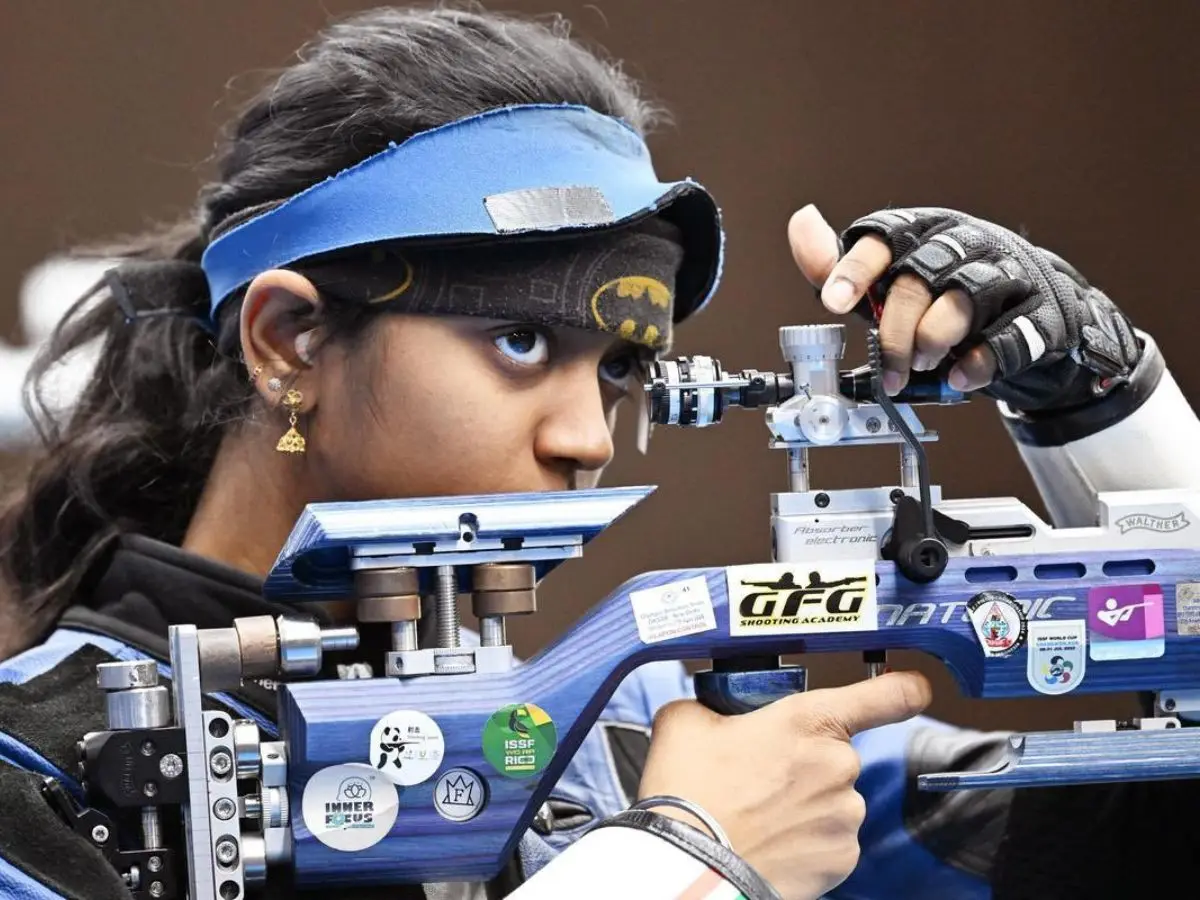)
Asian Games 2026: India win first medal as women’s 10m air rifle team claims silver
)
AI actress Tilly Norwood glitches mid-interview, switches from English to Chinese | Watch
)
9 women found dead near Johannesburg: South Africans rally, demand 'enough' to femicide
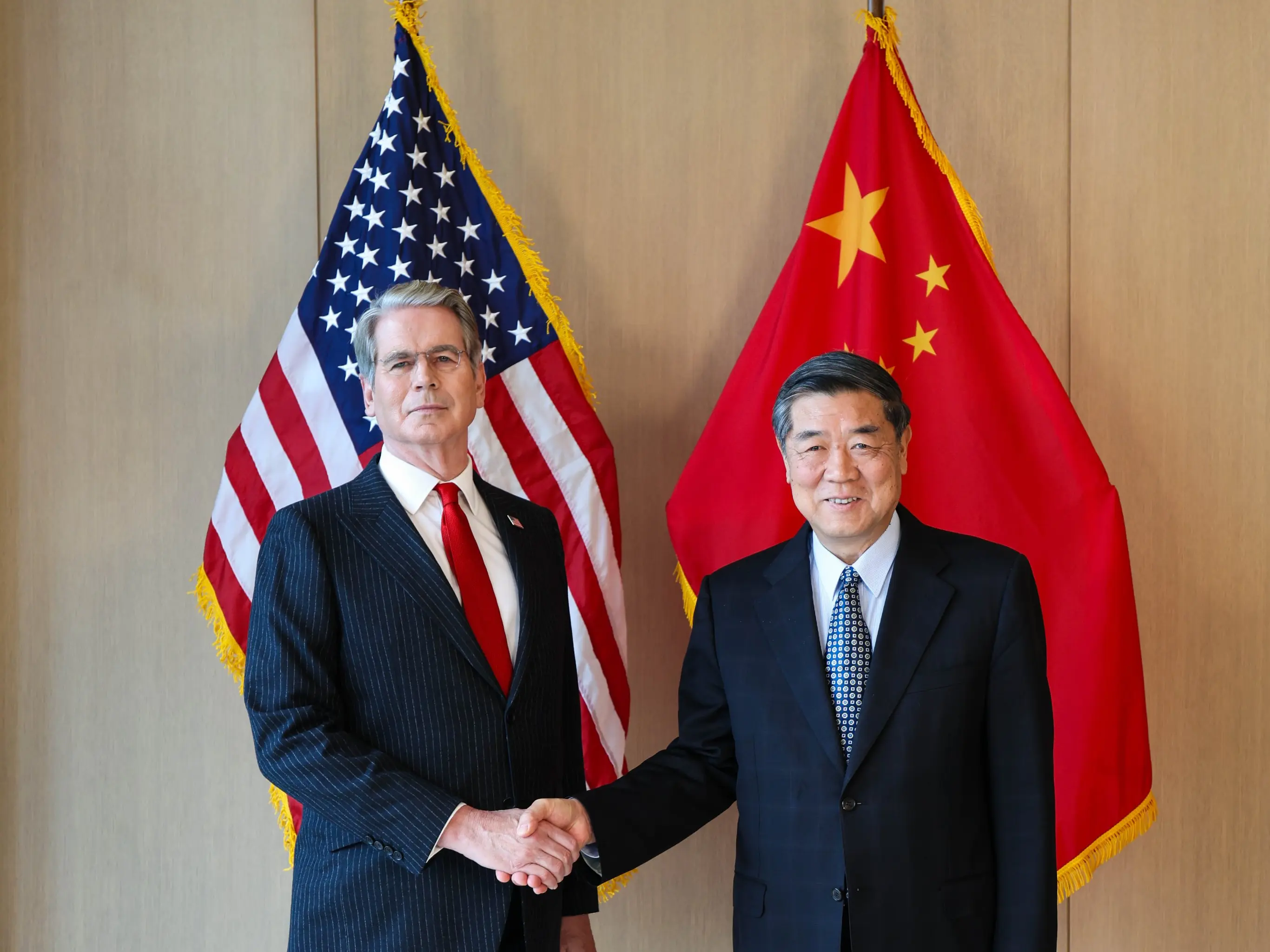)
Bessent meets China’s He Lifeng to prepare for Trump-Xi summit
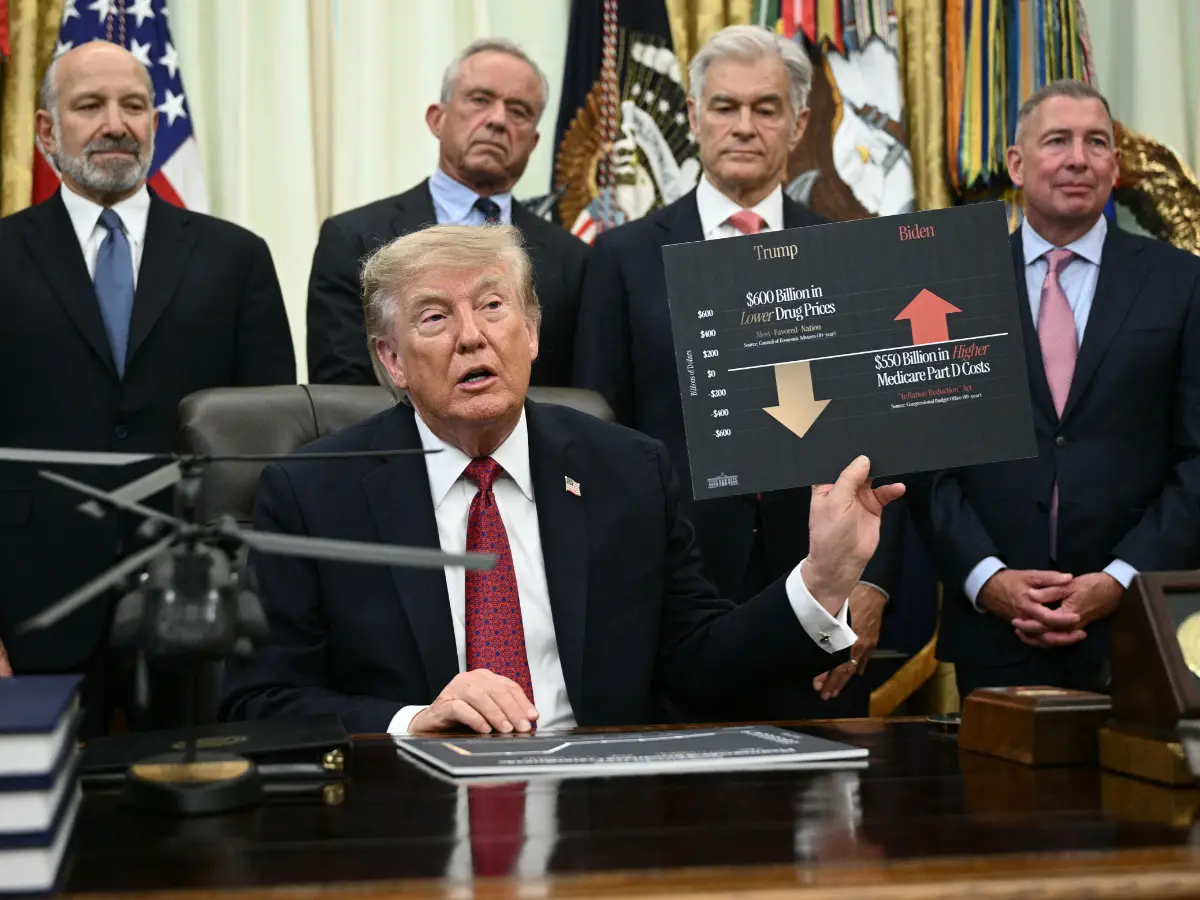)
Trump says he'll build an 'AI Force' and appoint a czar, for 'high IQ' people only
)
Italy to ban burqa and hijab in schools, limit foreign students per class: PM Giorgia Meloni
Regular eye exams and earlier diagnosis enable many individuals to avoid the start of the condition as well as correct vision impairments that burden their lives.
(With inputs from agencies)