Dinosaurs were travelling across continents, matching footprints of predators suggest


An artist's impression of the dinosaur.
An international team of scientists made a stunning discovery of 260 matching dinosaur footprints - which are spread across Brazil and Cameroon - and hints at how these predators travelled across the globe.
The footprints of the dinosaur date back to the Early Cretaceous period and give a glimpse of the time when they lived in the vast supercontinent called Gondwana.
Later, the landmass split into South America and Africa which today have remnants of different dinosaur species.

Also Read:New dinosaur species with bizarre brow bone lived in Kyrgyzstan 165 million years ago
The footprints of the predator not only provide information regarding their size and how these prehistoric creatures moved but also hint about their behaviour and the kind of ecosystems they inhabited.
What did the scientists discover from the matching footprints of dinosaurs?
)
The Early Spring is proof not everyone can talk about their real feelings, and it is perfectly OK
)
UN votes to ‘correct the map’ as India backs fairer world view
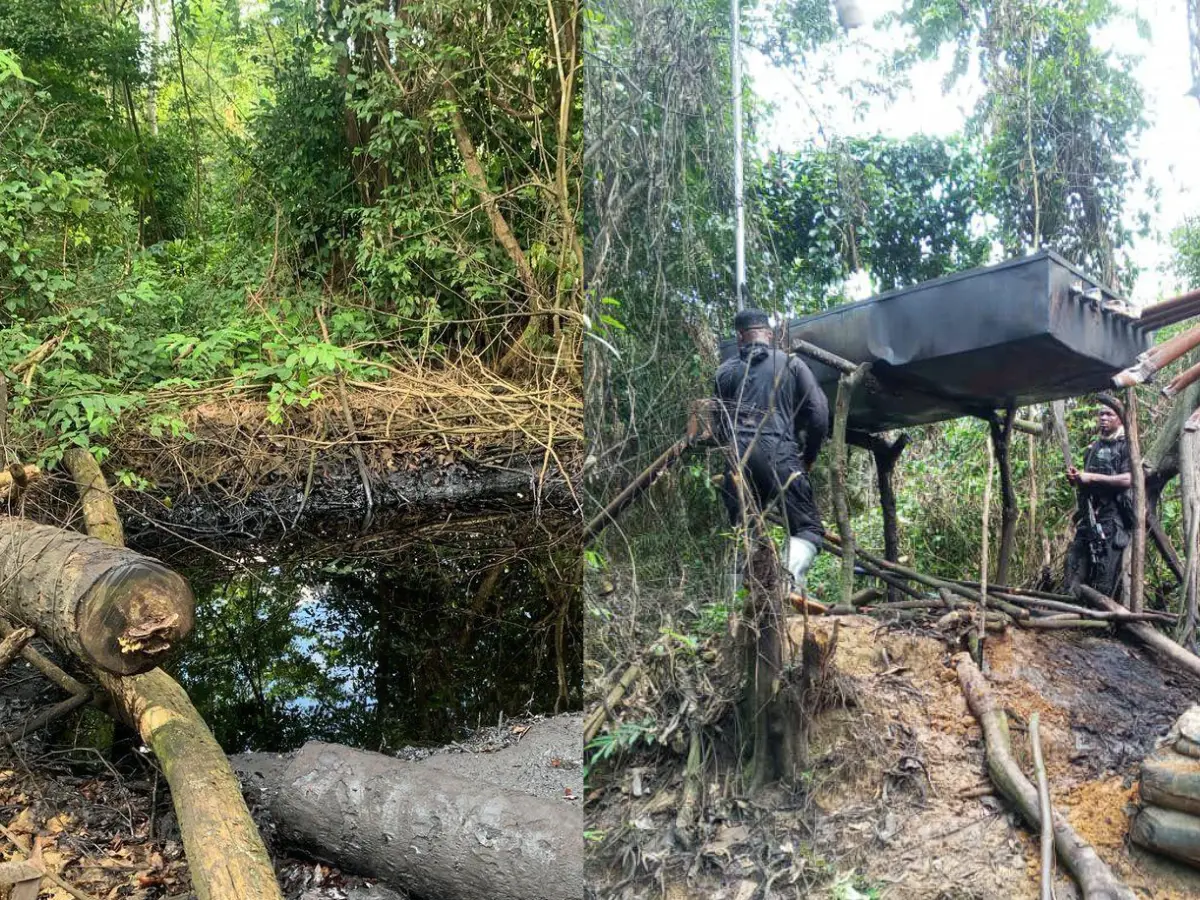)
Nigerian Navy discovers 99,000 litres of suspected stolen, illegally refined products as it intensifies anti-crude oil theft operations
)
Who is Aditi Paudel? 17-year-old becomes Japan's first literacy ambassador
)
Bengaluru: Officials find 40 kg expired chilli at chairman's club
)
Jaishankar rejects trade link to ending Ukraine war
)
Israeli strikes on Lebanon kill three, injure 23 despite truce
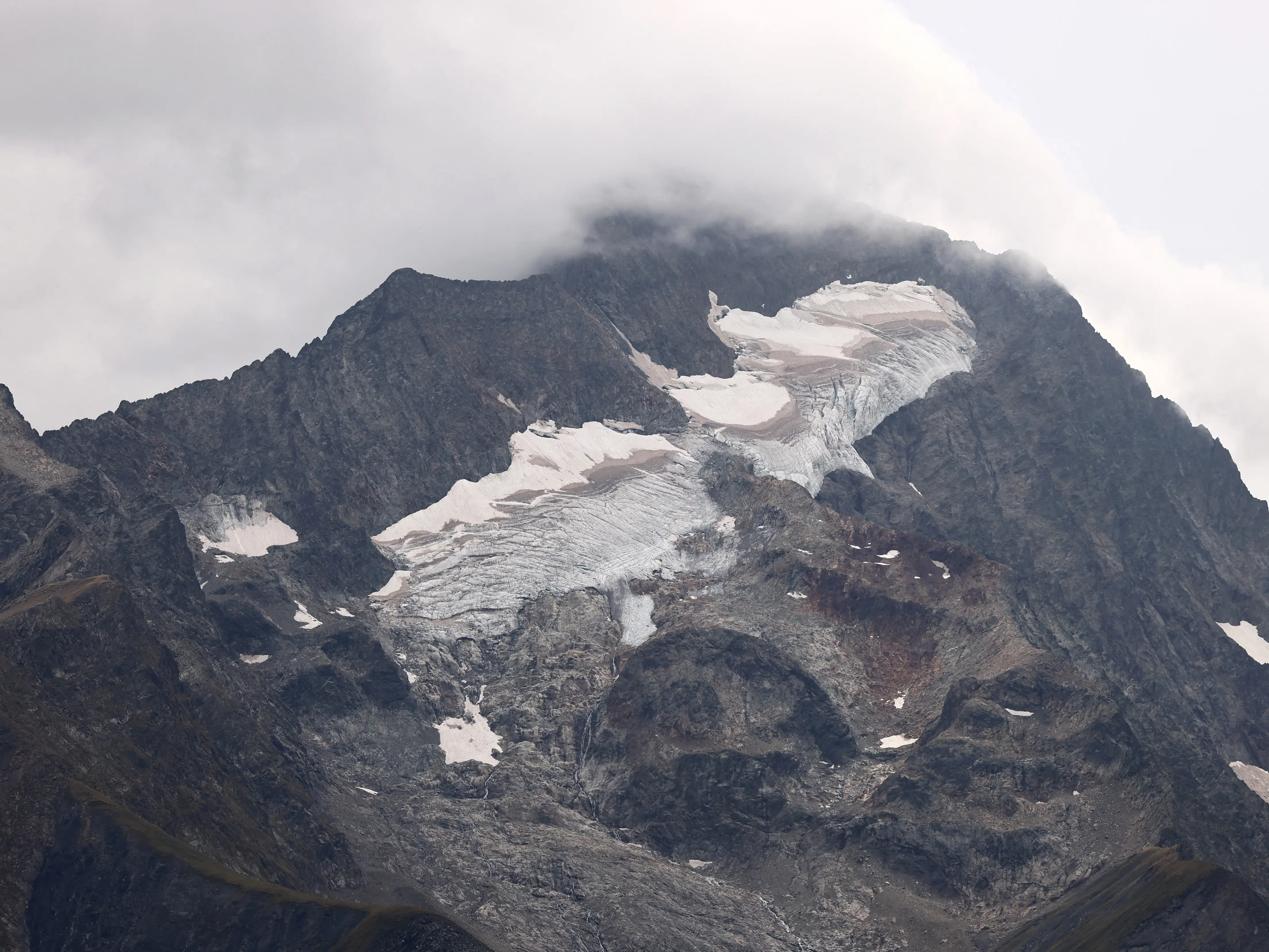)
Alpine glacier was covered with sheep wool sheets to prevent melting. It worked
)
South Korea mulls deploying military assets to Strait of Hormuz
)
World's fifth-largest economy, British army can't afford to train
)
Breaking | Vance takes the podium: First White House briefing since Leavitt's exit
)
Taiwan raises 'concerns' over China's missile test
)
BRICS 2026: $1 trillion sovereign capital set to converge in Delhi for first iBRICS Summit
)
What is Iran's Pickaxe Mountain that Trump has again threatened to bomb?
)
UN votes to correct world map that visually shrank Africa for 450 years
)
Former NewJeans member Danielle launches YouTube channel, hints at new solo journey
)
Bangladesh batter Towhid Hridoy creates history with 350 not out in South Africa
)
Brendan Fraser’s transformation fuels The Mummy 4 excitement as fans welcome back Rick O’Connell
&im=FitAndFill=(700,400))
Krishna Janmashtami 2026: From Dhaniya Panjiri to Makhana Kheer- 5 best sweet dishes perfect for celebrating Lord Krishna’s birth
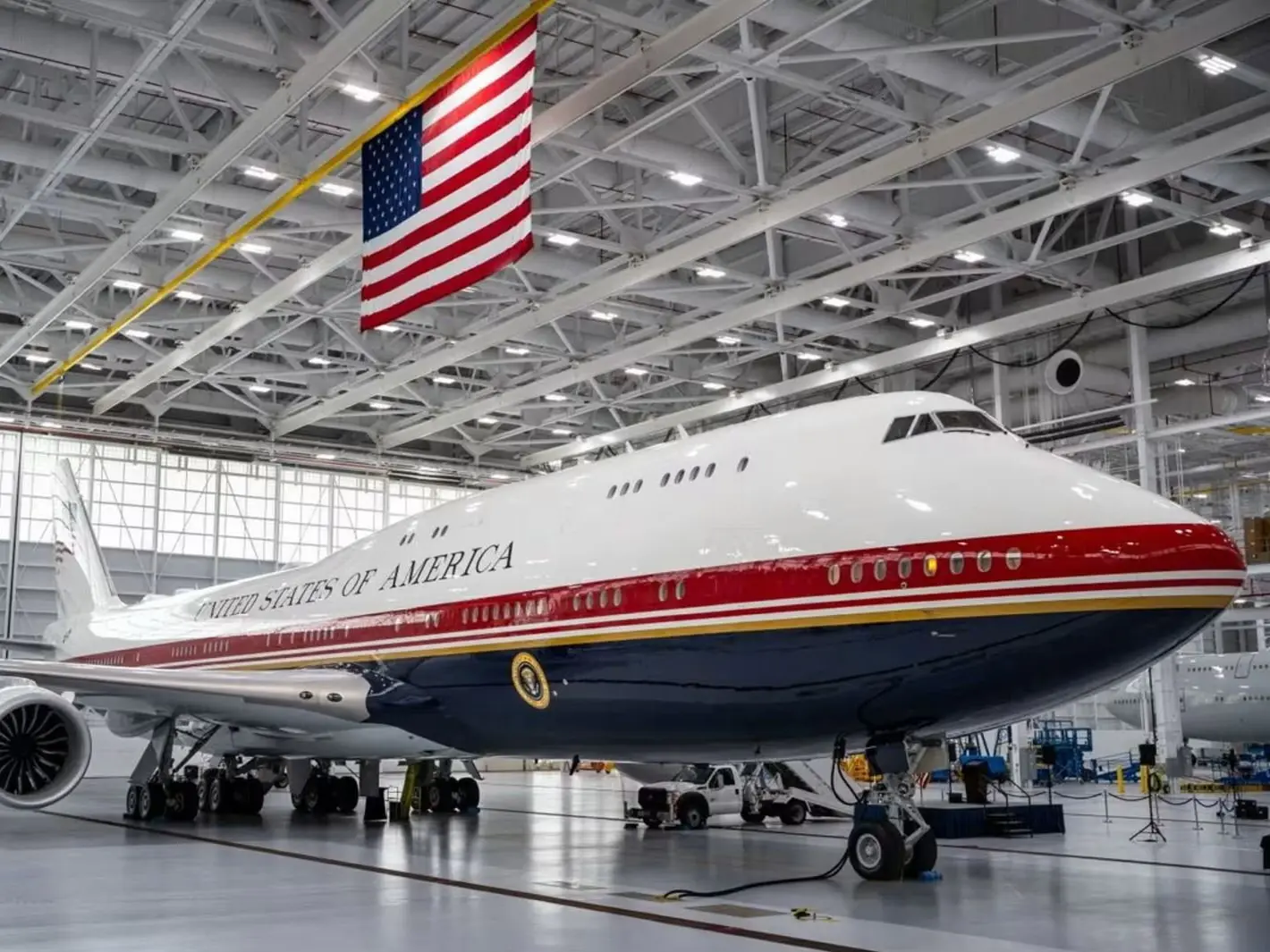)
Donald Trump plans to travel to Ireland on Qatari-donated jet amid security concerns
)
Nazi-looted art to return to Jewish heirs
)
Eight killed in Kerala’s Thrissur after car rams into lorry parked on highway
&im=FitAndFill=(700,400))
Why Russian fighter jets use bulky, low-pressure tyres compared to US jets
)
FBI-wanted fraud accused arrested in Jalandhar over $600,000 scam
&im=FitAndFill=(700,400))
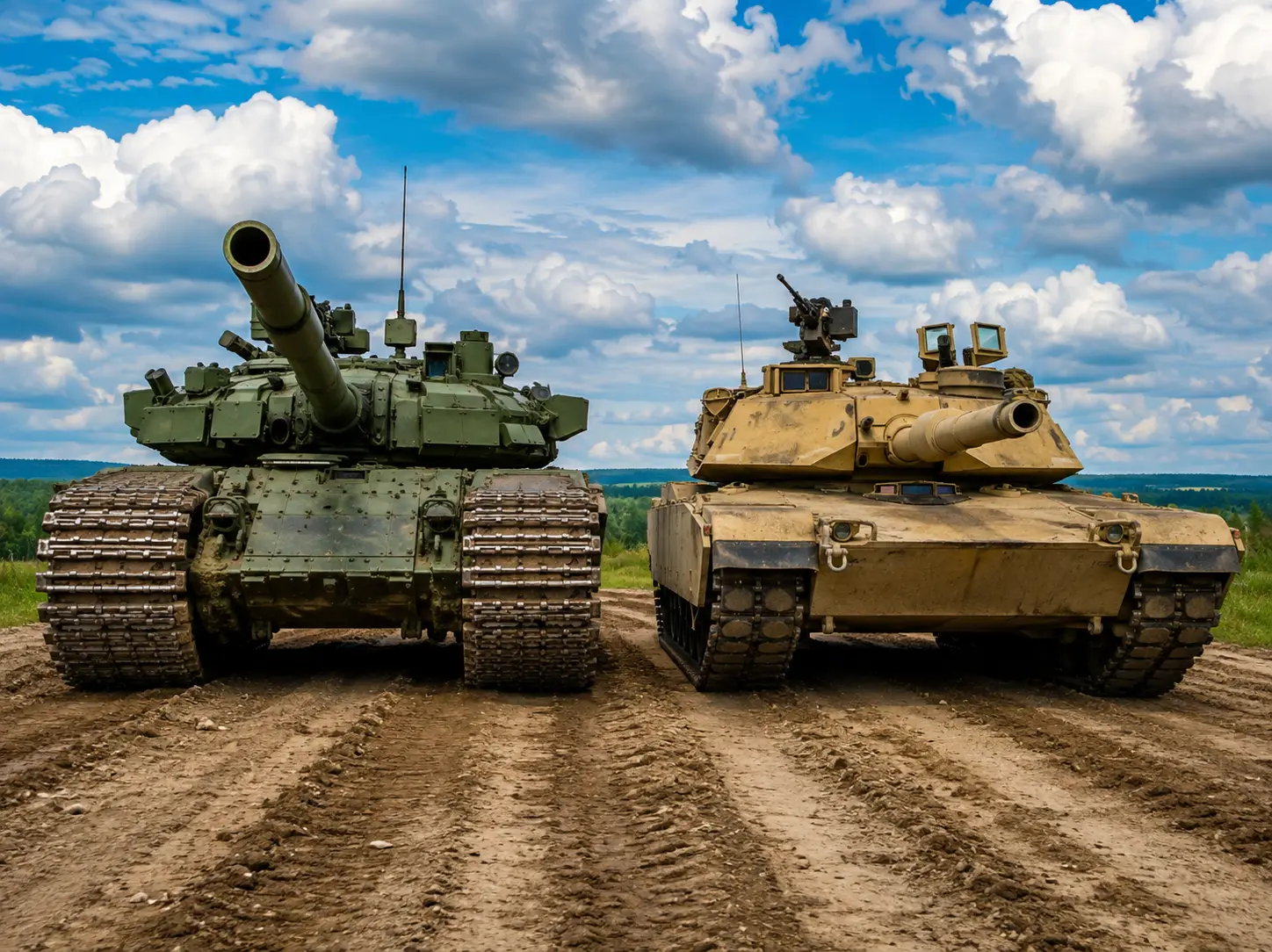
Why US tanks weigh over 20 tons more than Russian tanks
&im=FitAndFill=(700,400))
New Friday OTT releases (September 4, 2026): GDN, Dhamaal 4, Jagamae Sangeetham- Watch 6 new movies and TV shows on Netflix, Prime Video and more
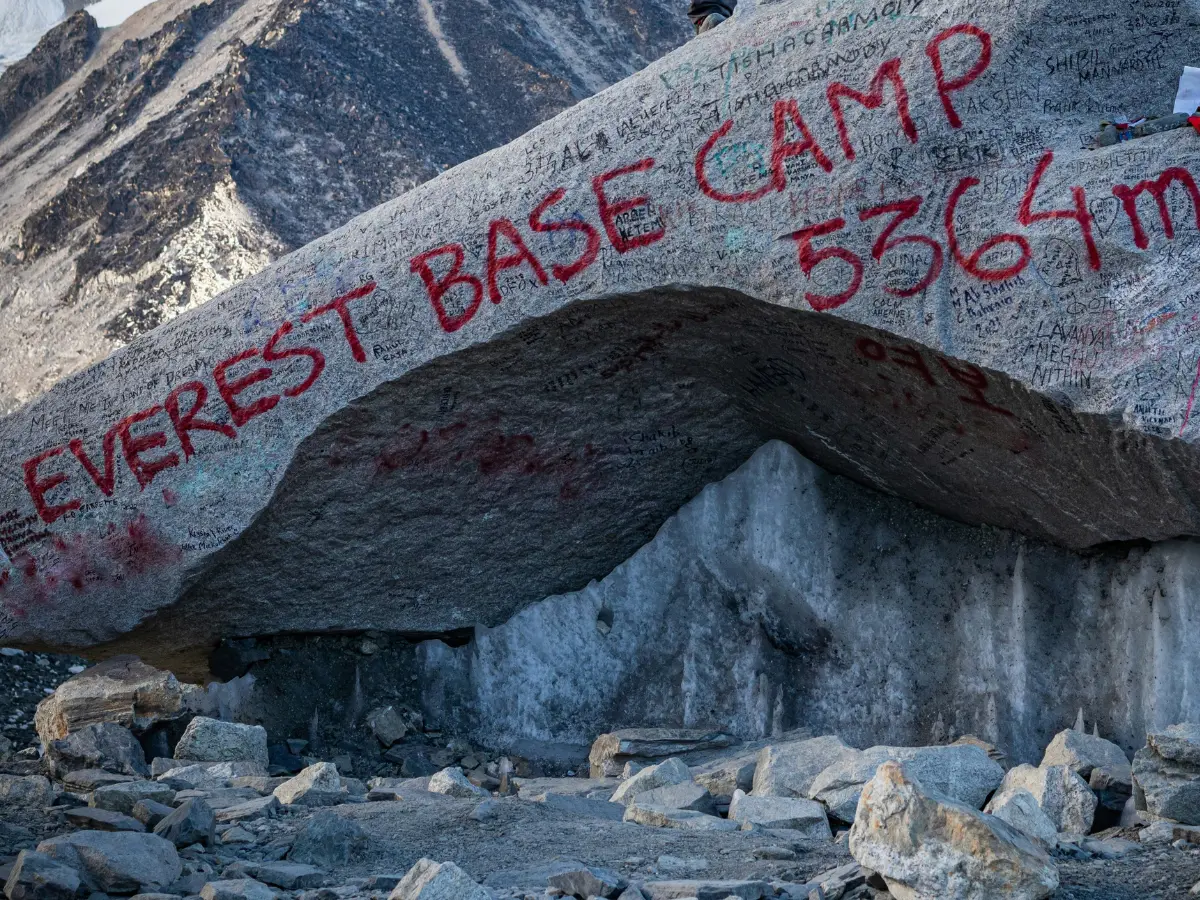)
Killing the Himalayas slowly: Human urine is melting a glacier on Mount Everest
Southern Methodist University's (SMU) seasoned palaeontologist Louis L. Jacobs found these dinosaur footprints spread across continents which hinted that perhaps a big family of the predators lived in the Americas and Africa.
“We determined that in terms of age, these footprints were similar. In their geological and plate tectonic contexts, they were also similar. In terms of their shapes, they are almost identical," Jacobs said.
The footprints of the dinosaur found by the palaeontologist belonged to three-toed theropod dinosaurs as well as the ancestors of modern birds.
Watch:Conservation Awareness in Zimbabwe: Former poacher is spreading awareness on conservation
The scientists said that some tracks may have been formed from large, long-necked herbivores 'sauropods' and herbivorous dinosaurs 'ornithischians'.
“One of the youngest and narrowest geological connections between Africa and South America was the elbow of northeastern Brazil, nestled against the present-day coast of Cameroon along the Gulf of Guinea,” explained Jacobs.
"The two continents were continuous along that narrow stretch so that animals on either side of that connection could potentially move across it," he added.
During that time, this narrow land bridge played an important role in helping animals migrate between the two continents before they slowly drifted apart.
As the continents drifted apart, magma from the mantle came to the centre stage and the South Atlantic Ocean was created.
“The tracks tell us that these dinosaurs were moving through an environment that was changing drastically,” said Diana P. Vineyard, who is a research associate at SMU and a co-contributor to the study.
“These regions, now so far apart, were once part of the same landscape, filled with rivers, lakes, and thriving ecosystems," he added.
(With inputs from agencies)