US ends waivers on Russian, Iranian oil, here's how it will impact India

&imwidth=600&imheight=450&format=webp&quality=medium "US ends waivers on Russian, Iranian oil, here's how it will impact India")
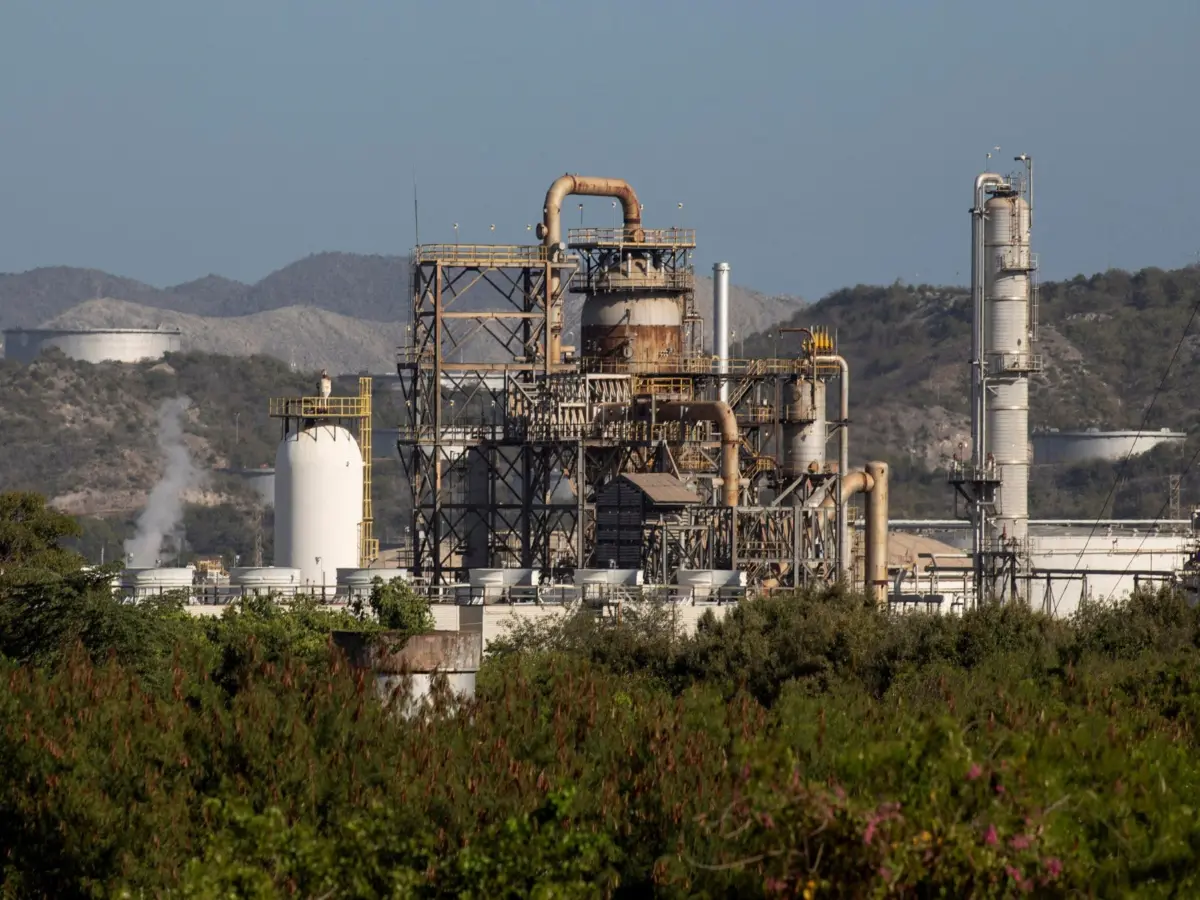
Representative Image
These waivers were aimed to allow more barrels of oil to reach the international market in the wake of disrupted global oil supply chains due to Iran blocking the Strait of Hormuz.
US Treasury Secretary Scott Bessent on Wednesday (April 15) announced that Washington will not renew the sanctions waivers allowed to several countries on purchase of Russian and Iranian oil. The waiver that was temporary will now attract US penalties.
“We will not be renewing the general license (sanctions waiver) on Russian oil, and we will not be renewing the general license on Iranian oil. That was oil that was on the water prior to March 11. So all that has been used,” Bessent said at a White House briefing.
Treasury Secretary further threatened saying, "We have told countries that if you are buying Iranian oil, that if Iranian money is sitting in your banks, we are now willing to apply secondary sanctions."
ALSO READ: 'Not political, it's in national interest': PM Modi on Women's Reservation Bill in Lok Sabha
These waivers were aimed to allow more barrels of oil to reach the international market in the wake of disrupted global oil supply chains due to Iran blocking the Strait of Hormuz, since the war began on February 28 with a combined (US, Israel) airstrike on Iran.
This is going to hurt many countries, including India that is heavily dependent on Russial and Iranian crude oil.
Trending Stories
&imwidth=280&imheight=210&format=webp&quality=medium)
&imwidth=280&imheight=210&format=webp&quality=medium)
&imwidth=280&imheight=210&format=webp&quality=medium)
&imwidth=280&imheight=210&format=webp&quality=medium)
&imwidth=280&imheight=210&format=webp&quality=medium)
&imwidth=280&imheight=210&format=webp&quality=medium)
&imwidth=280&imheight=210&format=webp&quality=medium)
&imwidth=280&imheight=210&format=webp&quality=medium)
&imwidth=280&imheight=210&format=webp&quality=medium)
&imwidth=280&imheight=210&format=webp&quality=medium)
&imwidth=280&imheight=210&format=webp&quality=medium)
&imwidth=280&imheight=210&format=webp&quality=medium)
&imwidth=280&imheight=210&format=webp&quality=medium)
&imwidth=280&imheight=210&format=webp&quality=medium)
&imwidth=280&imheight=210&format=webp&quality=medium)
&imwidth=280&imheight=210&format=webp&quality=medium)
&imwidth=280&imheight=210&format=webp&quality=medium)
&imwidth=280&imheight=210&format=webp&quality=medium)
&imwidth=280&imheight=210&format=webp&quality=medium)
&imwidth=280&imheight=210&format=webp&quality=medium)
&imwidth=280&imheight=210&format=webp&quality=medium)
&imwidth=280&imheight=210&format=webp&quality=medium)
&imwidth=280&imheight=210&format=webp&quality=medium)
&imwidth=280&imheight=210&format=webp&quality=medium)
&imwidth=280&imheight=210&format=webp&quality=medium)
&imwidth=280&imheight=210&format=webp&quality=medium)
&imwidth=280&imheight=210&format=webp&quality=medium)
&imwidth=280&imheight=210&format=webp&quality=medium)
&im=FitAndFill=(700,400)&imwidth=280&imheight=210&format=webp&quality=medium)
&imwidth=280&imheight=210&format=webp&quality=medium)
&imwidth=280&imheight=210&format=webp&quality=medium)
&im=FitAndFill=(700,400)&imwidth=280&imheight=210&format=webp&quality=medium)
&imwidth=280&imheight=210&format=webp&quality=medium)
&imwidth=280&imheight=210&format=webp&quality=medium)
&imwidth=280&imheight=210&format=webp&quality=medium)
How will the move impact India?
- India is one of the largest importers of crude oil
- Maximum amount of its oil comes from Russia and Iran
- However, due to US sanctions Iranian oil has remained off limits for a while
- India depends on imports to meet over 88% of its requirement
- Other than Russia, West Asia is the only alternative for India to meet its demands
However, in reality not all Russian oil is sanctioned by Washington; only a few companies face these restrictions. So, as reported Indian refiners can continue to buy Russian crude as long as no company, vessel, bank, or service provider is in some way or the other sanctioned by the US
