PM Modi invokes Chandra Shekhar Azad's 'unwavering patriotism' as NEET protests enter Day 34. Is there a hidden message?

&imwidth=600&imheight=450&format=webp&quality=medium "PM Modi invokes Chandra Shekhar Azad's 'unwavering patriotism' as NEET protests enter Day 34. Is there a hidden message?")
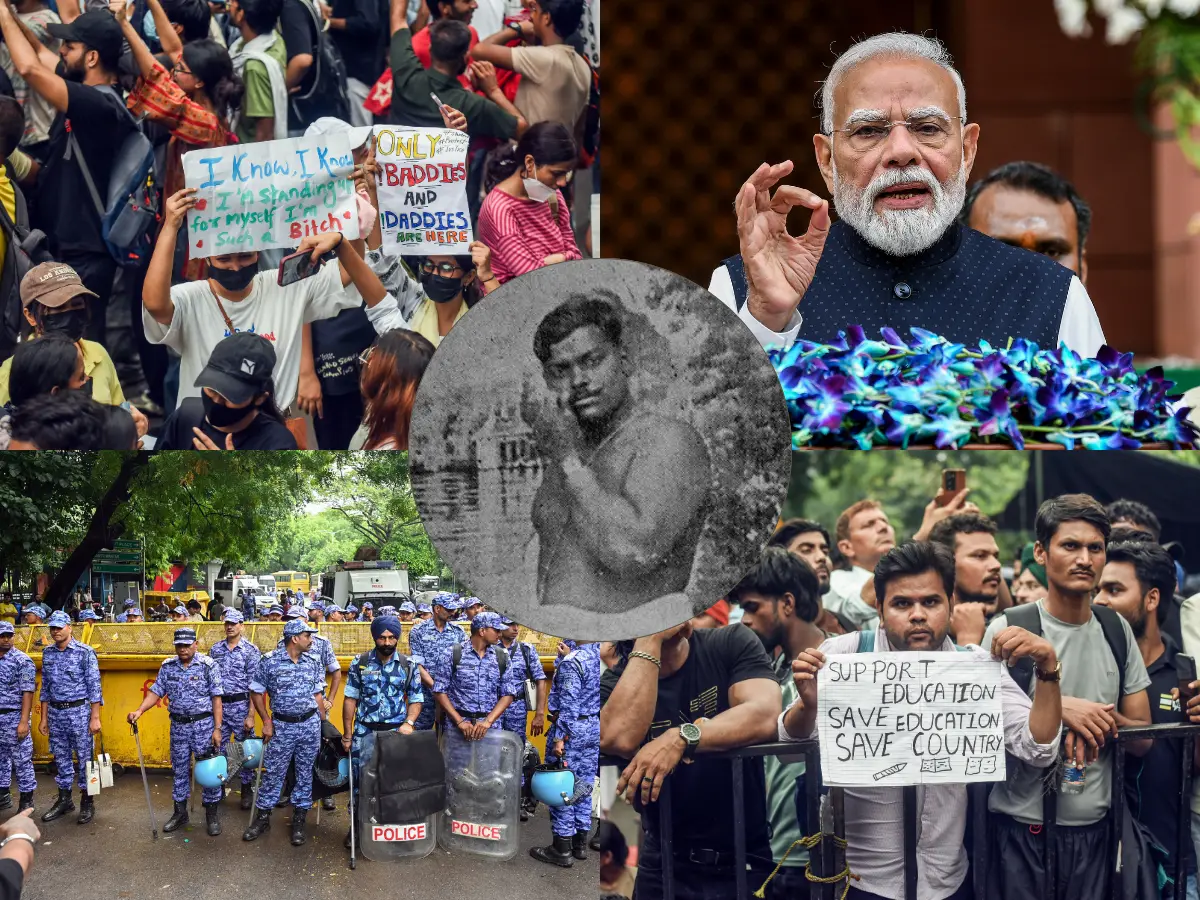
NEET protests on one side, Chandra Shekhar Azad tribute on the other: Why PM Modi's post is drawing attention Photograph: (Combination created using images from ANI and Pinterest)
Prime Minister Narendra Modi's tribute to freedom fighter Chandra Shekhar Azad's ‘unwavering patriotism’ is drawing political attention as it coincides with the ongoing NEET paper leak protests at Delhi's Jantar Mantar, where students and activists continue to demand accountability.
As protests over the NEET paper leak continue at Delhi's Jantar Mantar, Prime Minister Narendra Modi on Thursday (Jul 23) paid tribute to freedom fighter Chandra Shekhar Azad on his birth anniversary. In a post on X, the Indian PM praised the "fearless courage" of the dead revolutionary even as the government continues to ignore the demands of the living ones standing at Jantar Mantar.
Also read | CJP dismisses Modi's paper leak pledge, says 'bandage after inflicting a wound' won't fix system
A message to youth protest?
While on the surface, Modi's post on Azad was a routine birth anniversary tribute. But politically, the timing has attracted attention. For over a month, students, activists and the Cockroach Janata Party (CJP) have been protesting in Delhi over the alleged paper leak, accusing the government of destroying young people's future. The agitation has now become one of the biggest youth-led protests during the Modi government's third term.
Against that backdrop, Modi's emphasis on national service, patriotism and youth may be viewed by some political observers as a message directed at the ongoing protests.
What exactly did PM Modi say?
Trending Stories
&imwidth=280&imheight=210&format=webp&quality=medium)
&imwidth=280&imheight=210&format=webp&quality=medium)
&imwidth=280&imheight=210&format=webp&quality=medium)
&imwidth=280&imheight=210&format=webp&quality=medium)
&imwidth=280&imheight=210&format=webp&quality=medium)
&imwidth=280&imheight=210&format=webp&quality=medium)
&imwidth=280&imheight=210&format=webp&quality=medium)
&imwidth=280&imheight=210&format=webp&quality=medium)
&imwidth=280&imheight=210&format=webp&quality=medium)
&imwidth=280&imheight=210&format=webp&quality=medium)
&imwidth=280&imheight=210&format=webp&quality=medium)
&imwidth=280&imheight=210&format=webp&quality=medium)
&imwidth=280&imheight=210&format=webp&quality=medium)
&imwidth=280&imheight=210&format=webp&quality=medium)
&imwidth=280&imheight=210&format=webp&quality=medium)
&imwidth=280&imheight=210&format=webp&quality=medium)
&imwidth=280&imheight=210&format=webp&quality=medium)
&imwidth=280&imheight=210&format=webp&quality=medium)
&imwidth=280&imheight=210&format=webp&quality=medium)
&imwidth=280&imheight=210&format=webp&quality=medium)
&imwidth=280&imheight=210&format=webp&quality=medium)
&imwidth=280&imheight=210&format=webp&quality=medium)
&imwidth=280&imheight=210&format=webp&quality=medium)
&im=FitAndFill=(700,400)&imwidth=280&imheight=210&format=webp&quality=medium)
&imwidth=280&imheight=210&format=webp&quality=medium)
&im=FitAndFill=(700,400)&imwidth=280&imheight=210&format=webp&quality=medium)
&imwidth=280&imheight=210&format=webp&quality=medium)
&imwidth=280&imheight=210&format=webp&quality=medium)
&imwidth=280&imheight=210&format=webp&quality=medium)
&imwidth=280&imheight=210&format=webp&quality=medium)
&imwidth=280&imheight=210&format=webp&quality=medium)
&imwidth=280&imheight=210&format=webp&quality=medium)
&imwidth=280&imheight=210&format=webp&quality=medium)
&imwidth=280&imheight=210&format=webp&quality=medium)
"Paying homage to the brave Chandra Shekhar Azad on his birth anniversary. His fearless courage and unwavering patriotism occupy a proud place in the history of India’s freedom struggle. He motivated countless young Indians to devote themselves to the nation. His resolve continues to inspire generations," said Modi in his post.
Chandra Shekhar Azad and his revolution
After the suspension of the non-violent movement by Mahatma Gandhi in 1922, Azad joined Ram Prasad Bismil's Hindustan Republican Association (HRA). Later, he was involved in the infamous Kakori Train Robbery of 1925, the shooting of John P. Saunders at Lahore in 1928 to avenge the killing of Lala Lajpat Rai, and finally, in the attempt to blow up the Viceroy of India's train in 1929.
Notably, Chandra Shekhar Azad fought against a system that robbed Indian youth of their rights. Now, decades later, the youth of India have taken to the streets demanding fair educational opportunities, accountability and a secure future.

