'Om Namah Shivaya’ chants echoing: The Hindu connection of Prambanan Temple visited by PM Modi in Indonesia

&imwidth=600&imheight=450&format=webp&quality=medium "'Om Namah Shivaya’ chants echoing: The Hindu connection of Prambanan Temple visited by PM Modi in Indonesia")
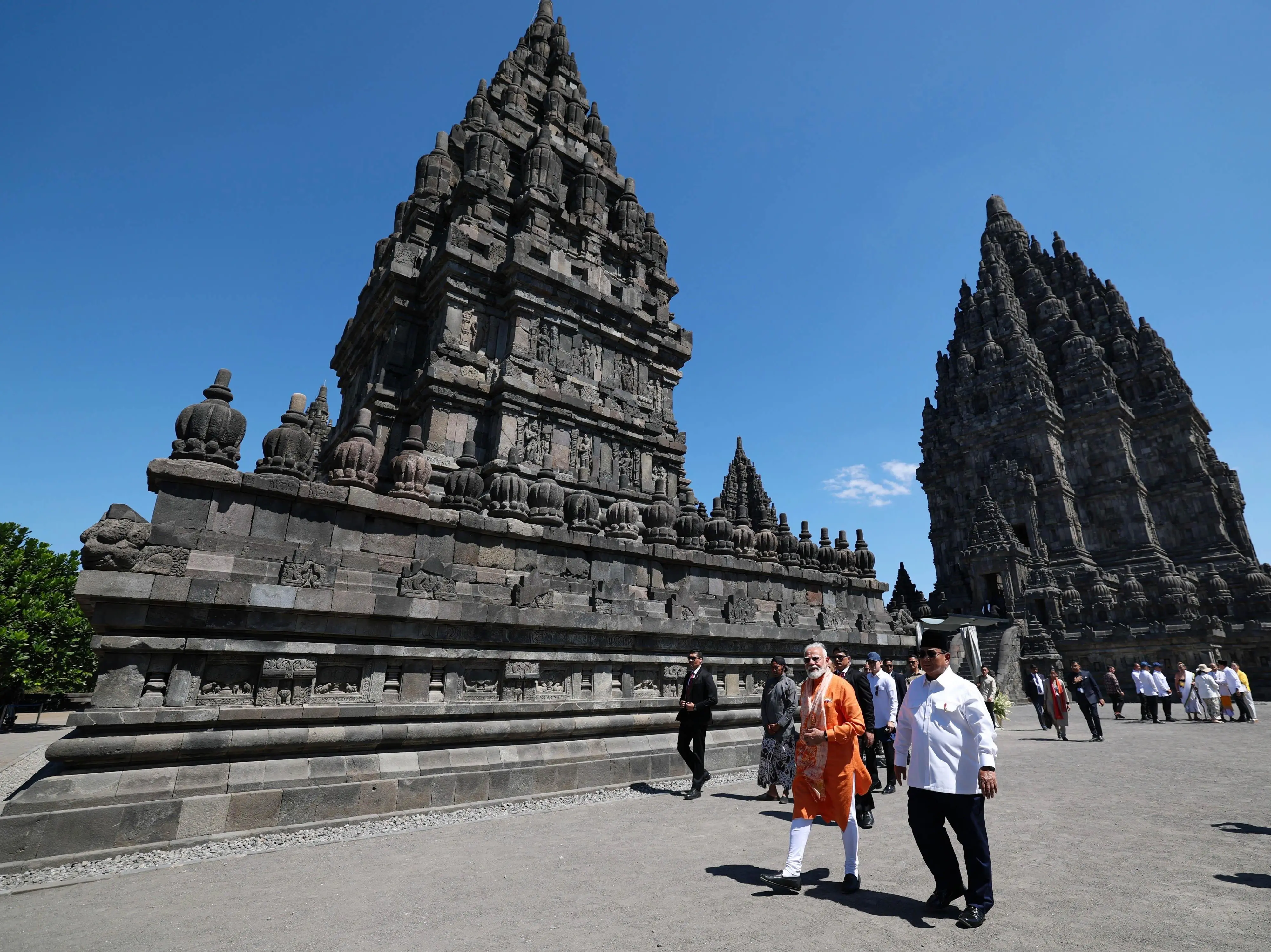
Indian PM Narendra Modi and Indonesian President Prabowo Subianto at the Prambanan Temple Compound Photograph: (X)
Prime Minister Narendra Modi visited Indonesia's Prambanan Temple with President Prabowo Subianto to launch an India-supported restoration project. Here is why the Hindu temple is a symbol of India-Indonesia civilisational ties
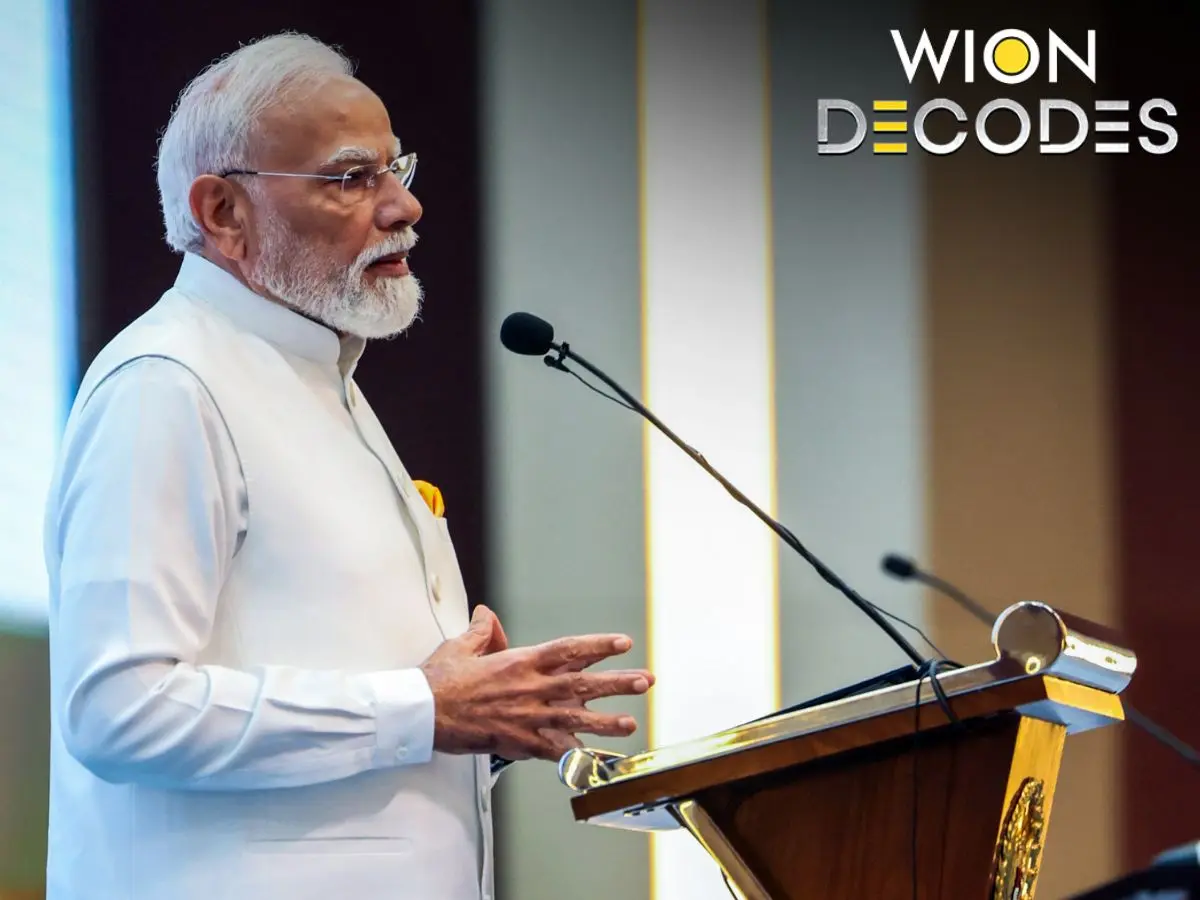
Prambanan Temple, which Prime Minister Narendra Modi visited on Wednesday (July 8) along with Indonesian President Prabowo Subianto, has historic connections to Hinduism and ancient India. Modi visited the temple during his three-nation tour that will also take him to Australia and New Zealand. The two leaders jointly launched a conservation and restoration project, with India providing support, symbolising the deep civilisational ties between the two nations. Here is what you should know about Prambanan Temple.
Prambanan is the largest Hindu temple site in Southeast Asia
Also known as Candi Prambanan, the 9th-century compound in Yogyakarta is Southeast Asia’s largest Hindu temple site. A UNESCO World Heritage Site since 1991, it is also located near the Buddhist temple Borobudur, a testament to Indonesia's rich heritage of syncretic cultures and religions. The temple is a masterpiece of classical Javanese Hindu architecture, blended with local traditions. It was built around 850 CE by the Hindu Sanjaya dynasty of the Mataram Kingdom. It is believed that the construction of the complex was initiated by Rakai Pikatan and expanded by his successors, including King Lokapala.
Prambanan Temple played a key role in the revival of Shaivite Hinduism after a period of Buddhist Sailendra influence in the region.
Also read: India says signed BrahMos cruise missile deal with Vietnam, Indonesia pact in final stages
A vast complex of 240 temples
Trending Stories
)
)
)
)
)
)
)
)
)
)
)
)
)
&im=FitAndFill=(700,400))
)
)
)
)
)
)
)
)
&im=FitAndFill=(700,400))
)
)
)
&im=FitAndFill=(700,400))
)
)
)
)
)
)
&im=FitAndFill=(700,400))
)
)
The vast temple compound originally had around 240 temples, featuring intricate stone carvings, including extensive reliefs depicting the Ramayana epic. The main Shiva temple stands 47 metres tall, with the site following Vastu Shastra principles.
The temple is dedicated to the three principal gods of Hinduism, known as the Trimurti: Shiva the destroyer, Brahma the creator, and Vishnu the preserver. The central and tallest temple is devoted to Shiva.
The complex was built along the lines of Hindu cosmology. It symbolises Mount Meru, the abode of the gods, with three vertical zones. The base represents the underworld, or Bhur Loka; the middle represents the human realm, or Bhuvar Loka; and the towering spires represent heaven, or Svar Loka. The concentric squares and mandala layouts reflect cosmic order. Jewel-like pinnacles, or Ratna, crown the temples, akin to vajra symbols. The reliefs contain divine narratives and motifs blending Hindu and Buddhist elements.
India-supported restoration of temples to be completed before 2029
Sharing an aerial view of the temple, Modi posted on social media: "The majestic Prambanan Temple!" and called it "another remarkable testament" to more than 1,000 years of cultural and civilisational ties between India and Indonesia. The sacred Hindu chant "Om Namah Shivaya" resonated as Modi offered prayers, while people lined the streets to welcome him. Modi promised to return upon completion of the restoration project, which is expected to finish before 2029. PM Modi's visit has strengthened the India-Indonesia Comprehensive Strategic Partnership, extending beyond defence and economics to shared heritage.