Nearly 4 lakh narcotics cases pending, MHA pushes states for special NDPS courts

&imwidth=600&imheight=450&format=webp&quality=medium "Nearly 4 lakh narcotics cases pending, MHA pushes states for special NDPS courts")
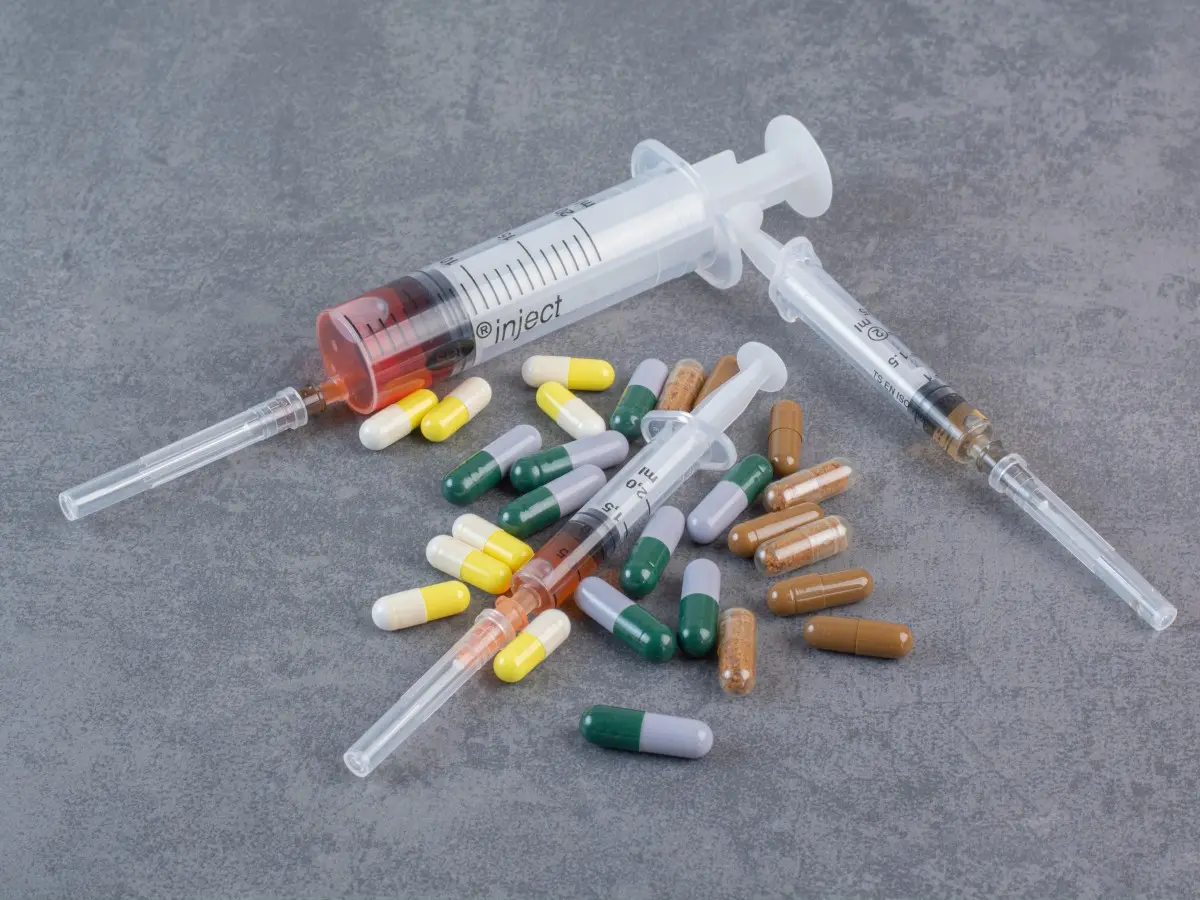
Representative image. Photograph: (Magnific)
The Home Ministry directed all states and Union Territories to submit status reports on the establishment of dedicated NDPS courts, in line with Supreme Court directives.
The Ministry of Home Affairs has directed all states and Union Territories to set up exclusive courts for narcotics-related cases, as nearly 3.96 lakh cases under the Narcotic Drugs and Psychotropic Substances (NDPS) Act are pending across the country. The ministry directive came after the MHA was notified in a meeting indicating that 22 states are likely to set up special NDPS courts.
To resolve all the heavy pending cases, the Union Home Ministry has held several meetings with chief secretaries and home secretaries of states and UTs in the last six months on the establishment of special NDPS courts. In last month's meeting, it was discovered that Punjab has nearly 60,000 pending NDPS cases, but without any exclusive special court. “It was suggested by the MHA that five special NDPS courts be set up in Ludhiana, Jalandhar, Amritsar, Tarn Taran and Sangrur,” the Indian Express reported citing the source.
“Kerala was said to have about 50,000 pending cases and only two special courts against a suggested nine courts. Officials from Odisha, which has about 17,000 pending cases, said at the meeting that eight special courts would be established this year and seven during 2027-28,” it added.
During the meeting, the Narcotics Control Bureau made a presentation on special NDPS courts and on steps required to fast-track NDPS Act trials. “The NCB informed that only 65 special courts were currently functioning across India to exclusively deal with matters relating to the NDPS Act,” the source also said.
In the meeting, it was also mentioned that the Supreme Court is concerned about delays in narcotics case trials. “Officials discussed that cases of organised (drugs-related) crimes often involved multiple accused, witnesses and counsel – leading to lengthy examinations and cross-examinations. So, additional courts are required instead of burdening regular courts,” the source added.
Also read: 'Illogical conspiracy theories': PDP slams Farooq Abdullah for his demand for J&K’s statehood
Trending Stories
)
)
)
)
&im=FitAndFill=(700,400))
)
)
)
)
)
)
)
)
)
)
)
)
)
)
&im=FitAndFill=(700,400))
)
)
)
)
)
)
)
)
)
)
&im=FitAndFill=(700,400))
)
)
)
&im=FitAndFill=(700,400))
MHA seeks reports on establishment of NDPS courts
The Home Ministry directed all states and Union Territories to submit status reports on establishment of dedicated NDPS courts, in line with Supreme Court directives. Officials from the MHA and NCB were also instructed to coordinate meetings with high court registrars in states where NDPS case backlogs remain particularly high.
The push to set up special NDPS courts and expedite trials forms part of the Central government's broader three-year strategy to intensify efforts against drug trafficking and substance abuse. “During the discussion, it was suggested that pre-trial conferences could be considered by trial courts, on the lines of proceedings in constitutional cases before the Supreme Court where timelines are fixed, and parties are asked to adhere to those,” the source told the Indian Express.
Between 2004 and 2014, a total of 1,73,000 narcotics cases were registered, resulting in 1,95,000 arrests. According to an official, this figure rose sharply between 2014 and 2026, with 8,75,000 cases registered and 10,97,000 arrests made. Case pendency varies significantly across states. Tamil Nadu, with roughly 15,000 pending cases and only five special courts, has proposed establishing six additional NDPS courts. Karnataka, facing a similar backlog of about 15,000 cases but operating just three special courts, was advised to expand its court infrastructure. Madhya Pradesh, which has around 14,000 pending cases and no dedicated court at all, was urged to urgently set up six NDPS courts across Indore, Bhopal, Neemuch, Mandsaur, Rewa, and Singrauli.
Despite having roughly 11,000 pending cases, West Bengal currently lacks any exclusive narcotics court, prompting a recommendation to establish six special courts in Kolkata, Howrah, East Bardhaman, Barasat, and Berhampore. Himachal Pradesh similarly has around 11,000 pending cases but no special court in place.

