Anti-paper leak bill passed by voice vote in Rajya Sabha after opposition walkout

&imwidth=600&imheight=450&format=webp&quality=medium "Anti-paper leak bill passed by voice vote in Rajya Sabha after opposition walkout")
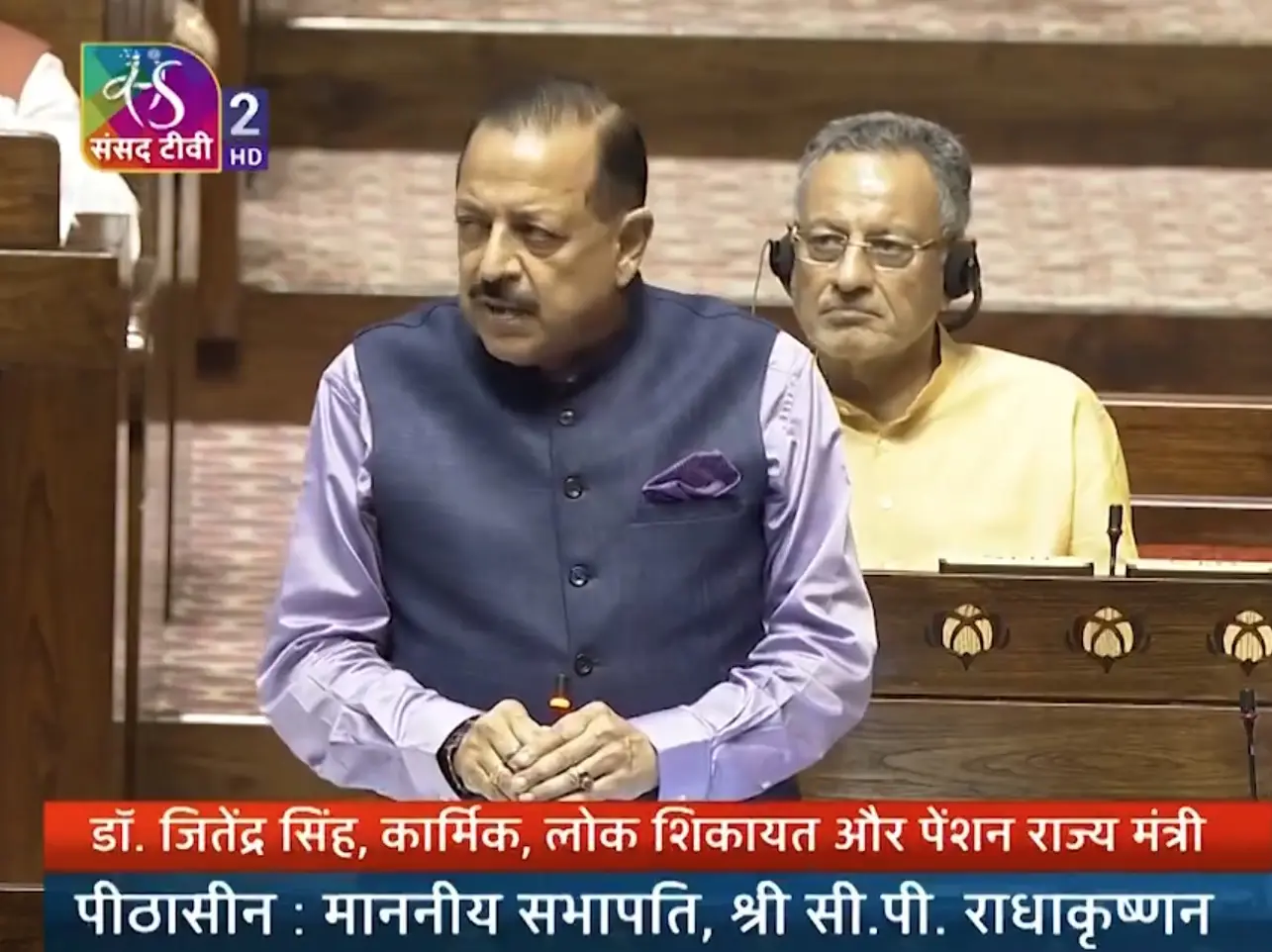
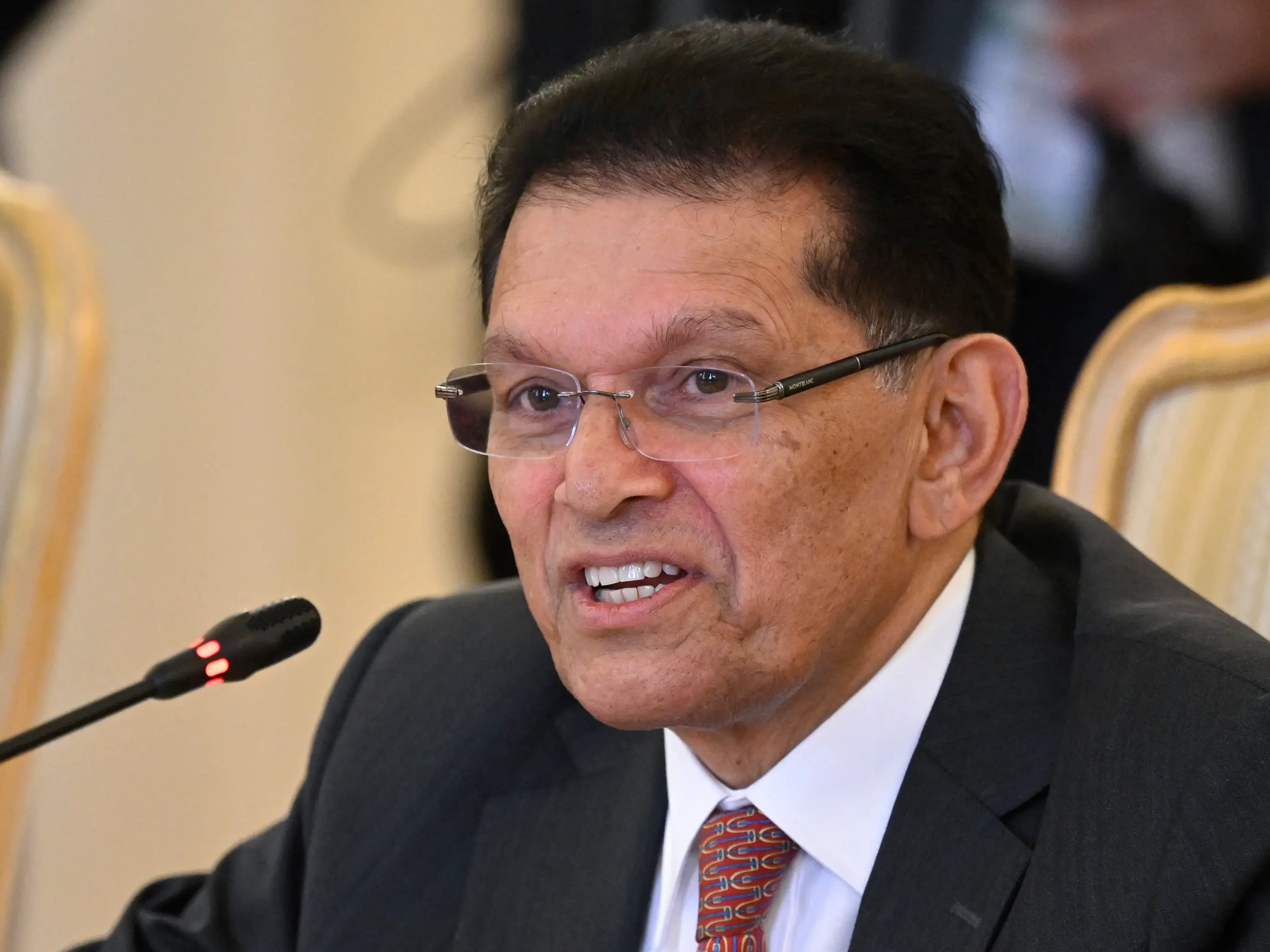
Union Minister Jitendra Singh had introduced the bill in the Rajya Sabha on Thursday. Photograph: (Screengrab from video on X)
The Public Examinations (Prevention of Unfair Means) Amendment Bill, 2026, which aims to strengthen the legal framework to curb examination malpractices and paper leaks, has already been passed by the Lok Sabha and hence has been approved by both the Houses of Parliament.
The anti-paper leak bill was passed in the Rajya Sabha by a voice vote on Thursday after Opposition MPs staged a walkout.
The Public Examinations (Prevention of Unfair Means) Amendment Bill, 2026, which aims to strengthen the legal framework to curb examination malpractices and paper leaks, has already been passed by the Lok Sabha and hence has been approved by both the Houses of Parliament.
It will now be sent to President Droupadi Murmu for her assent, after which it will be enforced as a law.
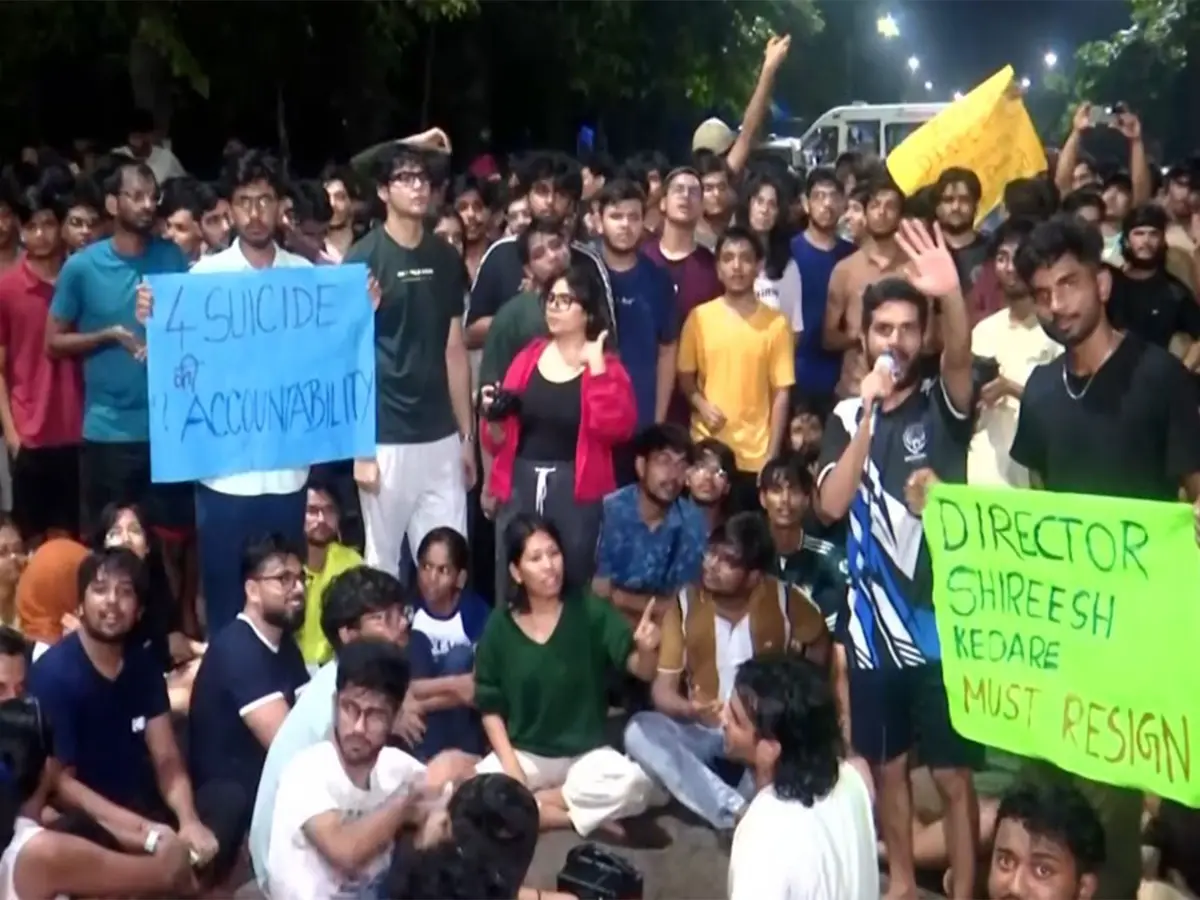
The bill, which seeks to tighten provisions under the existing anti-paper leak law, was passed after a debate in the Upper House. The legislation comes after nationwide protests over alleged examination irregularities and repeated paper leak incidents.
The government has said the amendments aim to strengthen deterrence against organised exam fraud and ensure greater transparency and integrity in public examinations. The bill will now be sent for presidential assent before becoming law.
As per the cleared bill, individuals involved in paper leaks or unfair means in exams will get jail terms for a minimum of five years and a maximum of 10 years, and will have to pay a fine of up to Rs 50 lakh.
For organised crimes, the bill proposes a minimum sentence of seven years and a fine of up to Rs 10 crore.
On becoming law, it will empower all the state governments and Union Territories administrations to designate any court of session to be a special fast-track court to try offences under it.
It also provides that the proceedings in such courts continue on a day-to-day basis and the trial is completed within three months from the date of filing of the charge sheet.
Trending Stories
&im=FitAndFill=(700,400))
)
)
)
)
)
)
)
)
&im=FitAndFill=(700,400))
)
)
)
)
)
)
)
)
)
)
)
)
)
)
)
)
&im=FitAndFill=(700,400))
&im=FitAndFill=(700,400))
)
)
)
)
)
)
The bill also empowers the central government to constitute a special task force for the investigation of any offence, if necessary.
Meanwhile, Union minister JP Nadda condemned the opposition’s walkout from Rajya Sabha.
He said, “I condemn the opposition's walkout and strongly censure it. The manner in which they have exposed themselves should be seen and understood by the entire country.”
He further said that the opposition has “no respect for democracy and parliamentary procedures.”
Earlier, during the debate on the bill, Leader of Opposition in the Rajya Sabha, Mallikarjun Kharge, criticised the absence of Prime Minister Narendra Modi and Home Minister Amit Shah from the House.
Kharge also held Shah responsible for alleged police brutalities on protesting students and said that “Jan Shakti” (people's power) would drag him out one day to make him accountable.
Union Minister Jitendra Singh had introduced the Public Examinations (Prevention of Unfair Means) Amendment Bill, 2026, for a discussion in the Rajya Sabha on Thursday, July 30, a day after the Lok Sabha cleared it.