What makes Greece more than just a summer destination?

&imwidth=600&imheight=450&format=webp&quality=medium "What makes Greece more than just a summer destination?")
Greece Photograph: (Unsplash)
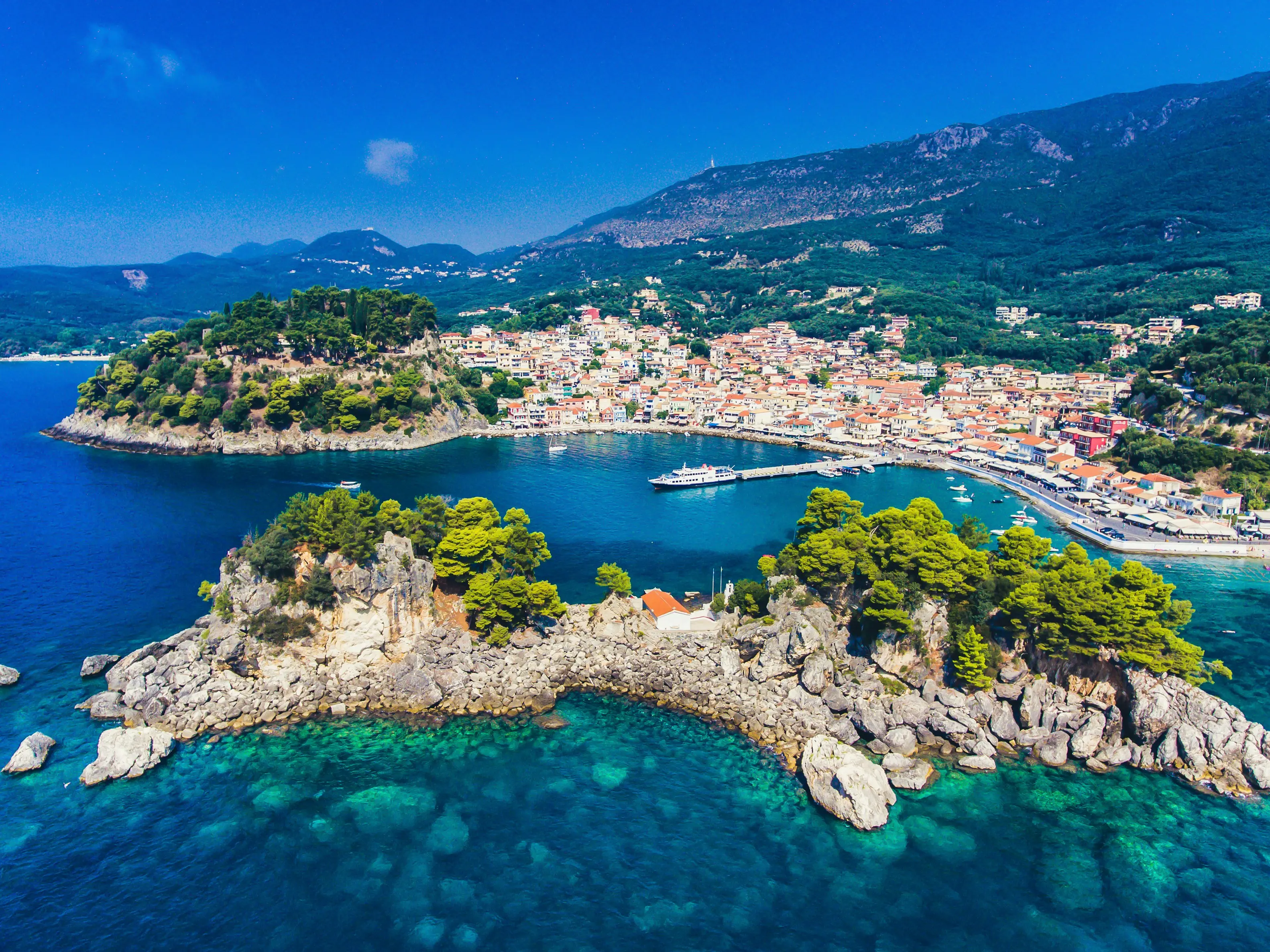
While famous for its summer islands, Greece is a year-round destination featuring 19 ski resorts, autumn olive harvests, and crowd-free ancient ruins. Travelling during the off-season provides cheaper tickets and access to the country's diverse mountainous mainland.
Most travellers associate Greece strictly with July heat, crowded islands, and packed beaches. However, sticking only to the peak summer months means missing out on the country's diverse geography. From snow-covered mountains and active ski resorts to historic mainland villages, Greece operates as a year-round destination. Exploring the country during the autumn and winter months offers a completely different, crowd-free experience.
Skiing on snow-covered mountains
It is a little-known fact that Greece is 80 per cent mountainous. According to the Greek National Tourism Organisation, the country hosts 19 ski resorts. Mount Parnassos, located just two hours from Athens, operates from December to April. Visitors can ski at altitudes reaching 2,260 metres without the high costs usually associated with the Alps. Nearby, the town of Arachova serves as a popular winter base for locals, offering stone chalets and traditional tavernas.
Exploring ancient sites without the crowds
During peak summer, the Acropolis in Athens receives up to 20,000 visitors daily. Travelling between November and March changes this completely. The heavy crowds disappear, allowing for a quiet walk through the Parthenon and the Delphi ruins. As an added benefit, ticket prices for many state-run archaeological sites in Greece drop by 50 per cent between November 1 and March 31.
Autumn hiking and olive harvests
Trending Stories
&imwidth=280&imheight=210&format=webp&quality=medium)
&imwidth=280&imheight=210&format=webp&quality=medium)
&imwidth=280&imheight=210&format=webp&quality=medium)
&imwidth=280&imheight=210&format=webp&quality=medium)
&imwidth=280&imheight=210&format=webp&quality=medium)
&imwidth=280&imheight=210&format=webp&quality=medium)
&im=FitAndFill=(700,400)&imwidth=280&imheight=210&format=webp&quality=medium)
&imwidth=280&imheight=210&format=webp&quality=medium)
&imwidth=280&imheight=210&format=webp&quality=medium)
&imwidth=280&imheight=210&format=webp&quality=medium)
&imwidth=280&imheight=210&format=webp&quality=medium)
&imwidth=280&imheight=210&format=webp&quality=medium)
&imwidth=280&imheight=210&format=webp&quality=medium)
&imwidth=280&imheight=210&format=webp&quality=medium)
&imwidth=280&imheight=210&format=webp&quality=medium)
&imwidth=280&imheight=210&format=webp&quality=medium)
&imwidth=280&imheight=210&format=webp&quality=medium)
&imwidth=280&imheight=210&format=webp&quality=medium)
&imwidth=280&imheight=210&format=webp&quality=medium)
&imwidth=280&imheight=210&format=webp&quality=medium)
&imwidth=280&imheight=210&format=webp&quality=medium)
&imwidth=280&imheight=210&format=webp&quality=medium)
&imwidth=280&imheight=210&format=webp&quality=medium)
&imwidth=280&imheight=210&format=webp&quality=medium)
&im=FitAndFill=(700,400)&imwidth=280&imheight=210&format=webp&quality=medium)
&imwidth=280&imheight=210&format=webp&quality=medium)
&imwidth=280&imheight=210&format=webp&quality=medium)
&imwidth=280&imheight=210&format=webp&quality=medium)
&imwidth=280&imheight=210&format=webp&quality=medium)
&imwidth=280&imheight=210&format=webp&quality=medium)
&imwidth=280&imheight=210&format=webp&quality=medium)
&imwidth=280&imheight=210&format=webp&quality=medium)
&imwidth=280&imheight=210&format=webp&quality=medium)
The mainland regions, such as the Peloponnese and Epirus, thrive in the autumn. The Zagorohoria region features a network of 46 stone villages connected by ancient hiking trails and arched stone bridges. Starting in November, the region also begins its annual olive harvest. Many local farms allow visitors to participate in picking olives and pressing oil, providing a direct look into traditional agricultural practices.
Winter city breaks and regional food
Athens and Thessaloniki become vibrant local hubs once the summer tourists leave. Thessaloniki, widely recognised as the culinary capital of Greece, offers rich winter dishes like bean soups and slow-cooked meats that are rarely served in the summer heat. According to local hospitality data, hotel rates in these major cities drop significantly in January and February, making a weekend city break highly affordable.
Greece offers much more than island beaches. By shifting your travel dates to the off-season, you gain access to winter sports, peaceful historical sites, and authentic local culture. This approach guarantees a quieter, more rewarding holiday experience.
