Japan factory activity contracts in July as US tariffs weigh

&imwidth=600&imheight=450&format=webp&quality=medium "Japan factory activity contracts in July as US tariffs weigh")
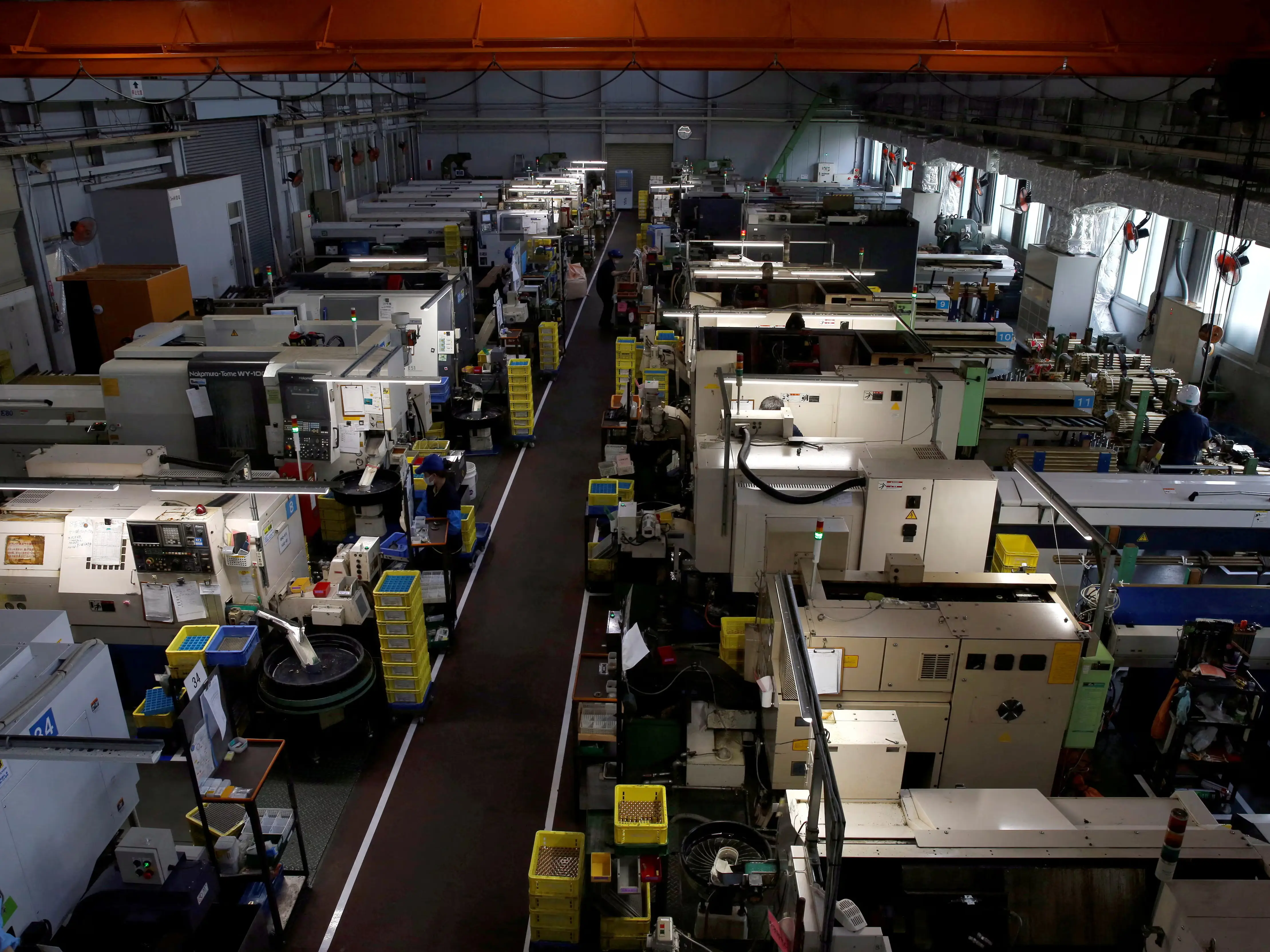
A general view of the Sakai Seisakusyo factory in Kakamigahara, central Japan. Photograph: (Reuters)
Japan’s manufacturing PMI dips below 50 for the first time in two months, while services grow at fastest pace since February.
As fresh uncertainty over US trade policy dampened output and orders, according to a private survey released on Thursday,Japan’s manufacturing sector slipped back into contraction in July. The drop underscores widening divergence between the country’s struggling industrial base and its relatively buoyant services sector. Japan’s manufacturing purchasing managers’ index (PMI) fell to 48.8 in July, down from 50.1 in June, as per Reuters. This marked the first contraction since May and slipped below the 50-point threshold that separates expansion from contraction.
“Uncertainty over future trade policy weighed on expectations regarding the year-ahead,” said Annabel Fiddes, Economics Associate Director at S&P Global Market Intelligence, which compiled the data, as quoted by Reuters. The report further highlighted that key sub-indexes, such as output and new orders, declined at the fastest pace in four and three months respectively. Businesses remain wary of the impact from newly announced US tariffs, with many holding back on fresh investment and production.
Impact of Trump’s tariff deal with Tokyo on manufacturing
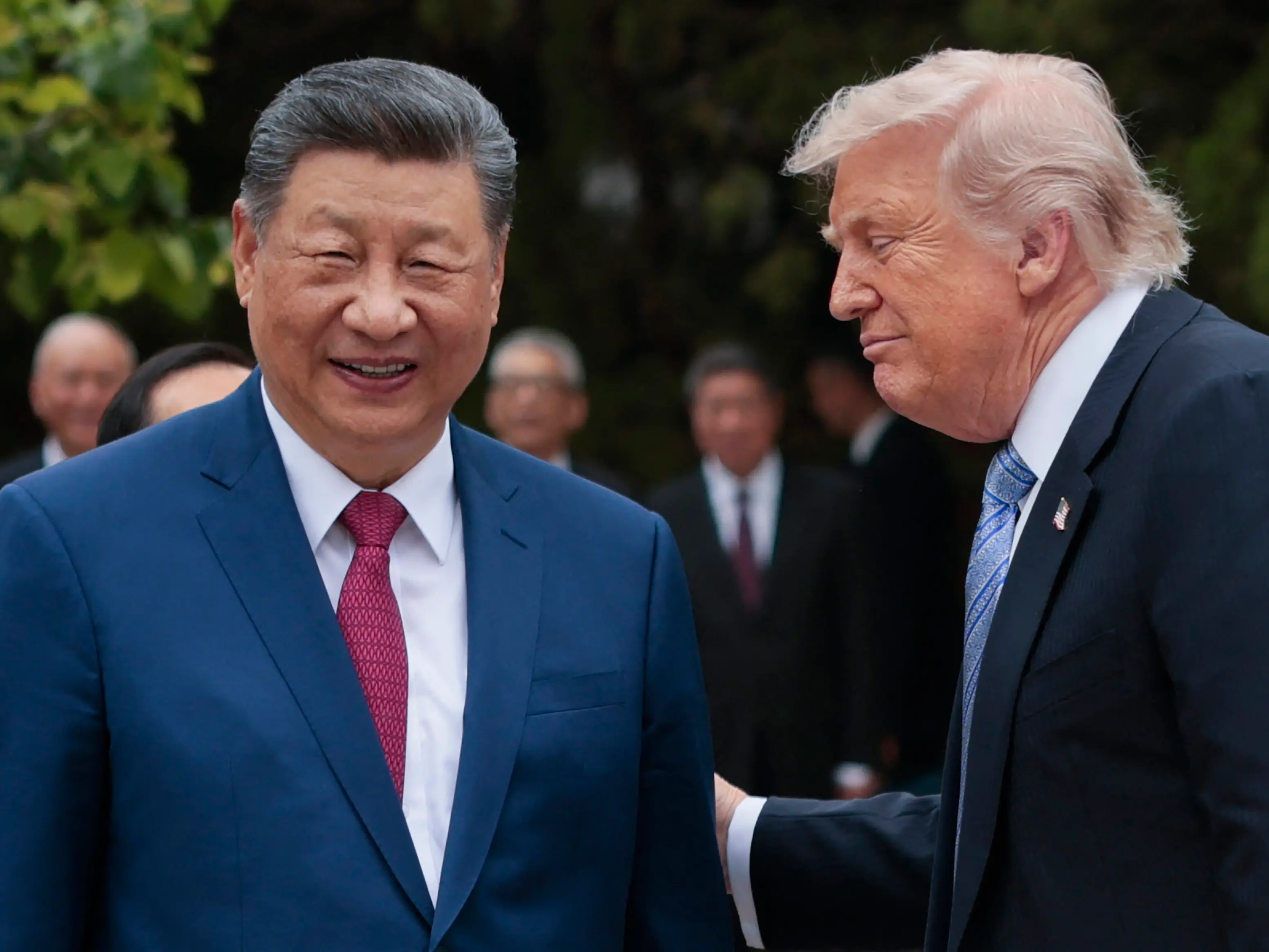
The decline in factory activity comes just days after US President Donald Trump unveiled a trade agreement with Japan. As per Reuters, the deal imposes a 15 per cent tariff on imports from Japan, in exchange for a promised $550 billion investment package from Tokyo into the US economy.
While the pact spared Japan from harsher auto tariffs for now, it has renewed fears of deeper industrial disruption, especially for Japan’s export-driven manufacturers.
Amid robust domestic demand services sector shines
Trending Stories
)
)
)
)
)
&im=FitAndFill=(700,400))
)
)
)
)
)
)
)
)
)
)
)
&im=FitAndFill=(700,400))
)
)
)
)
)
)
)
)
)
)
&im=FitAndFill=(700,400))
)
)
)
)
In contrast to the manufacturing downturn, Japan’s services sector showed notable resilience. The S&P Global services' PMI rose to 53.5 in July from 51.7 in June, the fastest rate of growth in five months, driven by strong domestic demand and a rise in new business.
“Business activity across Japan’s private sector continued to expand at the start of the third quarter, fuelled by stronger growth of the service sector,” Fiddes added, according to Reuters. However, signs of weakness were also present in the services data. New export business declined for the first time in seven months, and employment growth in the sector slowed to its weakest pace in nearly two years.
Composite PMI holds steady
The broader S&P Global composite PMI, which combines both manufacturing and services, remained unchanged at 51.5 in July, matching June’s reading. This suggests that strength in the services sector is continuing to offset the drag from weakening factory activity, at least for now.
Japan’s economic momentum appears increasingly reliant on domestic consumption and services, as external headwinds from US tariffs and slowing global trade weigh on its manufacturing base. With Tokyo navigating a complex trade environment under President Trump’s aggressive tariff regime, the divergence between the two sectors could grow further in the months ahead.
(With inputs from the agencies)