Stellantis extends hybrid powertrain to more nameplates in Europe

Stellantis extends hybrid powertrain to more nameplates in Europe
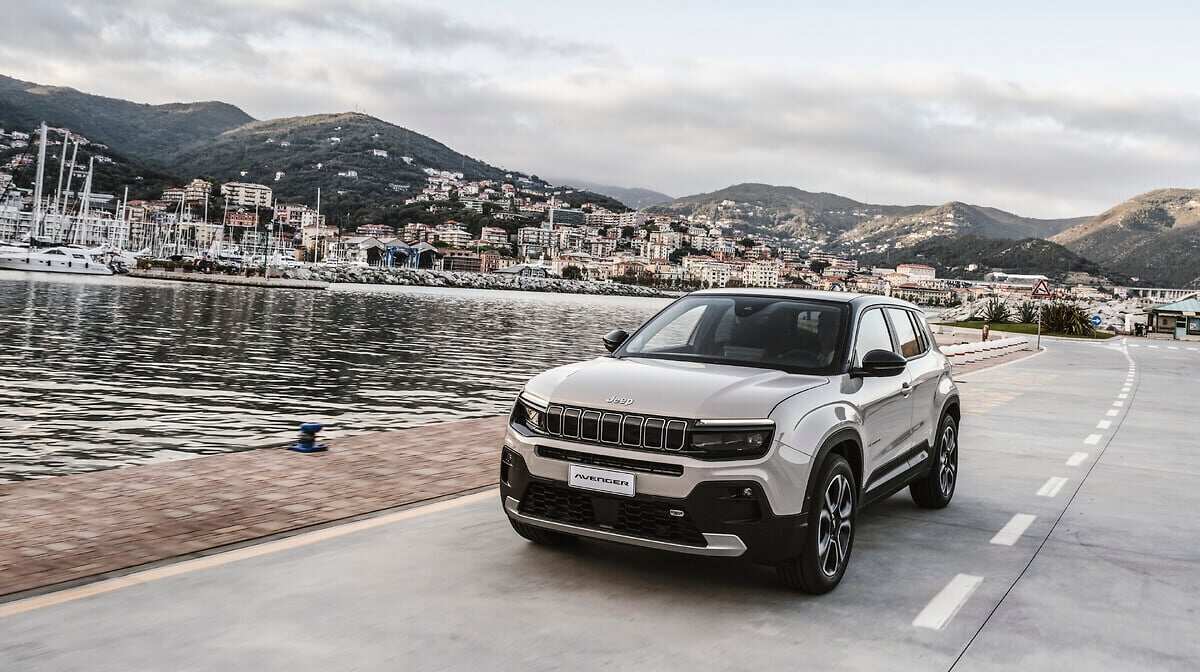
Utilising its multi-energy plan, Stellantis is shifting quickly to the growing interest in hybrid models in Europe, particularly eDCT sophisticated hybrid technology. Last year, the company’s hybrid models were raised to 30, along with six new hybrid models by 2026. These hybrids raise the prospect of power and eco-friendliness in a single package and could take much less CO2 emissions at a lesser price as compared to entirely electric and plug in hybrid vehicles.
The pressure to move towards hybridisation has already paid off for Stellantis: while the sales of EU30 hybrids increased by a rather impressive 41% in the year-to-date period of 2024 as compared to the same year-ago period. This accomplishment demonstrates Stellantis’ leadership in low emission vehicles in the EU30 market in the A and B segments along with LCVs.
Also Read:EU mandates speed limit warnings in MINIs; rule coming to US too

Uwe Hochgeschurtz, Stellantis' Chief Operating Officer for Enlarged Europe, expressed the company’s expansion of hybrid technology. He pointed out that these innovations do not only improve combustion engines' efficiency and performance but also depict the future of the automobiles that are environmentally sustainable, have a longer range, and are relatively cheaper.
Today, the listed brands of Stellantis include a wide range of hybrid cars in the European market. The C-PSA Stellantis brands illustrated the full range of offers of hybridised cars for various needs and preferences for using automobiles by presenting the Alfa Romeo Tonale, Citroën C4, DS 4, Peugeot 3008, and Opel/Vauxhall Mokka.
At the center of the above hybrid system lies the Stellantis' new eDCT transmission, housing a 21-kW electric motor. Being an advanced system it enables step-less shifting between electric and hybrid modes enhancing the fuel economy and CO2 emission by 20% on average as compared to combustion engines with automatic transmits. The eDCT system also supports the regenerative braking, to recover the kinetic energy for recharging 48V, 0.9-kWh battery.
&im=FitAndFill=(700,400))
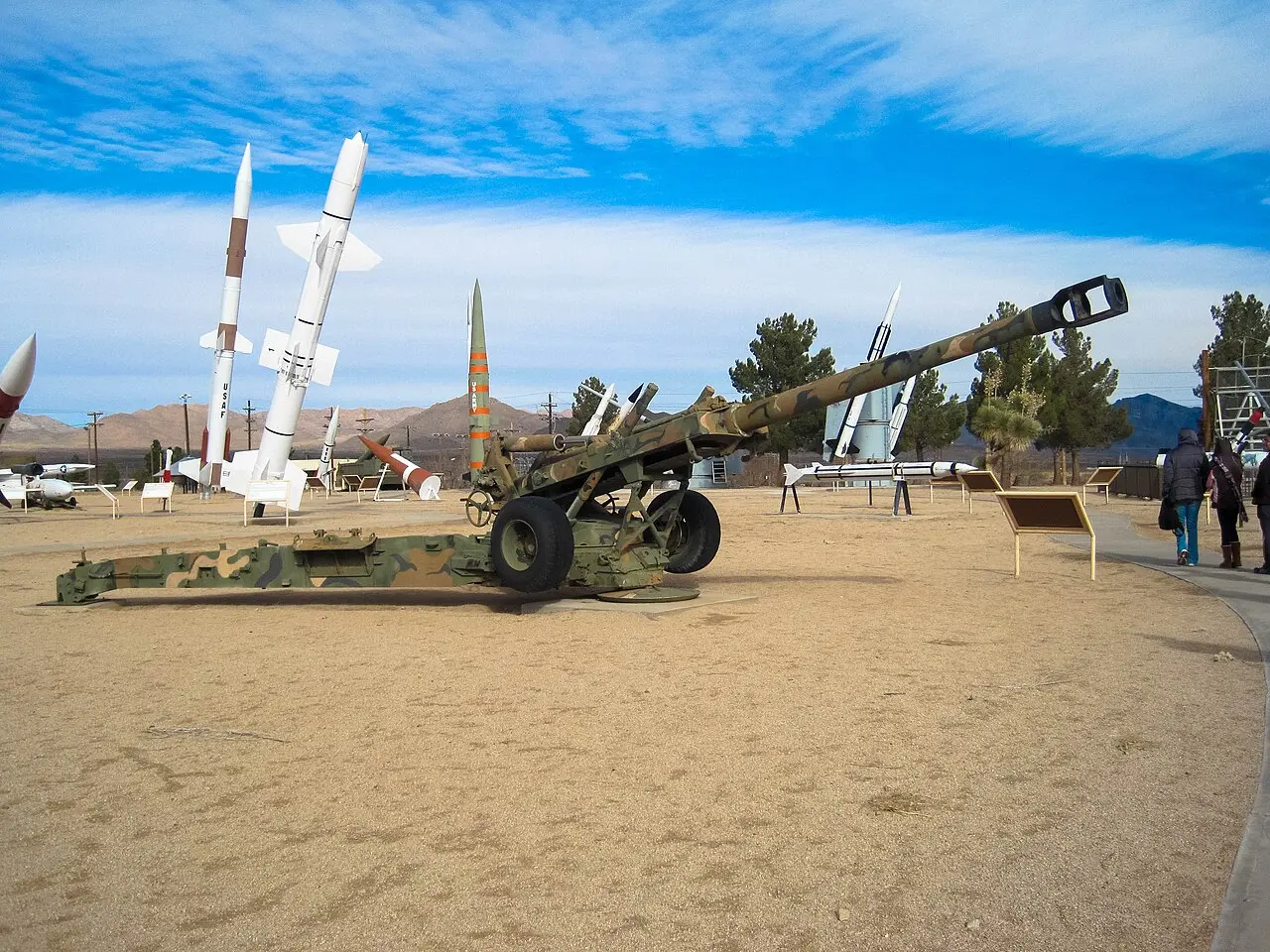
Why Russian tanks are much lighter compared to US tanks
)
What’s happening in Nepal? How did a local clash turn into communal violence? WION Decodes
)
Why did FSSAI ban the sale of Old Monk, Antiquity Blue and other liquor brands?
)
Punjab Assembly passes resolution against Centre's mandatory E20 petrol rollout
)
Scientists find descendants of ancient sea creatures trapped under Antarctica's Blood Falls
&im=FitAndFill=(700,400))
Meet top 5 batters in latest ICC Test rankings 2026 - check who sits at the top
&im=FitAndFill=(700,400))
Who is Sujatha Vijayakumar? The producer defending daughter Aarti in Ravi Mohan divorce battle
)
Who is Devendra Nath Mahto, Jharkhand’s 'Sonam Wangchuk' fasting for protesting students?
)
'World's most beautiful village' with only 627 people generated Rs 58 lakh in traffic fines in 2025
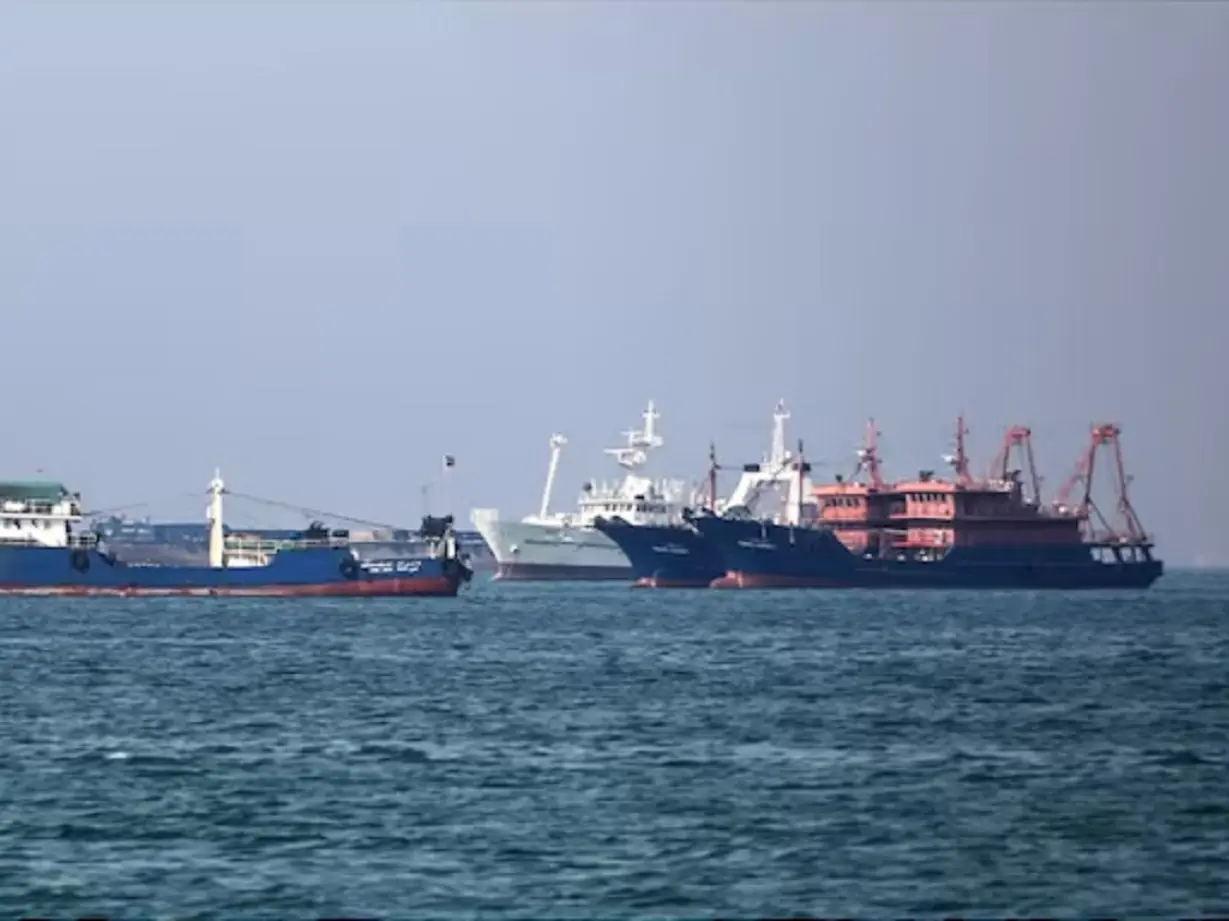)
Indian vessel sinks after Red Sea attack off Yemen; all crew rescued
&im=FitAndFill=(700,400))
7 longest flights in the world - Singapore, Qantas, Qatar and others
)
Tamil Nadu leader Udhayanidhi Stalin draws severe backlash over derogatory remark against Trisha
&im=FitAndFill=(700,400))
Meet top 5 bowlers in latest ICC ODI rankings 2026 - check who sits at the top
)
Another assassination attempt? Armed man arrested at Trump's golf course ahead of presidential visit to LA
)
Munir-protege Mohsin Naqvi’s claim of unearthing huge scam triggers tremors in Pakistan’s power corridors
&im=FitAndFill=(700,400))
Why are iPhones so expensive compared to Android phones?
)
'I was almost trafficked in Paris,' says Australian woman, shares terrifying ordeal - 'I am on the black market'
&im=FitAndFill=(700,400))
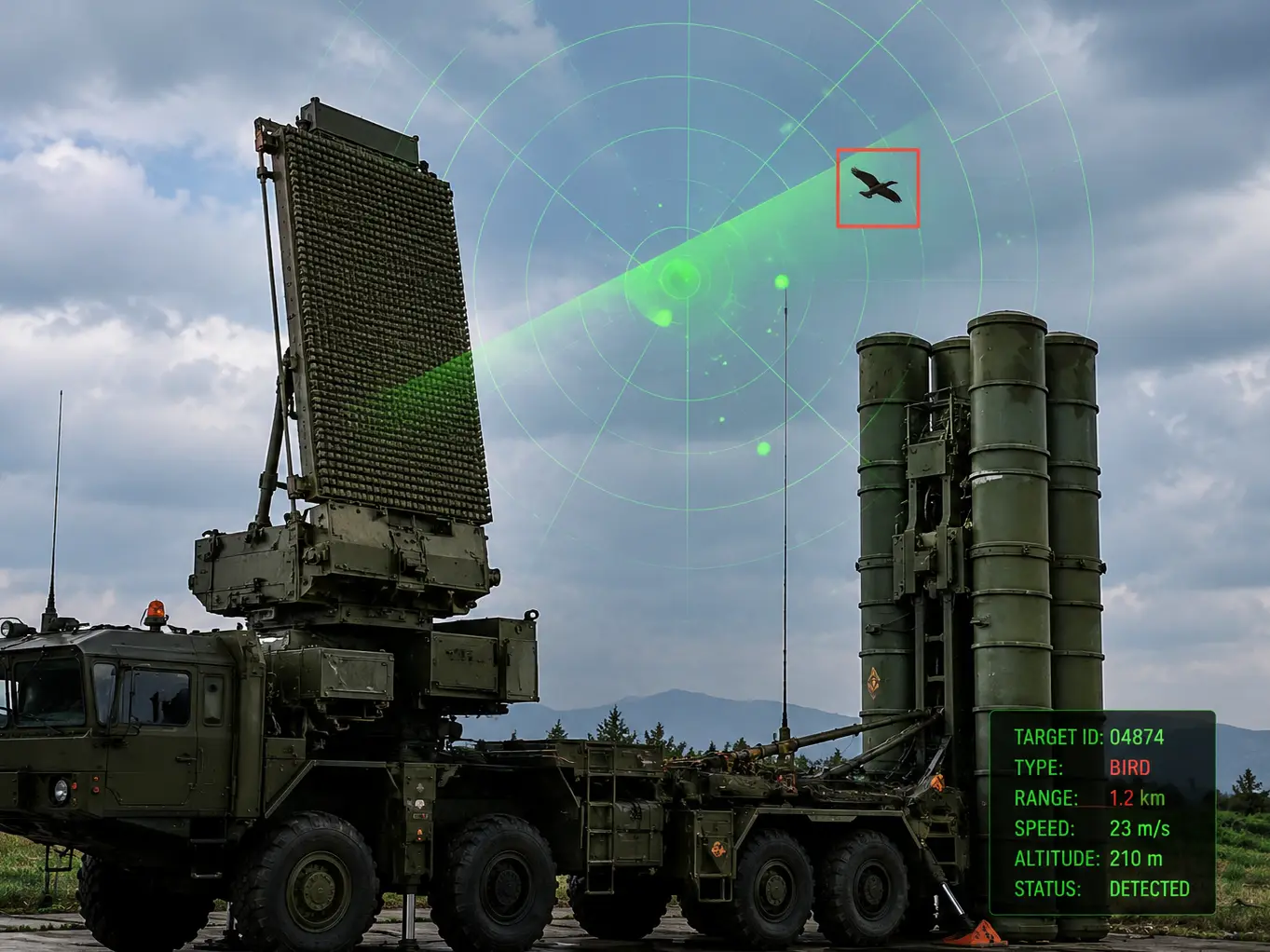
Can an S-400 detect a bird?
)
India avoids higher US tariff, secures lower 10% rate. Here's how
)
WMO warns Super El Niño is set to become monstrous between Aug-Oct - This was 'only a warm-up act'
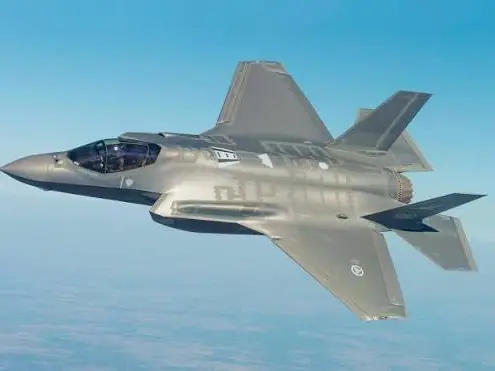)
Why did India turn down the US offer for F-35 fighter jets? EXPLAINED
)
Trump says Iranian school bombing photos could be AI-generated - 'I don’t think...'
)
‘India’s FCRA bill an attack on Christians, could hit bilateral ties,’ says US lawmaker
&im=FitAndFill=(700,400))
New OTT releases this week (August 3-9, 2026): Main Vaapas Aaunga, Uyir, Operation Safed Sagar- 6 titles coming on Netflix, Prime Video and more
)
Trump, Putin kissing in Amsterdam? Pride parade’s ‘couple’ goes viral | WATCH
)
'Should not be bullied': CJP says movement will expand beyond protests. Politics, or something bigger?
)
Did military GPS jamming cause a plane to crash in New Mexico? Here's what a report says
)
Trump goes 'bing bing bing' 11 times within 5 seconds at Iran war briefing
)
The Royals enter the Doctor Who universe: King Charles and Queen Camilla beam into Commonwealth Games in TARDIS
)
Influencer killed on livestream: Mexican cartel boss' son asked dad to kill woman who broke up with him
)
Ghajini villain Pradeep Rawat passes away at 74 after battle with cancer
Currently, there is a very active hybrid production shift in the European region, as evidenced by the fact that more than 70% of all plants of Stellantis are already producing cars with a hybrid power supply system. The joint eTransmissions venture located in Metz, France and Turin, Italy assume a vital part in providing the eDCT needed for this augmented production level.
Ahead, Stellantis continues its electrification plans as it plans to invest over EURO 50 billion on the electrification over the next ten years. This investment wants to realise the 100% share of BEV for PC in Europe by the year 2030 and a 50% share for the United States, the number one automobile market. The above initiatives are well captured under the company’s sustainability strategy; as it seeks to be carbon neutral by 2038 in all scopes of business operations.
