Safety concerns mount as ride-hail drivers deploy Tesla's self-driving tech

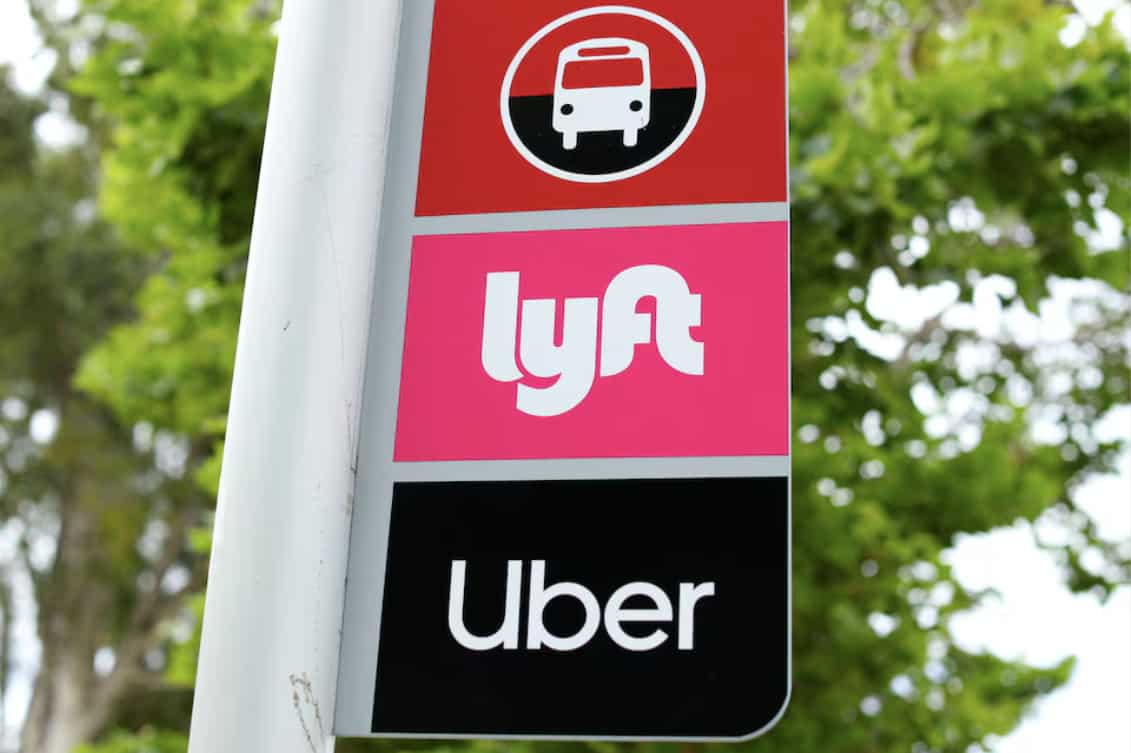
ride-hailing apps
A recent accident involving a Tesla operating on Full Self-Driving (FSD) software while carrying an Uber passenger has spotlighted a growing trend that exists in a regulatory grey area: ride-hailing drivers using Tesla's autonomous technology as makeshift robotaxis. This practice, occurring ahead of Tesla CEO Elon Musk's planned October 10 robotaxi announcement, has sparked concerns about safety and oversight in the rapidly evolving landscape of autonomous vehicle technology.
The April incident in suburban Las Vegas saw a Tesla, driven by Justin Yoon while using FSD, collide with an SUV at an intersection. Footage from inside the vehicle showed the Tesla, travelling at 46 mph, failed to initially detect the crossing SUV. Although the other driver was ultimately faulted for failing to yield, the accident has raised questions about the reliability and safety of using such technology for commercial ride-hailing services.
According to interviews with eleven ride-hail drivers who use Tesla's FSD software, which costs USD 99 per month, the technology helps reduce driver stress and enables longer working hours, potentially increasing earnings. However, these same drivers also report critical shortcomings, including unexpected acceleration and braking, leading some to avoid using FSD in complex situations such as airport pickups and construction zones.

Sergio Avedian, a Los Angeles-based ride-hail driver and senior contributor to "The Rideshare Guy" YouTube channel, estimates that 30% to 40% of Tesla ride-hail drivers across the United States regularly use FSD. "I do use it, but I'm not completely comfortable with it," Avedian stated, noting that he avoids using the technology while carrying passengers.
The regulatory landscape surrounding this practice remains unclear. While test versions of self-driving cabs from companies like Waymo and Cruise are heavily regulated and require human backup drivers, Tesla's FSD operates in a different category. State and federal authorities maintain that Tesla drivers are solely responsible for their vehicles, regardless of whether they use driver-assist software.
Both Uber and Lyft have responded to questions about FSD usage by emphasizing driver responsibility for safety. Uber cited its community guidelines, which state: "Drivers are expected to maintain an environment that makes riders feel safe; even if driving practices don't violate the law." Lyft similarly stated that "Drivers agree that they will not engage in reckless behaviour."
)
Nigeria: Protesters take to the streets, police fire shots
)
US-Iran war: Tehran draws red lines — seven demands before any peace talks
)
Russia-Europe tensions: Polish PM warns Russian attacks could test NATO's unity
&im=FitAndFill=(700,400))
‘Not the US or China’: These are the countries leading the world in arable land
)
Mark Carney mimics Trump in hilarious moment over C$70 billion clean-energy investment; room erupts in laughter
)
Pentagon revives mandatory testosterone testing for male troops aged 30 and above
)
‘End of my career...’: NSA Doval recalls tense Sikkim mission when China captured Indian intelligence team
)
Trump defends AI amid growing alarm, announces new 'AI force' and promises an 'AI czar'
)
Iran sets 7 conditions to end war with US: What are Tehran’s demands?
)
Trump announces ‘AI Force’ as debate grows over AI risks and regulation
)
China may have gained access to US's classified F-35 jets; parts meant for repairs diverted to Hong Kong, sparking Pentagon inquiry
)
Gaza under attack: Health chief's son killed in IDF strikes
)
Inspired by podcasts and Meghalaya murder case: How Siya allegedly planned Ketan Agarwal’s Lohagad fort murder
)
Arvind Kejriwal, family members, Delhi CM Rekha Gupta get SIR notices
)
Cochin shipyard starts building Indian Navy's next-gen missile vessels
)
Saudi vs Houthis: Houthis claim missiles & drones used in attack on key Saudi sites
)
Ed Sheeran addresses Macklemore's removal, Gaza conflict during Philadelphia concert: 'I cannot hide how I feel'
)
Brigitte Bardot’s private collection set for Paris auction; key items and prices revealed
)
‘Will go to any extent’: Pakistan vows to defend Saudi Arabia amid Houthi attacks
66 years of the Indus Waters Treaty: How India and Pakistan settled a bitter river dispute
)
The Verdict | When precision fails: US commits war crime in Minab school strike, UN finds
)
9 women found dead near Johannesburg: South Africans rally, demand 'enough' to femicide
)
Trump wants to rename ‘Artificial Intelligence’, gives 3 options: Which one would you pick?
)
US-Iran war: Tehran sets seven conditions to re-engage in talks with US
)
Reacher star Alan Ritchson opens up about alleged blackmail, suicide attempt during difficult period
)
Africa is splitting, and a lot sooner than estimated, giving way to a new ocean
)
Flying cars in UAE: Ras Al Khaimah signs deal with Chinese company to test new transport
)
Trump bans CNN, MS NOW and Politico from White House over ‘FAKE NEWS’
)
Trump 2.0: Dark days ahead for America’s ‘imperial presidency’
&im=FitAndFill=(700,400))
How many F-35s does Britain, Japan and Israel have?
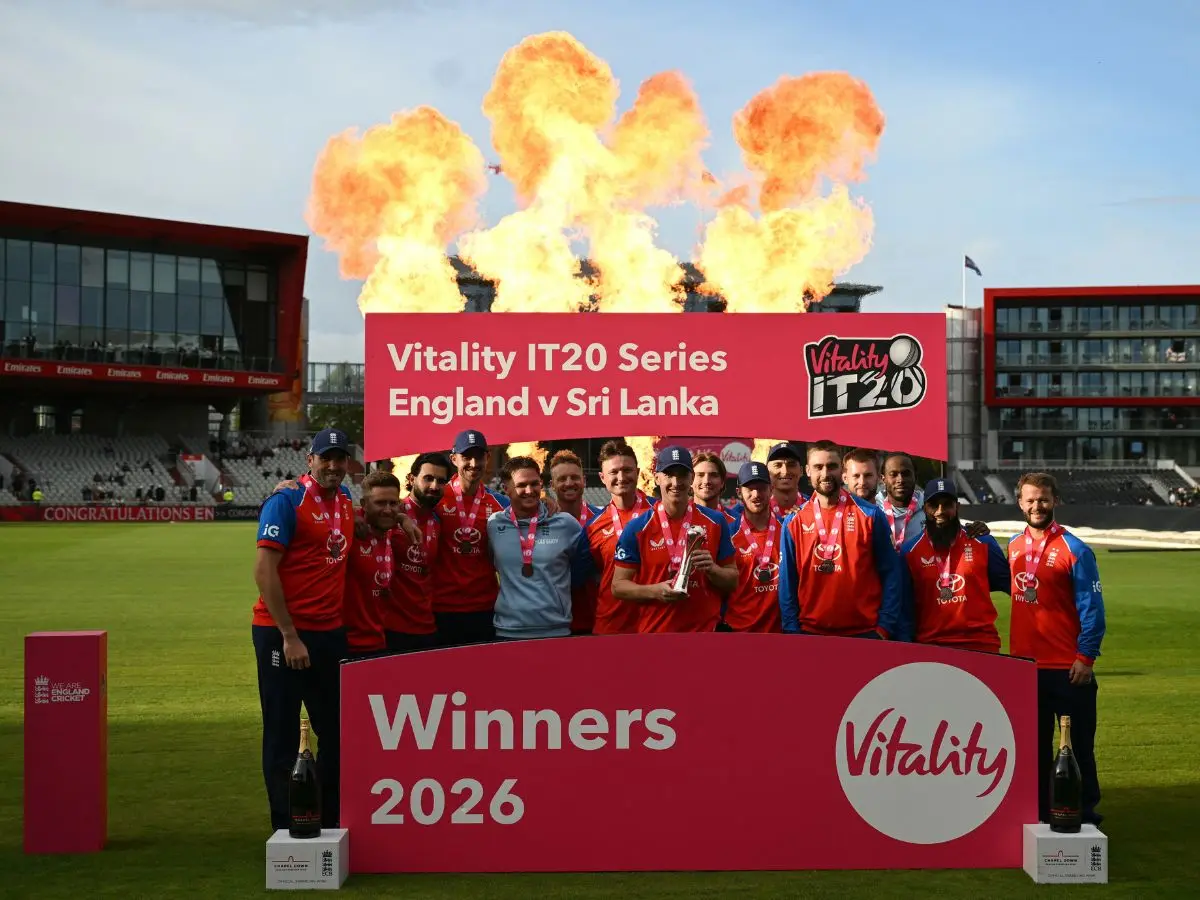)
Harry Brook targets long reign at top of T20I rankings after Sri Lanka sweep
)
Russia's deadly Ukraine strikes kill 2 in Sumy, hit Dnipro mall
)
Russia holds first parliamentary elections since the beginning of the Ukraine war
&im=FitAndFill=(700,400))
Meet top 5 Indian batters with fastest T20I centuries
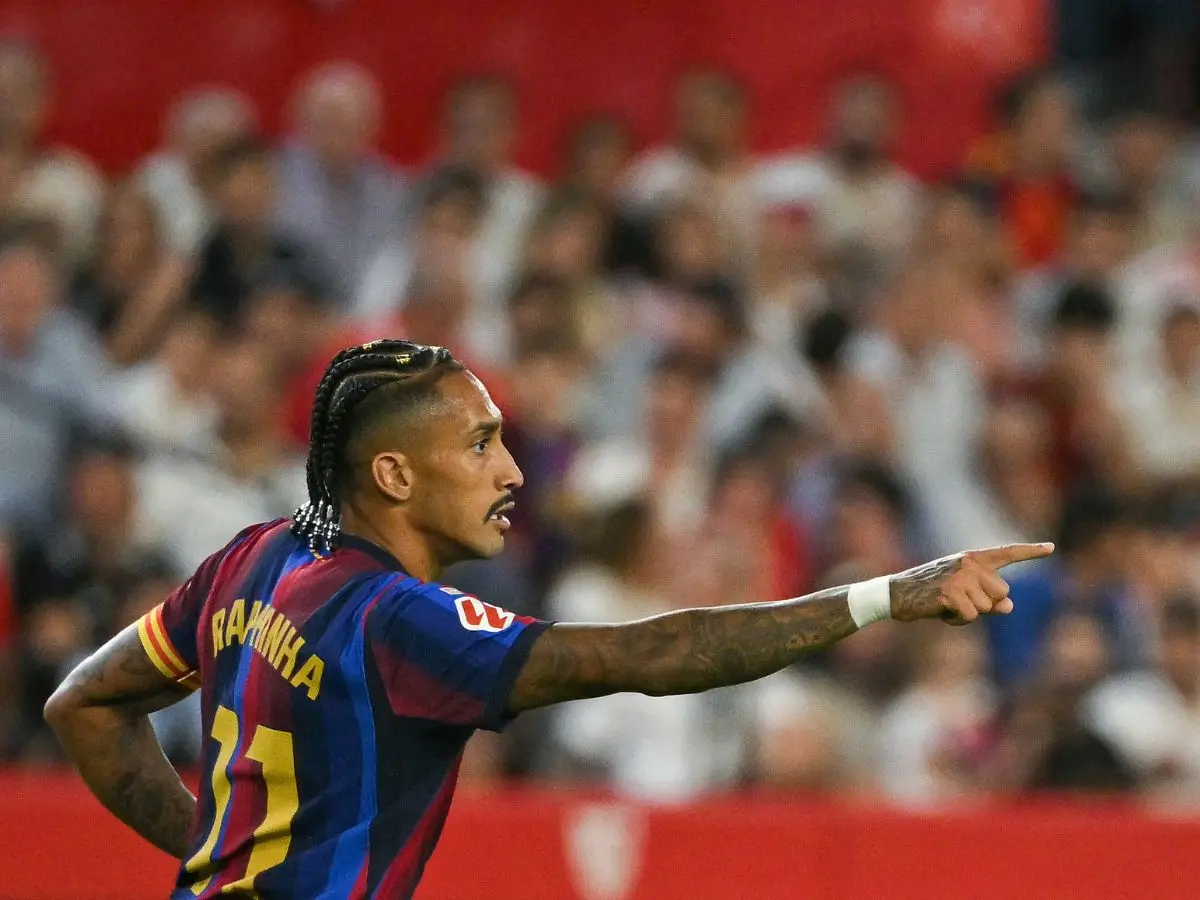)
Raphinha hat-trick powers Barcelona to 3-1 win over Sevilla in La Liga
)
The National Highway Traffic Safety Administration (NHTSA) has acknowledged awareness of Yoon's crash and has contacted Tesla for additional information. However, the agency has not provided specific guidance on regulations or guidelines for using driver-assistance technology in commercial settings.
Industry experts express concern about the current situation. "Ride-share services allow for the use of these partial automation systems in commercial settings, and that is something that should be facing significant scrutiny," said Guidehouse Insights analyst Jake Foose. Meanwhile, Missy Cummings, director of the George Mason University Autonomy and Robotics Center and a former NHTSA adviser, suggests that ride-hailing companies should proactively ban the practice.
Despite these concerns, some drivers remain enthusiastic about the technology's potential. Kaz Barnes, who has completed more than 2,000 trips using FSD with passengers since 2022, looks forward to the day when he can "take off the training wheels" and let his Tesla work autonomously within Musk's envisioned network.

