India's EV charging stations expand nine-fold in 2 years: Forvis Mazars report

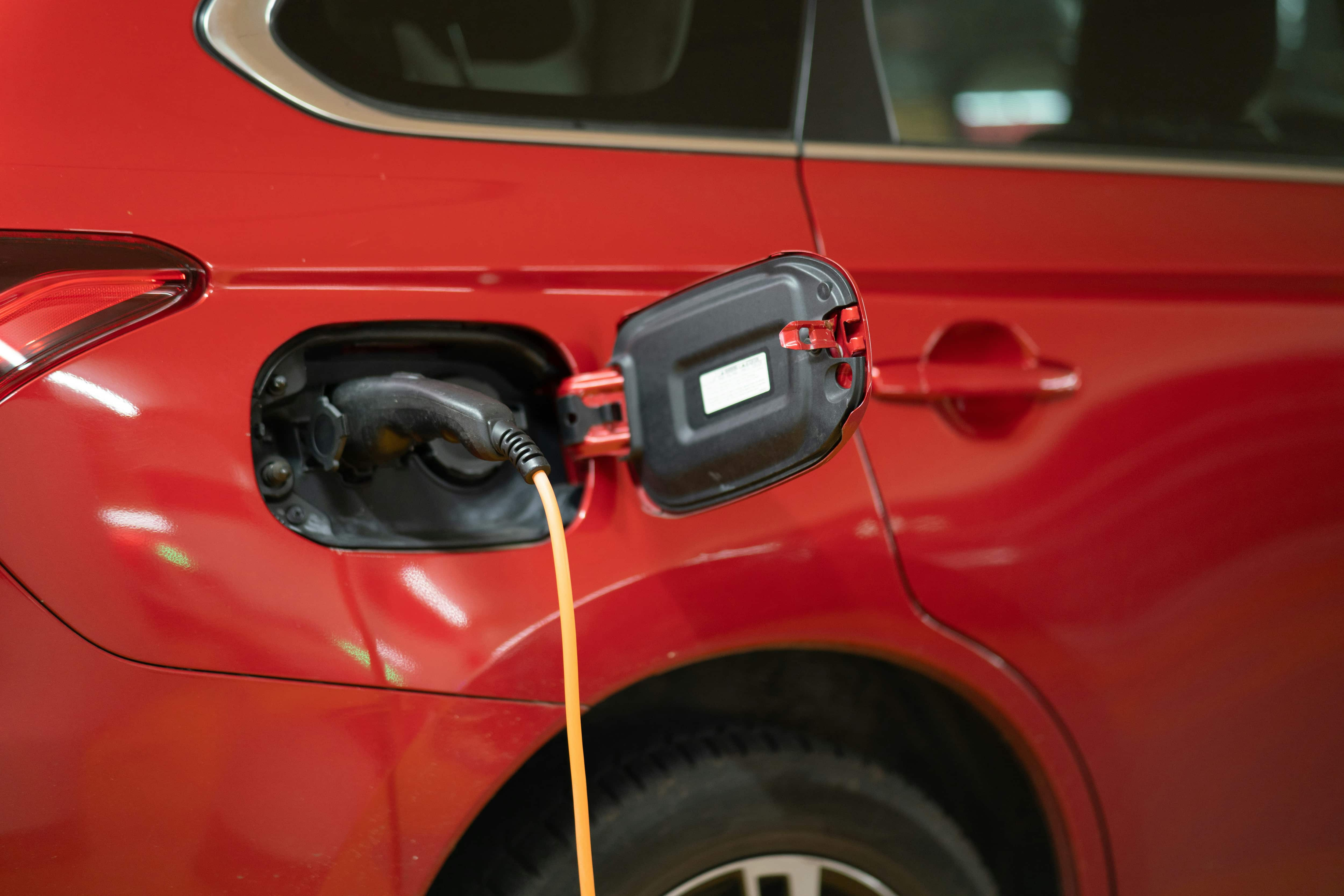
India's EV charging stations expand nine-fold in 2 years: Forvis Mazars report
India’s electric vehicle (EV) charging infrastructure is poised for remarkable expansion, according to the latest Forvis Mazars report. The number of public Battery Electric Vehicle (BEV) charging stations in India has surged from 1,800 in February 2022 to 16,347 by March 2024, representing a nearly nine-fold increase. This rapid growth is crucial as it aligns with the rising demand for EVs driven by increased environmental awareness, escalating fuel prices, and supportive government incentives.
Rohit Chaturvedi, Partner and Transport and Logistics Sector Leader at Forvis Mazars, emphasized the need to scale up public charging infrastructure to meet the growing EV demand and mitigate range anxiety. “By 2030, electric vehicles are expected to constitute nearly one-third of India’s passenger vehicle market, highlighting the urgent need for substantial infrastructure development,” Chaturvedi stated. “At Forvis Mazars, we are committed to supporting this transformative journey, leveraging our advisory expertise to build a sustainable and efficient EV ecosystem in India.”
The global surge in electric car sales, which increased by 27% from 2022 to 2023, underscores the necessity for a robust charging network. With over 40 million EVs worldwide by 2024, the need for adequate charging infrastructure is more pressing than ever.

In India, EV sales have tripled in the past fiscal year, especially in the two-wheeler (2W) and three-wheeler (3W) segments, with the four-wheeler (4W) segment also showing significant growth potential. Factors driving this adoption include lower total cost of ownership, ease of use, sustainability, an expanding supplier network, product customization, and government incentives like the FAME-II scheme.
The development of charging infrastructure in India must cater to unique demands, with AC slow charging and battery swapping predominating for 2Ws and 3Ws, while 4Ws and buses require a mix of AC and DC charging solutions. Home and workplace charging are expected to dominate for private 2Ws and 4Ws, while commercial fleets will depend on public or private charging networks. DC fast chargers will address the growing demand for public charging as the 4W EV market expands.
By 2030, India is projected to have around 50 million EVs on the road, with the EV market potentially reaching $48.6 billion. To maintain a ratio of 1 charger for every 40 EVs, India will need to install over 400,000 chargers annually, totaling 1.32 million chargers by 2030.

Virat Kohli turns 38: 5 records that define his cricketing legacy

US midterms: Did Trump lose young voters, women and minorities? Here's how Americans voted

‘Dialled wrong number in season of dharna, go protest’: CJI’s quip on plea seeking rotation of SC-ST reserved seats

Who is Abdul El-Sayed’s wife Sarah Jukaku and what is her Indian connection?

Florida shooting: Two dead, including suspect, after gunfire at Citibank's Tampa-area complex

First handshake? Radio signal with all hallmarks of alien technology detected in China

Trump's 'best guy' Pete Hegseth on the chopping block? Why Republicans are now turning against him after midterms disaster

Houthis put a price on peace with Saudi: $51 billion and recognition as Yemen's rulers - Report

Ueno Bank crisis: Why are millions protesting as Paraguay’s president faces impeachment?

‘Iran handed Trump political defeat after strategic ones,’ says security chief Mohsen Rezaei

Ashwin shares reasons for Bhuvneshwar's struggle in NZ T20Is, says his 'chapter is maybe closed'

US Midterms 2026: Abdul El-Sayed wins Michigan race, becomes first Muslim American to be elected to US Senate

Watch: Ilhan Omar breaks into a dance after securing fifth-term victory amid long-running Trump feud

Dirty war ahead? Trump has options of renewed strikes on Iran or letting it rot, but officials are divided after US midterms rout

US Midterms 2026: Pooja Sethi defeats bigotry, makes history as first Hindu, Indian-American woman elected to Texas Legislature

US midterms: What went wrong for Trump? | Gravitas

‘Rubio irreplaceable’: Sergio Gor rejects reports of being a contender for Secretary of State

'I am more Indian than Arab': Abdul El-Sayed on his Indian-origin wife

Saudi Arabia rolls over $3 billion financing to Pakistan as $10 billion US backstop fades

Keran Heritage Centre to give new impetus to border tourism in North Kashmir

Why did Sensex jump 2,000 points in biggest rally in months? Key triggers explained

"That run-out by Rohit changed the momentum": Gill reflects on India's 5-wicket win in 1st ODI vs NZ

Chandigarh couple at centre of fresh US sanctions over helping Iran evade oil sanctions

Kashmir Valley likely to receive fresh spell of snowfall today; dry weather forecast till November 9

Mahadev app co-founder Ravi Uppal arrested in Dubai days after kingpin Sourabh Chandrakar’s extradition

'Habibi, there's a delicious irony': What the word Abdul El-Sayed used on JD Vance actually means | US Midterms 2026

Doomsday warning? Why governments are warning people to stockpile emergency supplies for 72 hours

Ramayana: Part 1 movie review: Yash’s powerhouse performance and jaw-dropping VFX fuel Nitesh Tiwari's epic

Nithya Raman wins LA mayoral race, becomes city's first Asian-American mayor

After Microsoft, Google expands voluntary exit programme to employees in 5 countries amid AI spending

Ramayana Part 1 X reviews: Netizens hail Ranbir Kapoor-Yash's mythological epic, call it a 'monumental cinematic masterpiece'

Israel's Ra'am party backs Gadi Eisenkot to lead next government after meeting with Herzog

Indian Army marks Battle of Shalateng Day with veterans’ rally, educational outreach at Sharifabad

From Texas to South Carolina: How Democrats stormed Republican strongholds to redraw America's political map in US midterms 2026
Government policies, such as the Faster Adoption and Manufacturing of Hybrid and Electric Vehicles (FAME) scheme, continue to support this growth. The Ministry of Heavy Industries has approved numerous EV charging stations, while the Ministry of Housing and Urban Affairs (MOHUA) aims for semi-public charging at 20% of all vehicle holding capacities.
The Forvis Mazars report underscores India’s significant progress in expanding its EV infrastructure. With projections indicating that electric vehicles will make up a substantial portion of the passenger vehicle market by 2030, scaling up public charging infrastructure remains a key focus. Forvis Mazars is dedicated to assisting in this growth through expert advisory services, ensuring India meets its ambitious EV targets and supports a sustainable future.
