‘Will go to any extent’: Pakistan vows to defend Saudi Arabia amid Houthi attacks

&imwidth=600&imheight=450&format=webp&quality=medium "‘Will go to any extent’: Pakistan vows to defend Saudi Arabia amid Houthi attacks")
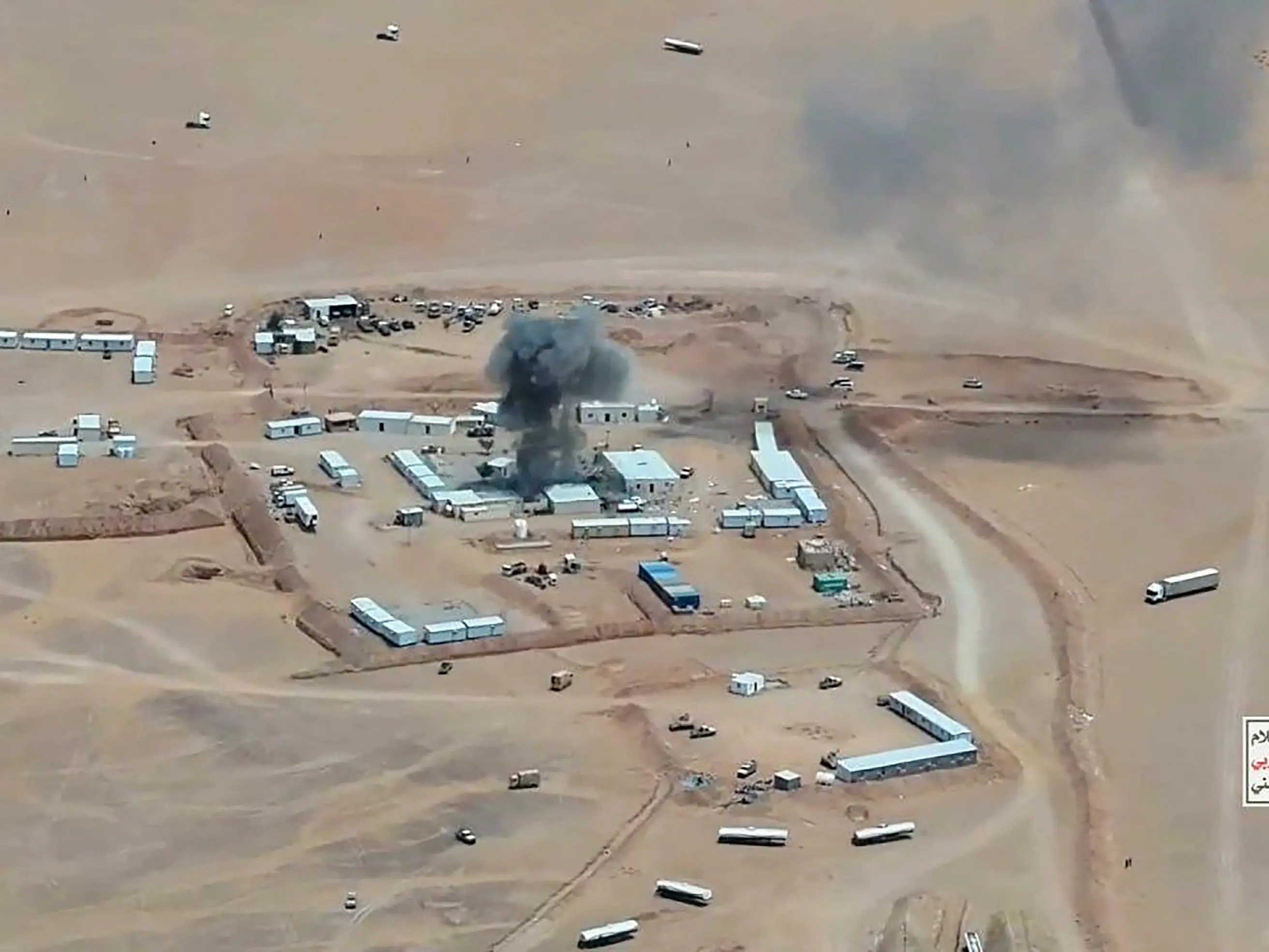
This handout image release by the Iran-backed Houthi forces on September 7, 2026, purportedly show a ballistic missile strike on trucks carrying military equipment from Saudi Arabia to the Al-Wadiah military camp in Yemen’s Hadhramaut province. Photograph: (AFP)
Pakistan Army spokesman Lt Gen Ahmed Sharif Chaudhry said Islamabad would go to “any extent” to defend Saudi Arabia as Houthi attacks disrupt the kingdom’s security and oil shipments through the Bab el Mandeb Strait.
Pakistan will go to “any extent” to defend Saudi Arabia, Army spokesman Lt Gen Ahmed Sharif Chaudhry said, making it clear that Islamabad considers its commitment to the security of the Gulf kingdom “unconditional” amid growing tensions between Riyadh and Yemen’s Houthi forces.
The comments came after the Houthis reported fresh Saudi airstrikes this week, while Saudi Arabia accused the group of launching a “cowardly” attack targeting Mecca, Islam’s holy city, an accusation that triggered strong outrage across the Muslim world.
Speaking to Arab News on Thursday, Chaudhry said Pakistan would stand behind Saudi Arabia “both diplomatically and physically”, as the two countries face a period of heightened regional tensions.
“We will go to any extent for the security of (the two holy sanctuaries) and the kingdom of Saudi Arabia,” he said.
Pakistan, Saudi Arabia and Turkey signed the Mecca Joint Defence Agreement last month, under which the three countries agreed to provide mutual defence if any one of them comes under attack.
The agreement was signed against the backdrop of the war between the United States and Iran, along with attacks across the region by Tehran-backed Houthi forces.
Trending Stories
)
)
)
)
)
&im=FitAndFill=(700,400))
)
)
&im=FitAndFill=(700,400))
)
)
)
)
)
)
&im=FitAndFill=(700,400))
)
)
)
)
)
)
)
)
)
)
)
&im=FitAndFill=(700,400))
)
)
)
)
&im=FitAndFill=(700,400))
)
)
&im=FitAndFill=(700,400))
)
)
)
)
Saudi oil shipments face disruption
The conflict has also affected Saudi Arabia’s exports through the Bab al Mandab Strait, with data showing that weekly traffic through the route since the beginning of August has remained below a third of this year’s seven-day average.
Recent Houthi gains along the Red Sea coast have disrupted shipping through the narrow passage and have particularly affected Saudi exports, while the group now controls the strategic Bab el Mandeb Strait, an important route for Saudi oil shipments.
The wider Middle East war has also disrupted shipping through the Strait of Hormuz, putting further pressure on important regional trade routes.
Data from maritime tracking firm Kpler showed that only five laden vessels carrying Saudi products left the Red Sea through the Bab el Mandeb Strait during the past seven days.
The figure was higher during the week of July 24, when 11 vessels carrying Saudi products passed through the strait after leaving the Red Sea.
Crude shipments have also fallen below their usual levels, with outbound vessels carrying crude, the most frequently transported commodity through the strait, recording below-average traffic over the past seven days.