Why coronavirus impact may be catastrophic for children

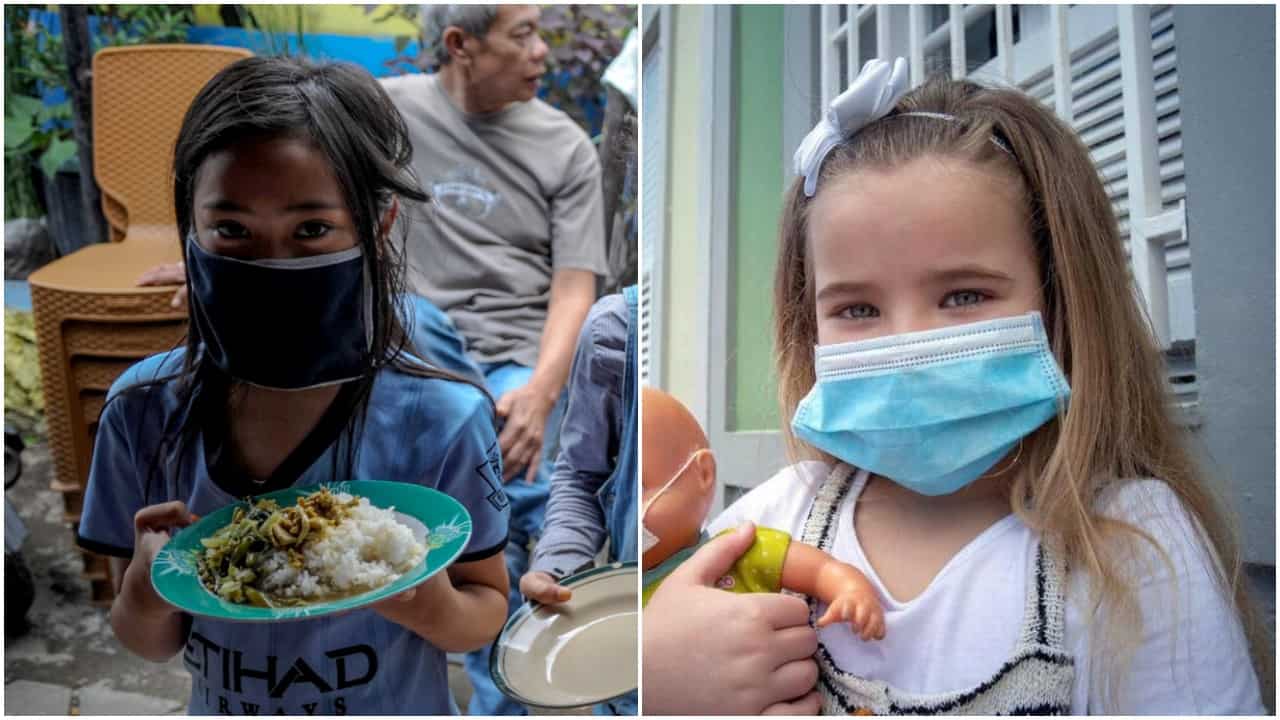
Coronavirus in children
Children face a range of vulnerabilities likely to worsen during the extended the coronavirus-enforced lockdowns across the world.
The risks range from domestic abuse to ill-effects on education -- depending on the metaphysical conditions of the country.
It has been assessed and validated that the number of COVID-19 cases among children remains small, and while some children and infants have been sick with the diseases, adults make up most of the known cases till date. But the number of children infected with the virus is on a constant rise.

Children with the novel coronavirus may be as infectious as adults, studies have found.
A UN report also recently said those badly hit will be children living in slums, refugee and displacement camps, conflict zones, institutions, and detention centres, as well as children with disabilities.
The report pointed to many students being out of school, family stress levels rising as communities face lockdowns, and reduced household income expected to force poor families to cut back on essential health and food expenditures particularly affecting children.
&imwidth=180&imheight=135&format=webp&quality=medium)
Viral video shows cross falling on Colombia priest, no official confirmation | WATCH
&imwidth=180&imheight=135&format=webp&quality=medium)
Gravitas | US attack could trigger WW III: Russian planes in Tehran, Israeli jets, US warships in action
&imwidth=180&imheight=135&format=webp&quality=medium)
Bigg Boss 20: Panchayat's Aasif Khan had a massive heart attack at 34, wife reveals why he lied and called it acid reflux
&imwidth=180&imheight=135&format=webp&quality=medium)
'This is humiliation': Vijay Deverakonda under fire over controversial marriage proposal remark on Koffee With Karan 9
&imwidth=180&imheight=135&format=webp&quality=medium)
US Navy, Marine Corps boards defy Trump's transgender military ban, vote to retain troops
&imwidth=180&imheight=135&format=webp&quality=medium)
Will the US attack Iran this weekend? Trump's envoy says, 'absolutely'
&im=FitAndFill=(700,400)&imwidth=180&imheight=135&format=webp&quality=medium)
Why do army tanks have different types of armour?
&imwidth=180&imheight=135&format=webp&quality=medium)
India-China face-off continues near Arunachal’s Taksing, reveals ITBP chief in first official confirmation of tensions
&imwidth=180&imheight=135&format=webp&quality=medium)
Om Prakash Mathur sworn in as 29th Governor of Keralam, sparks row over vegetarian-only kitchen at Lok Bhavan
&imwidth=180&imheight=135&format=webp&quality=medium)
Nairobi building collapse: Several feared trapped after 16-storey structure crumbles; rescue operation underway
&imwidth=180&imheight=135&format=webp&quality=medium)
Pakistan airline PIA unveils new crew uniforms, faces online criticism
&imwidth=180&imheight=135&format=webp&quality=medium)
Did Neha Bora call for Bangladesh-like GenZ protest, 'anarchy' in India? WION Fact-checks viral claim
&imwidth=180&imheight=135&format=webp&quality=medium)
'Completely insane, never happened': Trump's son-in-law denies allegations of secret dealings with Saudi, UAE
&imwidth=180&imheight=135&format=webp&quality=medium)
India’s 2022 CWG silver medallist Sabbhineni Meghana announces international retirement
&imwidth=180&imheight=135&format=webp&quality=medium)
Horrific video shows the moment 18-year-old fell to her death from Mexico amusement park ride
&imwidth=180&imheight=135&format=webp&quality=medium)
IND-W vs ZIM-W, 1st ODI: Rawal, Charani star in India’s nine-wicket win over Zimbabwe
&imwidth=180&imheight=135&format=webp&quality=medium)
Google Fitbit Air’s new health guardian feature tracks trends: How it works
&imwidth=180&imheight=135&format=webp&quality=medium)
US midterms 2026: Trump revises Canada tariffs as Susan Collins faces tight re-election race in Maine
&imwidth=180&imheight=135&format=webp&quality=medium)
US midterms 2026: Viral video claims Lindsey Graham paid underage men for sex; clip released weeks before his sister's Senate race
&imwidth=180&imheight=135&format=webp&quality=medium)
AI deepfakes are spreading online: Why is removing them so difficult?
&imwidth=180&imheight=135&format=webp&quality=medium)
China's dancing robot turns violent bodyguard, lifts cars and fights intruders - Watch
&imwidth=180&imheight=135&format=webp&quality=medium)
Global cybersecurity alert: PHP flaws trigger website shutdowns as hack attempts surge into millions
&imwidth=180&imheight=135&format=webp&quality=medium)
US start-up claims it turned Mercury into Gold, beats CERN’s 2025 record
&im=FitAndFill=(700,400)&imwidth=180&imheight=135&format=webp&quality=medium)
New Friday OTT releases (October 23, 2026): Gajab Raat, Dorothy, Chaar Yaar- Watch these 6 new movies and TV shows on Netflix, Prime Video and more
&imwidth=180&imheight=135&format=webp&quality=medium)
US midterms 2026: Trump administration sues to block Alaska Senate election certification if Republican Dan Sullivan loses. What's happening?
&imwidth=180&imheight=135&format=webp&quality=medium)
Anthropic security chief issues grim cyberattack warning: ‘It’s going to get a lot worse’
&imwidth=180&imheight=135&format=webp&quality=medium)
Tu Hai Meri Kiran film review: Sonakshi Sinha and Zaheer Iqbal's thriller gets tangled in its own twists
&imwidth=180&imheight=135&format=webp&quality=medium)
First Lady Melania Trump secures ceasefire between Russia, Ukraine in Oleshky: White House
&imwidth=180&imheight=135&format=webp&quality=medium)
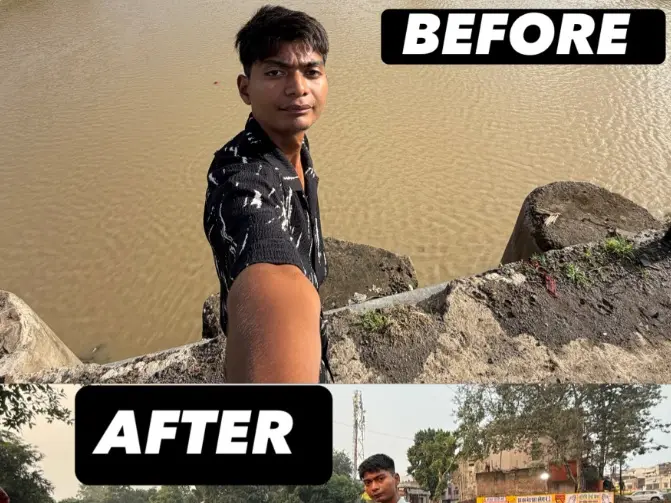
One man, 8 months of work, and a river dirty again: Why Bittu Tabahi may quit
&imwidth=180&imheight=135&format=webp&quality=medium)
Jenna Ortega plans TV break after Wednesday: ‘I want to leave time for new things’
&imwidth=180&imheight=135&format=webp&quality=medium)
Delhi High Court rejects AISA chief Neha Bora’s plea against peace bond notice
&imwidth=180&imheight=135&format=webp&quality=medium)
Emmanuel Macron calls Paris suburb shooting a 'racist terrorist attack' after one killed, several injured
PHYSICAL HEALTH --
A rising number of children in London are becoming ill with a rare syndrome that could be linked to coronavirus. Reported cases show symptoms of abdominal pain, gastrointestinal symptoms and cardiac inflammation with some children testing positive for coronavirus.
To this end, the Paediatric Intensive Care Society UK (PICS) has alerted Britain about a small rise in the number of cases of critically ill children presenting "overlapping features of toxic shock syndrome and atypical Kawasaki disease with blood parameters" -- with some of the children testing positive for COVID-19.
Kawasaki disease, also known as Kawasaki syndrome, is a rare childhood illness that causes the walls of the blood vessels in the body to become inflamed.
The alert added there was a growing concern that a [COVID-19] related inflammatory syndrome is emerging in children in the UK, or that there may be another, as yet unidentified, infectious pathogen associated with these cases.
MENTAL HEALTH --
It has been being reported that children are increasingly complaining of being lonely.
Domestic and emotional abuse, and neglect play a major role in this.
To this end, according to psychologists, the most important advice for parents is to listen and validate their child's feelings.
Psychologists, however, say it is too early to say what the effect of long-term social distancing might have on only children. There has not been an academic study as yet.
EDUCATION --
Scientists have also cautioned against the reopening of schools after findings suggested children could be as infectious as adults.
A study found that even though children tended to have milder symptoms, those infected appeared to have the same levels of circulating virus in their body as adults. This suggests schools and nurseries could act as hubs of COVID-19 transmission if current restrictions are lifted.
Unicef had earlier warned that the low number of vulnerable and disadvantaged pupils attending UK schools was "deeply concerning".
Unicef’s views were echoed by the UK’s Equality and Human Rights Commission (EHRC), which issued a stern warning that GCSE and A-level grade assessments this summer should not unfairly penalise children from minority ethnic backgrounds, as well as disabled pupils and those with special educational needs.
To this end, Unicef has also published joint guidelines, with Unesco, the World Food Programme and the World Bank, on how local and national governments can best keep children safe when schools reopen.
As many as 188 countries have imposed countrywide school closures, affecting more than 1.5 billion children and young people. This also implies that nearly 369 million children in 143 countries who rely on school meals for daily nutrition must now look to other sources.
A small respite is the concept of e-learning. Some schools are offering online learning, but children without access to the internet and in countries with slow and expensive services are severely disadvantaged.
HUNGER AND CHILD LABOUR --
According to a report, more than seven million children in Afghanistan are at risk of hunger as food prices soar due to the pandemic.
The UN recently included Afghanistan in a list of countries at risk of famine.
Save the Children said the price of food was rising just at the time when children needed adequate daily nutrition to help strengthen their immune systems.
Also, in some parts, the growing rate of unemployment may force children into child labour, some experts predict.