South Korea investigations threaten North Korea's 'underground railroad'

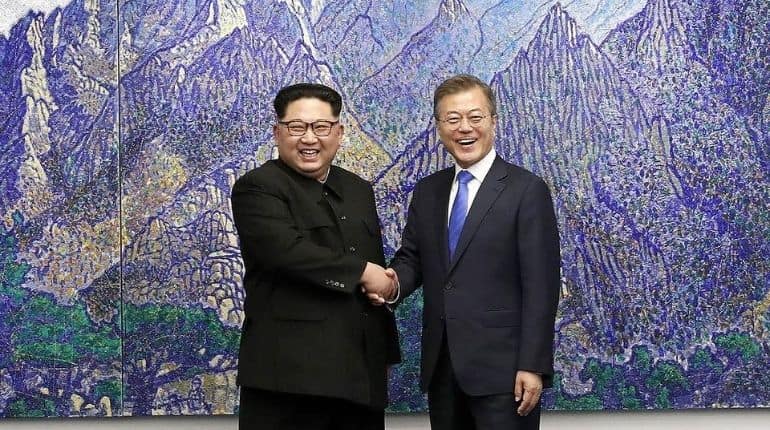
North and South Korea
A combination of anunprecedented pressure campaign andcoronavirus border closures and an by aSouthKorean government keen to engage with NorthKoreamay destroy networks defectors have long used to start new lives, activist groups say.
SouthKorea's Unification Ministry said last month it will "inspect" 25 defector-run NGOs, citing their failure to file necessary documents, and check if 64 others are following conditions to stay registered. On Wednesday, the ministry expanded the investigation to a total of 289 organisations.
The sweeping probe comes asSouthKorean President Moon Jae-in's administration strives to restart dialogue and economic projects with Pyongyang, which is under strict international embargoes due to its nuclear weapons programme.

The ministry has already revoked the licenses of two defector groups that were sending anti-Pyongyang propaganda into the North, following complaints from NorthKorea.
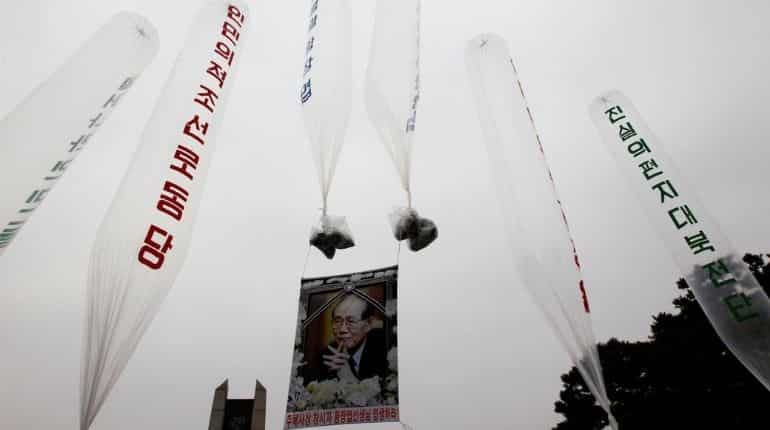
FILE PHOTO: A portrait of deceased NorthKorean defector Hwang Jang-yop is hung on balloons as former NorthKorean defectors and anti-NorthKorean activists prepare to release them towards the North, near the demilitarized zone separating the twoKoreas in Paju, north of Seoul, October 10, 2011. REUTERS
)
IND vs JPN one-off T20I: India survive scare from Japan to win five-over a side match by 2 runs
)
Putin's United Russia party wins 355 seats in Duma election; 4 other parties cross threshold to enter parliament
)
AI models chose to harm humans to stop ‘pain,’ alarming study raises fresh safety questions
)
‘0% chance’: Nvidia CEO Jensen Huang dismisses AI extinction fears by 2030
)
Samay Raina-Mukesh Chhabra controversy explained: What happened over girlfriend joke on India's Got Latent?
)
Trump's helipad event overshadowed by audio failure as major TV networks suspend pool coverage
)
'Needs time away from the international scene': England white-ball captain Brook on pacer Brydon Carse's future
)
New Zealand farms shift to carbon forests: Carbon credits fuel a land rush reshaping rural life
)
Anti-AI activists storm summit, say 'incompetent' leaders are leading us into a disaster - 'We need a vote'
)
Samsung raises Galaxy S26 prices by Rs 20,000: Here’s what each model now costs
)
J&K Assembly Session begins amid chaos: BJP, ruling alliance clash as statehood demand dominates
)
Asian Games 2026: India women's cricket team beats Sri Lanka by 147 runs for first gold
)
Key accused in Bihar's Jamui molestation case, arrested after police shoot him in leg
)
Randeep Hooda arrives in Gujarat for his first National Film Award: ‘Very grateful’
)
US and China vie for AI dominance as calls grow for regulation | Gravitas
&im=FitAndFill=(700,400))
Anant Nag to recieve Dadasaheb Phalke Award: From Ankur to Nishant- Revisit his best films and iconic performances on OTT
)
UK banks are rethinking financial crime detection because of algorithm
)
FIFA chief Infantino wants to reform governing body with consultation from federations
)
India at UNGA81: Jaishankar warns global order under 'growing stress', pushes for ‘reformed multilateralism’
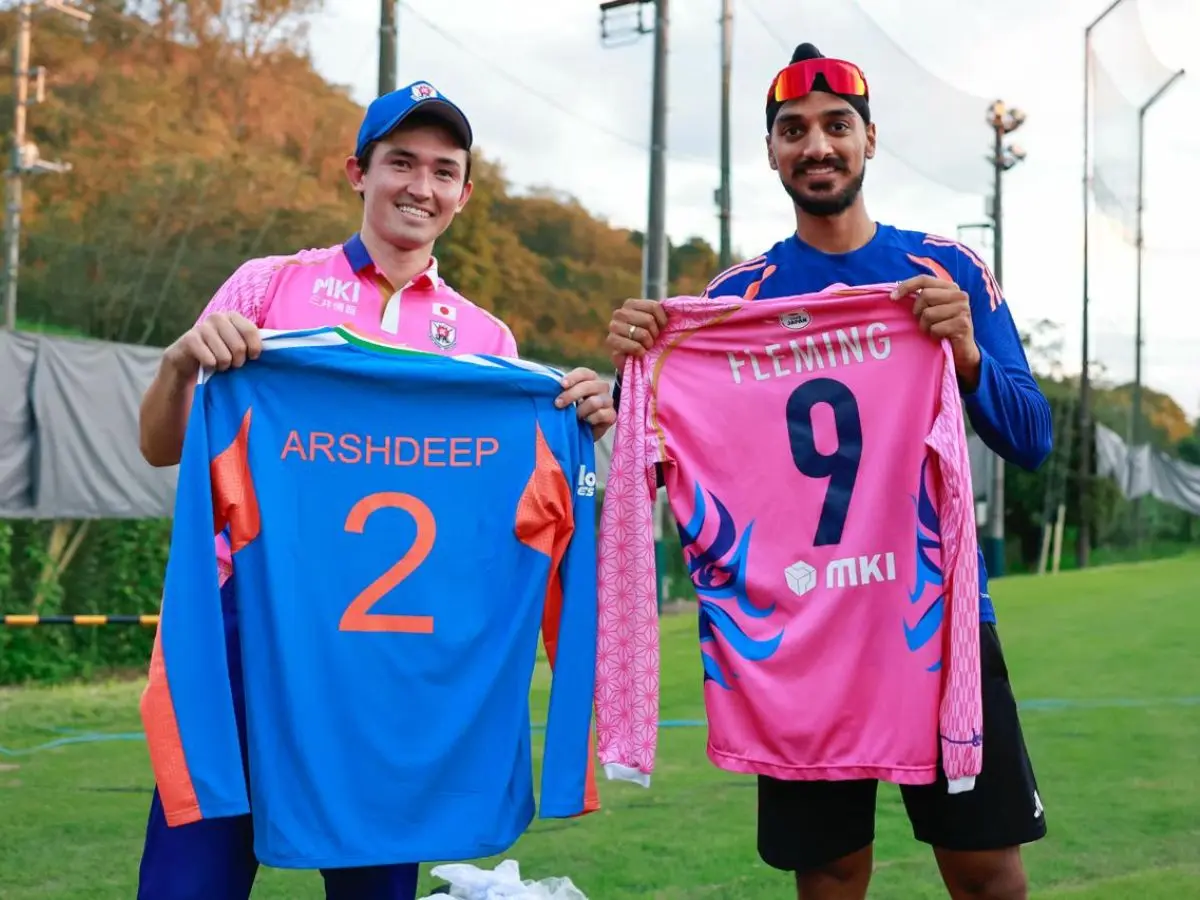)
IND vs JPN, one-off T20I: Japan captain Kendel on pushing India to the brink - ‘It was special’
)
Raaka creates history! Allu Arjun’s film secures Guinness World Record ahead of release
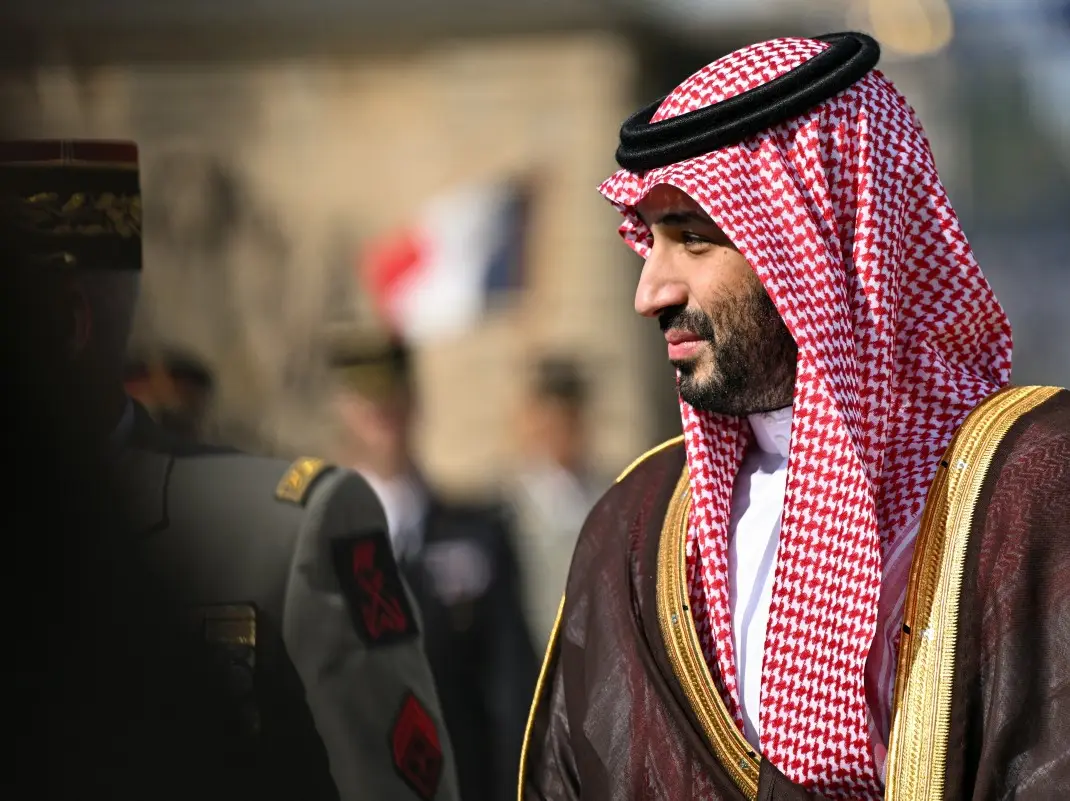)
Saudi Arabia exits China-led mBridge digital currency platform amid Saudi-Houthi conflict
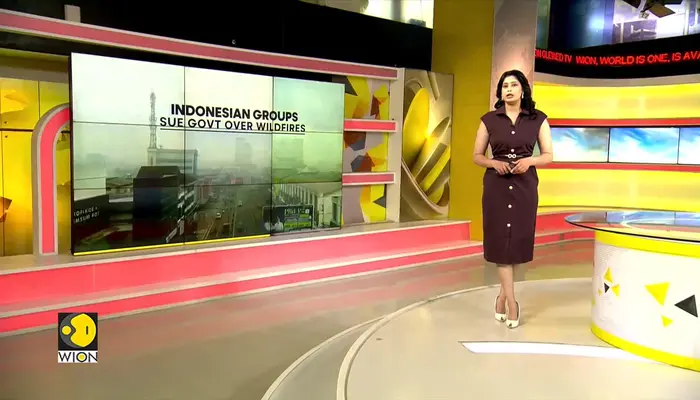)
Indonesian groups sue govt over wildfires as haze crosses borders, nearly 900,000 hectares burned
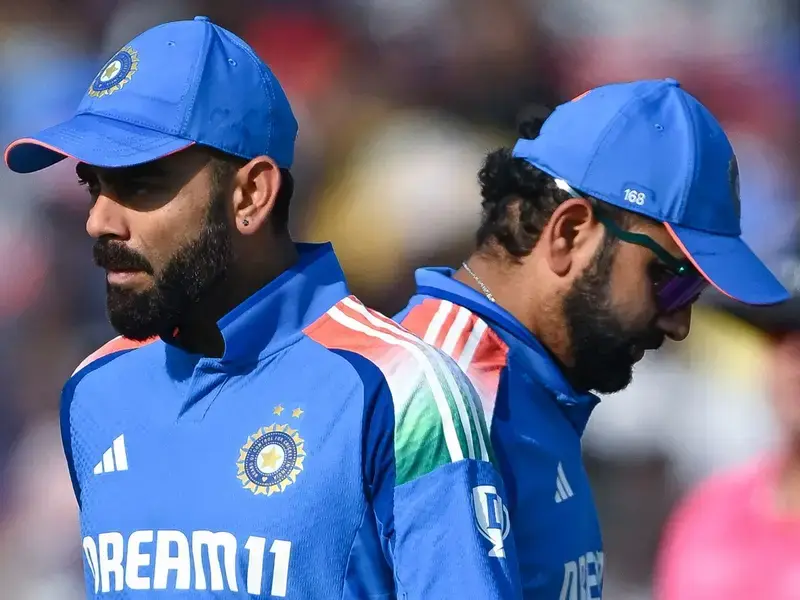)
'Lot of things to learn from experienced players': Jayasuriya backs Rohit, Virat for 2027 ODI World Cup
)
$110 billion Warner Bros merger: Paramount reaches settlement with 12 US states
&im=FitAndFill=(700,400))
New OTT releases this week (September 21-27, 2026): Shaque: Trust No One, Hunkkaar, Don’t Be Shy- 5 new titles coming to Netflix, Prime Video and more
)
From ‘communist’ to ‘great mayor’: Trump praises Mamdani after New York meeting, discusses immigration and housing
)
Report: Zelensky meets CIA chief Ratcliffe at Shannon airport, weeks after his secret Moscow trip
)
How Zaheer Khan came to be CSK's head coach of IPL 2027
)
Pilot recreates Mona Lisa in sky over Oklahoma and Arkansas in four-hour flight: VIDEO
)
UK PM Burnham agrees to 'defensive' military support for Saudi Arabia against Houthis
)
Jailer 2: Vidya Balan joins Rajinikanth's upcoming film as Kantha | Watch
)
Microsoft executive called AI training the ‘largest theft of labour in human history’
&im=FitAndFill=(700,400))
National Film Awards 2026: Kartik Aaryan, Mammootty, Yami Gautam, Randeep Hooda and other key winners
)
40-foot waves crash into cruise ship in dangerous stretch near Antarctica. Watch
)
US-Iran war, peace deals and more: What to expect from Trump's UNGA 2026 speech
)
Explainer: Why rare-earth export licences and Board of Trade are US priorities ahead of Trump-Xi summit
)
Two infants die after fire breaks out at RIMS newborn care unit in Telangana's Adilabad
)
Rs 1.1 crore flying saucer: Chinese company selling spherical aircraft that can land on water
Only a handful of NGOs have been investigated since 1998, and just one other has previously been stripped of its license. Without a license, the organisations cannot get tax exemptions and hold fundraisers, though donations are still allowed.
Some 30 NGOs joined forces to issue a statement urging the ministry to halt what they called a "discriminatory crackdown".
Many of the groups have for decades worked with Seoul behind the scenes to bring defectors to theSouthvia an informal network of brokers, charities and middlemen dubbed the NorthKorean "Underground Railroad".
Hired and funded by the NGOs, the intermediaries work as guides and offer shelter for defectors during their long, dangerous journey across China intoSoutheast Asia.
This year, the number of defectors arriving inSouthKoreaplummeted to an all-time low at 147 as of June, mainly because the North closed borders on coronavirus concerns.
Moon's administration had already sharply cut funding and now the investigations are scaring away donors, activists said.
Several NGOs told Reuters the defector networks may never recover, even when borders reopen.
"Even if the investigation ends up with nothing, rescue networks would mostly be dismantled, defection routes gone and the NGOs closed by then," said Lee Young-hwan, the founder of the Transitional Justice Working Group, which works with defectors.
Unification Ministry spokesman Yeo Sang-gi said the investigation does not target defectors and was designed to ensure the NGOs follow rules.
Activists say Moon's administration has been less helpful than previous governments in navigating the delicate diplomacy to ensure defectors are not caught and forcibly repatriated to the North.
When 13 defectors were detained in Vietnam last year, U.S. diplomats came to rescue instead ofSouthKorean authorities, two sources familiar with the matter said.
Ji Seong-ho, a defector-turned-lawmaker who previously ran a rescue network, said he managed to help another group of refugees caught in China get toSouthKorea, despite little help from Seoul officials.
Ji was astounded more than six months later when the officials said they were still striving to free the group.
"I was speechless," Ji said. "Government involvement may not always be successful, but how would they get the defectors released without even knowing where they were? In fact, they were already living well here."
A foreign ministry official said the government remains fully committed to defector support but some countries' relations with NorthKoreacould complicate its efforts, without elaborating on the two cases.
WhenSouthKorealast year repatriated two NorthKorean sailors, calling them dangerous criminals who had killed 16 colleagues, some defectors feared they could be sent back, said Lim Il, a novelist who defected in 1997.
A coalition of 21 Seoul-based NGOs sent a petition to the United Nations last month, requesting a review of Moon's policies. Human Rights Watch and others urged Seoul to halt what they called a "political crackdown".
Imesh Pokharel, who oversees the U.N. rights agency's Seoul office, said any restrictions on the freedom of expression must be "proportionate and necessary," calling for Seoul to work with the NGOs to promote NorthKoreans' rights.