Largest and oldest Mayan temple revealed through laser mapping technique

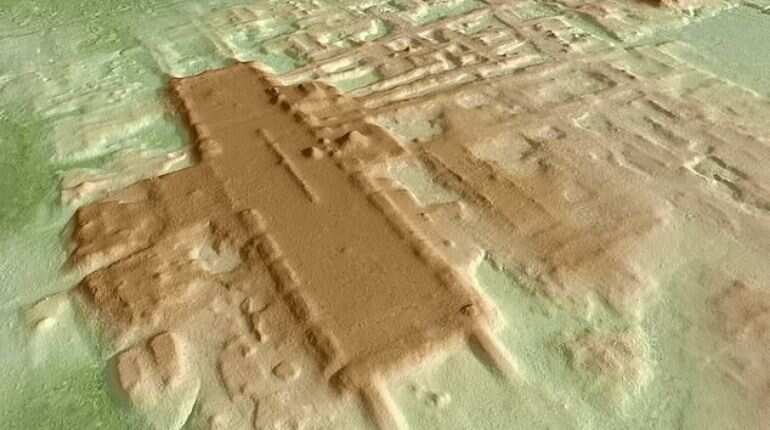
Aguada Fenix
A 3,000-years-old Mayan temple has been discovered inMexico through laser mapping technique, making it the ancient civilisation's oldest and largest monument.
The temple site in Tabasco, Mexico, was discovered by international team archaeologists led by the University of Arizona during an expedition in 2017.
In pictures: Temple remains and idol residues found in Ayodhya

The site, called Aquada Fenix, is 4,600 feet long and up to 50 feet high, making itlarger than the Mayan pyramids and palaces of later periods.
It was built between 800 BC and 1,000 BC, according to the team behind the discovery.

An aerial view of the southwestern part of the Aguada Fenix main plateau|Image courtesy:University of Arizona
)
The Early Spring is proof not everyone can talk about their real feelings, and it is perfectly OK
)
UN votes to ‘correct the map’ as India backs fairer world view
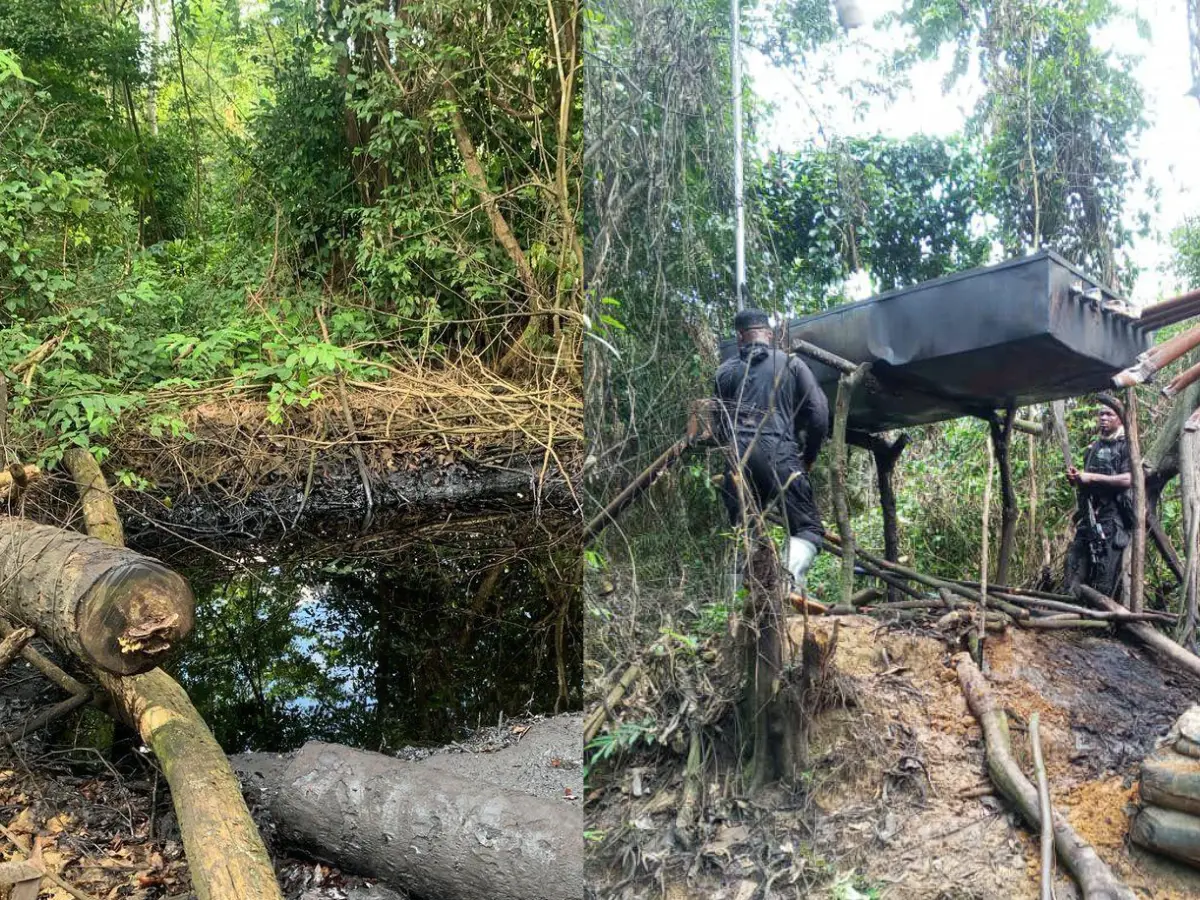)
Nigerian Navy discovers 99,000 litres of suspected stolen, illegally refined products as it intensifies anti-crude oil theft operations
)
Who is Aditi Paudel? 17-year-old becomes Japan's first literacy ambassador
)
Bengaluru: Officials find 40 kg expired chilli at chairman's club
)
Jaishankar rejects trade link to ending Ukraine war
)
Israeli strikes on Lebanon kill three, injure 23 despite truce
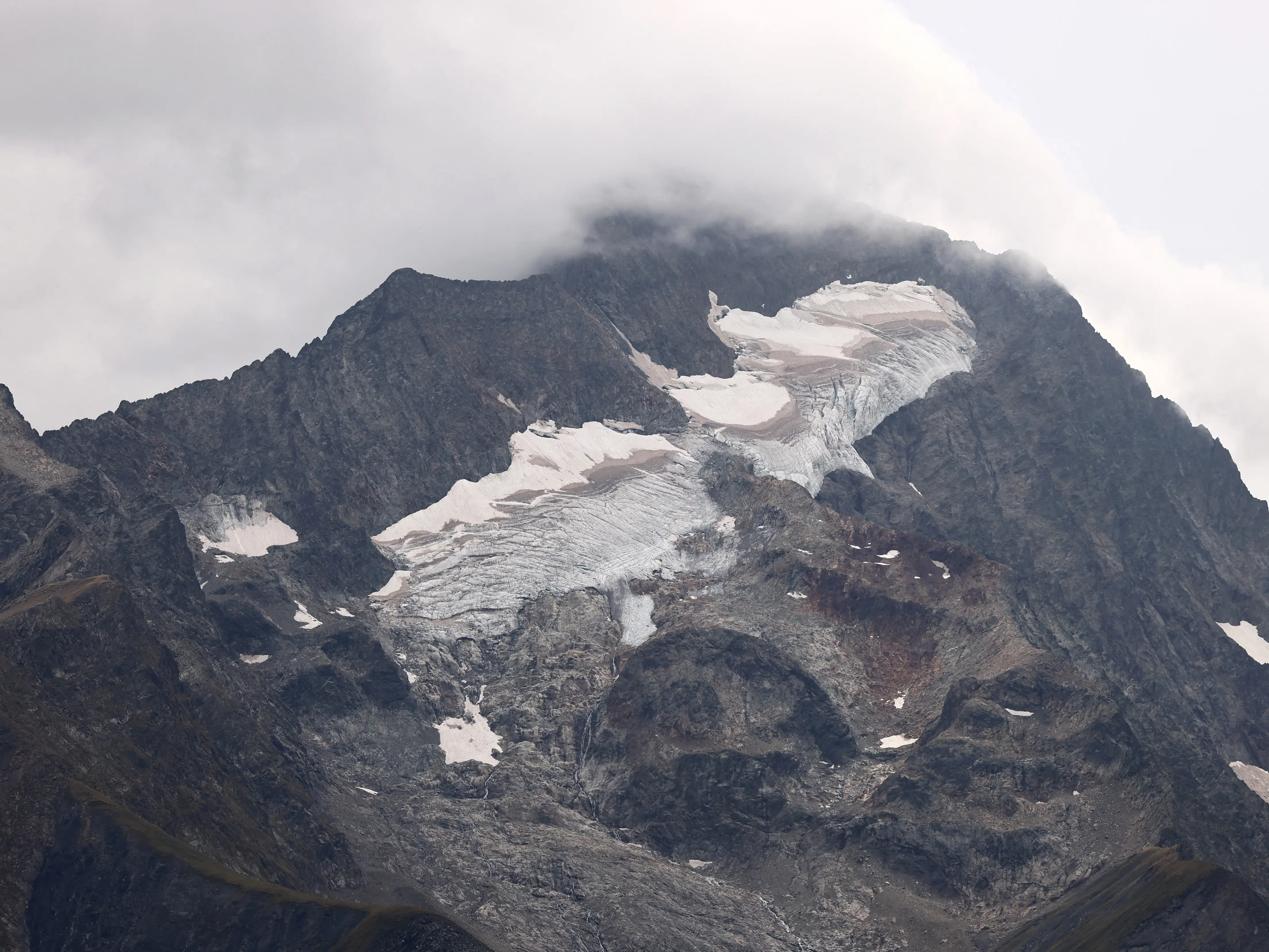)
Alpine glacier was covered with sheep wool sheets to prevent melting. It worked
)
South Korea mulls deploying military assets to Strait of Hormuz
)
World's fifth-largest economy, British army can't afford to train
)
Breaking | Vance takes the podium: First White House briefing since Leavitt's exit
)
Taiwan raises 'concerns' over China's missile test
)
BRICS 2026: $1 trillion sovereign capital set to converge in Delhi for first iBRICS Summit
)
What is Iran's Pickaxe Mountain that Trump has again threatened to bomb?
)
UN votes to correct world map that visually shrank Africa for 450 years
)
Former NewJeans member Danielle launches YouTube channel, hints at new solo journey
)
Bangladesh batter Towhid Hridoy creates history with 350 not out in South Africa
)
Brendan Fraser’s transformation fuels The Mummy 4 excitement as fans welcome back Rick O’Connell
&im=FitAndFill=(700,400))
Krishna Janmashtami 2026: From Dhaniya Panjiri to Makhana Kheer- 5 best sweet dishes perfect for celebrating Lord Krishna’s birth
)
Donald Trump plans to travel to Ireland on Qatari-donated jet amid security concerns
)
Nazi-looted art to return to Jewish heirs
)
Eight killed in Kerala’s Thrissur after car rams into lorry parked on highway
&im=FitAndFill=(700,400))
Why Russian fighter jets use bulky, low-pressure tyres compared to US jets
)
FBI-wanted fraud accused arrested in Jalandhar over $600,000 scam
&im=FitAndFill=(700,400))
Why US tanks weigh over 20 tons more than Russian tanks
&im=FitAndFill=(700,400))
New Friday OTT releases (September 4, 2026): GDN, Dhamaal 4, Jagamae Sangeetham- Watch 6 new movies and TV shows on Netflix, Prime Video and more
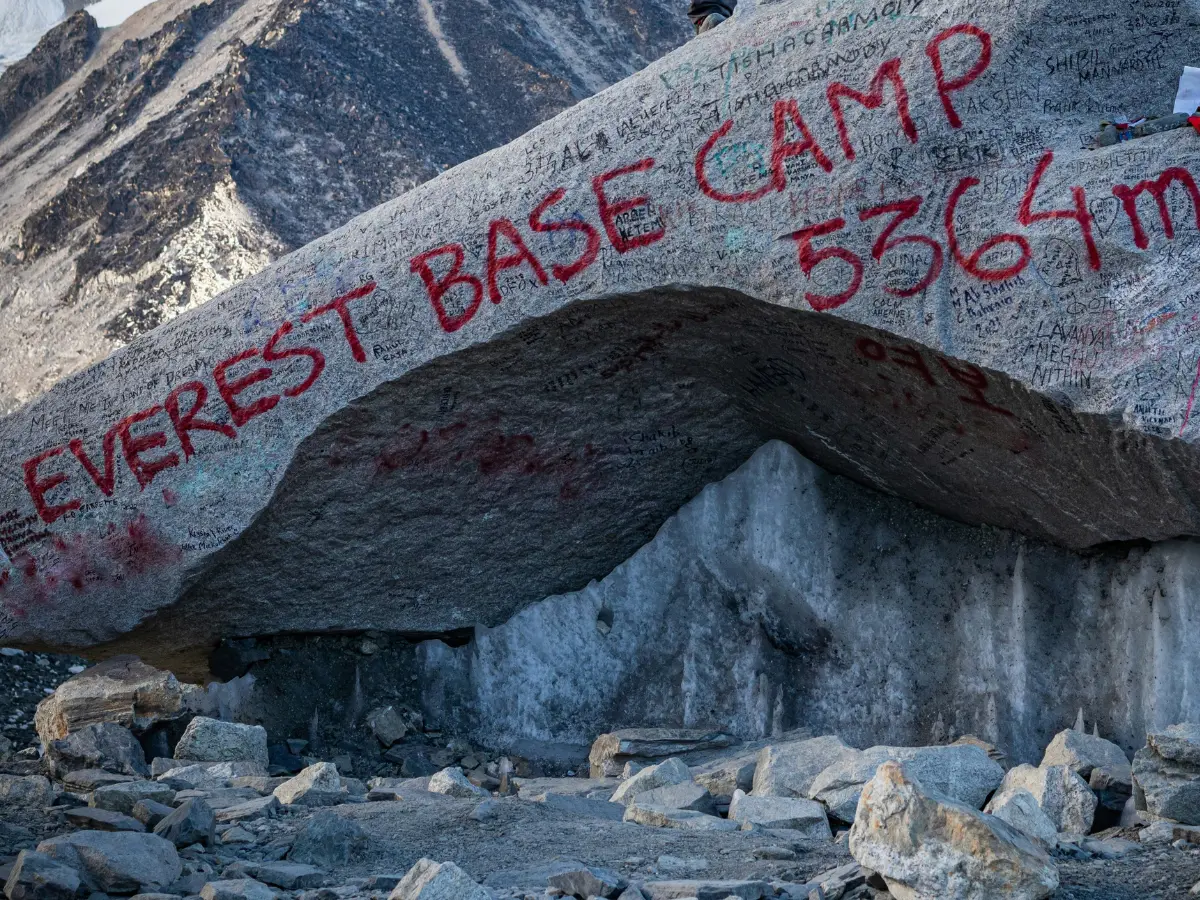)
Killing the Himalayas slowly: Human urine is melting a glacier on Mount Everest
It was found by University of Arizona archaeologistsusing aerial lidar images.
A new remote-sensing technique called lidar, or light detection and ranging, can produce detailed models of any terrain, revealing secrets usually hidden by tree canopy and forest.
This laser mapping is increasing the speed and scale of archeological discoveries and has now revealed the earliest and largest ceremonial structure ever built by the Maya, covering more ground than the Great Pyramid at Giza, Egypt.
"It is so huge horizontally that if you walk on the site, it looks like a part of natural landscape. You would not recognize its rectangular shape. But in lidar it came out nice," said Takeshi Inomata, a professor of anthropology at the University of Arizona and the lead author of a paper on the discovery, which published Wednesday in thejournal Nature.
"Without lidar, we probablywould recognizethe importance of this site eventually. But it would have taken many seasons of laborious mapping on the ground," he said.
One of the most remarkable revelations from the find was the complete lack of stone sculptures related to rulers and elites, such as colossal heads and thrones, that are commonly seen in other Mayan temples.
This suggests that the people who built it were more egalitarian than later generations of Mayans.
The huge elevated platform stands 10 to 15 meters above the surrounding area with nine causeways extending from the platform.
Inomata said its volume, 3.8 million cubic meters, is larger than the Great Pyramid of Giza, Egypt (2.6 million cubic meters) although it's much shorter than the pyramid.

Axes excavated from the site, which date back to 1,000-700 BC|Image courtesy:University of Arizona
The platform would have been used for for rituals and the team found jade axes and other precious objects in its center, said Inomata.
The team then excavated the site and radiocarbon-dated 69 samples of charcoal to determine that it was constructed sometime between 1,000 to 800 B.C.
Until now, the Mayan site of Ceibal, built in 950 BC, was the oldest confirmed ceremonial centre dating back to the Mayan period in South America.