Is US not paying soldiers fighting against Iran? 'Conflict vs war' debate amid widow's claim of not getting benefits

&imwidth=600&imheight=450&format=webp&quality=medium "Is US not paying soldiers fighting against Iran? 'Conflict vs war' debate amid widow's claim of not getting benefits")
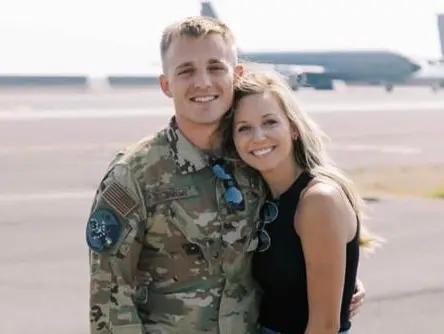
US Air Force widow Libby Klinner questions US military benefits Photograph: (FaceBook/Libby Klinner Teaching)
US Air Force widow Libby Klinner questions US military benefits after her husband’s death, sparking debate over combat pay, war classifications and support for families
The widow of a US Air Force major has raised concerns over how military benefits and combat classifications are communicated to families after the death of her husband during a US military operation in Iraq. Libby Klinner, whose 33-year-old husband, Major Alex Klinner, was killed in March, said she was initially told that she was not eligible for additional benefits because Congress had not formally declared war.
Major Klinner was one of six crew members aboard a KC-135 refuelling aircraft that crashed in western Iraq while supporting US strikes against Iran. Since the conflict with Iran started more than six months ago, 18 US service members have reportedly been killed and 780 wounded. “My husband lost his life because we’re in a war, and then I was told that because it’s not technically a war, we lose out on something,” Ms Klinner was quoted as saying to the Associated Press. “It all comes down to principle.”
Her comments were widely shared online, prompting the US Air Force to clarify the situation. Officials said Major Klinner's final pay cheque had included hazard pay and combat-related tax benefits. US officials also acknowledged that the family had initially received incorrect information. They said his final pay cheque included “combat pay”, worth $225 a month, although it had been incorrectly itemised. The payment was not dependent on Congress issuing a formal declaration of war.
“What this experience made clear to me is how difficult it can be for a grieving family to navigate classifications, terminology and government processes at the very moment we are least equipped to do so,” Ms Klinner said in a statement. “No Gold Star family should have to become an expert in government language to understand what they are entitled to. Alex understood the risks that came with his service, and he trusted that if the worst happened, his family would be taken care of.”
What is the eligibility of military compensation?
Trending Stories
&imwidth=280&imheight=210&format=webp&quality=medium)
&imwidth=280&imheight=210&format=webp&quality=medium)
&imwidth=280&imheight=210&format=webp&quality=medium)
&imwidth=280&imheight=210&format=webp&quality=medium)
&imwidth=280&imheight=210&format=webp&quality=medium)
&imwidth=280&imheight=210&format=webp&quality=medium)
&imwidth=280&imheight=210&format=webp&quality=medium)
&imwidth=280&imheight=210&format=webp&quality=medium)
&imwidth=280&imheight=210&format=webp&quality=medium)
&imwidth=280&imheight=210&format=webp&quality=medium)
&imwidth=280&imheight=210&format=webp&quality=medium)
&imwidth=280&imheight=210&format=webp&quality=medium)
&imwidth=280&imheight=210&format=webp&quality=medium)
&imwidth=280&imheight=210&format=webp&quality=medium)
&imwidth=280&imheight=210&format=webp&quality=medium)
&imwidth=280&imheight=210&format=webp&quality=medium)
&imwidth=280&imheight=210&format=webp&quality=medium)
&imwidth=280&imheight=210&format=webp&quality=medium)
&imwidth=280&imheight=210&format=webp&quality=medium)
&imwidth=280&imheight=210&format=webp&quality=medium)
&imwidth=280&imheight=210&format=webp&quality=medium)
&im=FitAndFill=(700,400)&imwidth=280&imheight=210&format=webp&quality=medium)
&imwidth=280&imheight=210&format=webp&quality=medium)
&im=FitAndFill=(700,400)&imwidth=280&imheight=210&format=webp&quality=medium)
&imwidth=280&imheight=210&format=webp&quality=medium)
&imwidth=280&imheight=210&format=webp&quality=medium)
&imwidth=280&imheight=210&format=webp&quality=medium)
&imwidth=280&imheight=210&format=webp&quality=medium)
&imwidth=280&imheight=210&format=webp&quality=medium)
&imwidth=280&imheight=210&format=webp&quality=medium)
&imwidth=280&imheight=210&format=webp&quality=medium)
&imwidth=280&imheight=210&format=webp&quality=medium)
Eligibility for different forms of military compensation can depend on several factors, including deployment status and duty location. As a result, service members' pay can change repeatedly during the year, potentially creating confusion and administrative errors. Klinner said her experience should prompt a broader discussion about ensuring military families receive clear and accurate information when they are dealing with the loss of a loved one.
“I want the conversation to focus on making sure every family facing an unimaginable loss has that same clarity from the start,” said Klinner. “Getting this right for the families left behind isn’t a footnote, it’s part of how we honour the service and sacrifice of those we lost.”
US Vice President JD Vance was questioned about the case during a White House briefing on Thursday. “We want to be as helpful as we can and ensure she gets everything that she is entitled to,” he said. “My message to her would be, ‘We love you, we’re grateful for the sacrifice and we very much take very seriously our commitment to get you what you need to get.’”
Asked whether US operations against Iran should be described as a war, Vance rejected the terminology, saying there was “no active shooting”. President Donald Trump has also repeatedly referred to the military campaign against Iran as a war. However, he backed Vance's position on Friday and described the strikes as “intermittent”.
He said “A lot of people don’t call it a war. I call it a military conflict, because it’s small potatoes for us.” The dispute over terminology comes amid wider complaints from military families about how the Pentagon has classified injuries suffered by US personnel during operations against Iran.
Some families have alleged that the extent of injuries has been downplayed and that wounded personnel have not always been treated as combat casualties. The US Army has denied those claims. The US military has generally been cautious about releasing detailed information about injuries. US Central Command is not required to disclose such information in cases where personnel return to duty relatively quickly.
Trump has also met with relatives of US service members killed during military operations, including the parents of 25-year-old Lt Tyler James Feehan. “He talked to me as a mother who lost her son,” said Shari Feehan, Lt Feehan’s mother. “He saw the devastation. He witnessed that, and so he knows.”

