Is Trump winning after strikes on Tehran or will his Iran gamble backfire?

&imwidth=600&imheight=450&format=webp&quality=medium "Is Trump winning after strikes on Tehran or will his Iran gamble backfire?")
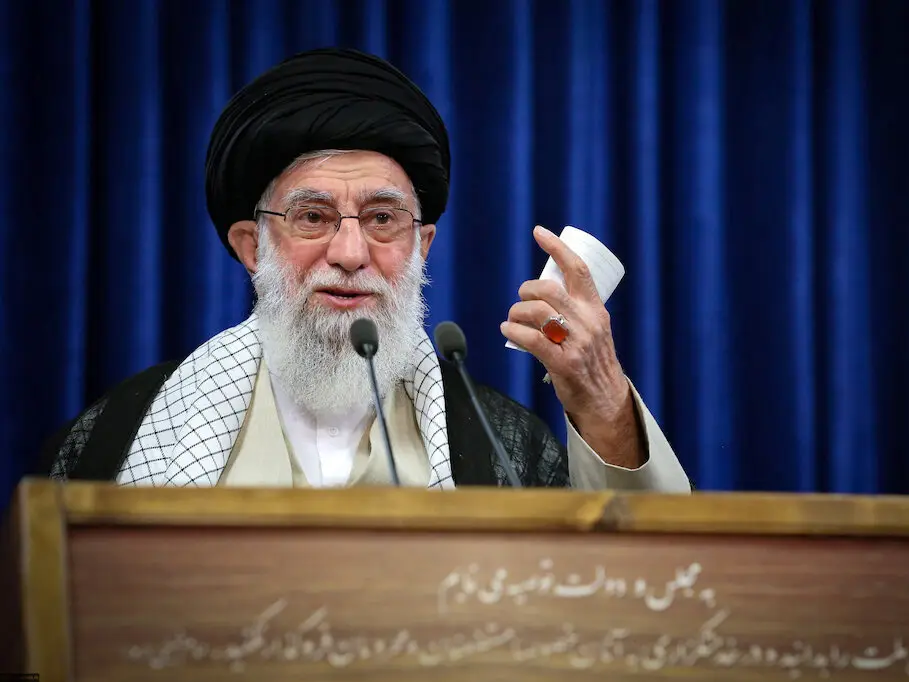
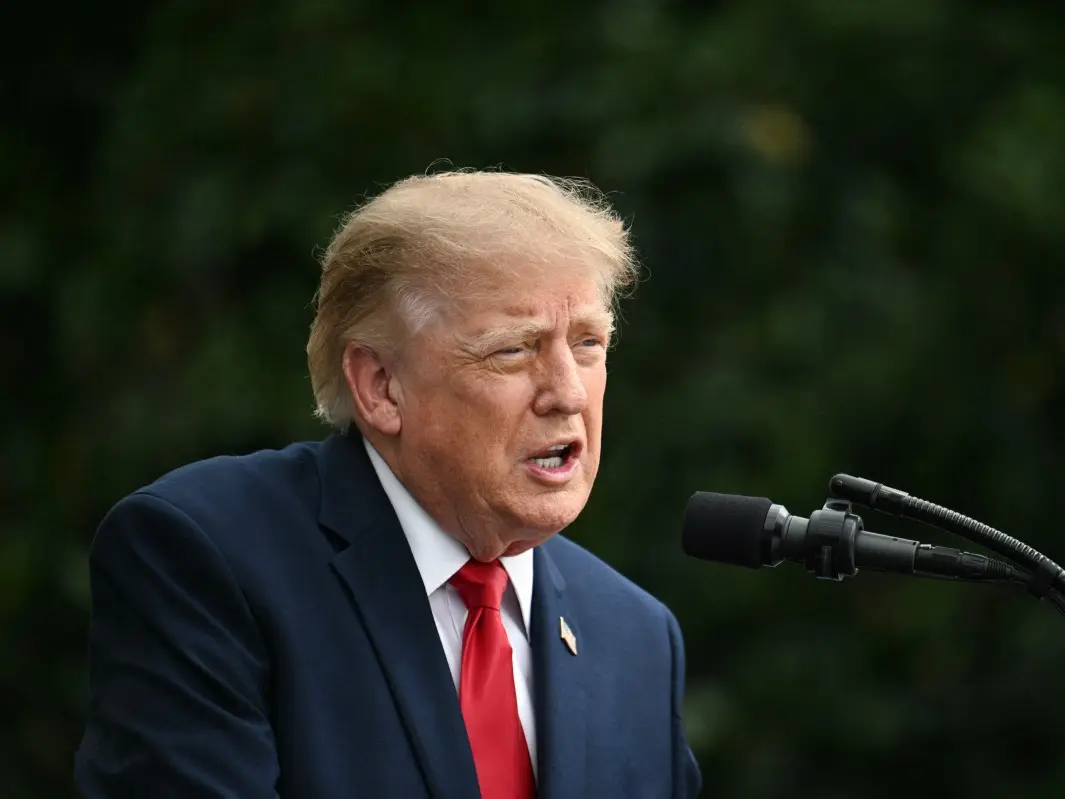
Is Trump winning after strikes on Tehran or will his Iran gamble backfire? Photograph: (AFP)
Donald Trump’s Iran strike risks regional chaos or regime change after the US president announced that Khamenei was killed, reshaping Middle East power dynamics
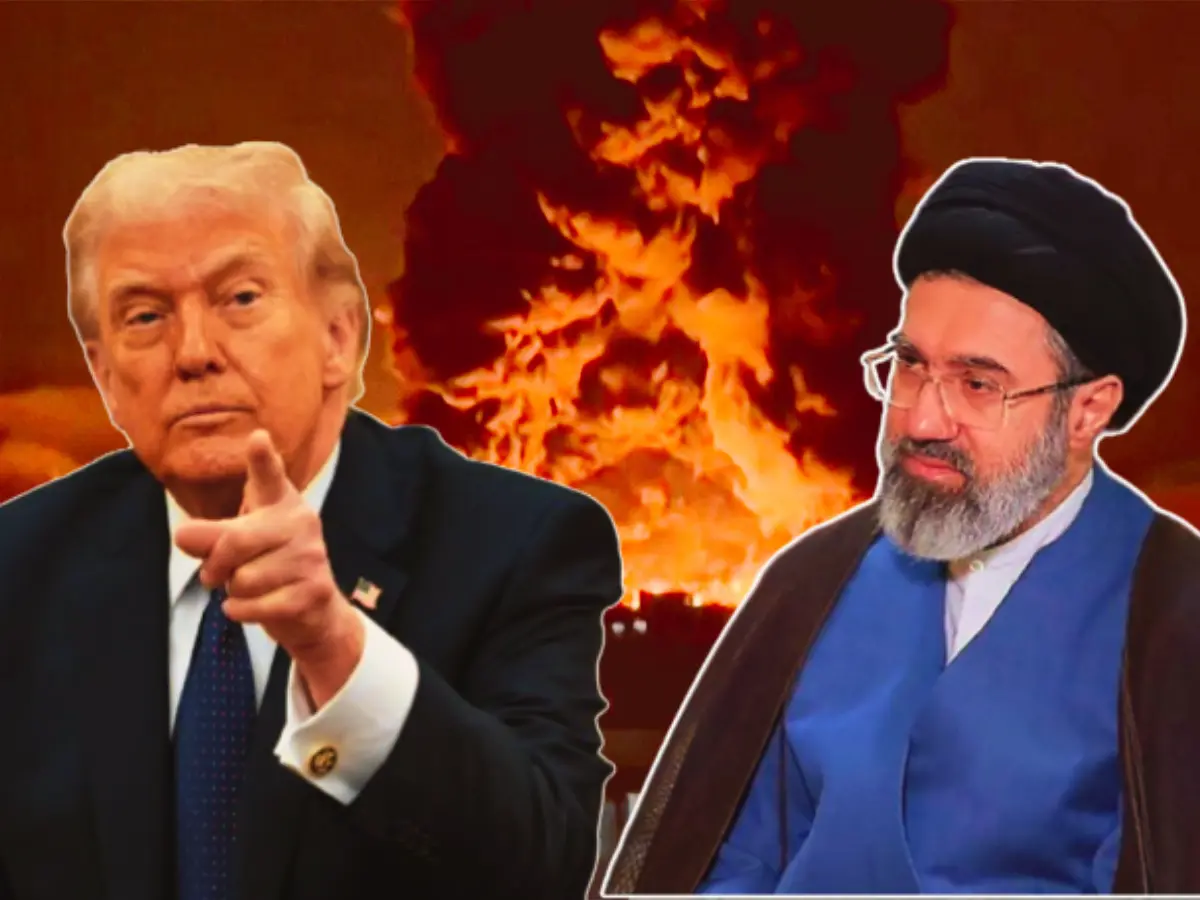
US President Donald Trump has taken one of the boldest risks of his presidency, launching a sweeping US air assault on Iran with limited groundwork laid at home for the consequences of a potentially prolonged Middle East conflict. If reports of the death of Iran’s Supreme Leader Ali Khamenei prove accurate, the strike could trigger a historic turning point. The removal of the Islamic Republic’s most powerful figure may open the door to the collapse of a regime long accused of brutally suppressing dissent, including crackdowns that left thousands dead during protests in recent months.
“This is the single greatest chance for the Iranian people to take back their Country,” Trump wrote on Truth Social after backing Israeli reports that Khamenei, whom he called “one of the most evil people in history”, was killed in an airstrike. Iran’s Foreign Ministry had earlier insisted that Khamenei was safe. The potential death of Khamenei, successor to Ruhollah Khomeini, architect of the 1979 revolution, would represent a political earthquake inside Iran. It could fracture the authority of the clerical establishment that transformed the country into a theocratic state governed by hardline Islamists.
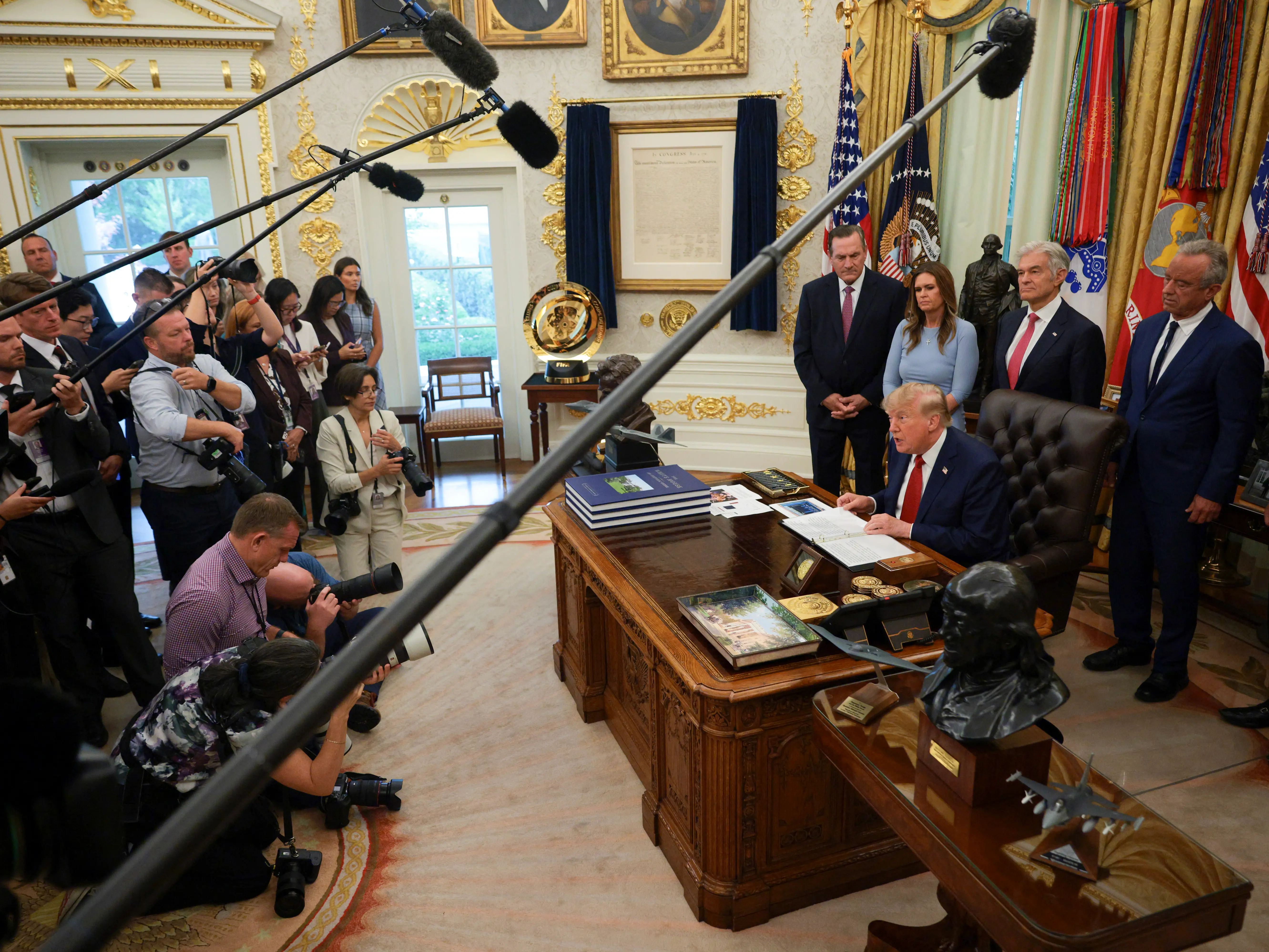
Yet the central question remains unresolved: would eliminating senior leadership spark genuine reform, or unleash chaos that tightens repression and destabilizes the country further? Trump told NBC that the attacks had “inflicted tremendous damage.” “At some point they’ll be calling me to ask who I’d like (as leader),” Trump said, adding, “I’m only being a little sarcastic when I say that.”
A familiar gamble, a new opening
US efforts to halt Iran’s nuclear ambitions are not new. For decades, Washington and its allies have tried to curb Tehran’s missile development and regional proxy network. What differentiates this moment, analysts argue, is Iran’s perceived vulnerability. Economic strain from sanctions, domestic unrest, and Israeli strikes against regional allies such as Hezbollah and Hamas has weakened Tehran’s posture. Trump has repeatedly framed the conflict as both a strategic necessity and a moral reckoning, arguing that Iran’s leadership bears responsibility for American casualties over decades of confrontation.
Trending Stories
)
)
)
)
)
)
)
&im=FitAndFill=(700,400))
)
)
)
)
)
)
)
)
)
)
)
&im=FitAndFill=(700,400))
)
)
)
)
)
)
)
)
)
&im=FitAndFill=(700,400))
)
)
)
)
)
)
)
)
Escalation risks
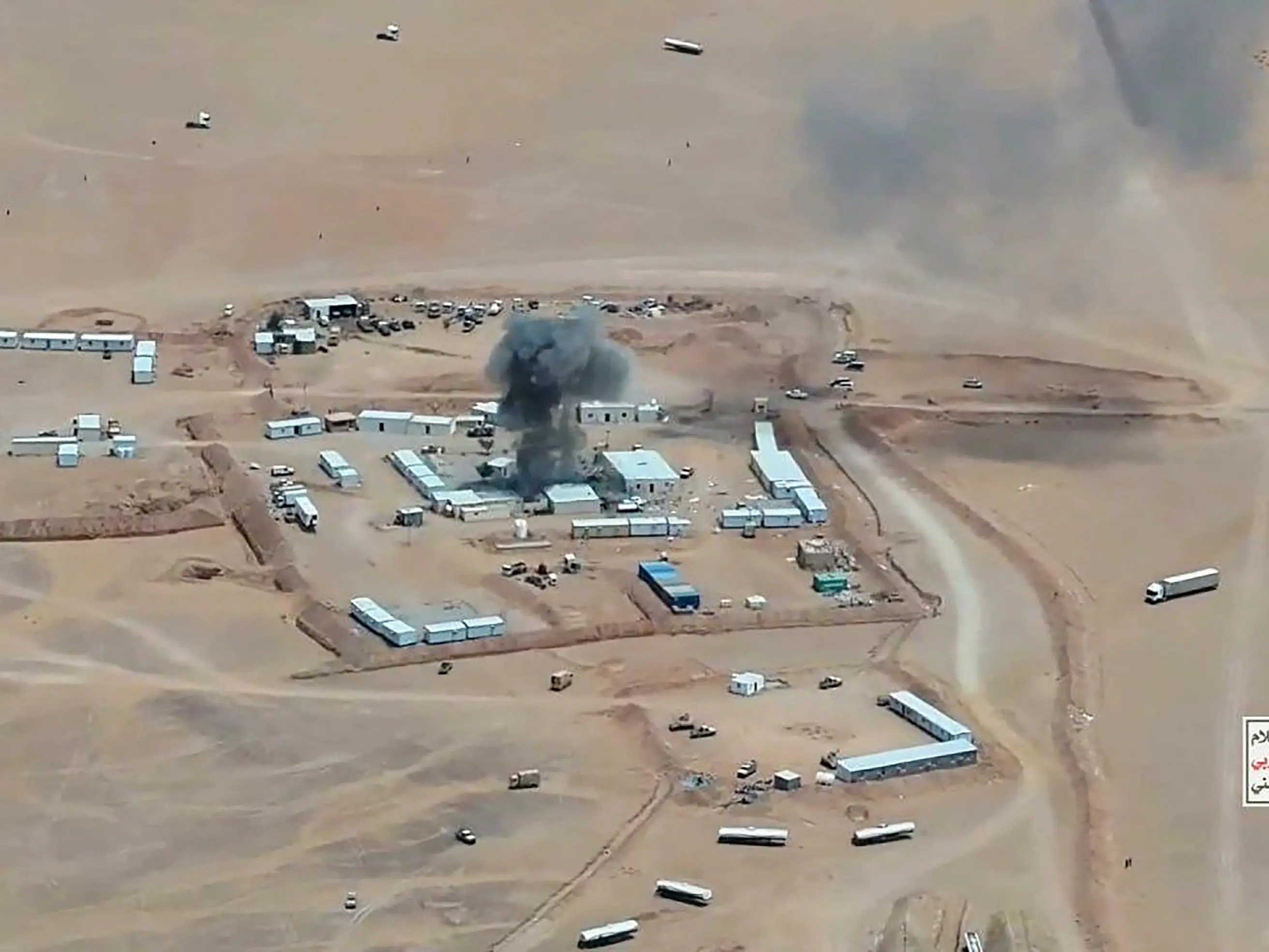
Iran has already launched retaliatory strikes against US allies in the Gulf, underscoring the risk of broader regional escalation. The central uncertainties now include: Whether top Iranian leaders have truly been eliminated. Will public unrest inside Iran intensify? Whether Tehran’s reprisals are limited or merely restrained. How long Washington is prepared to sustain operations?
Trump signaled flexibility in an interview with Axios. “I can go long and take over the whole thing, or end it in two or three days and tell the Iranians: ‘See you again in a few years if you start rebuilding (nuclear facilities)."
What comes next?
The best-case scenario envisioned by Trump would see Iranians seize the moment and dismantle the Islamic Republic’s power structure. But history shows that rapid regime collapse often produces instability rather than democracy. Worst-case outcomes include civil fragmentation, proxy warfare, refugee flows, or the rise of a military strongman government drawn from the Islamic Revolutionary Guard Corps. Trump, who built his political brand opposing prolonged foreign wars, now finds himself at the center of a new Middle East conflict that could define his legacy.

