How India shaped Gloria Steinem’s journey into a feminist icon

&imwidth=600&imheight=450&format=webp&quality=medium "How India shaped Gloria Steinem’s journey into a feminist icon")
How India shaped Gloria Steinem’s journey into a feminist icon Photograph: (Instagram/@gloriasteinem)
Gloria Steinem’s transformative years in India, including her time at Delhi’s Miranda House and exposure to Gandhian activism, deeply influenced her feminist philosophy and activism.
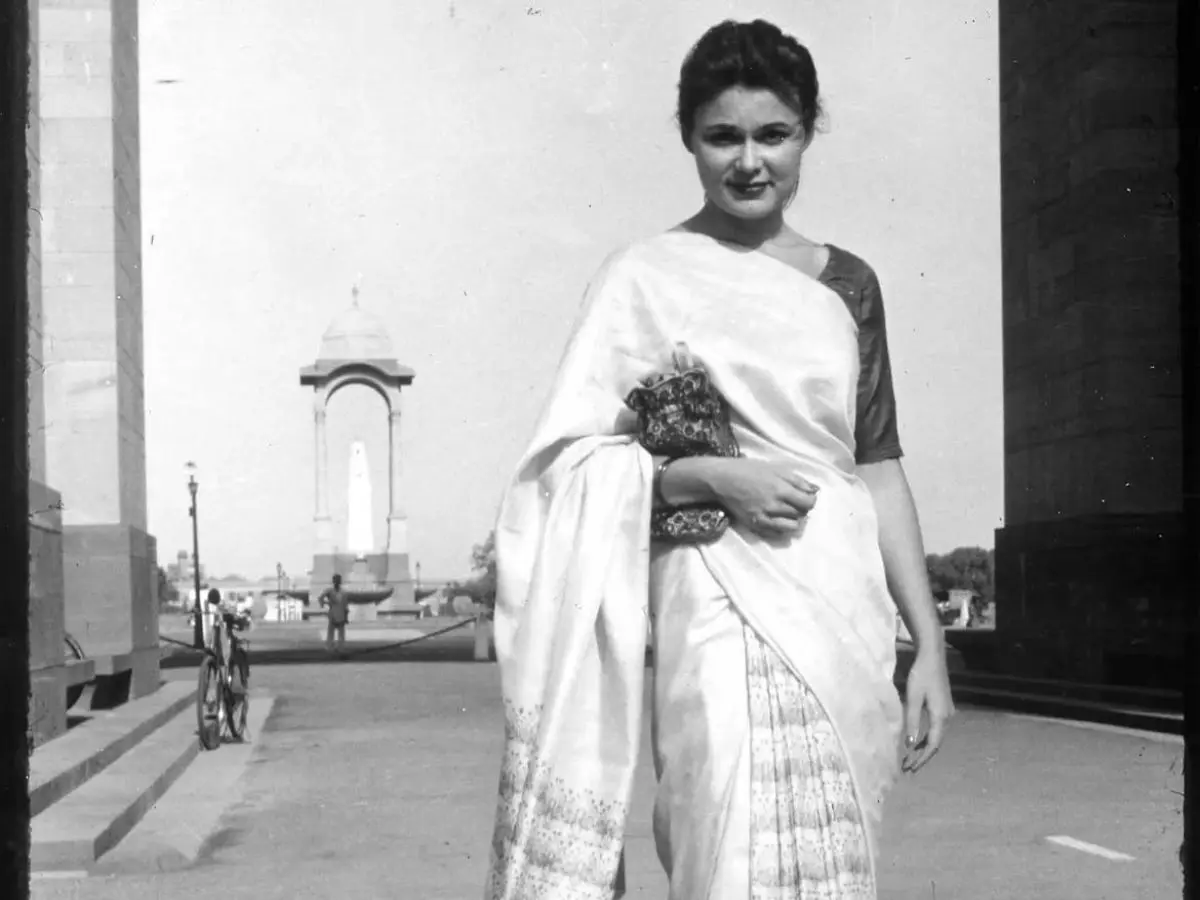
Gloria Steinem, one of the most influential voices of the feminist movement, died on Thursday (Sep 4), leaving behind a legacy of activism, writing and political organising. But long before she became a global feminist icon, a young Steinem arrived in India – an experience that would shape how she understood inequality, history and social change.
At 22, shortly after graduating from Smith College, Steinem travelled to India on a Chester Bowles Asian Fellowship. She spent about a year at Miranda House in Delhi, where she learnt to wear a sari, navigate city buses and supplement her income through sari advertisements. She also helped design sandals and wrote promotional material.
More importantly, India challenged the assumptions she had carried from the United States.
“Being in that country (India) shattered Western romantic illusions with little ceremony, but it replaced them with new impressions far more real and less easily forgotten,” she wrote in her memoir, An Unexpected Life.
“As I learned once I was there, many Americans seem to have skipped from a sketchy knowledge of ancient India to a misunderstanding of its diversity. The teachings of Gandhi introduced me to nonhierarchical thinking, which I came to learn was the most common way of thinking in much of the rest of the world, too,” she added.
Learning from Gandhi’s grassroots approach
Trending Stories
&imwidth=280&imheight=210&format=webp&quality=medium)
&imwidth=280&imheight=210&format=webp&quality=medium)
&imwidth=280&imheight=210&format=webp&quality=medium)
&imwidth=280&imheight=210&format=webp&quality=medium)
&imwidth=280&imheight=210&format=webp&quality=medium)
&imwidth=280&imheight=210&format=webp&quality=medium)
&imwidth=280&imheight=210&format=webp&quality=medium)
&imwidth=280&imheight=210&format=webp&quality=medium)
&imwidth=280&imheight=210&format=webp&quality=medium)
&imwidth=280&imheight=210&format=webp&quality=medium)
&imwidth=280&imheight=210&format=webp&quality=medium)
&imwidth=280&imheight=210&format=webp&quality=medium)
&imwidth=280&imheight=210&format=webp&quality=medium)
&imwidth=280&imheight=210&format=webp&quality=medium)
&imwidth=280&imheight=210&format=webp&quality=medium)
&imwidth=280&imheight=210&format=webp&quality=medium)
&imwidth=280&imheight=210&format=webp&quality=medium)
&imwidth=280&imheight=210&format=webp&quality=medium)
&imwidth=280&imheight=210&format=webp&quality=medium)
&imwidth=280&imheight=210&format=webp&quality=medium)
&imwidth=280&imheight=210&format=webp&quality=medium)
&imwidth=280&imheight=210&format=webp&quality=medium)
&imwidth=280&imheight=210&format=webp&quality=medium)
&imwidth=280&imheight=210&format=webp&quality=medium)
&im=FitAndFill=(700,400)&imwidth=280&imheight=210&format=webp&quality=medium)
&im=FitAndFill=(700,400)&imwidth=280&imheight=210&format=webp&quality=medium)
&imwidth=280&imheight=210&format=webp&quality=medium)
&imwidth=280&imheight=210&format=webp&quality=medium)
&imwidth=280&imheight=210&format=webp&quality=medium)
&imwidth=280&imheight=210&format=webp&quality=medium)
&imwidth=280&imheight=210&format=webp&quality=medium)
&imwidth=280&imheight=210&format=webp&quality=medium)
&imwidth=280&imheight=210&format=webp&quality=medium)
&imwidth=280&imheight=210&format=webp&quality=medium)
&imwidth=280&imheight=210&format=webp&quality=medium)
&imwidth=280&imheight=210&format=webp&quality=medium)
After completing her studies at Miranda House in 1957, Steinem chose to travel across India rather than immediately return home. Her journey took her to Calcutta, southern India and Bombay, while her time at Paramdham Ashram Pawnar, a community associated with Gandhian reformer Vinoba Bhave, proved particularly influential.
Travelling with Bhave’s followers exposed her to an approach to activism that placed ordinary people at the centre of change.
“Going from village to village with Vinoba Bhave’s followers and learning about Gandhian activism probably helped me to become what I am today,” Steinem said in a 2007 interview. “But, if you want to know how people live, you have to go where they live; if you want people to listen to you, you have to listen to them. I learned that in India.”
She later recalled the lessons she carried back to the US: “Change comes from the bottom up, not the top down; to learn, you must listen; to be heard you must speak; and to bring change against all odds, you must fight “as if it matters”.”
From Miranda House to the feminist movement
Steinem also credited her meeting with social reformer Kamaladevi Chattopadhyay with changing how she viewed history and power.
“Because of Kamaladevi, I also began to understand the politics of history. I would never again accept my history books so uncritically,” she wrote.
After returning to the US, Steinem immersed herself in women’s shelters, clinics, campus centres and welfare protests. In 1971, she co-founded Ms. magazine and helped establish the National Women’s Political Caucus, later contributing to organisations including the Women’s Media Center and Voters for Choice.
Her activism drew hostility, including from President Richard Nixon, but criticism did little to slow her work. She received the Presidential Medal of Freedom in 2013.
Miranda House remained part of her life. She returned in 2014, recalling the friendships and experiences that had shaped her. Her legacy, however, extended far beyond the college — and across continents.
As Hillary Clinton said after her death: “Steinem pushed open doors not just for herself, but for literally millions of women behind her.”

