Hasan Rouhani: Iran's 'Diplomatic Sheikh'

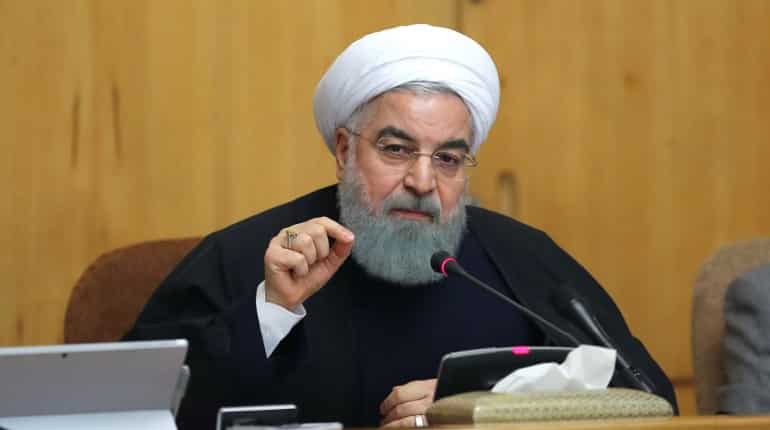
Rouhani
Rouhani has been an important player in Iran's political setting right from the days of the Iranian revolution of 1979.
'Moderation and prudence' was the slogan on the back of which Hasan Rouhani stormed to power in a keenly contested election in 2013. But revamping an administration which was full of hardliners, hand-picked by the former president Mahmoud Ahmedenejad, was no easy task.
But Rouhani wasn't an outsider in the corridors of power in the deeply conservative state.
Rouhani has been an important player in country's political setting right from the days of the Iranian revolution of 1979. He was an influential leader during the Iran-Iraq war in the '80s, and held several important positions in the defence establishment in the post-revolution regime.

In the difficult period of the post-war scenario in 1989, Rouhani was appointed as the secretary of the Supreme National Security Council. He also served as the deputy speaker of the Iranian Parliament from 1996 to 2000.
However, it was as the negotiator of Iran's nuclear program that Rouhani shone through for his approach of moderation.
When he seized power in 2013, one of Rouhani's key campaign promises had been to end the isolation of Iran.
)
Nigeria: Protesters take to the streets, police fire shots
)
US-Iran war: Tehran draws red lines — seven demands before any peace talks
)
Russia-Europe tensions: Polish PM warns Russian attacks could test NATO's unity
&im=FitAndFill=(700,400))
‘Not the US or China’: These are the countries leading the world in arable land
)
Mark Carney mimics Trump in hilarious moment over C$70 billion clean-energy investment; room erupts in laughter
)
Pentagon revives mandatory testosterone testing for male troops aged 30 and above
)
FACT CHECK: Why did PM Modi ask Xi ‘is it okay’ at BRICS Summit? New video reveals...
)
Trump defends AI amid growing alarm, announces new 'AI force' and promises an 'AI czar'
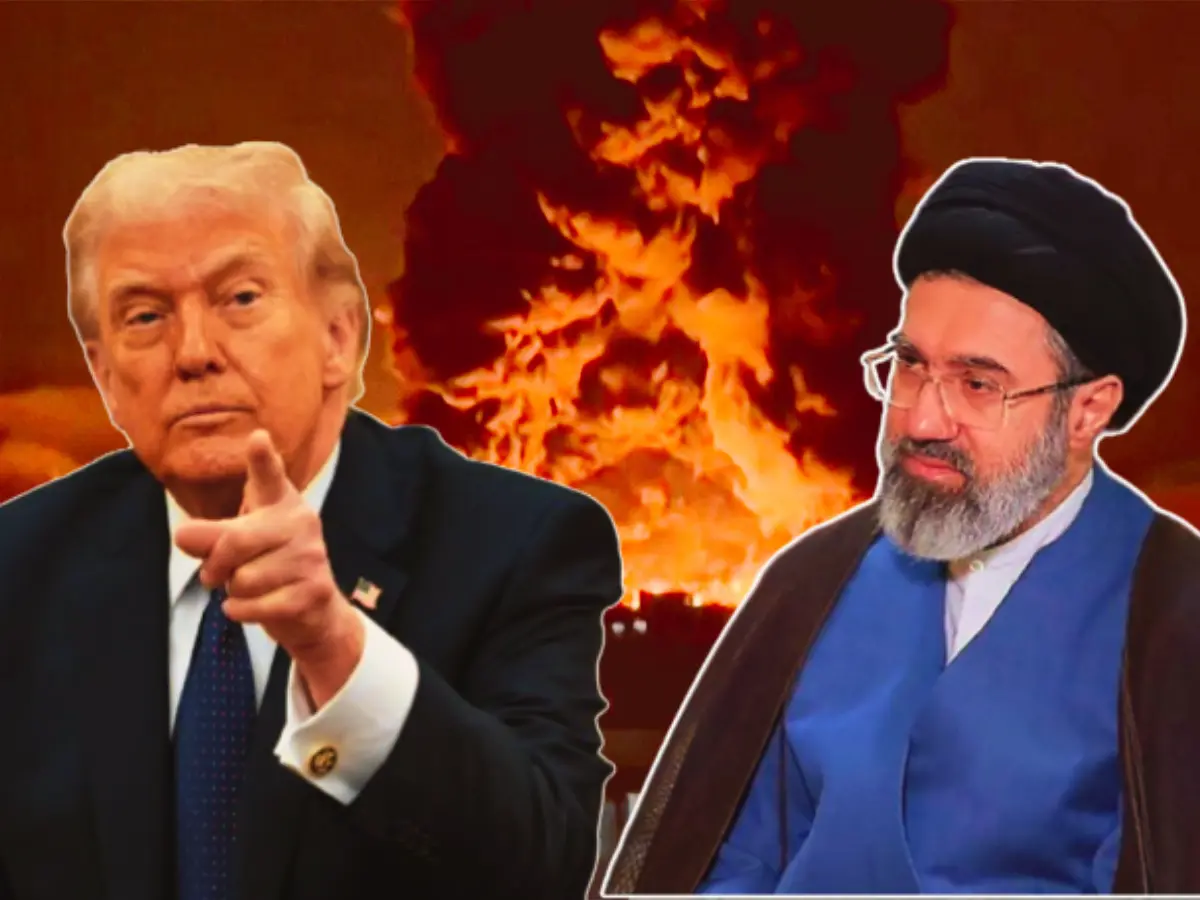)
Iran sets 7 conditions to end war with US: What are Tehran’s demands?
)
Trump announces ‘AI Force’ as debate grows over AI risks and regulation
)
China may have gained access to US's classified F-35 jets; parts meant for repairs diverted to Hong Kong, sparking Pentagon inquiry
)
Gaza under attack: Health chief's son killed in IDF strikes
)
Arvind Kejriwal, family members, Delhi CM Rekha Gupta get SIR notices
)
Cochin shipyard starts building Indian Navy's next-gen missile vessels
)
Saudi vs Houthis: Houthis claim missiles & drones used in attack on key Saudi sites
)
Russia extends ban on Western food imports for two more years in extended sanctions countermeasure
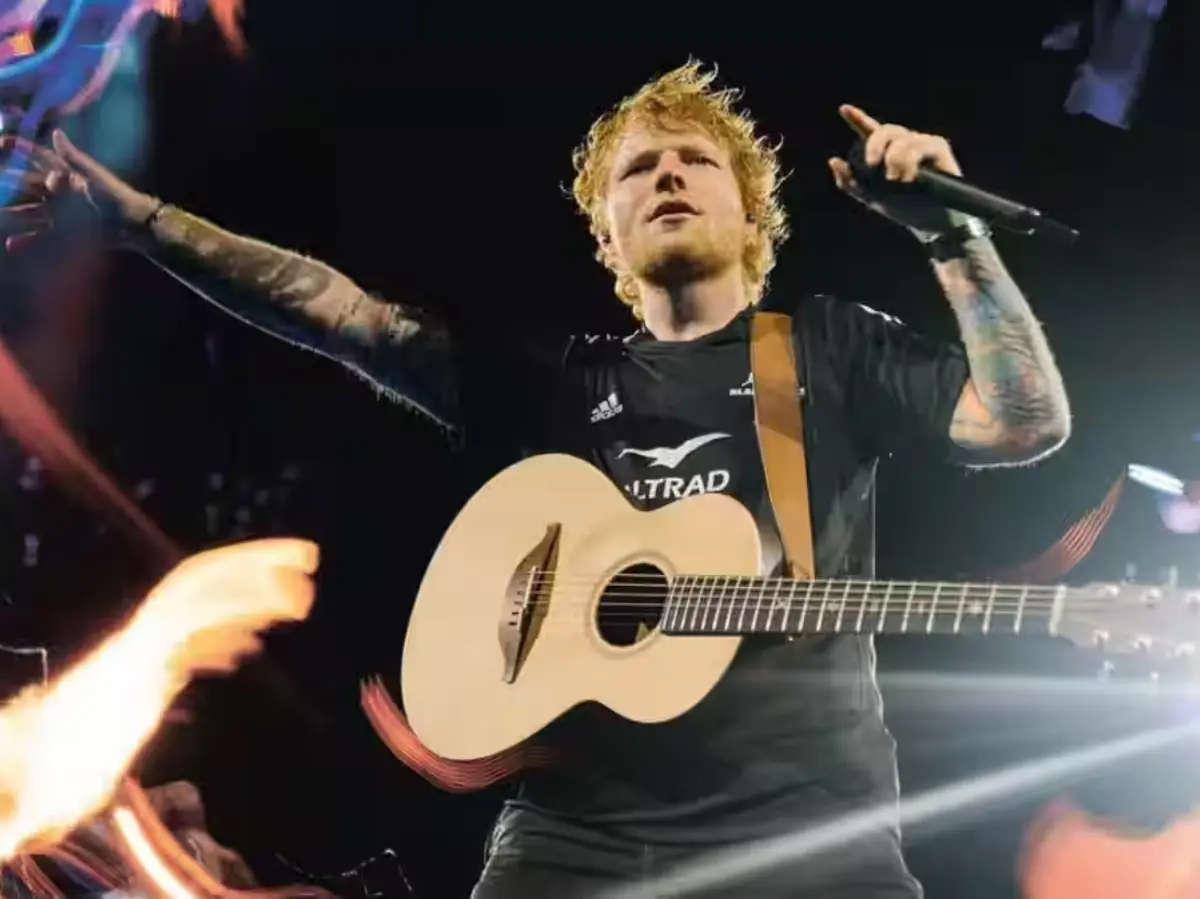)
Ed Sheeran addresses Macklemore's removal, Gaza conflict during Philadelphia concert: 'I cannot hide how I feel'
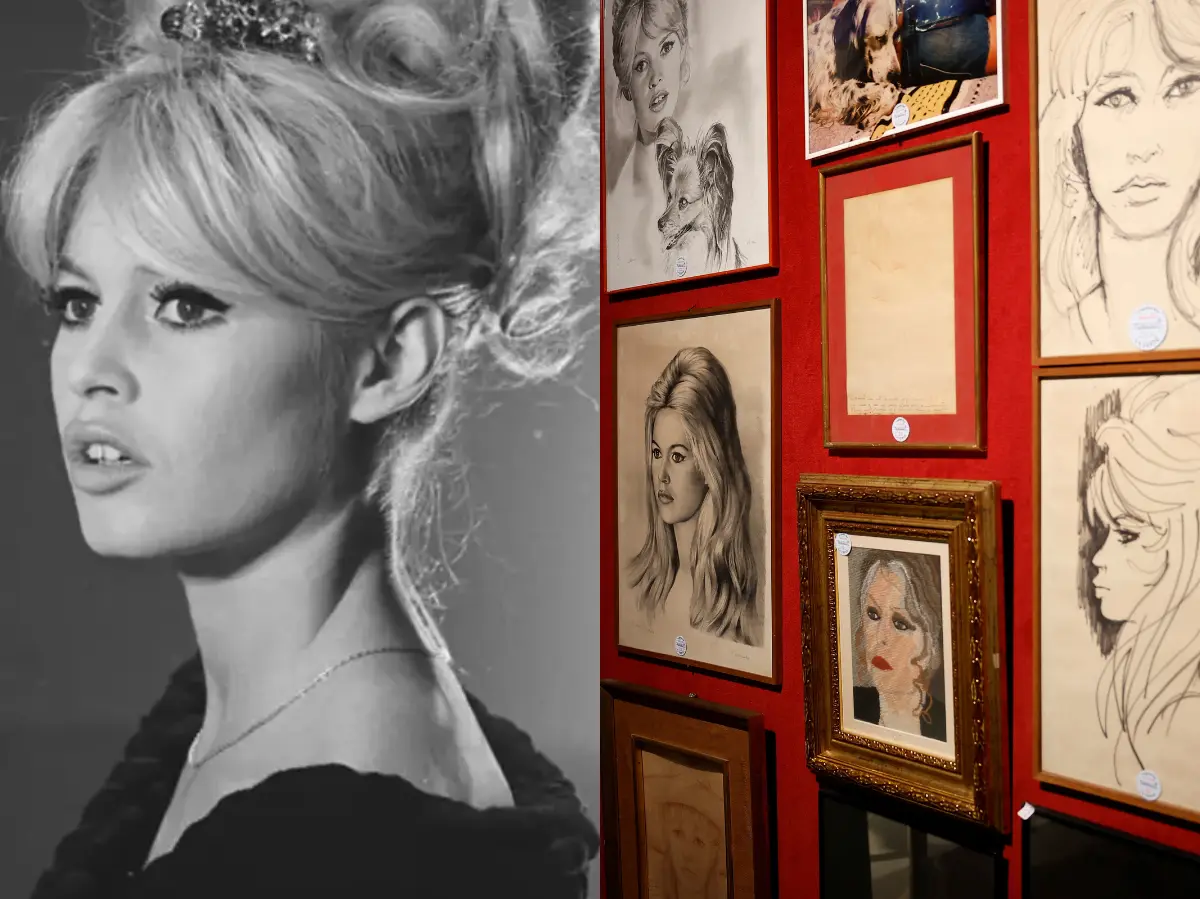)
Brigitte Bardot’s private collection set for Paris auction; key items and prices revealed
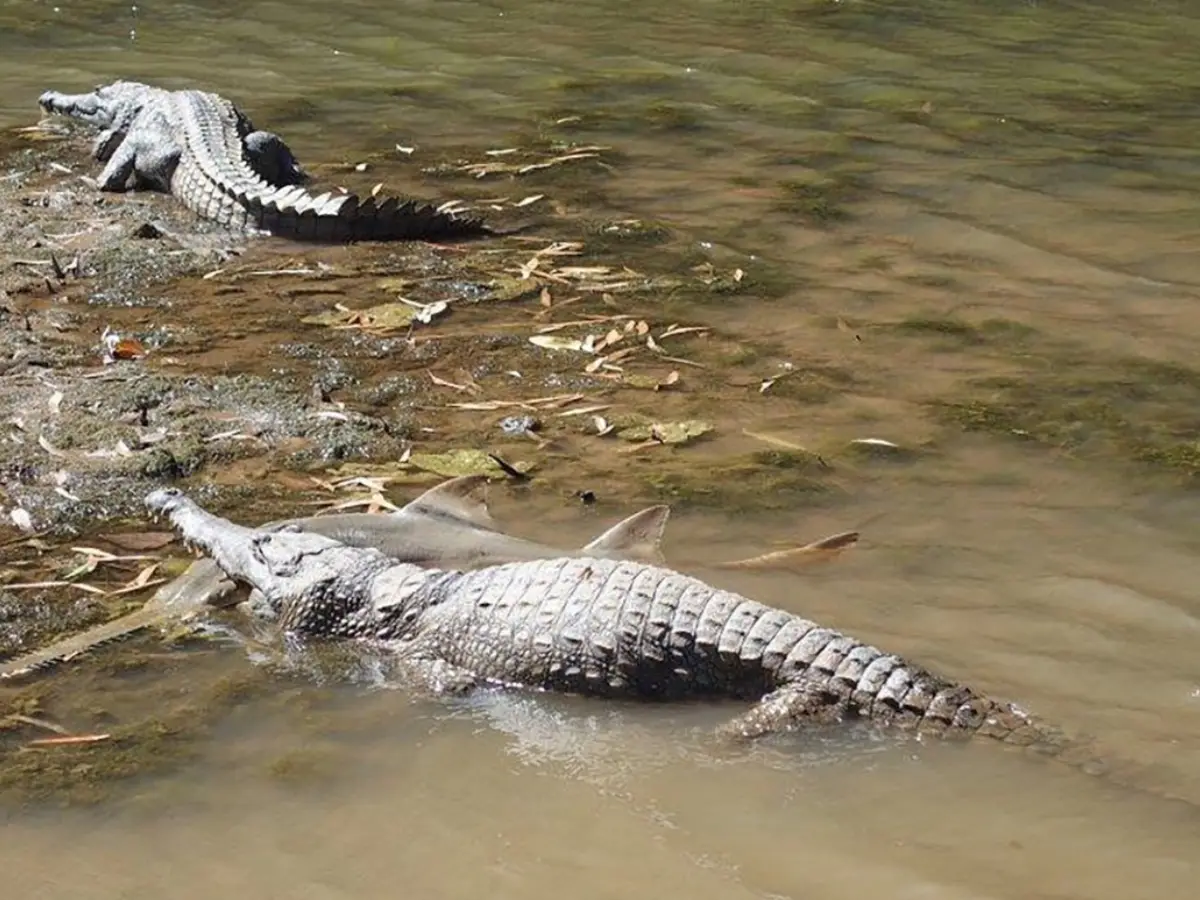)
How did an Australian river with 500 crocodiles pass the Olympic test? Here's how
)
‘Will go to any extent’: Pakistan vows to defend Saudi Arabia amid Houthi attacks
&im=FitAndFill=(700,400))
Ananya Panday to Sharvari: 5 actresses serving major princess vibes
66 years of the Indus Waters Treaty: How India and Pakistan settled a bitter river dispute
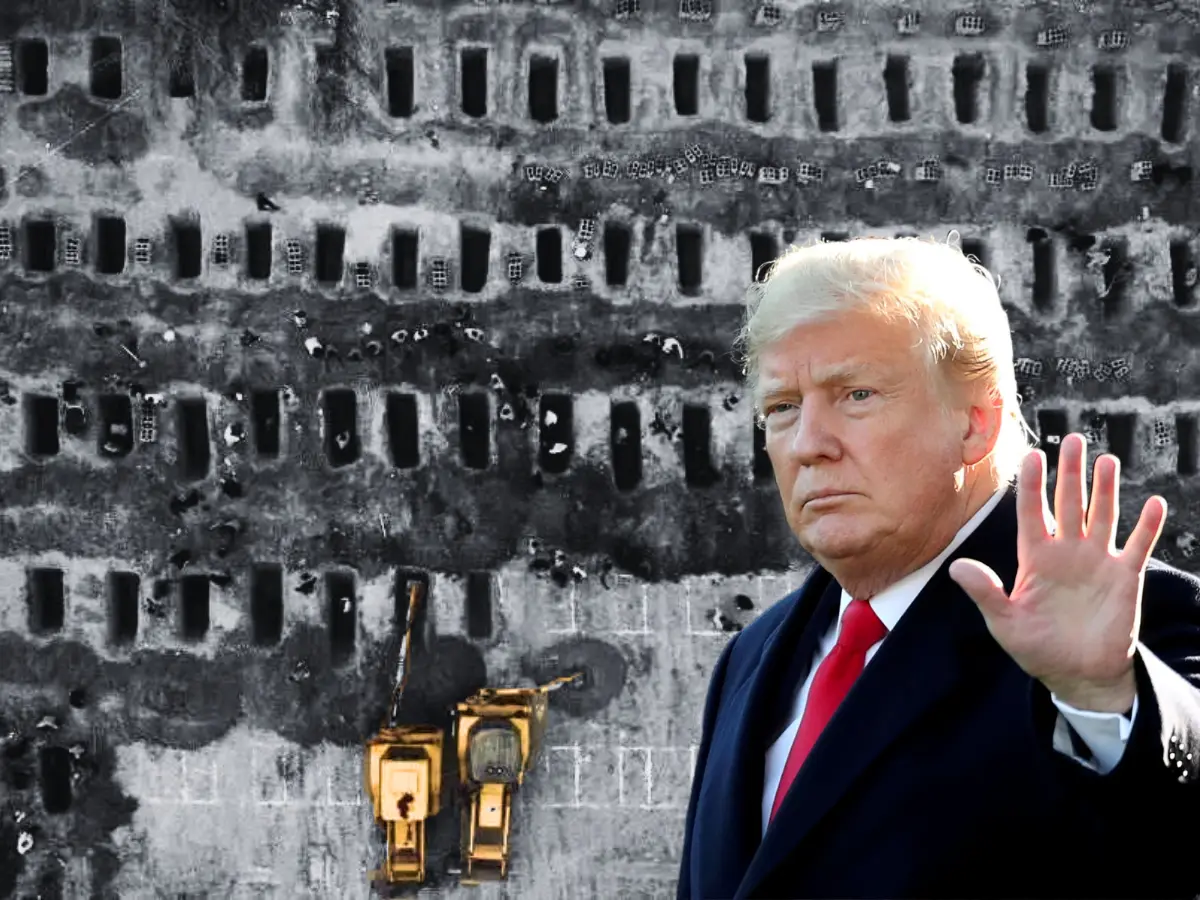)
The Verdict | When precision fails: US commits war crime in Minab school strike, UN finds
)
9 women found dead near Johannesburg: South Africans rally, demand 'enough' to femicide
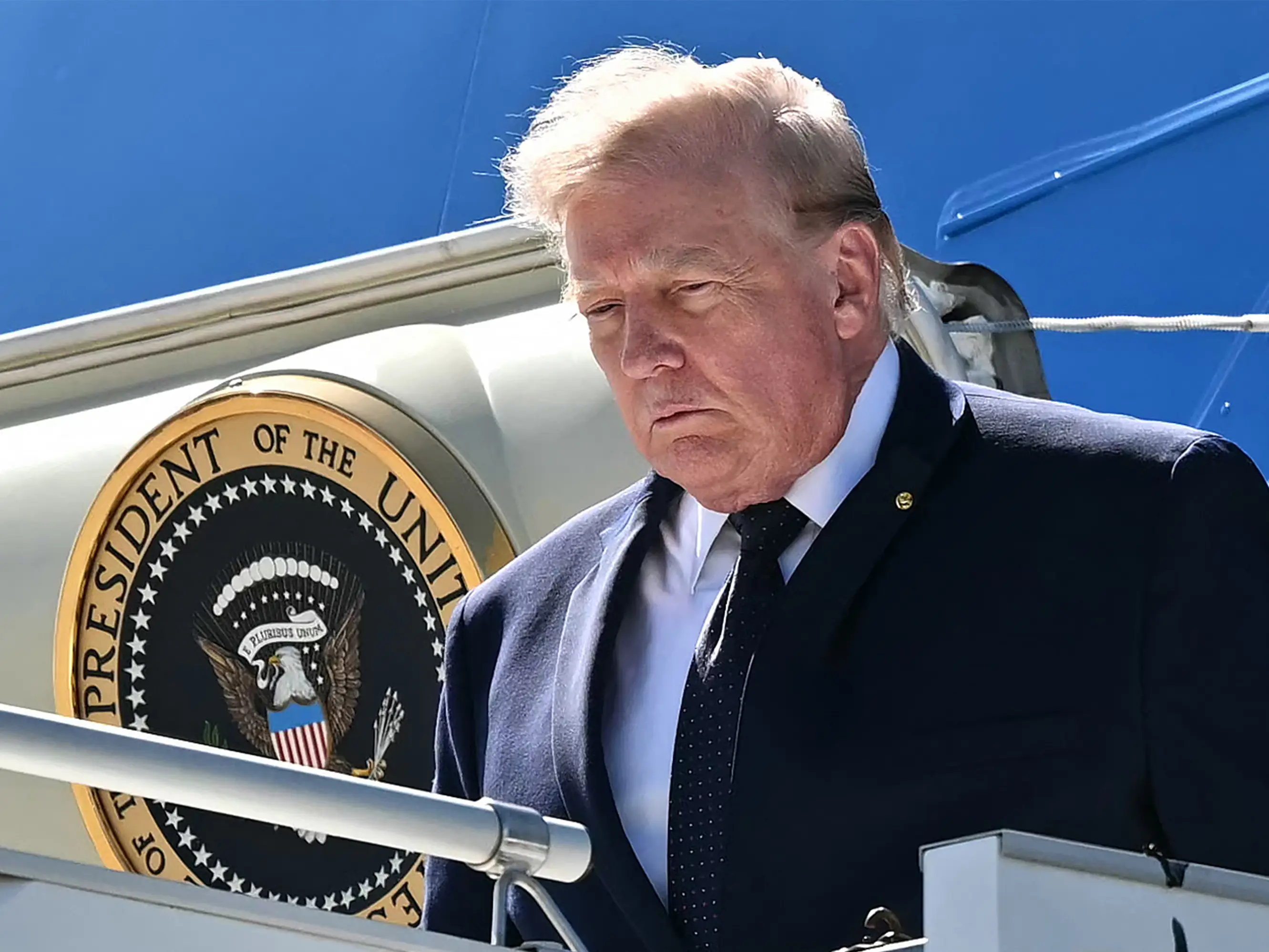)
Trump wants to rename ‘Artificial Intelligence’, gives 3 options: Which one would you pick?
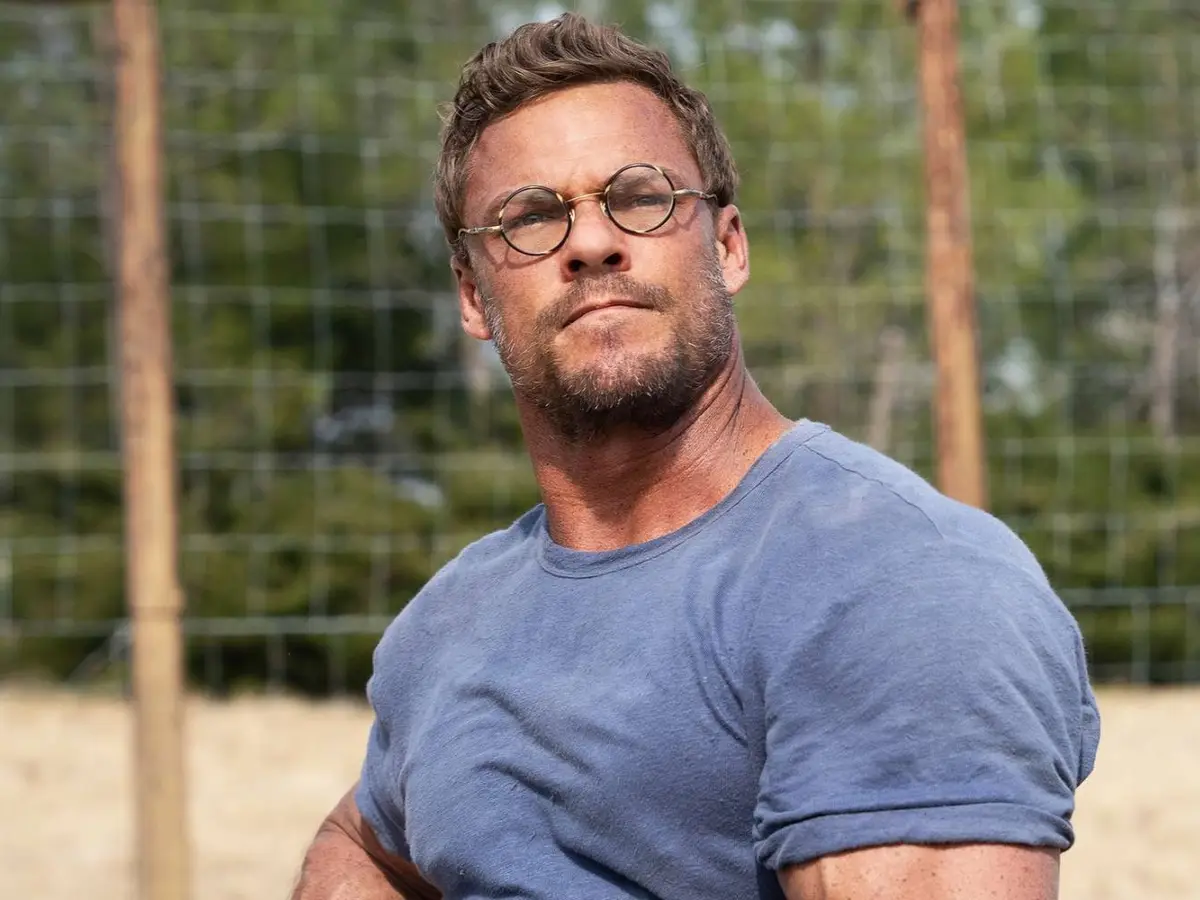)
Reacher star Alan Ritchson opens up about alleged blackmail, suicide attempt during difficult period
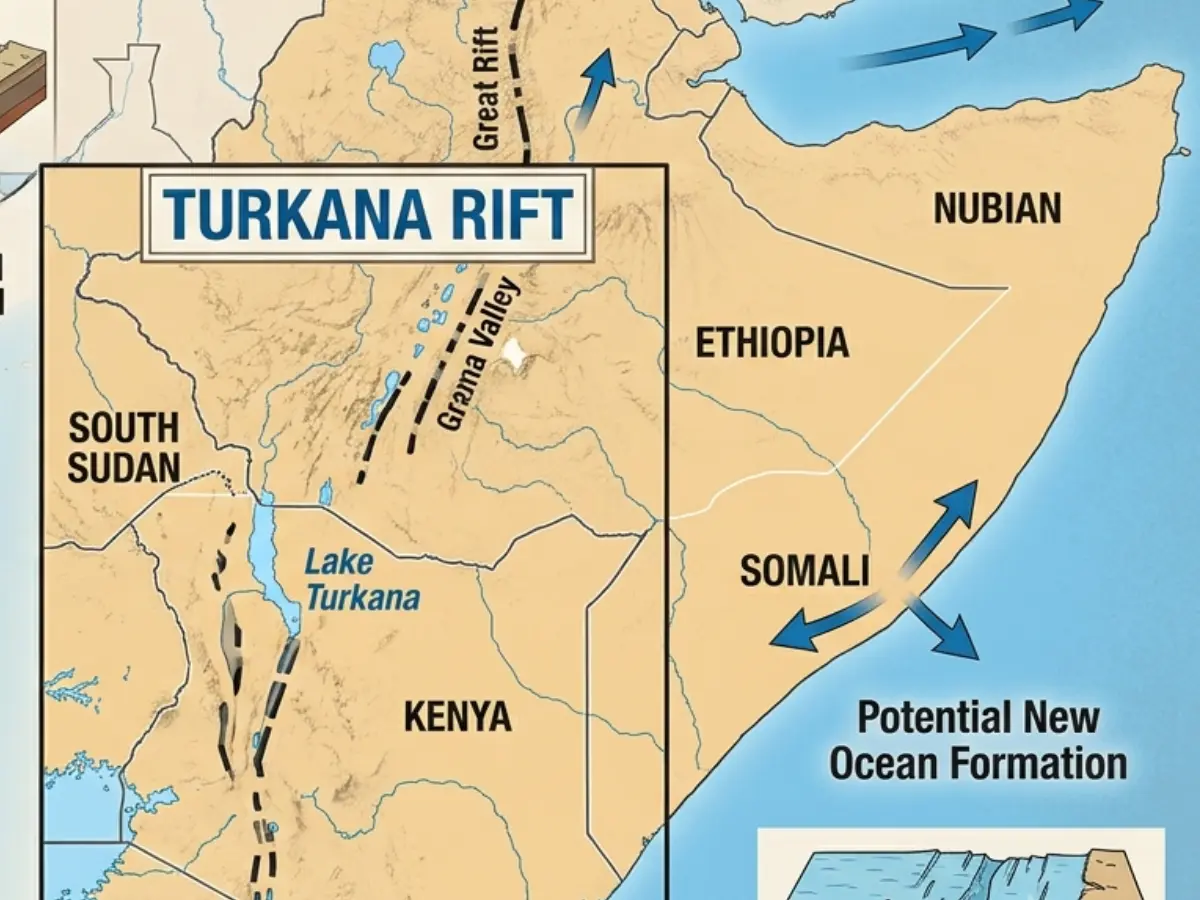)
Africa is splitting, and a lot sooner than estimated, giving way to a new ocean
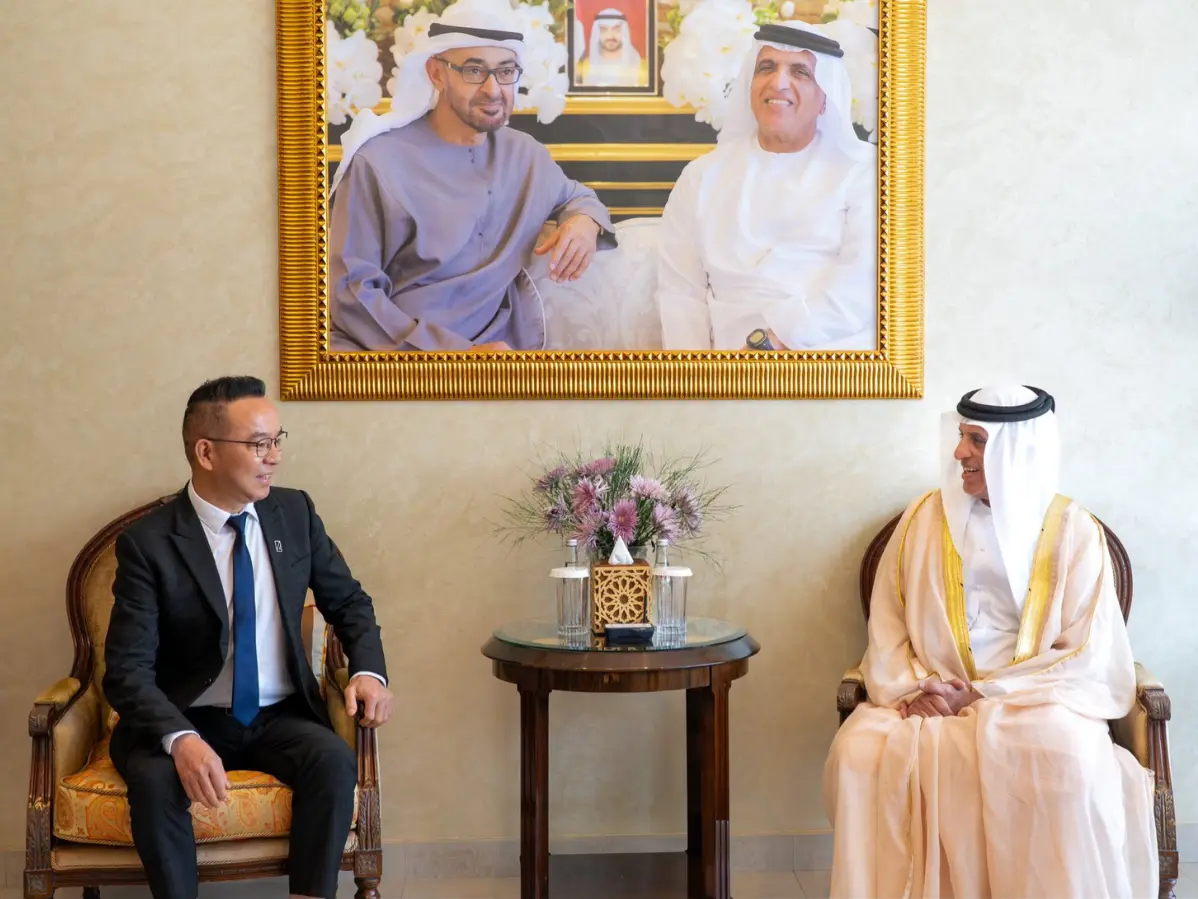)
Flying cars in UAE: Ras Al Khaimah signs deal with Chinese company to test new transport
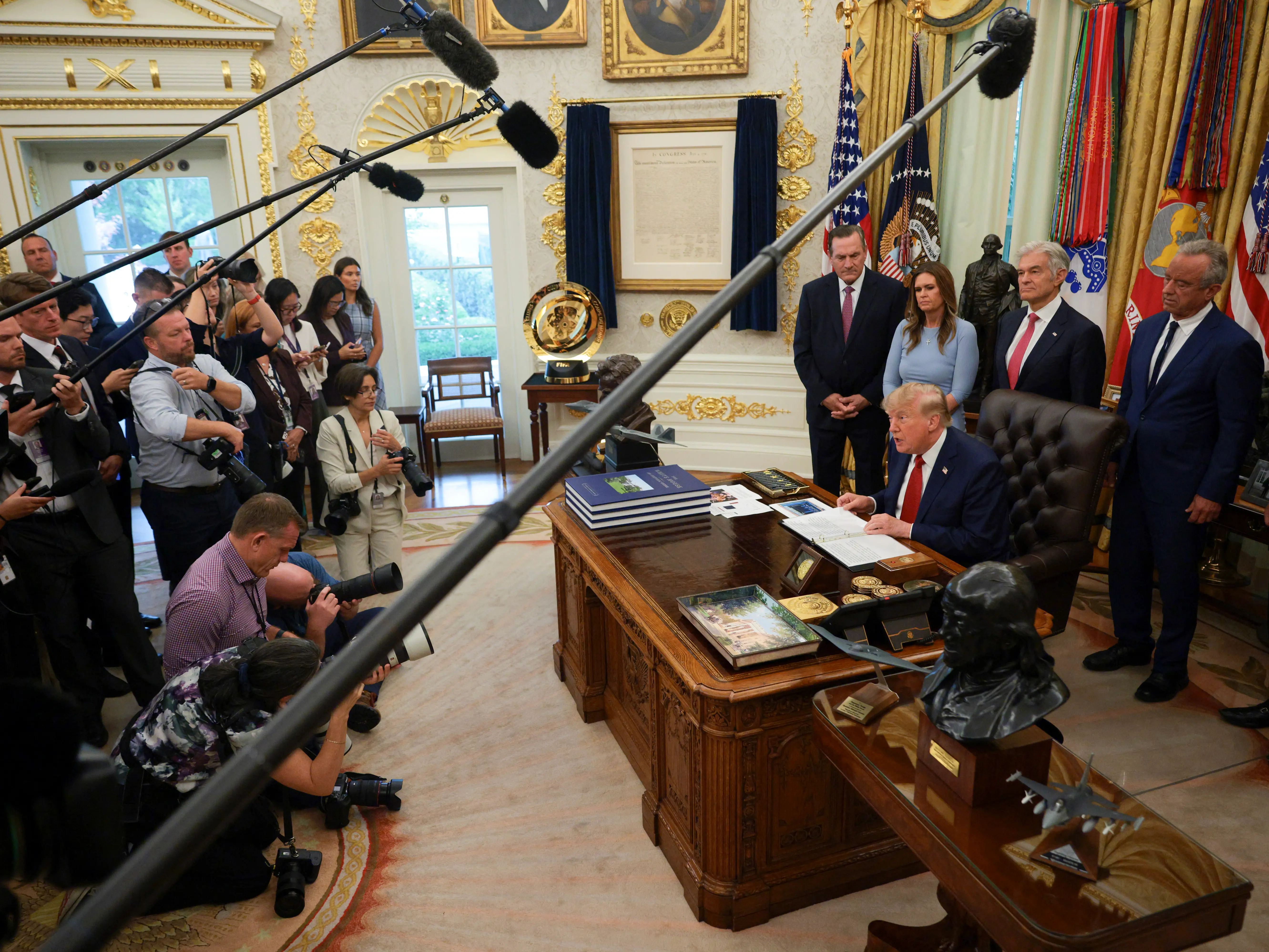)
Trump bans CNN, MS NOW and Politico from White House over ‘FAKE NEWS’
)
Trump 2.0: Dark days ahead for America’s ‘imperial presidency’
&im=FitAndFill=(700,400))
How many F-35s does Britain, Japan and Israel have?
)
Harry Brook targets long reign at top of T20I rankings after Sri Lanka sweep
)
Russia holds first parliamentary elections since the beginning of the Ukraine war
&im=FitAndFill=(700,400))
Meet top 5 Indian batters with fastest T20I centuries
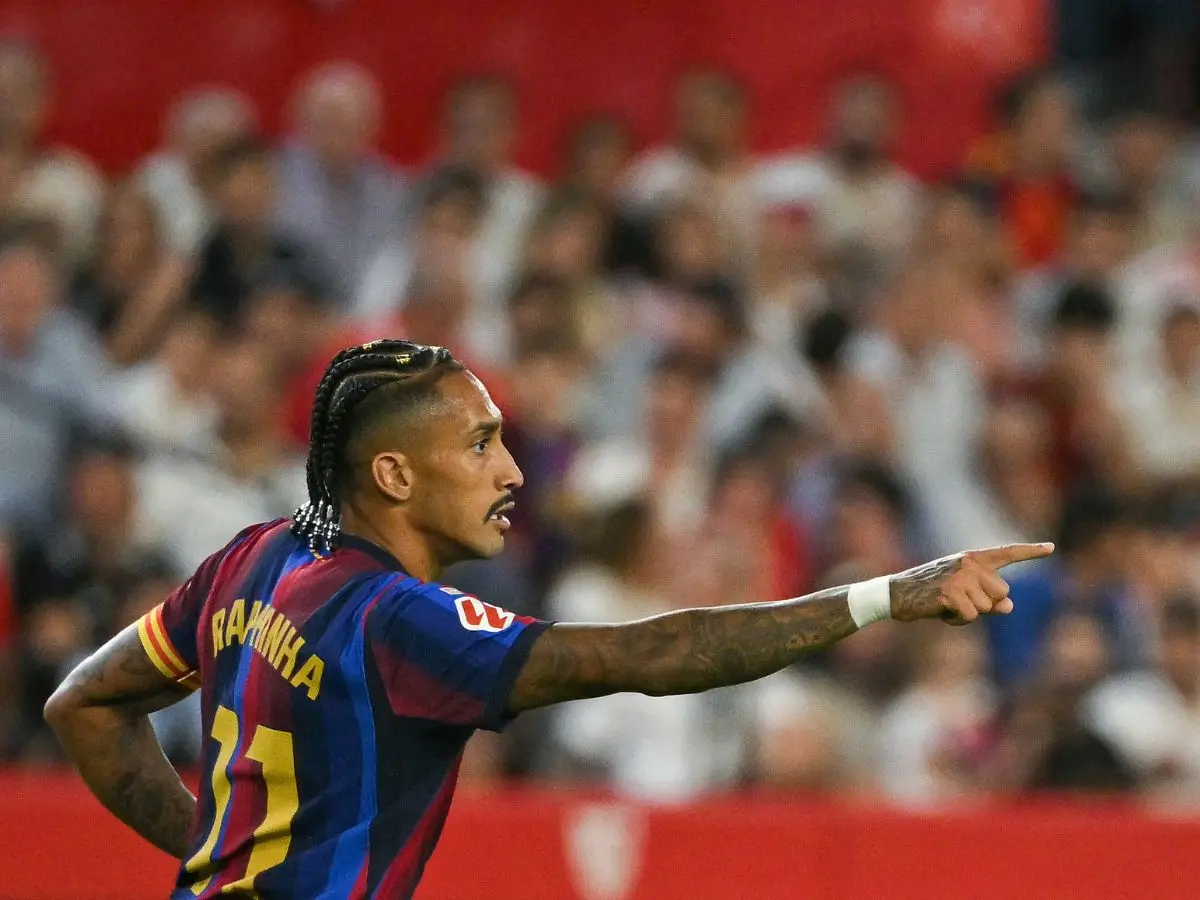)
Raphinha hat-trick powers Barcelona to 3-1 win over Sevilla in La Liga
)
Iran was considered a rogue state, pursuing nuclear technology to increase its clout in the region on the back of a nuclear bomb. The pariah state was under crippling sanctions, which had pushed the Iranian economy into free fall.
However, in 2015, Rouhani struck a nuclear deal with the United States under Barack Obama and five other world powers, under which Iran would agree to open all its nuclear facilities up for inspections. In return, the crippling economic sanctions were lifted.
But a change of guard at the White House threatens to unravel the Iranian nuclear deal. President Donald Trump throughout his campaigning and even after his election has resorted to the rhetoric that the Iranian nuclear deal is the worst negotiated deal by the US ever, and has repeatedly threatened to pull out of it. The other five world powers who are also signatories to the deal such as France, Russia, Britain, China and Germany have a different assessment.
Rouhani was voted to power for a second term in May, 2017. However, his approach of moderation and pragmatism has yielded few results on the ground in the deeply conservative society. He has faced protests and backlash from the more hardline elements, and despite being a popular elected leader, the Supreme Leader of Iran continues to be Sayyed Ali Hosseini Khamenei, who has exercised an iron grip on the strings of power in Iran since 1989.
Rouhani's second tenure has been marred by protests. Despite the economic sanctions being lifted by the West, Iran witnessed widespread unrest last December due to galloping inflation and unemployment. The Iranian government said the CIA, in cahoots with the Saudis and Israel, manufactured the protests. Others, meanwhile, speculated that the former combative president Mahmoud Ahmedinejad was behind the protests which had rocked the streets of Tehran.
Simultaneously, Iran has also witnessed protests from several women against the practice of wearing hijab. Vida Mohaved became a symbol of protest against the directive that hijab for women is compulsory in a public space, when she stood on top of a utilities box at the Enghelab Avenue holding her head scarf on stick. It is safe to predict that Iran hasn't seen the last of these protests.
For his emphasis on moderation, Rouhani has been described as the 'Diplomatic Sheikh'. But it will be interesting to see how the 'Diplomatic Sheikh' manouveres through the troubled times which loom in the backdrop of the belligerence of Trump, and protests on Iranian streets which refuse die down.