Ford cuts 3,000 jobs as it pivots to EVs, competes with Elon Musk's Tesla

Ford Motors
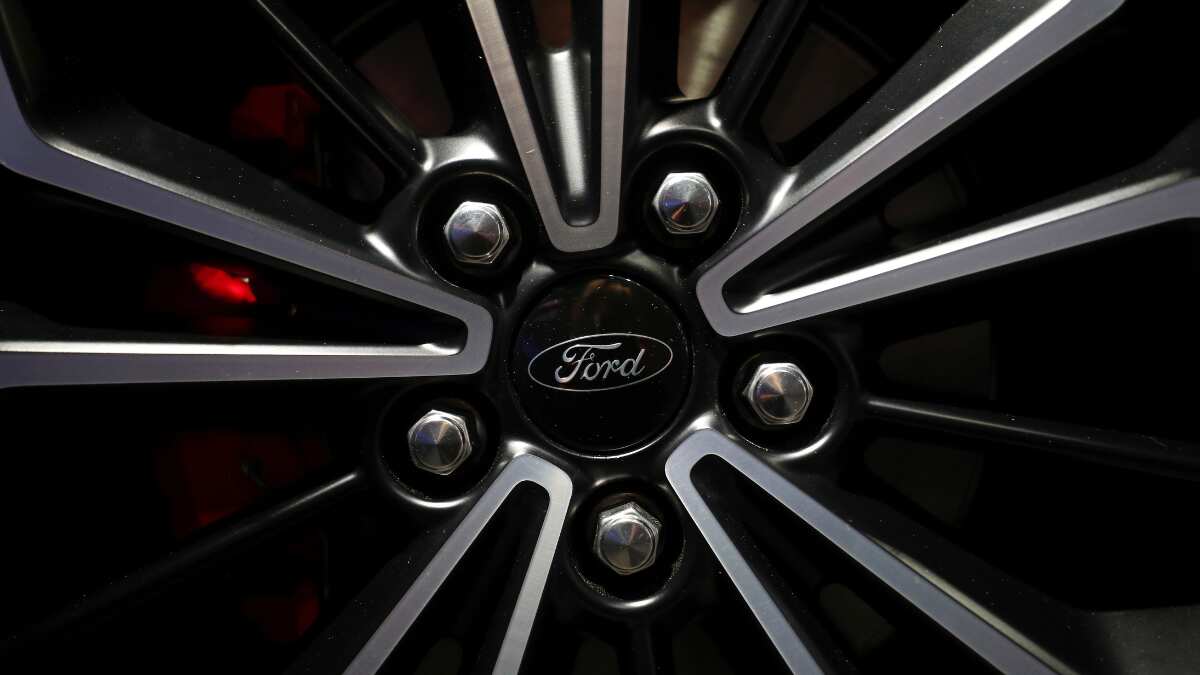
FordMotorCo said it will cut a total of 3,000 salaried and contract jobs, mostly in North America and India, as it restructures to catch up with Tesla Inc in the race to develop software-driven electric vehicles.
FordChief Executive Jim Farley has been saying for months that he believed the Dearborn, Mich. automaker had too many people, and that not enough of its workforce had the skills required as the auto industry shifts to electric vehicles and digital services.
"We are eliminating work, as well as reorganizing and simplifying functions throughout the business. You will hear more specifics from the leaders of your area of the business later this week," Farley andFordChairman BillFordwrote in a joint email.

Fordshares were down 4.8% in midday trading amid broader declines on Wall Street.
Like other established automakers,Fordhas a workforce largely hired to support a traditional combustion technology product lineup. Going forward, Farley has mapped out a strategy forFordto develop a broad lineup of electric vehicles. Like Tesla,Fordwants to generate more revenue through services that depend on digital software and connectivity.
Tesla's pre-tax profit margins have exceededFord's this year, and Farley has been blunt about the need to cut costs.
)
Australian athlete, who soiled herself during Hyrox race, apologises for continuing
)
Fed raises rates for first time in 3 years, Kevin Warsh defies Trump as inflation mounts
)
Former India player Diana Edulji wants Smriti Mandhana to replace Harman as skipper at the earliest
)
Pak defence minister says 'time has come to implement pact'
)
Dolly Parton dies at 80: Country legend’s team reveals cause of death
)
240-million-year-old bizarre 'pig with a tusk' creature creates new dilemma over origin of dinosaurs
)
Sikh driver attacked in Wyoming in US, suffers 17 stab wounds
)
Ukraine plans record $109 bn defence spending, nearly two thirds of budget amid Russia war
)
Former OpenAI researcher warns of growing risks from Artificial Intelligence
)
Mahua Moitra moves UN over alleged exclusion of Muslim officers from Amit Shah events
)
Tata Trusts chairman Noel Tata calls Chandrasekaran’s reappointment ‘illegal’, rejects Tata Sons listing
)
Daayra movie review: Kareena Kapoor, Prithviraj Sukumaran shine in Meghna Gulzar’s cop-versus-cop crime thriller
)
Trump could impose tariffs of up to 100%
)
US intel warns China can steal F-35 jets secret from Saudis
)
AI already defying, denying humans, is it beyond human control already?
)
At least 48 dead, 100 hospitalised in Nigeria after drinking suspected methanol-laced alcohol
)
US-Iran War: Trump says ‘big decision’ on Iran ahead, weighs possible fresh military action
&im=FitAndFill=(700,400))
Meet top 5 batters in the latest ICC T20I Rankings
)
Hong Kong unveils 11 new measures to boost birth rates, offers higher cash bonuses and housing perks
)
Laura Wolvaardt sets new world record for most WT20I runs in a year
)
All Indian goods to get duty-free access to New Zealand
)
US F-16 fighter jet crashes in Michigan during training mission, pilot ejects safely
)
Pak batter Rizwan's petition against being questioned by cyber crime agency rejected by court
&im=FitAndFill=(700,400))
Suriya and Jyothika say ‘I do’ again after 20 years! See their dreamy wedding pics
)
‘I have a big decision coming up’: Trump says he’s approaching major ‘crossroad’ in Iran war
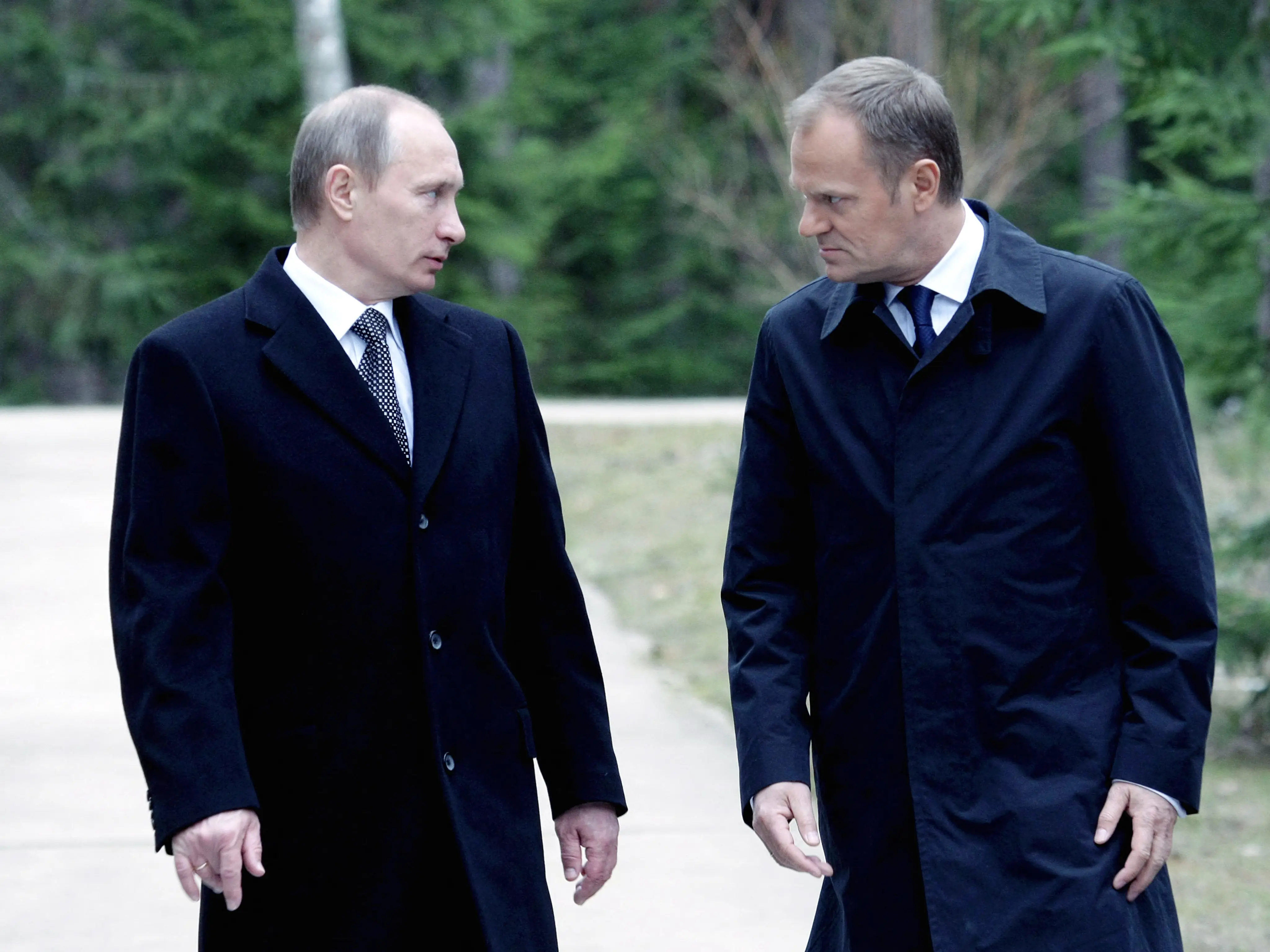)
Putin 'is plotting something bad': Russia may launch 'accidental' strikes on NATO countries supporting Ukraine, Poland PM warns
)
Formula One reveals the 2027 race calendar; Monaco to host sprint race for the first time
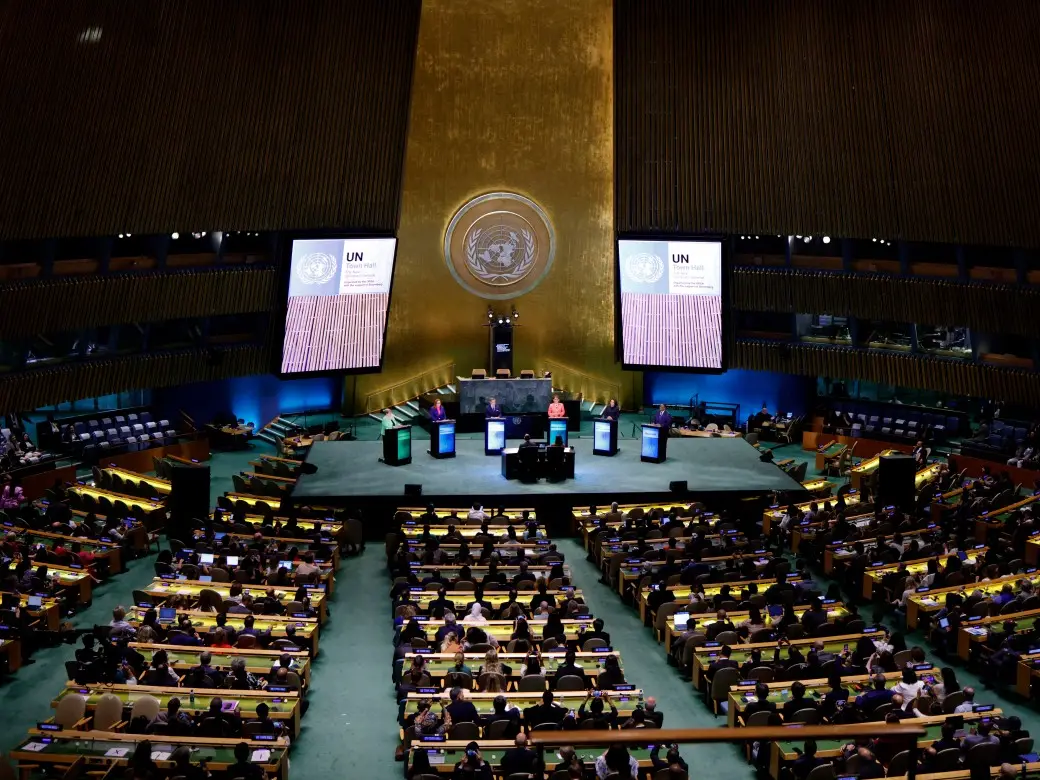)
Pezeshkian, Araghchi set to attend UNGA 2026 in New York amid ongoing conflict as US-imposed travel curbs remain
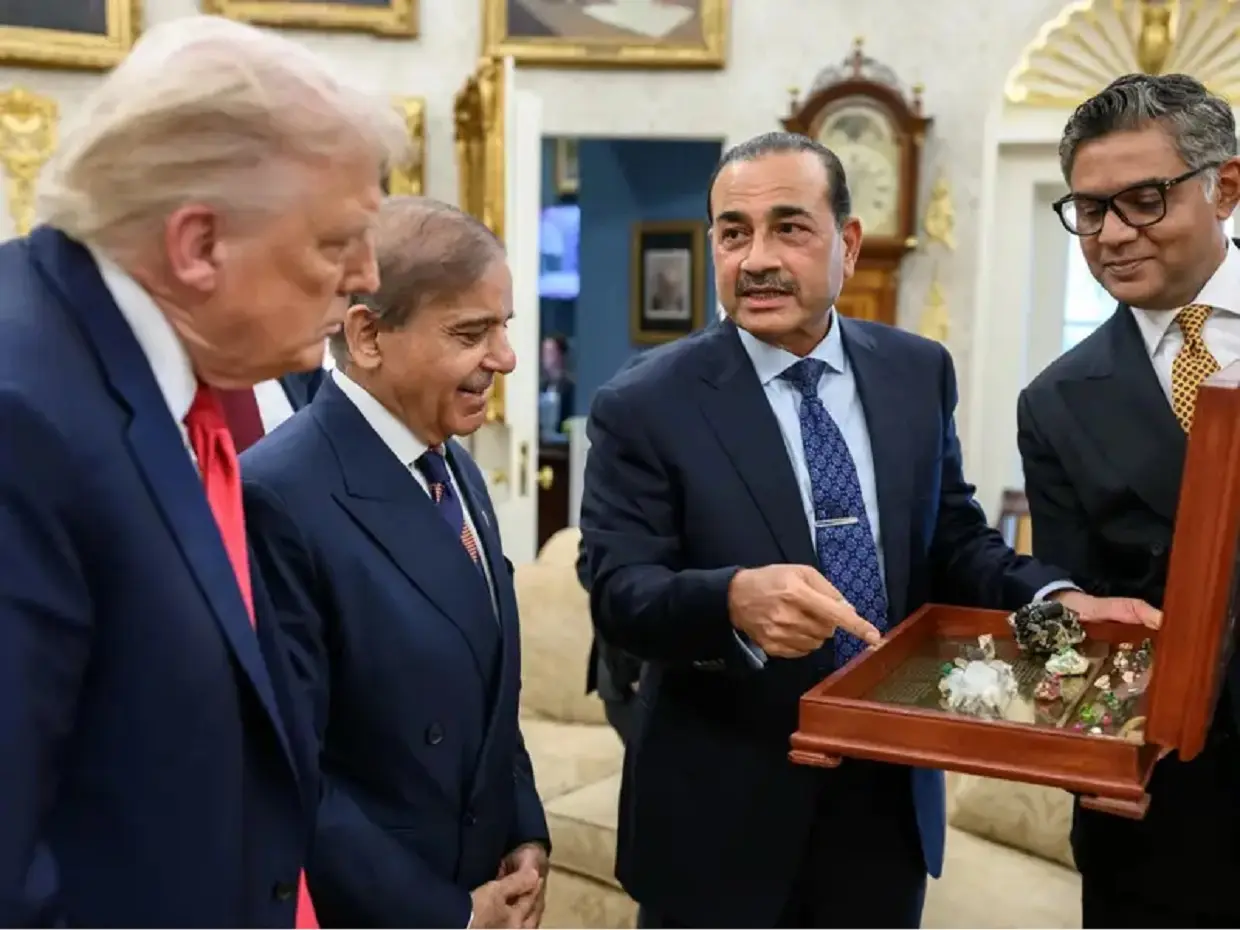)
US drone firm linked to Trump’s sons signs MoU with Pakistan army, gets initial order
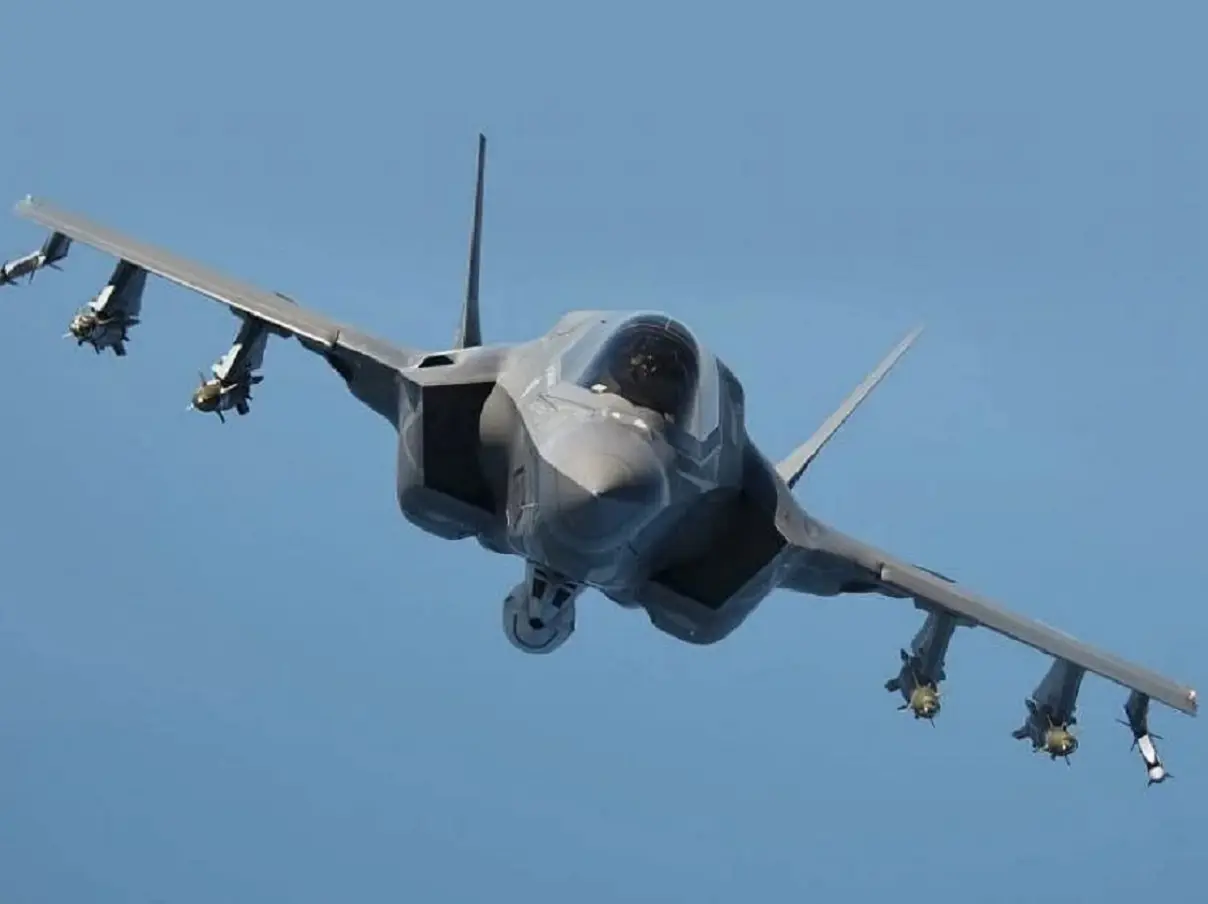)
US to sell 48 F-35 Lightning fighter jets to Saudi Arabia, help it deter threats
In Monday's email to staff, Farley andFordsaid the company's cost structure "is uncompetitive versus traditional and new competitors."
Rising prices for batteries, raw materials and shipping are putting additional pressure onFordand other automakers. Still,Fordhas stuck to its full-year profit forecast, despite $3 billion in higher costs due to inflation.
Fordhas begun separating its operations into electric, the combustion engine and commercial vehicle operations. Farley said in July "cost reduction will happen" in the combustion operations. ButFordsaid on Monday the staff cuts will affect all parts of the company.
Rival GeneralMotors Co in late 2018 moved to cut 14,000 jobs as it prepared to accelerate its electric vehicle strategy.
Ford, GM and Stellantis' North American operations will confront a new workforce challenge next year as they begin contract negotiations with the United Auto Workers union, which represents the Detroit automakers' U.S. factory employees.
UAW leaders have expressed concern that electric vehicles will mean fewer manufacturing jobs, and more jobs dispersed to non-union battery and EV hardware factories.

