'American families deserve immediate relief': US drug prices too high? Trump threatens crackdown on 17 major pharmaceutical giants

&imwidth=600&imheight=450&format=webp&quality=medium "'American families deserve immediate relief': US drug prices too high? Trump threatens crackdown on 17 major pharmaceutical giants")
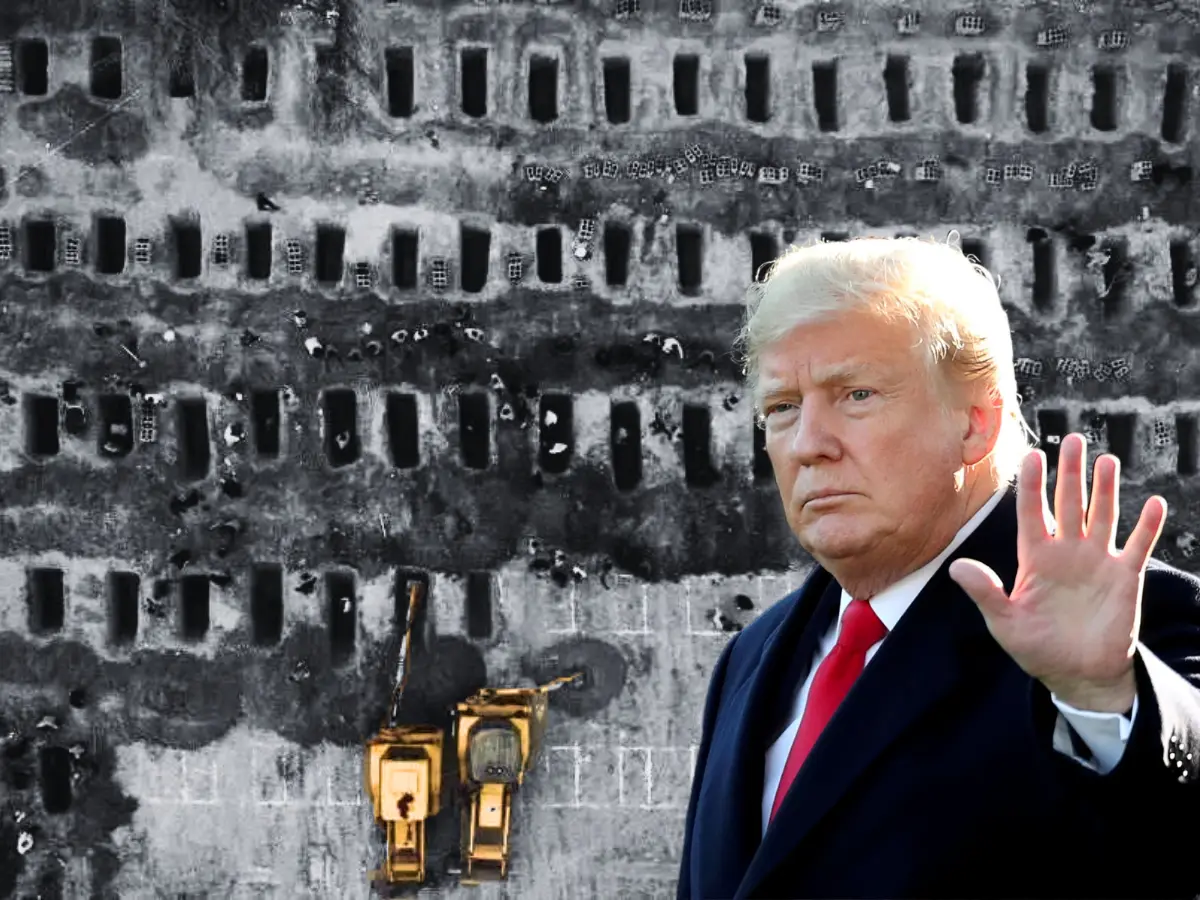
US President Donald Trump Photograph: (Reuters)
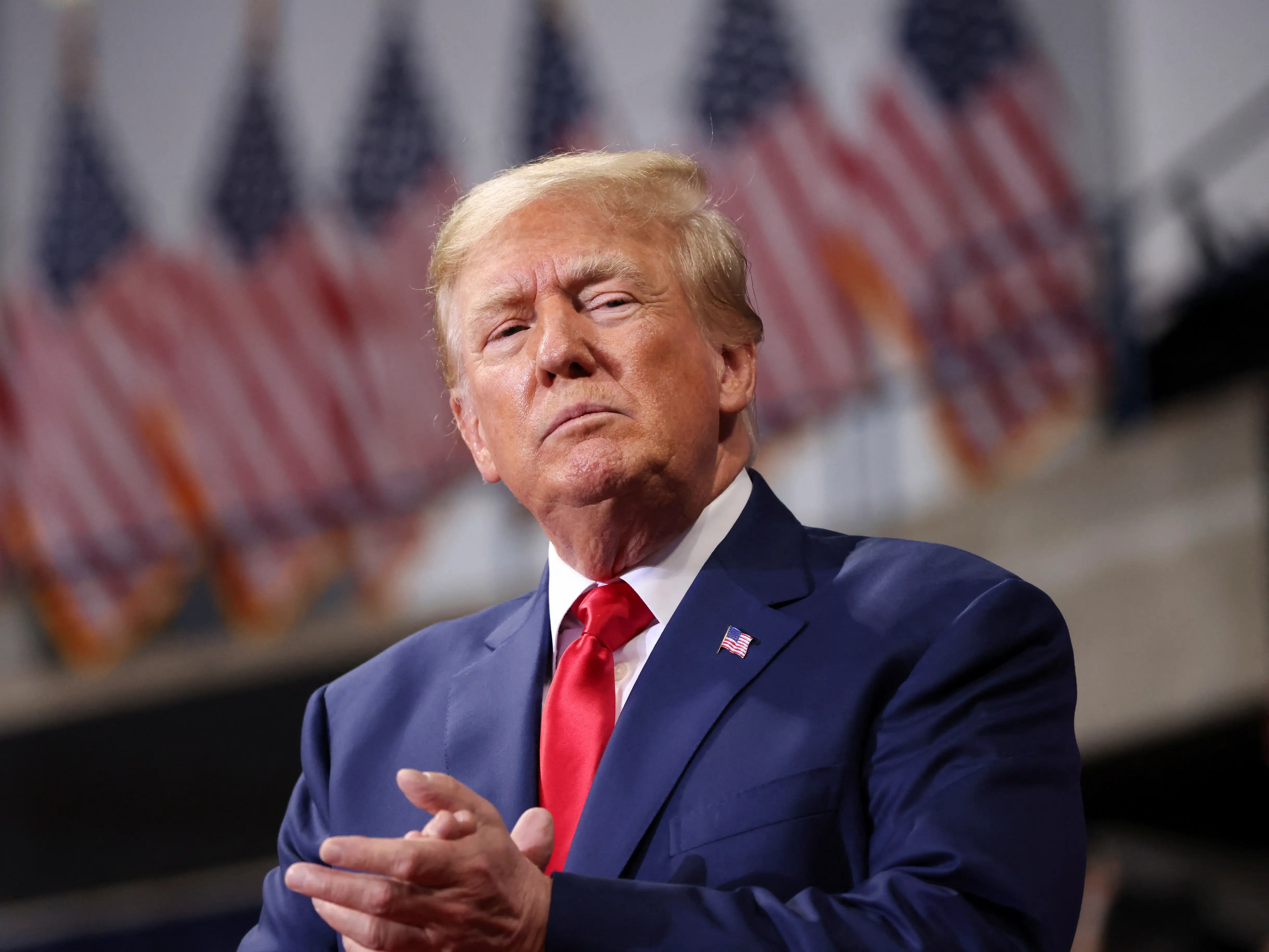
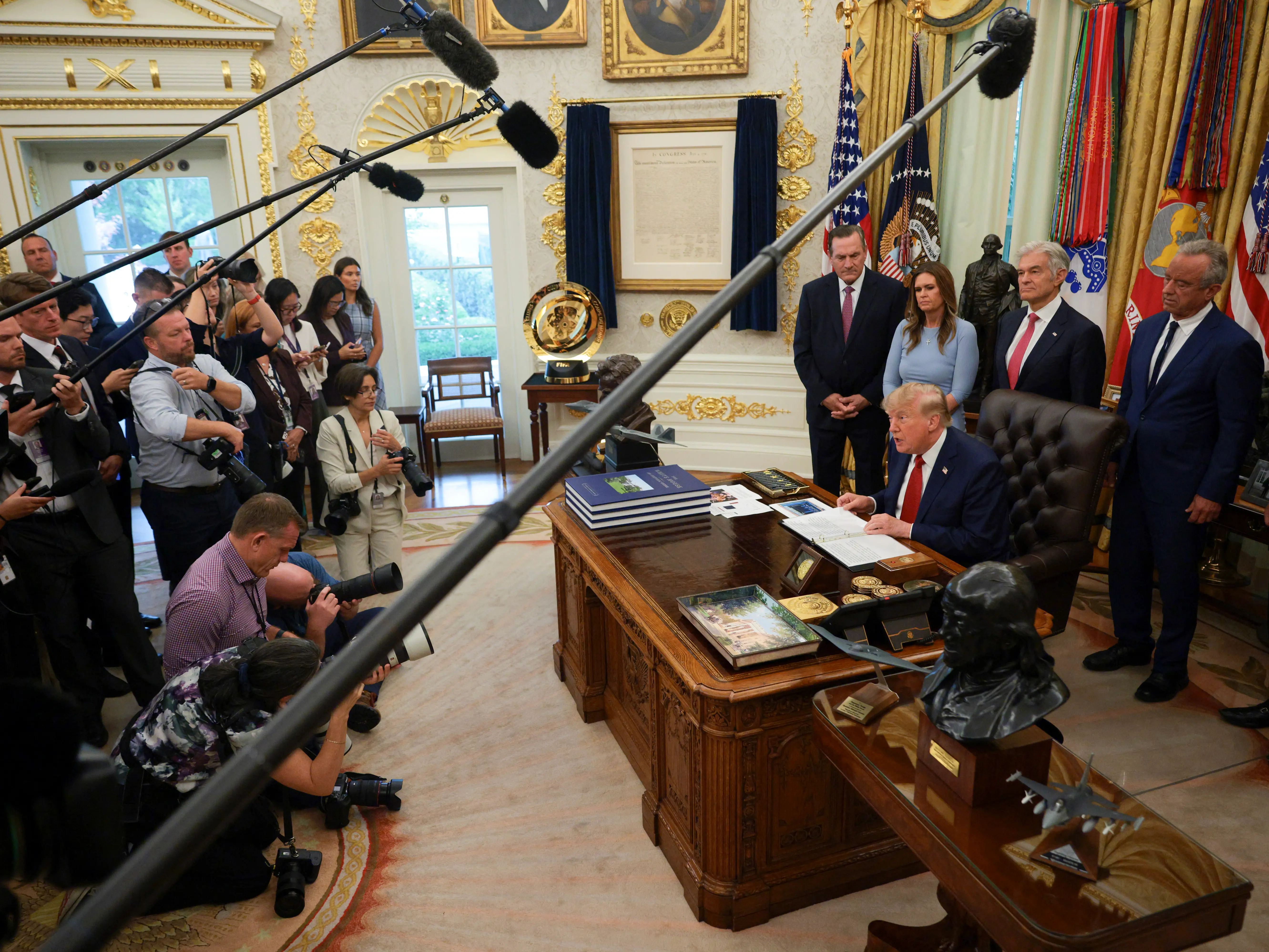
Trump warned 17 major drugmakers, including Pfizer and Merck, to lower US drug prices within 60 days or face strong action, vowing to protect Americans from abusive pricing practices.
US President Donald Trump has issued a stern warning to top pharmaceutical companies, demanding they lower drug prices in the United States within 60 days.
Trump’s letters to 17 major drug companies
In a series of letters shared on Truth Social on Thursday, Trump revealed he had contacted 17 major drugmakers, including Pfizer, GSK, Eli Lilly, Regeneron, Merck, and Novo Nordisk. The letters came with a clear message. Trump said if the companies fail to act, he would “deploy every tool in our arsenal to protect American families from continued abusive drug pricing practices.”
Tying US prices to cheaper international rates
Trump’s message follows his May executive order reviving a controversial plan called the “most favoured nation” policy. Under this plan, the prices of certain prescription medicines in the US would be tied to much lower prices in other developed countries. According to public policy think tank Rand Corp, US drug prices are two to three times higher on average than in other developed nations, and in some cases, up to ten times higher.
Trending Stories
)
)
)
)
&im=FitAndFill=(700,400))
)
)
)
)
)
)
)
)
)
)
)
)
)
)
&im=FitAndFill=(700,400))
)
)
)
)
)
)
)
)
)
)
)
&im=FitAndFill=(700,400))
)
)
)
&im=FitAndFill=(700,400))
Trump accuses drugmakers of ‘shifting blame’
In the letters, Trump criticised the pharmaceutical industry for failing to take responsibility. He said drugmakers had offered proposals to tackle high prices but claimed those “promised more of the same: shifting blame and requesting policy changes that would result in billions of dollars in handouts to the industry.”
What does Trump want now?
Trump made it clear that from now on, he would only consider commitments that deliver immediate relief to American families. He wrote, “American families deserve immediate relief from the vastly inflated drug prices and an end to the free ride of American innovation by European and other developed nations.” Trump added that a joint effort between the government, the pharmaceutical industry, and patients would be the “most effective path” forward.
Pharma industry yet to respond
The Pharmaceutical Research and Manufacturers of America (PhRMA), the industry’s largest lobbying group, has not yet responded to Trump’s letters. Meanwhile, drugmakers are also preparing for the impact of potential new tariffs on pharmaceutical imports into the US, another part of Trump’s wider effort to pressuretheindustry.
