Watch: CNN host forced to evacuate live on air in Abu Dhabi as siren blares in studio

&imwidth=600&imheight=450&format=webp&quality=medium "Watch: CNN host forced to evacuate live on air in Abu Dhabi as siren blares in studio")
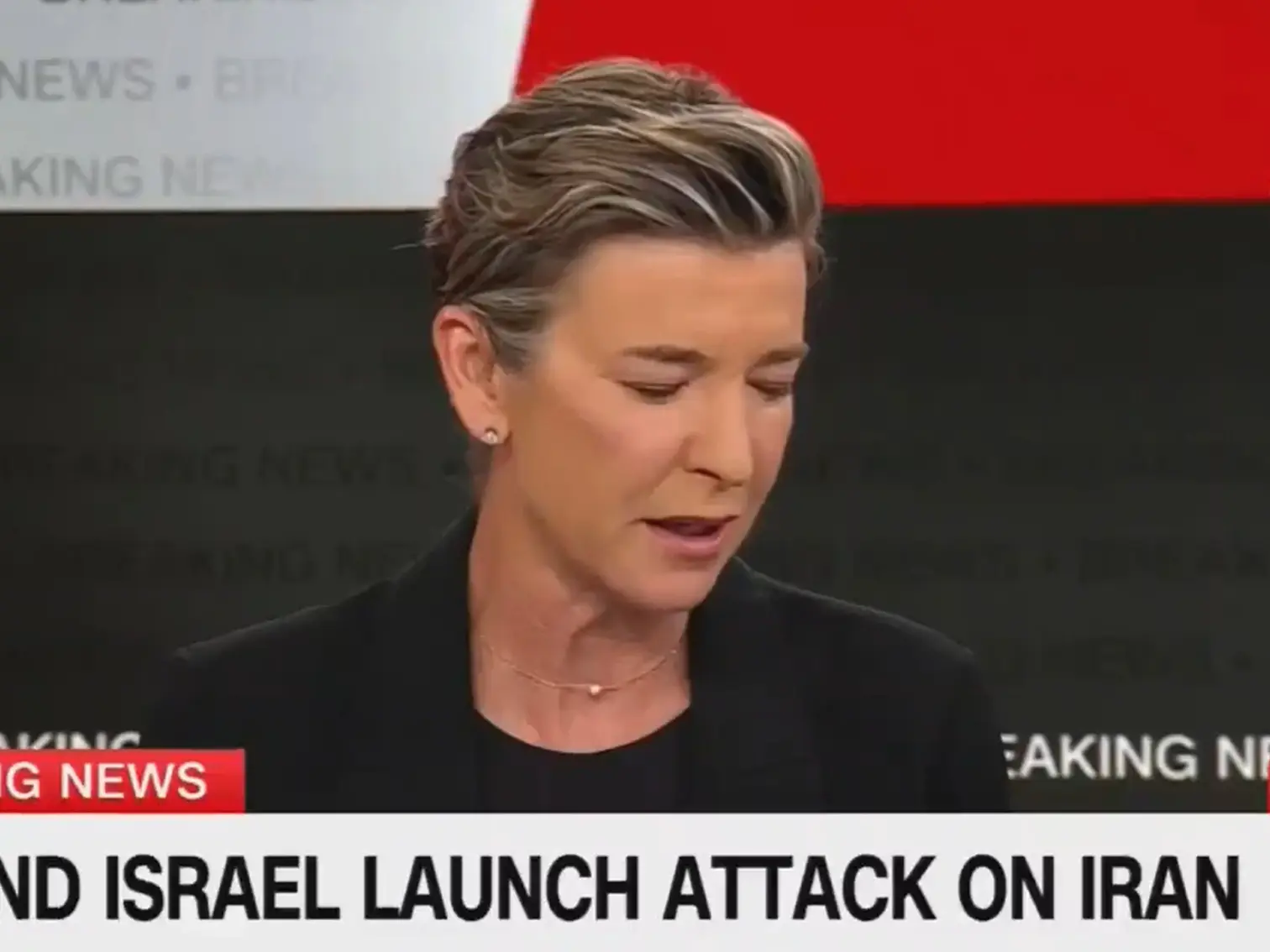
CNN host Becky Anderson Photograph: (A screengrab of the viral video (X))
The sirens were reportedly triggered by the interception of ballistic missiles launched by Iran’s Revolutionary Guards as part of retaliation for the joint US–Israel strikes on the Islamic Republic on Saturday.
Amid the raging conflict in West Asia, a dramatic moment unfolded on live television when a CNN anchor based in Abu Dhabi was forced to evacuate the studio during a live broadcast. Host Becky Anderson was providing breaking coverage of the escalating US–Israel–Iran conflict when the loud, undulating tone of the city’s emergency sirens became audible in the background of the studio feed.
In a moment of professional composure under pressure, Anderson paused to acknowledge the sirens, informed viewers that the team was following safety protocols, and moved off camera. CNN briefly cut to a graphic or pre-recorded segment before switching coverage to its London or Atlanta bureaus.
The sirens were reportedly triggered by the interception of ballistic missiles launched by Iran’s Revolutionary Guards as part of retaliation for the joint US–Israel strikes on the Islamic Republic on Saturday.
While the UAE’s air defences, including the Patriot and THAAD systems, reportedly intercepted most incoming threats, shrapnel from one interception was said to have caused a fatality and minor damage in the city.
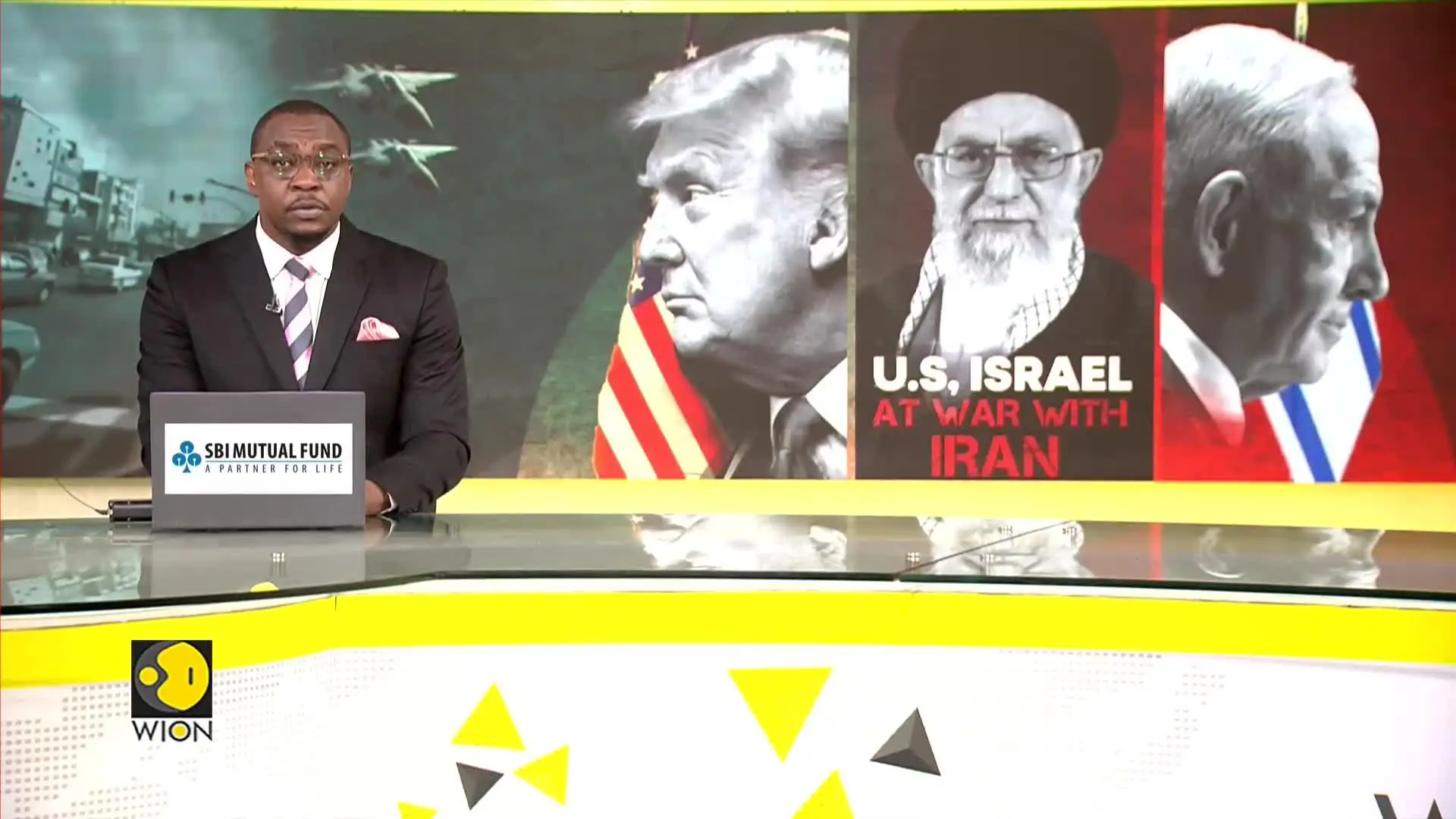
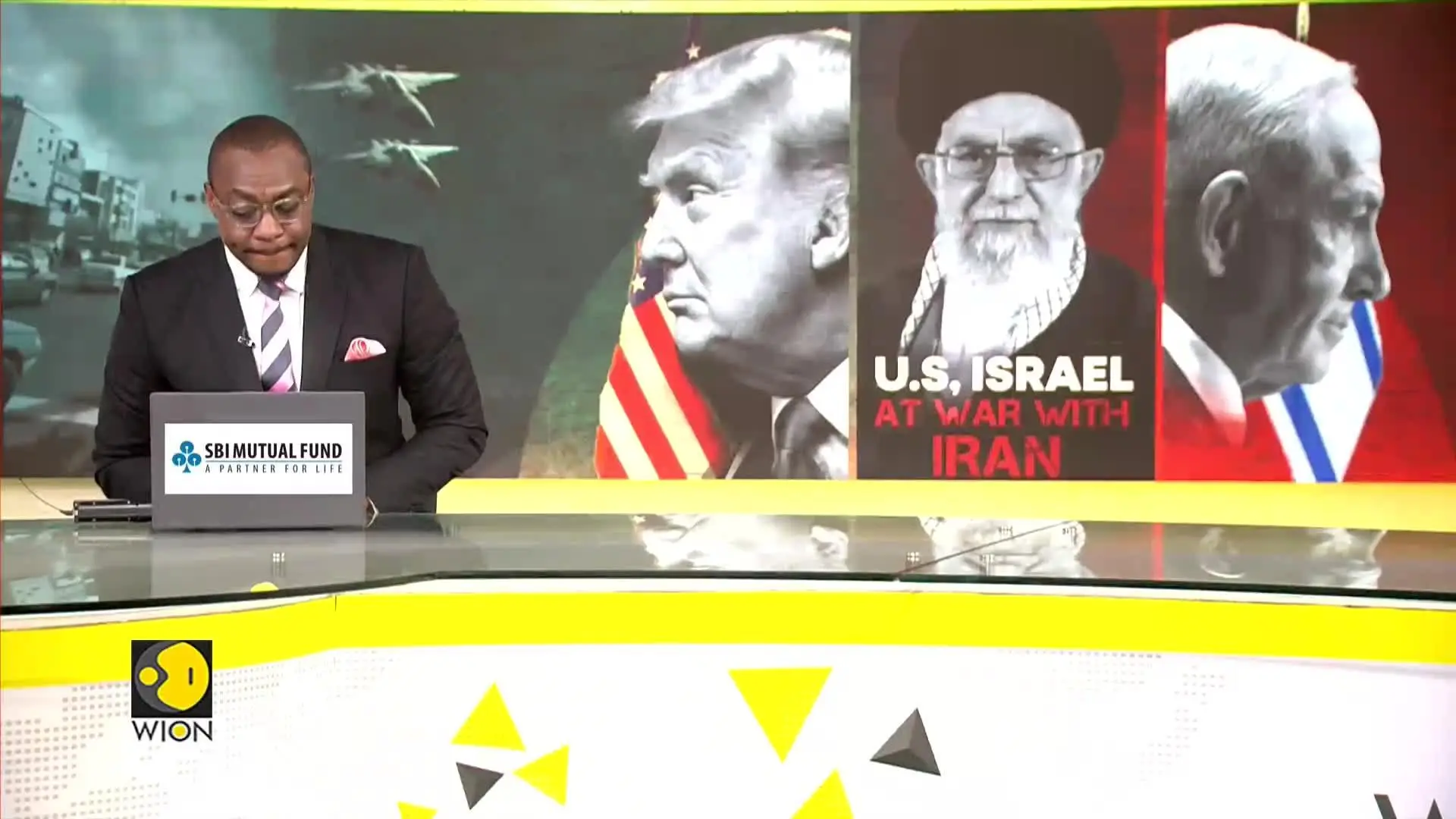
These developments come after the United States and Israel jointly struck targets across Iran following the failure of recent nuclear talks in Oman and Switzerland. The military strikes, named Operation Roaring Lion by Israel and Operation Epic Fury by the United States, hit over 30 sites across Iran, including government buildings in Tehran and suspected nuclear facilities.
In retaliation, Iran’s Islamic Revolutionary Guard Corps (IRGC) initiated Operation True Promise 4, targeting Israel and American bases across West Asia. Tehran launched missiles toward the US Navy’s Fifth Fleet in Manama, Bahrain, and Al Udeid Air Base in Qatar, the largest US military installation in the Middle East.
(Disclaimer: WION takes utmost care to accurately and responsibly report ongoing conflicts in West Asia involving Israel, Iran, the US, Gulf nations and non-state actors like Hezbollah, Hamas, Houthis, Islamic State, and others. Claims and counterclaims, disinformation and misinformation are being made online and offline. Given this context, WION cannot independently verify the authenticity of all statements, social media posts, photos and videos.)
Trending Stories
&imwidth=280&imheight=210&format=webp&quality=medium)
&imwidth=280&imheight=210&format=webp&quality=medium)
&imwidth=280&imheight=210&format=webp&quality=medium)
&imwidth=280&imheight=210&format=webp&quality=medium)
&imwidth=280&imheight=210&format=webp&quality=medium)
&imwidth=280&imheight=210&format=webp&quality=medium)
&imwidth=280&imheight=210&format=webp&quality=medium)
&imwidth=280&imheight=210&format=webp&quality=medium)
&imwidth=280&imheight=210&format=webp&quality=medium)
&imwidth=280&imheight=210&format=webp&quality=medium)
&imwidth=280&imheight=210&format=webp&quality=medium)
&imwidth=280&imheight=210&format=webp&quality=medium)
&imwidth=280&imheight=210&format=webp&quality=medium)
&imwidth=280&imheight=210&format=webp&quality=medium)
&imwidth=280&imheight=210&format=webp&quality=medium)
&imwidth=280&imheight=210&format=webp&quality=medium)
&imwidth=280&imheight=210&format=webp&quality=medium)
&imwidth=280&imheight=210&format=webp&quality=medium)
&imwidth=280&imheight=210&format=webp&quality=medium)
&imwidth=280&imheight=210&format=webp&quality=medium)
&imwidth=280&imheight=210&format=webp&quality=medium)
&imwidth=280&imheight=210&format=webp&quality=medium)
&imwidth=280&imheight=210&format=webp&quality=medium)
&imwidth=280&imheight=210&format=webp&quality=medium)
&imwidth=280&imheight=210&format=webp&quality=medium)
&im=FitAndFill=(700,400)&imwidth=280&imheight=210&format=webp&quality=medium)
&im=FitAndFill=(700,400)&imwidth=280&imheight=210&format=webp&quality=medium)
&imwidth=280&imheight=210&format=webp&quality=medium)
&imwidth=280&imheight=210&format=webp&quality=medium)
&imwidth=280&imheight=210&format=webp&quality=medium)
&imwidth=280&imheight=210&format=webp&quality=medium)
&imwidth=280&imheight=210&format=webp&quality=medium)
&imwidth=280&imheight=210&format=webp&quality=medium)
&imwidth=280&imheight=210&format=webp&quality=medium)
&imwidth=280&imheight=210&format=webp&quality=medium)
&imwidth=280&imheight=210&format=webp&quality=medium)
&imwidth=280&imheight=210&format=webp&quality=medium)