Indonesia wildfires: 'Carbon bomb' sickens millions as wildfires ravage ancient reserves

&imwidth=600&imheight=450&format=webp&quality=medium "Indonesia wildfires: 'Carbon bomb' sickens millions as wildfires ravage ancient reserves")
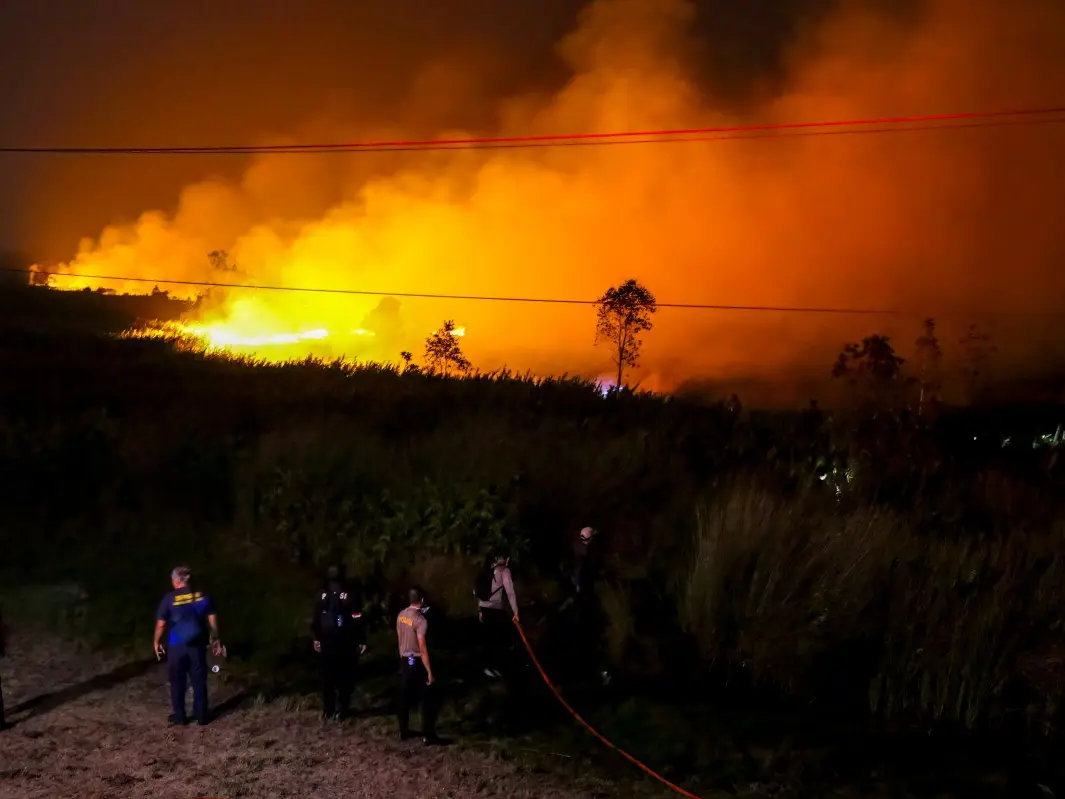
Indonesia wildfires have ravaged over 200,000 to 285,000 hectares of land. Photograph: (AFP)
Peatlands burning in Kalimantan, the Indonesian portion of Borneo, have triggered the release of ancient carbon accumulated over thousands of years. Local people are fighting the blazes, inhaling toxic gases that have shrouded regions in Brunei, Malaysia, Singapore and the Philippines.
The Indonesian wildfires are threatening the release of millions of tonnes of carbon dioxide, carbon monoxide and methane into the atmosphere. Borneo's wildfires are burning through the world's largest tropical peatland ecosystems that are hiding ancient carbon inside them. As the fires burn through the 4.5-million-hectare swathe of forest, these carbon deposits could explode, thus also lending the peats the name of "carbon bomb."
Scientists say carbon accumulates under these peatlands over thousands of years, making them a crucial reserve of the element. But this carbon can rapidly release into the atmosphere when they are burned, turning them into a carbon bomb. "Tropical peatlands in Indonesia are among the world's most effective natural carbon stores," Dr Nisa Novita, a peatland researcher at Indonesian conservation NGO Yayasan Konservasi Alam Nusantara (YKAN), told BBC.
6,000 tonnes of carbon beneath the peats
Peat deposits exceed 20 metres in depth in certain areas in Kalimantan, the Indonesian portion of the island of Borneo that is being ravaged by wildfires. According to experts, such depths could harbour more than 6,000 tonnes of carbon, almost the same as CO₂ emissions of 4,800 cars in a year. Nearly 200,000 hectares of forest and farmland across Indonesian Borneo have already released a huge amount of carbon.
The forest fires in Indonesia have spread a toxic haze over Brunei, Malaysia, Singapore and the Philippines. Air pollution levels have reached 75 times the recommendations of the World Health Organization (WHO).
Toxic gases shroud massive areas
Trending Stories
&imwidth=280&imheight=210&format=webp&quality=medium)
&imwidth=280&imheight=210&format=webp&quality=medium)
&imwidth=280&imheight=210&format=webp&quality=medium)
&imwidth=280&imheight=210&format=webp&quality=medium)
&imwidth=280&imheight=210&format=webp&quality=medium)
&imwidth=280&imheight=210&format=webp&quality=medium)
&imwidth=280&imheight=210&format=webp&quality=medium)
&imwidth=280&imheight=210&format=webp&quality=medium)
&imwidth=280&imheight=210&format=webp&quality=medium)
&imwidth=280&imheight=210&format=webp&quality=medium)
&imwidth=280&imheight=210&format=webp&quality=medium)
&imwidth=280&imheight=210&format=webp&quality=medium)
&imwidth=280&imheight=210&format=webp&quality=medium)
&imwidth=280&imheight=210&format=webp&quality=medium)
&imwidth=280&imheight=210&format=webp&quality=medium)
&imwidth=280&imheight=210&format=webp&quality=medium)
&imwidth=280&imheight=210&format=webp&quality=medium)
&imwidth=280&imheight=210&format=webp&quality=medium)
&imwidth=280&imheight=210&format=webp&quality=medium)
&imwidth=280&imheight=210&format=webp&quality=medium)
&imwidth=280&imheight=210&format=webp&quality=medium)
&imwidth=280&imheight=210&format=webp&quality=medium)
&imwidth=280&imheight=210&format=webp&quality=medium)
&im=FitAndFill=(700,400)&imwidth=280&imheight=210&format=webp&quality=medium)
&imwidth=280&imheight=210&format=webp&quality=medium)
&imwidth=280&imheight=210&format=webp&quality=medium)
&imwidth=280&imheight=210&format=webp&quality=medium)
&imwidth=280&imheight=210&format=webp&quality=medium)
&imwidth=280&imheight=210&format=webp&quality=medium)
&imwidth=280&imheight=210&format=webp&quality=medium)
&imwidth=280&imheight=210&format=webp&quality=medium)
&imwidth=280&imheight=210&format=webp&quality=medium)
&imwidth=280&imheight=210&format=webp&quality=medium)
According to Indonesia's Health Ministry, 50,000 cases of respiratory infections were recorded in the country between July and August, including 12,000 children. The emissions are coming from the peat fires, with carbon monoxide and very fine particulate matter being inhaled by people in the region. Volunteer firefighters are risking their lives to put out the blaze in the peat. They are digging ponds and canals to make ad hoc irrigation systems to combat subterranean fires.
Fuelled by strong El Niño dry conditions, wildfires have gripped Sumatra and Kalimantan (Borneo). Over 200,000 to 285,000 hectares have burned across the region since the start of the year. Emissions reached the highest levels in August in decades. Over 10 million people have been affected, with local health authorities reporting tens of thousands of acute respiratory infections.

