AI is decoding animal sounds: Is it possible we could soon talk to animals?

&imwidth=600&imheight=450&format=webp&quality=medium "AI is decoding animal sounds: Is it possible we could soon talk to animals?")
AI is turning thousands of animal sounds into data. What scientists hope to discover
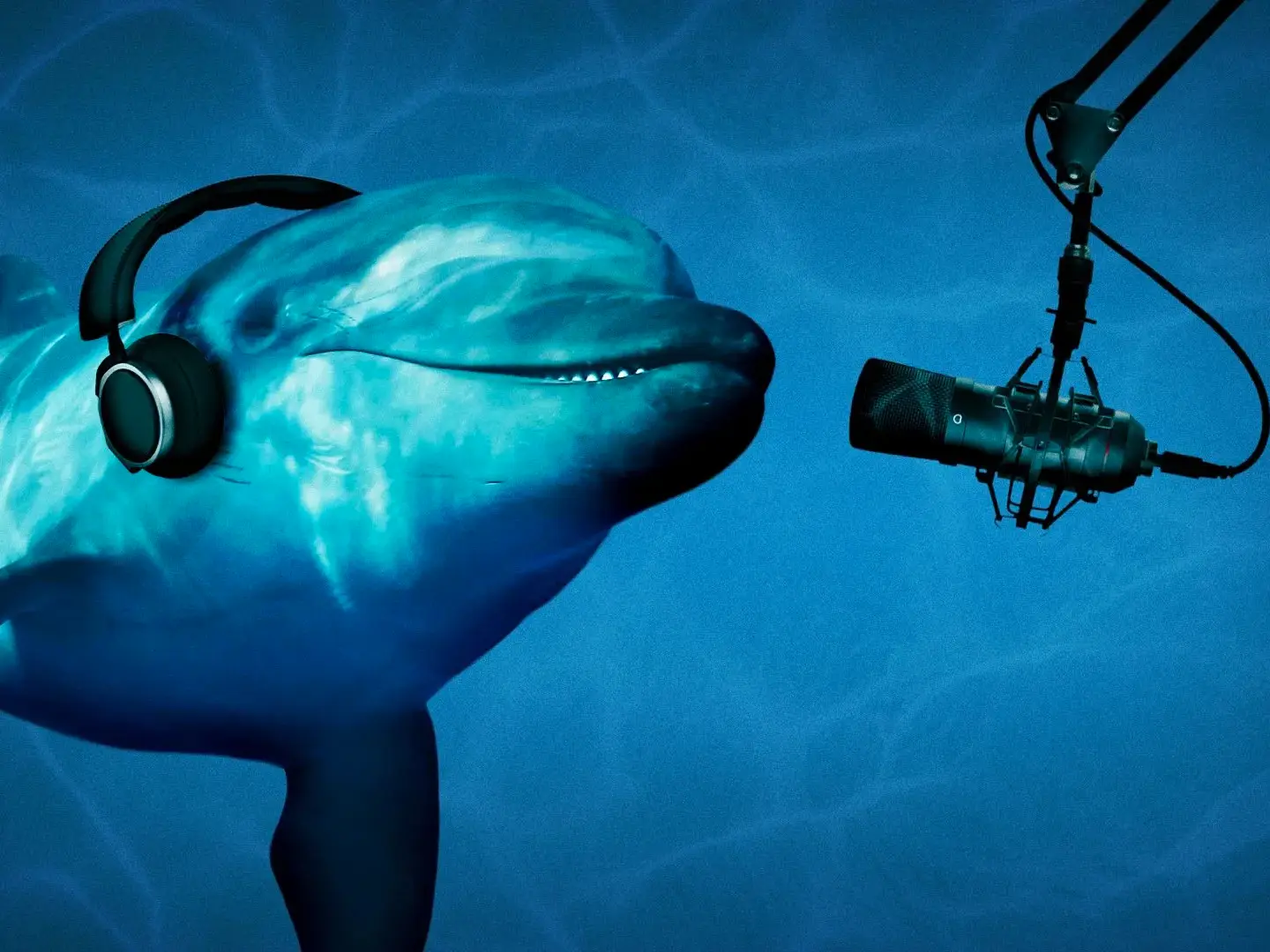
AI is helping scientists analyse huge collections of animal sounds, including crow calls, in a search for patterns humans cannot detect. Researchers hope this could eventually enable communication with animals, but experts warn the technology could also be misused.
Artificial intelligence is no longer being used only to analyse human language. Scientists are now using it to study how animals communicate, raising an extraordinary possibility: could AI eventually help humans understand or even communicate with other species?
According to Bloomberg, researchers are using machine learning to process enormous collections of animal sounds that would be almost impossible to study manually. The work spans species including crows, whales and wolves, with scientists looking for patterns hidden inside thousands of recordings.
AI helps decode crow calls
Biologist Vittorio Baglione has spent around three decades studying carrion crows in Spain.
In 2018, he and his research partner Daniela Canestrari fitted small microphones to 43 birds. The experiment produced thousands of hours of recordings involving adult crows, chicks and other birds.
The collection has since grown to about 150,000 recordings. Researchers turned to an AI model developed by the Earth Species Project to separate sounds and identify which birds produced them. One call particularly interested Baglione. He observed that when a buzzard attacked a crow's nest, the bird produced a soft sound before other crows arrived to defend it.
Trending Stories
&imwidth=280&imheight=210&format=webp&quality=medium)
&imwidth=280&imheight=210&format=webp&quality=medium)
&imwidth=280&imheight=210&format=webp&quality=medium)
&imwidth=280&imheight=210&format=webp&quality=medium)
&imwidth=280&imheight=210&format=webp&quality=medium)
&imwidth=280&imheight=210&format=webp&quality=medium)
&imwidth=280&imheight=210&format=webp&quality=medium)
&imwidth=280&imheight=210&format=webp&quality=medium)
&imwidth=280&imheight=210&format=webp&quality=medium)
&imwidth=280&imheight=210&format=webp&quality=medium)
&imwidth=280&imheight=210&format=webp&quality=medium)
&imwidth=280&imheight=210&format=webp&quality=medium)
&imwidth=280&imheight=210&format=webp&quality=medium)
&imwidth=280&imheight=210&format=webp&quality=medium)
&imwidth=280&imheight=210&format=webp&quality=medium)
&imwidth=280&imheight=210&format=webp&quality=medium)
&imwidth=280&imheight=210&format=webp&quality=medium)
&imwidth=280&imheight=210&format=webp&quality=medium)
&imwidth=280&imheight=210&format=webp&quality=medium)
&imwidth=280&imheight=210&format=webp&quality=medium)
&imwidth=280&imheight=210&format=webp&quality=medium)
&imwidth=280&imheight=210&format=webp&quality=medium)
&imwidth=280&imheight=210&format=webp&quality=medium)
&im=FitAndFill=(700,400)&imwidth=280&imheight=210&format=webp&quality=medium)
&imwidth=280&imheight=210&format=webp&quality=medium)
&imwidth=280&imheight=210&format=webp&quality=medium)
&imwidth=280&imheight=210&format=webp&quality=medium)
&imwidth=280&imheight=210&format=webp&quality=medium)
&imwidth=280&imheight=210&format=webp&quality=medium)
&imwidth=280&imheight=210&format=webp&quality=medium)
&imwidth=280&imheight=210&format=webp&quality=medium)
&imwidth=280&imheight=210&format=webp&quality=medium)
&imwidth=280&imheight=210&format=webp&quality=medium)
He interpreted the call as roughly meaning: “Hey! Come help!” That does not prove crows have a human-like language. But AI could help scientists test whether repeated sounds consistently correspond to particular situations.
Could AI let humans talk to animals?
The potential is enormous. Researchers are combining huge amounts of audio and visual data to search for patterns across animal behaviour. Investor and animal-communication supporter Jeremy Coller has predicted that two-way communication could become possible by 2030.
But animal communication is far more complex than speech. Animals can use sounds, smells, colours, movements and even sonar. That means simply translating animal sounds may not be enough. AI may need to understand the animal's surroundings and behaviour at the same time.
The technology could also harm animals
There is another side to the breakthrough.
Experts warn that understanding animal communication could make it easier to manipulate animals at scale. César Rodríguez-Garavito, director of NYU’s More-Than-Human Life Program, has warned that AI could create “greater harm at scale”.
Researchers are particularly concerned about playback experiments, in which recorded calls are played back to animals to study their reactions. Baglione has warned that such experiments can cause stress and disrupt social groups. The race to understand animals, therefore, comes with a difficult question: if AI can crack the code, who should be allowed to use it and how?
