Banning ?The Adivasi will not dance?, the absurdity of it all

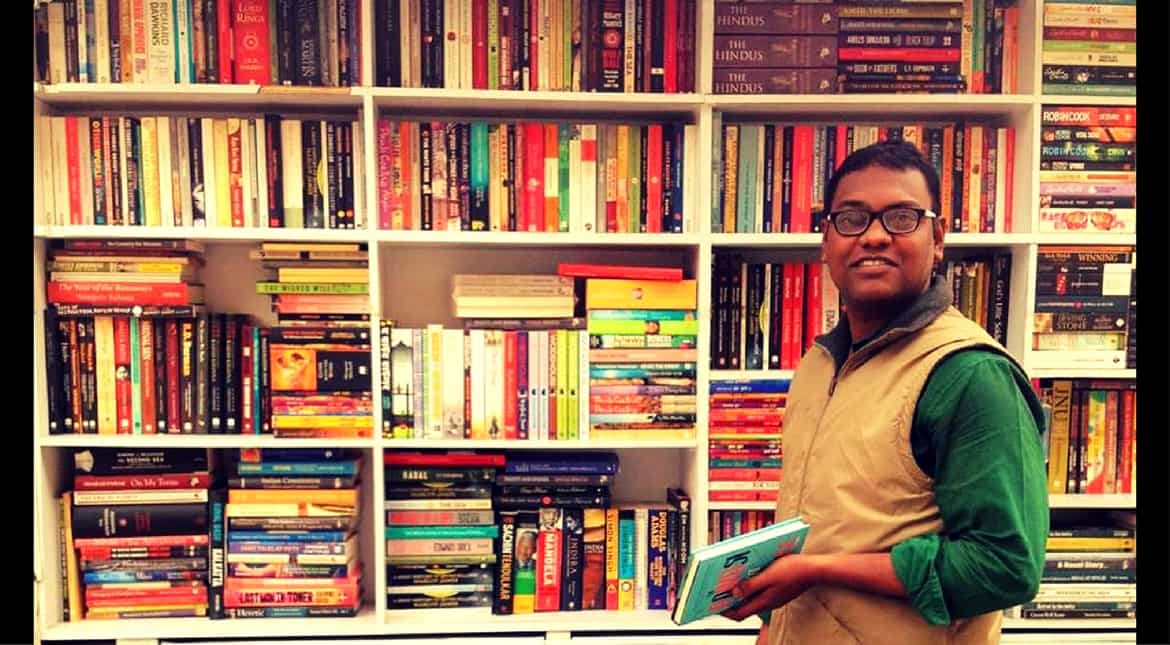
Banning of the book "The Adivasi will not dance"
From restraining Salman Rushdie to Taslima Nasrin's book, and now Hansda Sowvendra Shekhar's award winning book, India is best known for literary censorship.
Last Friday (11th of August) the Jharkhand government banned ‘The Adivasi will not dance’, a Sahitya Akademi award winning book. Hansda Sowvendra Shekhar, the author of the book has been accused of promoting pornographic literature. Legislators across the political spectrum in Jharkhand have argued that the book has failed in depicting the reality and, thus, portrayed the tribal women in a bad light. Mr Shekhar has been subjected to legal proceedings which may eventually send him to jail.
Reality can, after all, be an illusion, and we do not need any Albert Einstein to convince us. Even our pea-sized brains know how to convert a reality into an illusion – just close our eyes, live in our own cocoons and fervently hope that the others would do the same. Our daily dose of mainstream news coverage, Facebook activities and professional engagements would additionally ensure that even this illusion would never be persistent.

And then, all of a sudden a person from our very own cohort rises - asks uncomfortably probing questions and casually tries to get rid of our blinders. One of our own! How can we hold the sense of betrayal buried deep down in our heart? We can not, we call for revenge. Everybody who has lost their blinders' calls for revenge.
So what can be done? To start with, we ask for a ban on the books written by these traitors. Later, perhaps we would demand to taste their blood.
)
Nigeria: Protesters take to the streets, police fire shots
)
US-Iran war: Tehran draws red lines — seven demands before any peace talks
&im=FitAndFill=(700,400))
‘Not the US or China’: These are the countries leading the world in arable land
)
Mark Carney mimics Trump in hilarious moment over C$70 billion clean-energy investment; room erupts in laughter
)
Pentagon revives mandatory testosterone testing for male troops aged 30 and above
)
Iran rebuilding nuclear facilities? New satellite images show Tehran may be rapidly restoring bombed Parchin base
)
FACT CHECK: Why did PM Modi ask Xi ‘is it okay’ at BRICS Summit? New video reveals...
)
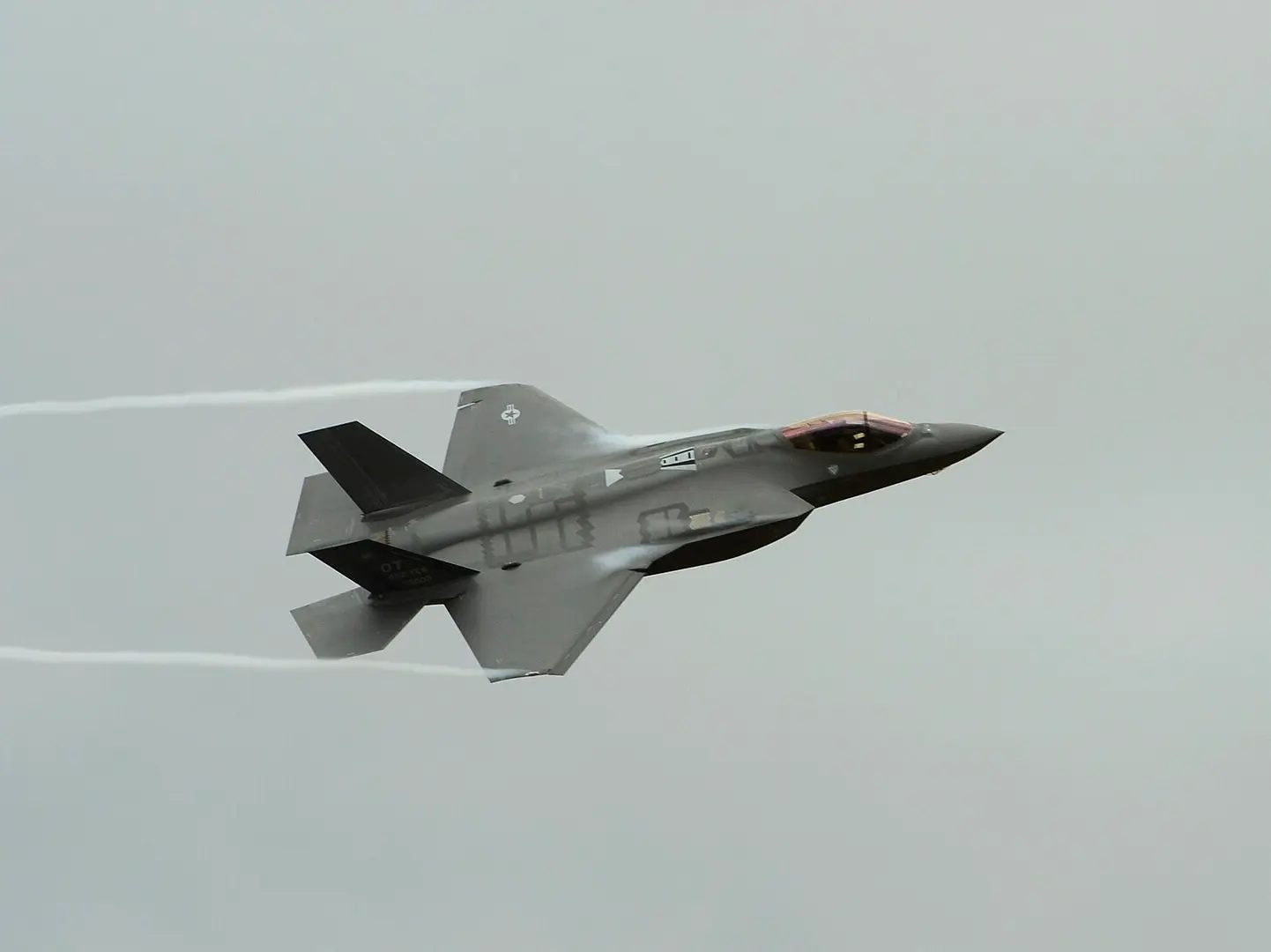
China may have gained access to US's classified F-35 jets; parts meant for repairs diverted to Hong Kong, sparking Pentagon inquiry
)
Trump announces ‘AI Force’ as debate grows over AI risks and regulation
)
Iran sets 7 conditions to end war with US: What are Tehran’s demands?
)
Trump defends AI amid growing alarm, announces new 'AI force' and promises an 'AI czar'
)
Gaza under attack: Health chief's son killed in IDF strikes
)
Arvind Kejriwal, family members, Delhi CM Rekha Gupta get SIR notices
)
Cochin shipyard starts building Indian Navy's next-gen missile vessels
)
Russia extends ban on Western food imports for two more years in extended sanctions countermeasure
)
Brigitte Bardot’s private collection set for Paris auction; key items and prices revealed
)
How did an Australian river with 500 crocodiles pass the Olympic test? Here's how
)
‘Will go to any extent’: Pakistan vows to defend Saudi Arabia amid Houthi attacks
&im=FitAndFill=(700,400))
Ananya Panday to Sharvari: 5 actresses serving major princess vibes
66 years of the Indus Waters Treaty: How India and Pakistan settled a bitter river dispute
)
The Verdict | When precision fails: US commits war crime in Minab school strike, UN finds
)
Trump signs Russia sanctions bill into law, targets Moscow’s energy sector
)
Pak: A series of counter terrorism operations in Khyber Pakhtunkhwa
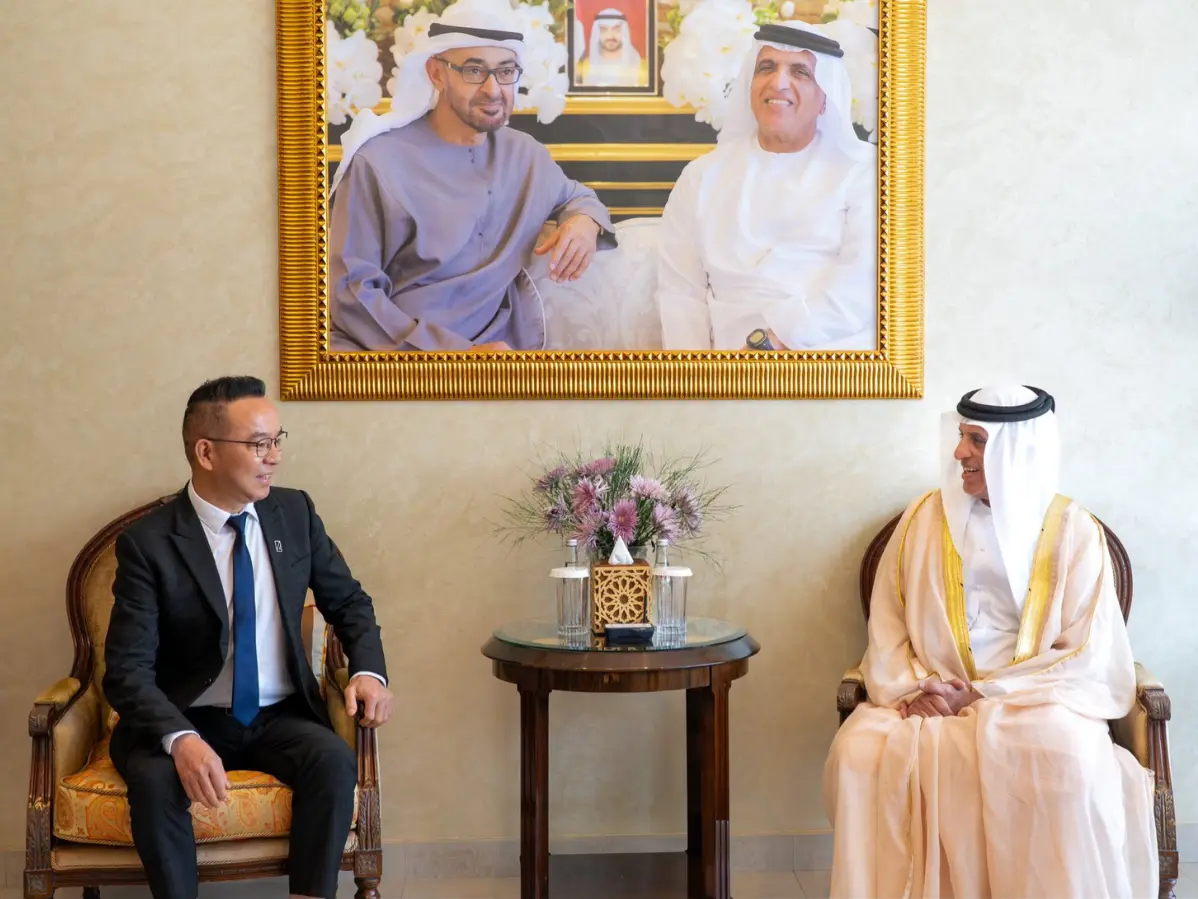)
Flying cars in UAE: Ras Al Khaimah signs deal with Chinese company to test new transport
)
Reacher star Alan Ritchson opens up about alleged blackmail, suicide attempt during difficult period
)
Africa is splitting, and a lot sooner than estimated, giving way to a new ocean
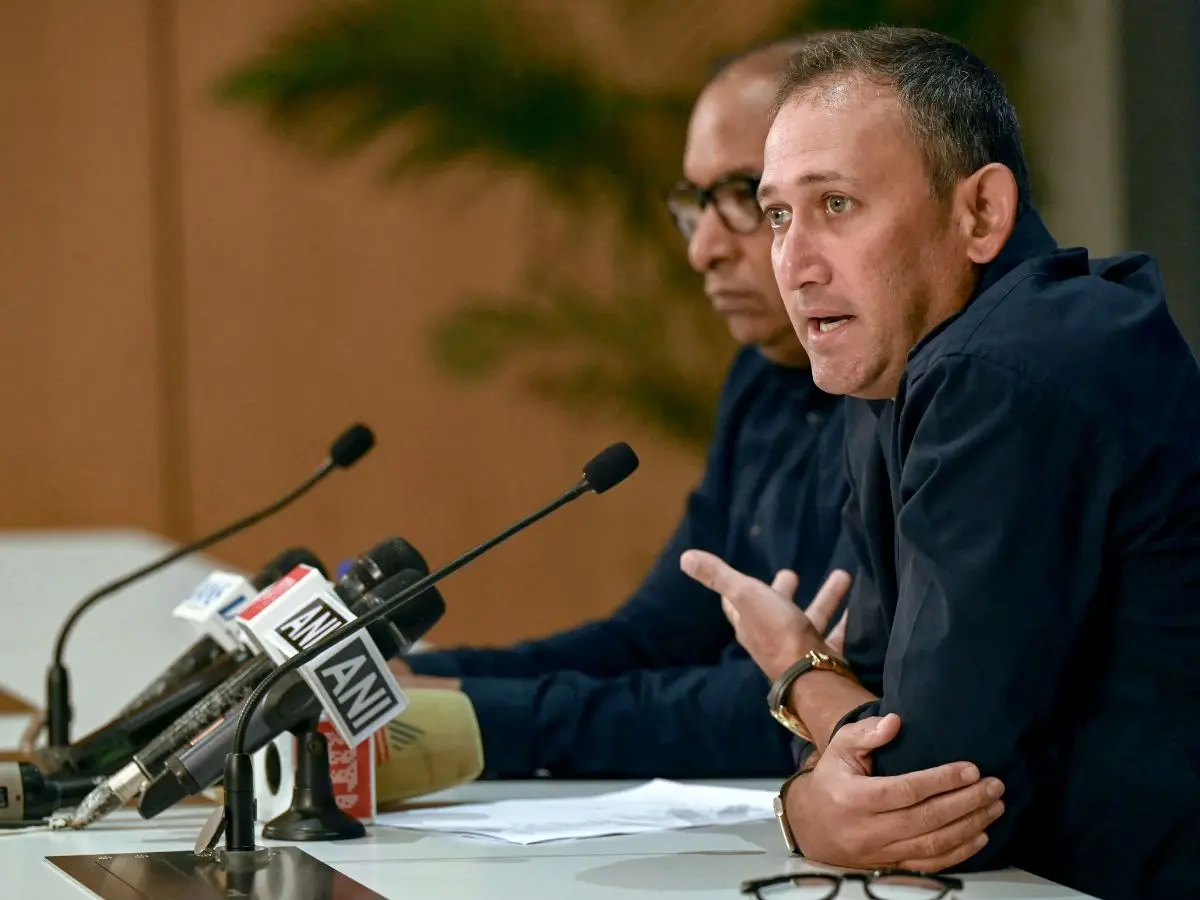)
Ajit Agarkar’s future as chief selector to be decided at right time, says BCCI secretary
)
Trump bans CNN, MS NOW and Politico from White House over ‘FAKE NEWS’
)
Trump 2.0: Dark days ahead for America’s ‘imperial presidency’
&im=FitAndFill=(700,400))
How many F-35s does Britain, Japan and Israel have?
)
Harry Brook targets long reign at top of T20I rankings after Sri Lanka sweep
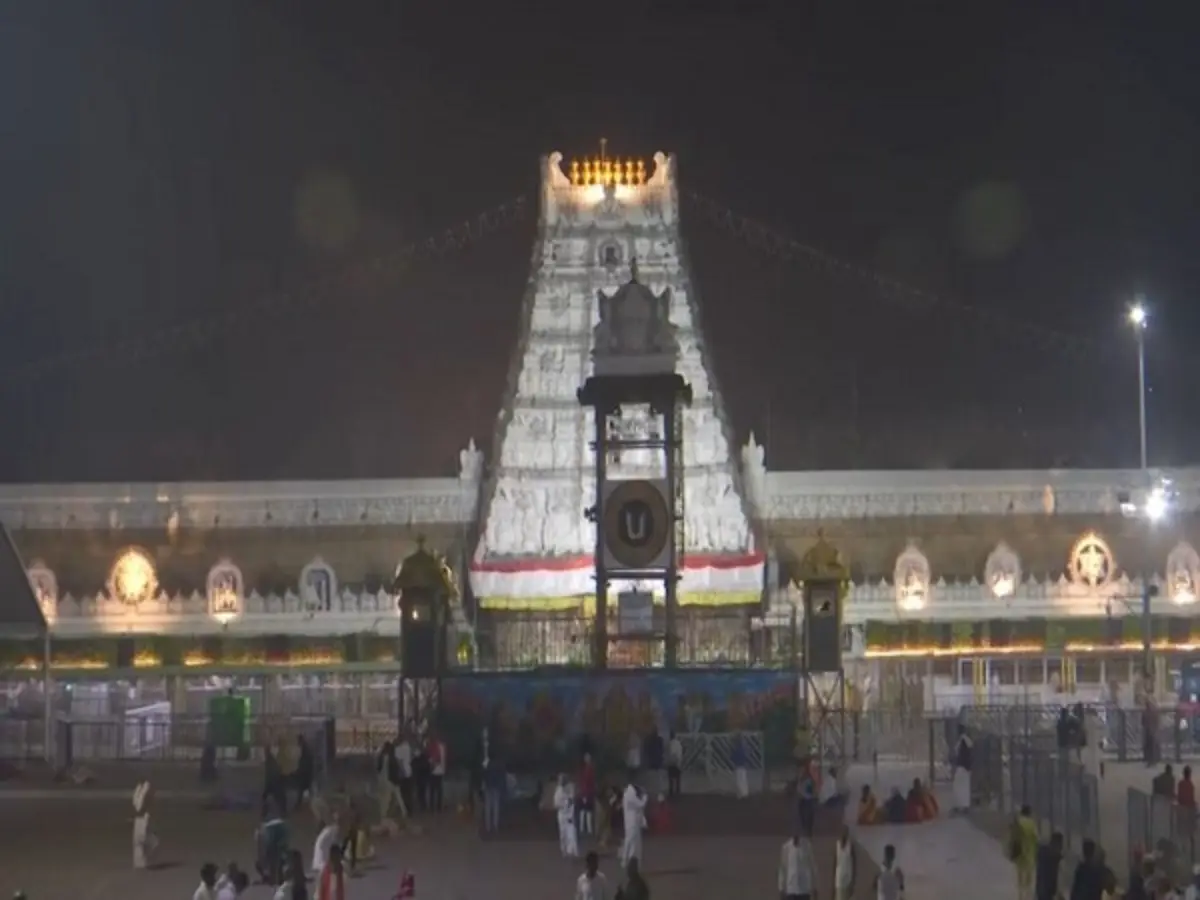)
Tirupati Laddu ghee adulterated with chemicals, says ED, supplier arrested
)
Russia holds first parliamentary elections since the beginning of the Ukraine war
&im=FitAndFill=(700,400))
Meet top 5 Indian batters with fastest T20I centuries
)
‘System run by six individuals’: Rahul Gandhi targets PM Modi, Amit Shah, NSA Doval
)
U.R. Ananthamurthy was lucky, in spite of the fierce criticism coming from a section of his fellow Kannada Brahmins, neither his book ‘Samskara’ was banned nor did he end up in exile. Salman Rushdie and Taslima Nasrin were not so blessed. India was the first country to ban Rushdie’s ‘Satanic Verses’, which was nominated for the prestigious Booker Prize. In the case of Taslima, two of her books, ‘Dwikhandito’ and ‘Nirbasan’ could not be released in Bengal. When she was kicked out of Kolkata in 2007, then to her fellow Bengalis remained comfortably silent. Perhaps her books being banned was a boon in disguise, otherwise, she could have met the same fate as M.M. Kalburgi. When Kalburgi’s books and writings could not be banished, he was murdered.
Among the democratically elected nations, India has always been on the forefront of literary censorship. The news of banning a certain book thus does not surprise us, we must have become quite habituated with such news. But at times the absurdity in reasoning baffles us. The sheer tomfoolery of the aggrieved party seems so annoying that even our pea-sized brains cannot take it anymore. We, for once, should wake up to the reality.
Take, for instance, the case of ‘The Adivasi will not dance’ which by the way is an anthology of short stories. The legislators from BJP, Congress and Jharkhand Mukti Morcha are, particularly, perturbed with a story named ‘November is the month of migration’. The story, which is literally short (only two and a half pages long), has been tagged as pornographic. It has been alleged that Mr Shekhar has created a promiscuous protagonist for this story who has hurt the dignity of the tribal women.
Absurdity in contemporary India comes to a dime a dozen, from performing yajna for Donald Trump to theorising about interplanetary travel in the Vedic age, you name it. Visualising the twenty-year-old Talamai Kisku, the protagonist of Mr Shekhar’s story, as a promiscuous woman is as absurd as the aforementioned ones. Talamai has come from Santhal Pargana to the Bardhaman district of West Bengal in search of a job and some food. She does not find a job but instead finds a policeman who lures her with a cold bread pakora. Not just the bread pakora, in exchange for sex, Talamai is supposed to get some money too.
Mr Shekhar writes, “Talamai takes care not to scream, or even wince. She knows the routine. She has to do nothing, only spread her legs and lie quite”. Talamai indeed does nothing. Even when the policeman squeezes her breasts or bites her nipples, she does not scream, she just keeps thinking about the promised food and the money.
Does she seem like a promiscuous woman to you? Absolutely, if you haven’t paid attention to the story I was telling you. Doesn’t it all make sense now? You did not read the story and that is how you know that Talamai Kisku has shattered the dignity of the tribal women of Jharkhand. You did not even hold the book in your hands and that is why you know that Hansda Sowvendra Shekhar must be legally prosecuted for stories which he never wrote.
I guess unlike Talamai Kisku, the legislators from Jharkhand do not visit the state of Bengal that often. Good for them. Otherwise, they could have heard about a story named ‘Draupadi’ which was written by Mahasweta Devi. Dopdi (Draupadi) Mejhen, a Santhal woman, was not looking for either money or food, she was still gang raped by the army jawans because she was enlisted as a terrorist of the state.
After regaining her senses, Draupadi refused to put on any clothing and said that she was not ashamed because she could not find a man in the army camp. Stark naked, she kept pushing the commander of the army with her two mangled breasts. Imagine the audacity of the character and her creator. How would the legislators have punished them? We all know very well that Draupadi and Talamai do exist, both in our illusion as well as in our reality. And, we have miserably failed them and millions of other tribal women. Their actions differ but they display the same indifference and despair.
I have a feeling that most of the legislators who have been asking for Mr Shekhar’s blood believe in karma. I have an advice for them, give him the ‘Jharkhand Ratna’ award, possibly a promotion too. It is already quite absurd that instead of the award he has been suspended from his job. Before the situation becomes more surreal, please take care of your karma.
‘The Adivasi will not dance’ is an outstanding book which looks at an extraordinary breadth of tribal issues that were never discussed in popular fiction. For example, the very first story of the volume, ‘They eat meat’ introduces us to a non-vegetarian tribal family who had to settle down in the western city of Vadodara where vegetarianism was the rule of the day. The daily troubles that the family dealt with are still alive and kicking, in reality. In any case, without our daily intake of silver carp or chicken, our illusory world will certainly not sustain.
Mr Shekhar deserves a thank you note for reminding us that happiness prevails only when “no one minds what we eat and we don’t mind what others eat”. And he certainly deserves much more than a thank you note (again, how about the Jharkhand Ratna?) for saying in public, for once and all, that Adivasis will not dance.
Not just the common people, even Indian auteurs such as Satyajit Ray had believed in the stereotypical images of tribal men and women dancing. Mr Shekhar’s dictum, however, does not originate from the lessons learnt from our past mistakes, the pronouncement is there because we fail to answer a simple question, “Do we have a reason to be happy”?
With such an absurd book ban in place, we certainly do not have any reason to celebrate. Not even on our independence day.