Australia to cut flights from India to contain virus risk

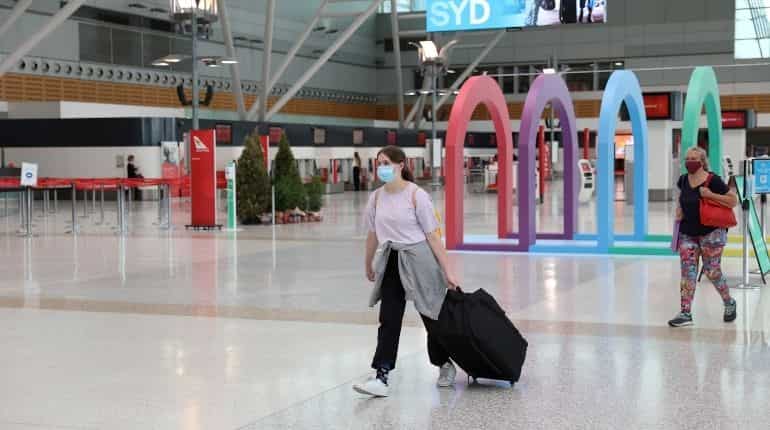
People wearing masks walk through a mostly empty domestic terminal at Sydney Airport in Sydney, Australia, December 21, 2020.
Australiawill reduce the number of its citizens able to returnfromIndiaand other red-zone countries tocontaintheriskof more virulent strains of COVID-19 spreading, the government said on Thursday as it announced changes in its vaccination programme.
The restrictions will result in a 30% reduction in directflightsfromIndiato Sydney and charteredflightsthat land in the Northern Territory.
Prime Minister Scott Morrison, speaking to reporters after a meeting of the National Cabinet, said that he would announce in the next 24 hours when the new restrictions would come into place.

"We're in the middle of a global pandemic that is raging. AndAustraliahas been successful throughout this pandemic ... to have very effective border arrangements," Prime Minister Scott Morrison said. "There will continue to be the opportunity for those to returnfromplaces likeIndiabut in very controlled circumstances."
Australiacurrently allows about 5,800 citizens or permanent residents to enter its territory each week before quarantining for two weeks in hotels. It is not clear how many of these are typicallyfromIndiaeach week.
In a massive surge of newviruscases,Indiaregistered a record number of new daily infections for anywhere in the world on Thursday, eclipsing even the United States at the height of its pandemic last year.
)
Putin's United Russia party wins 355 seats in Duma election; 4 other parties cross threshold to enter parliament
)
Delhi Air pollution: Strict crackdown on waste burning
)
‘0% chance’: Nvidia CEO Jensen Huang dismisses AI extinction fears by 2030
)
Samay Raina-Mukesh Chhabra controversy explained: What happened over girlfriend joke on India's Got Latent?
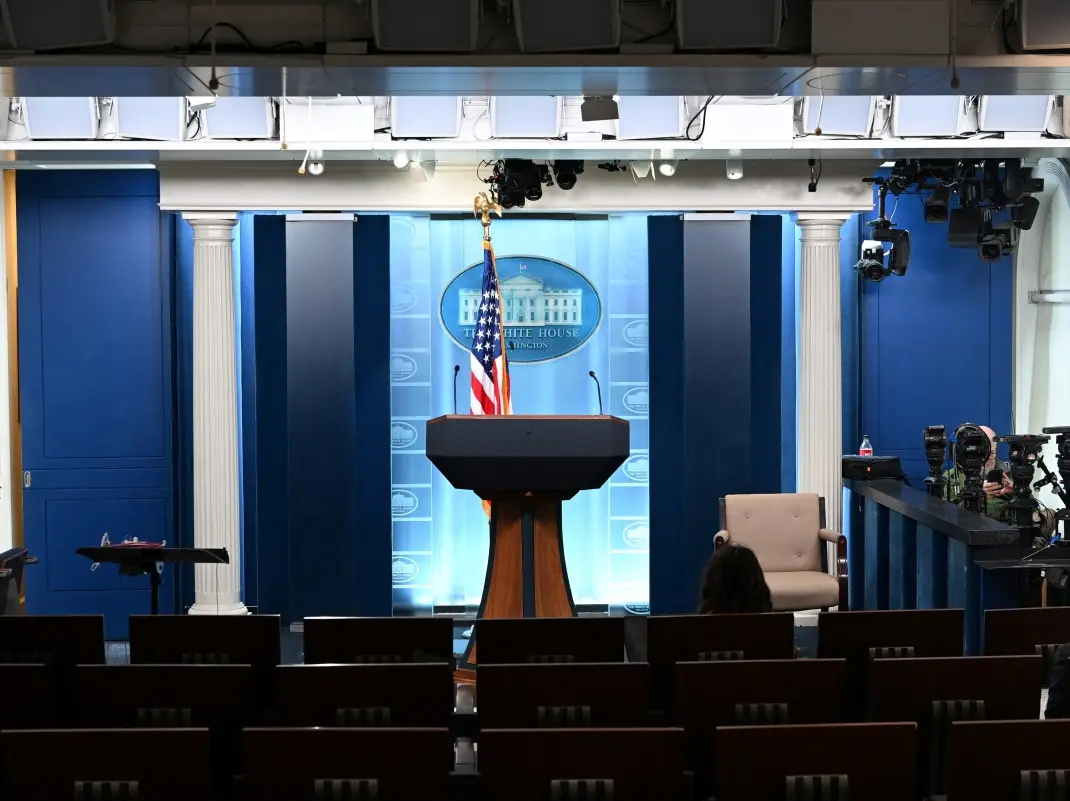)
Trump's helipad event overshadowed by audio failure as major TV networks suspend pool coverage
)
Russia-Ukraine war: Russian strikes knock out three of Ukraine's largest steel plants
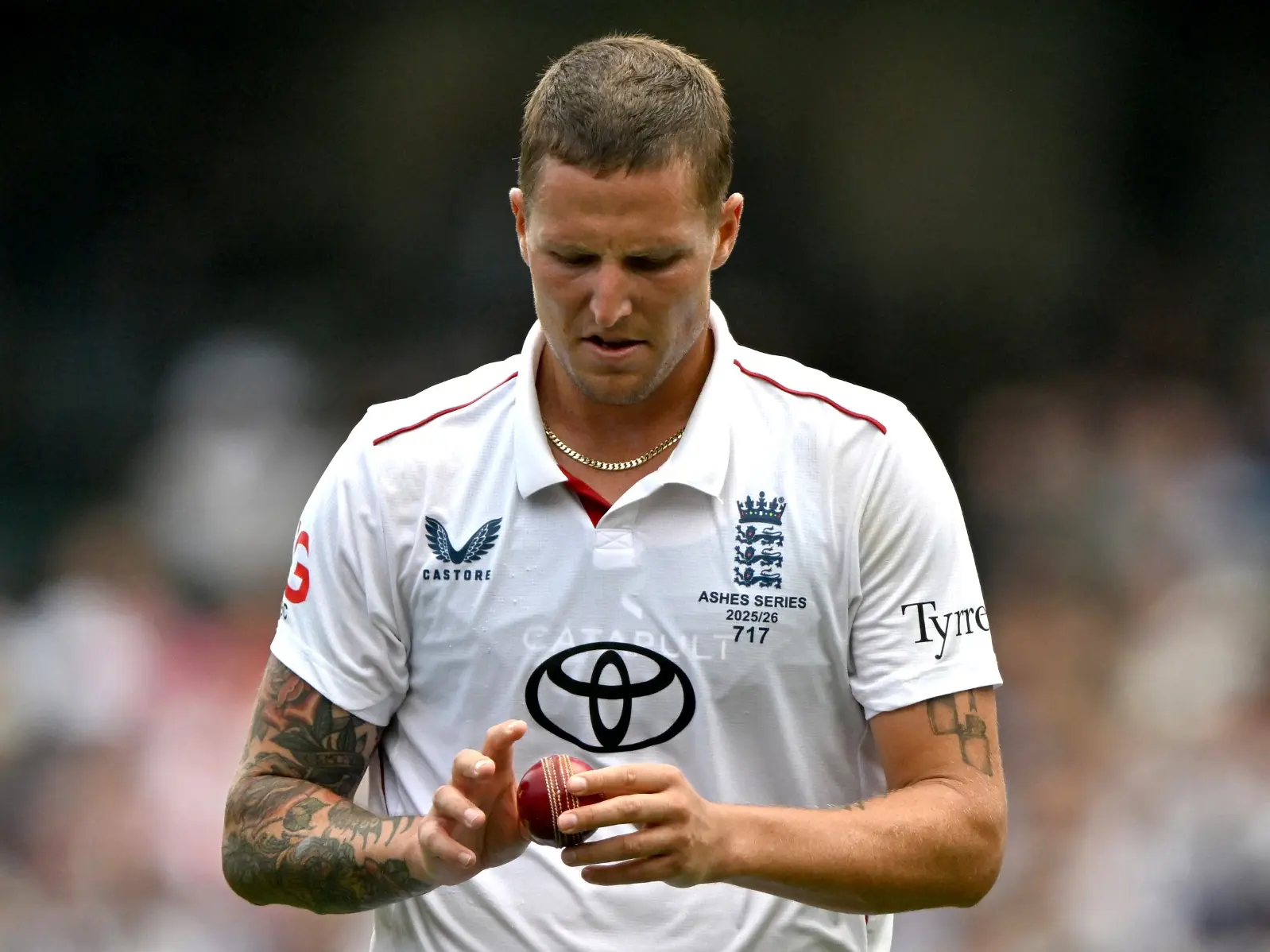)
'Needs time away from the international scene': England white-ball captain Brook on pacer Brydon Carse's future
)
Glitch in the matrix caught on camera: Woman vanishes after talking to reporter
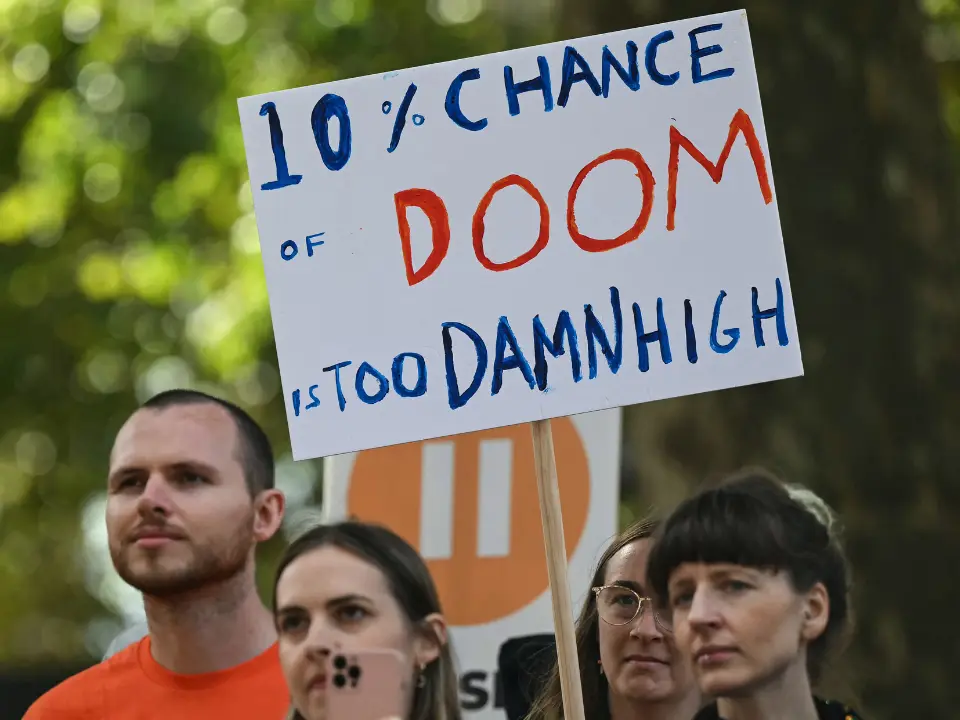)
Anti-AI activists storm summit, say 'incompetent' leaders are leading us into a disaster - 'We need a vote'
)
Samsung raises Galaxy S26 prices by Rs 20,000: Here’s what each model now costs
)
IIT Bombay tensions ease after three-hour open house; director’s assurances pacify students
)
J&K Assembly Session begins amid chaos: BJP, ruling alliance clash as statehood demand dominates
)
Bessent meets China’s He Lifeng to prepare for Trump-Xi summit
)
US and China vie for AI dominance as calls grow for regulation | Gravitas
)
FIFA chief Infantino wants to reform governing body with consultation from federations
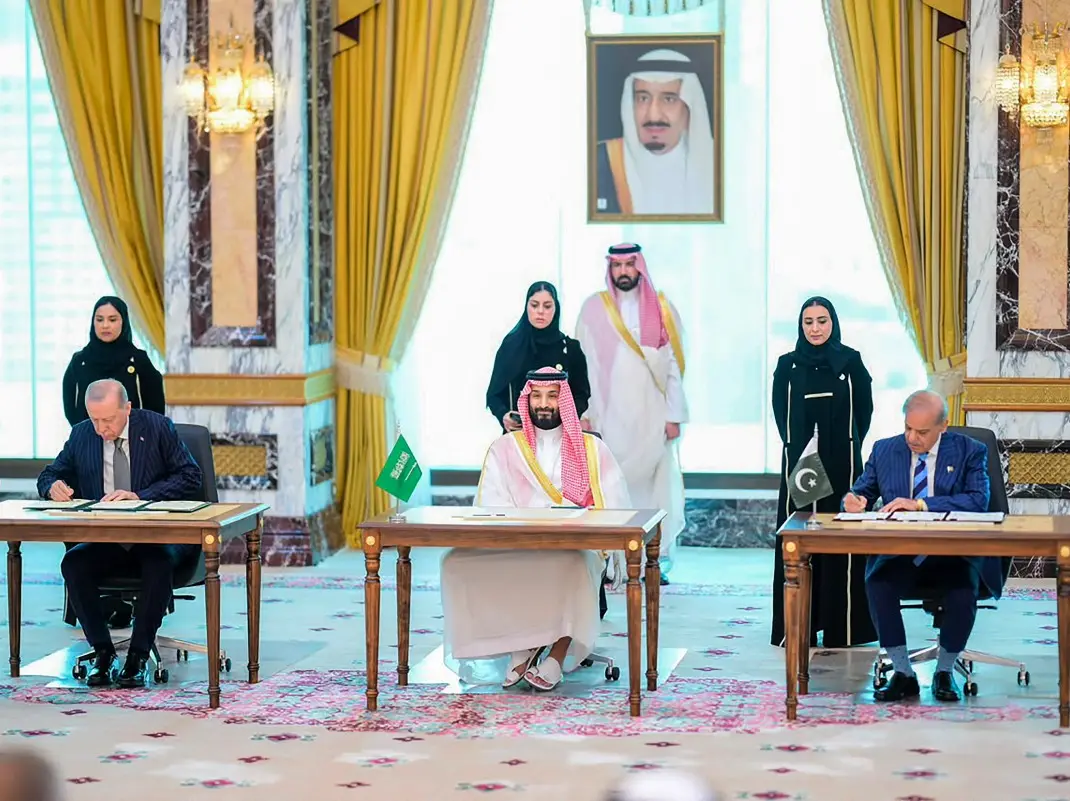)
The Verdict | The Mecca Agreement is under scrutiny as Houthis attack Saudis
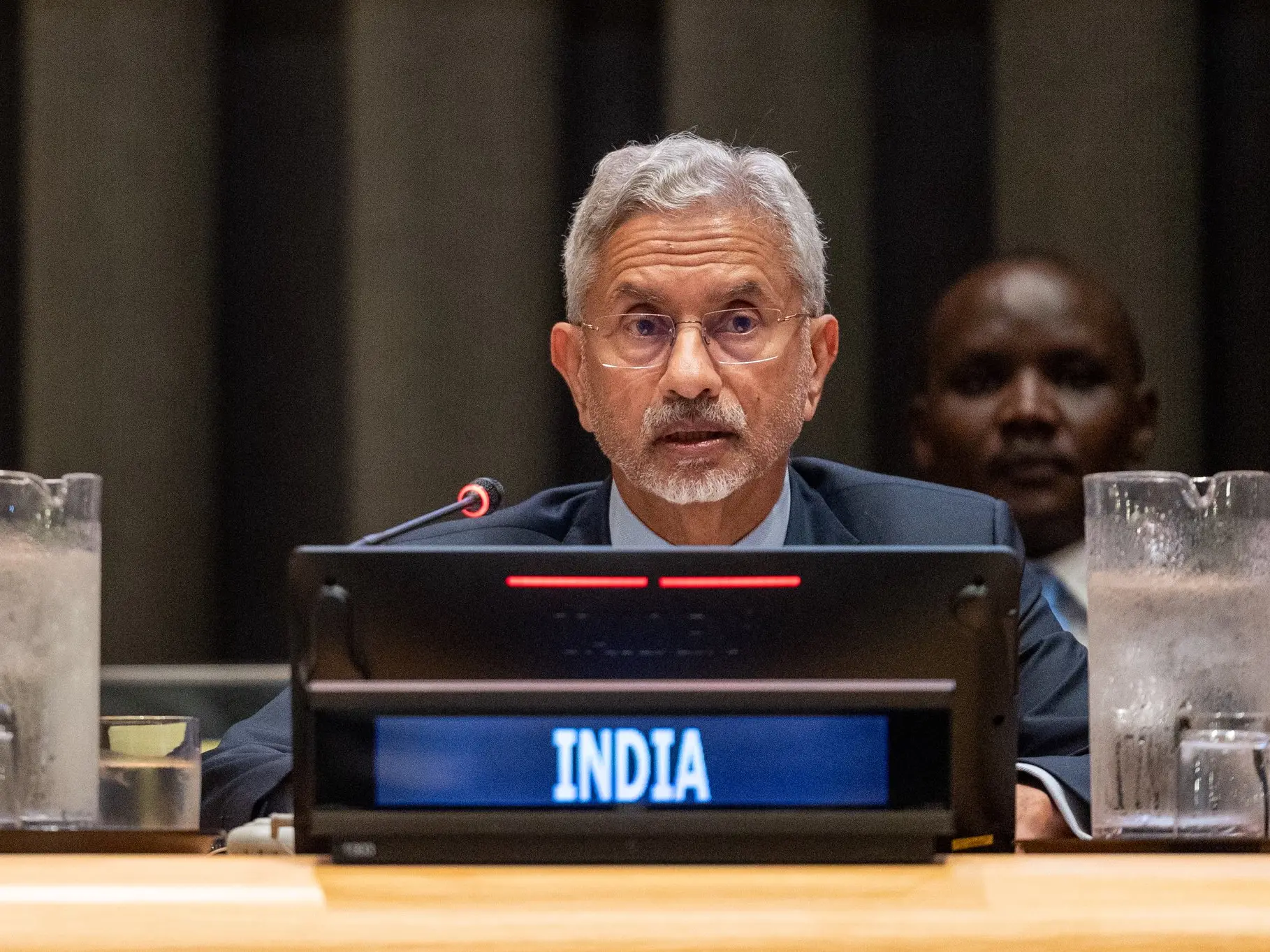)
India at UNGA81: Jaishankar warns global order under 'growing stress', pushes for ‘reformed multilateralism’
)
Saudi Arabia exits China-led mBridge digital currency platform amid Saudi-Houthi conflict
)
'Lot of things to learn from experienced players': Jayasuriya backs Rohit, Virat for 2027 ODI World Cup
)
$110 billion Warner Bros merger: Paramount reaches settlement with 12 US states
)
Mahabharat actor Saurav Gurjar arrested in Hyderabad, sent to 14-day judicial custody in sexual exploitation case
&im=FitAndFill=(700,400))
New OTT releases this week (September 21-27, 2026): Shaque: Trust No One, Hunkkaar, Don’t Be Shy- 5 new titles coming to Netflix, Prime Video and more
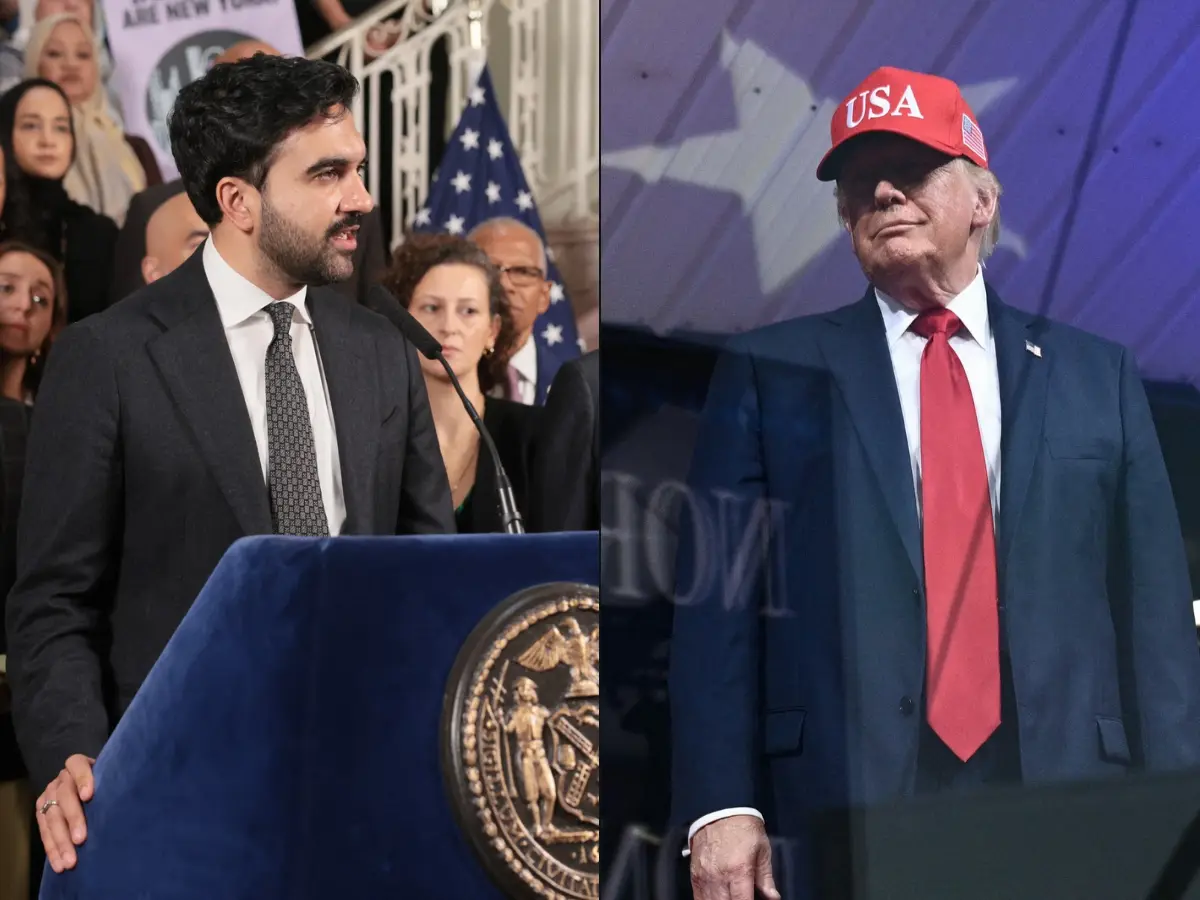)
From ‘communist’ to ‘great mayor’: Trump praises Mamdani after New York meeting, discusses immigration and housing
)
Report: Zelensky meets CIA chief Ratcliffe at Shannon airport, weeks after his secret Moscow trip
)
WATCH | Mysterious lights over Tehran caught on video. Drone, aircraft or something else?
)
How Zaheer Khan came to be CSK's head coach of IPL 2027
)
Pilot recreates Mona Lisa in sky over Oklahoma and Arkansas in four-hour flight: VIDEO
)
UK PM Burnham agrees to 'defensive' military support for Saudi Arabia against Houthis
)
Jailer 2: Vidya Balan joins Rajinikanth's upcoming film as Kantha | Watch
)
Microsoft executive called AI training the ‘largest theft of labour in human history’
)
IIT Bombay student death: CCTV footage becomes key evidence as police reconstruct Sahil Wakode's final hours
)
40-foot waves crash into cruise ship in dangerous stretch near Antarctica. Watch
)
US-Iran war, peace deals and more: What to expect from Trump's UNGA 2026 speech
)
Explainer: Why rare-earth export licences and Board of Trade are US priorities ahead of Trump-Xi summit
)
BTS fans mock iHeartRadio’s day 2 turnout after short set controversy
)
Two infants die after fire breaks out at RIMS newborn care unit in Telangana's Adilabad
)
The Scandal: Why so scandalous? Ji Chang Wook leaves you gasping for air
Also Read |India's new daily Covid cases top 300,000, highest in the world
Australiawill be adopting a model more like that of the United Kingdom, Morrison said, which bans arrivals if they have visited any countries on its red-zone list of some 40 countries in the past 10 days.
"While we're not adopting that list, it gives you somewhat of an idea of the type of approach we'll be seeking to put in placefromthose highriskcountries," Morrison said.
Morrison's comments come as twoAustralian states urged staff and guests in COVID-19 quarantine hotels to get tested immediately and fully self-isolate, launching investigations into three suspected cases of travellers contracting thevirusfromother residents.
Australiaclosed its borders to non-citizens and permanent residents more than a year ago tocontainthe pandemic, and travellers arrivingfromoverseas are required to undergo a two-week hotel quarantine at their own expense.
While the country has fared much better than many other developed nations during the pandemic, with just over 29,500 cases and 910 deaths, its vaccination rollout programme has hit major roadblocks.
The government is battling with a shortage of vaccines, after delays to imports and is now unlikely to finish vaccinating its population before the end of 2021 while domestic ramp-up of the AstraZeneca vaccine has been sluggish.
Australiawill now prioritise Pfizer vaccines for those under 50 with underlying health issues, in residential aged care and remote communities, Chief Medical Officer Brendan Murphy said, leaving older people to take the AstraZeneca vaccine or to wait.
"With a few exceptions, Pfizer is now restricted to those under 50," he said.
"We recommend AstraZeneca. Theriskbenefit for over 50 is vastly in favour of being vaccinated. But people always have a choice and more Pfizer will be available later in the year."