60 Hours of terror: 17 years later, revisiting Mumbai’s 26/11 terror attack sites

&imwidth=600&imheight=450&format=webp&quality=medium "60 Hours of terror: 17 years later, revisiting Mumbai’s 26/11 terror attack sites")
Mumbai’s 26/11 terror attack sites Photograph: (AFP)
17 years after the 26/11 Mumbai terror attacks, the scars remain. Pakistan-backed Lashkar-e-Taiba terrorists targeted key Mumbai sites, killing 166 and injuring 300+ during a 60-hour siege remembered as one of India’s worst terror attacks.
It's been 17 years since Mumbai’s busiest locations were under attack of Pakistan-based terrorists for over four days. 166 people were killed and more than 300 were injured. The 26/11 attack of 2008 is among the most horrific terror attack of the world. While Indian forces in a massive operation was able to secure Mumbai after nearly 60 hours, the scars of the attack continue to haunt survivors and families.
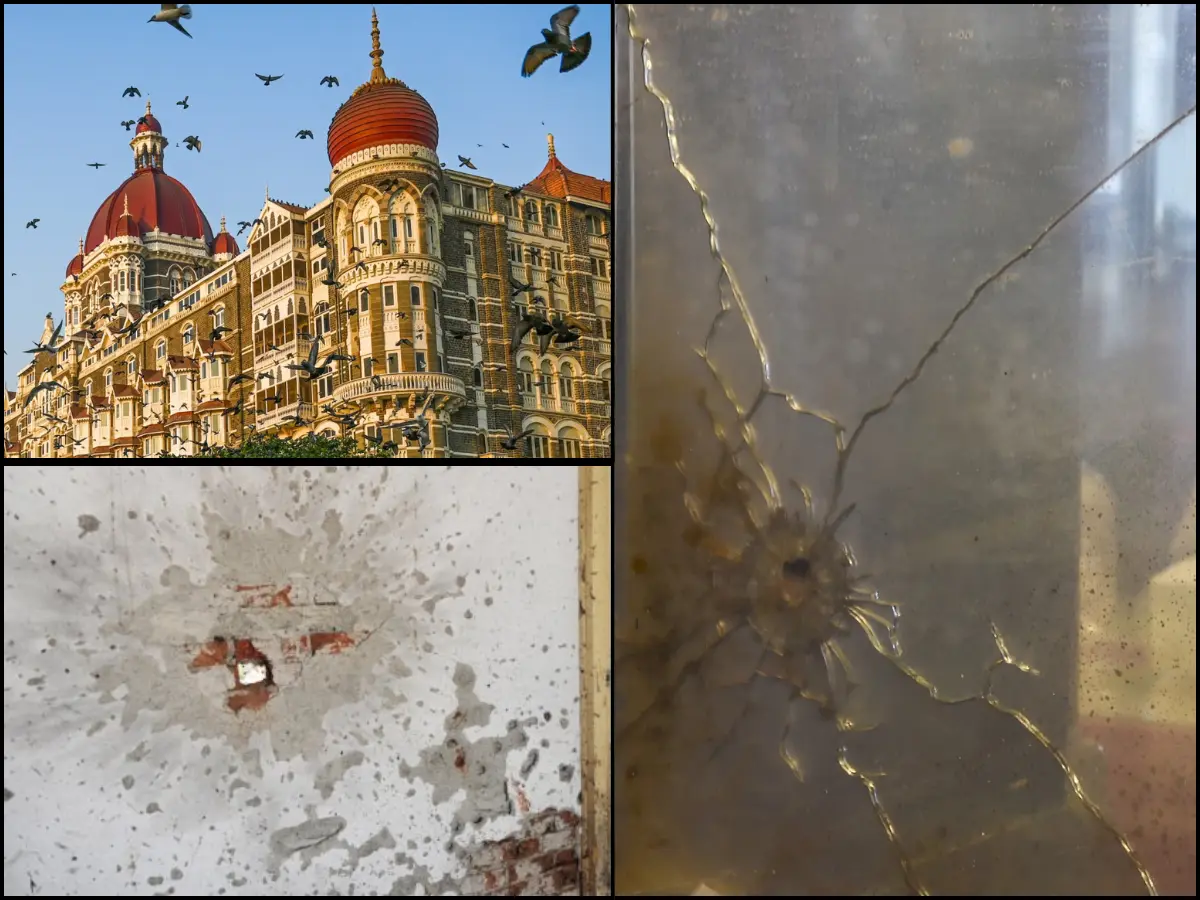
Pakistan-backed Lashkar-e-Taiba (LeT) terrorists entered India's financial capital via sea route and chose the attack sites to produce maximum impact. The bullet marks at Leopold Cafe and Nariman House tell the stories of horror till date. Here's a breakdown of how and where the attack happened on that night:
Colaba: Leopold Café: Time: 9:40 PM
Two gunmen opened fire inside the iconic cafe killing diners instantly. The attack left shattered glass, bullet marks, and overturned tables, transforming a casual evening hangout spot into the first scene of chaos.

Colaba: Nariman House (Chabad House): Time: 9:45 PM
Trending Stories
&imwidth=280&imheight=210&format=webp&quality=medium)
&imwidth=280&imheight=210&format=webp&quality=medium)
&imwidth=280&imheight=210&format=webp&quality=medium)
&imwidth=280&imheight=210&format=webp&quality=medium)
&imwidth=280&imheight=210&format=webp&quality=medium)
&imwidth=280&imheight=210&format=webp&quality=medium)
&imwidth=280&imheight=210&format=webp&quality=medium)
&imwidth=280&imheight=210&format=webp&quality=medium)
&imwidth=280&imheight=210&format=webp&quality=medium)
&imwidth=280&imheight=210&format=webp&quality=medium)
&im=FitAndFill=(700,400)&imwidth=280&imheight=210&format=webp&quality=medium)
&imwidth=280&imheight=210&format=webp&quality=medium)
&imwidth=280&imheight=210&format=webp&quality=medium)
&imwidth=280&imheight=210&format=webp&quality=medium)
&imwidth=280&imheight=210&format=webp&quality=medium)
&imwidth=280&imheight=210&format=webp&quality=medium)
&imwidth=280&imheight=210&format=webp&quality=medium)
&imwidth=280&imheight=210&format=webp&quality=medium)
&imwidth=280&imheight=210&format=webp&quality=medium)
&im=FitAndFill=(700,400)&imwidth=280&imheight=210&format=webp&quality=medium)
&imwidth=280&imheight=210&format=webp&quality=medium)
&imwidth=280&imheight=210&format=webp&quality=medium)
&imwidth=280&imheight=210&format=webp&quality=medium)
&imwidth=280&imheight=210&format=webp&quality=medium)
&imwidth=280&imheight=210&format=webp&quality=medium)
&imwidth=280&imheight=210&format=webp&quality=medium)
&imwidth=280&imheight=210&format=webp&quality=medium)
&imwidth=280&imheight=210&format=webp&quality=medium)
&imwidth=280&imheight=210&format=webp&quality=medium)
&imwidth=280&imheight=210&format=webp&quality=medium)
&imwidth=280&imheight=210&format=webp&quality=medium)
&imwidth=280&imheight=210&format=webp&quality=medium)
&imwidth=280&imheight=210&format=webp&quality=medium)
&imwidth=280&imheight=210&format=webp&quality=medium)
&imwidth=280&imheight=210&format=webp&quality=medium)
&imwidth=280&imheight=210&format=webp&quality=medium)
&imwidth=280&imheight=210&format=webp&quality=medium)
Minutes after Leopold, the attackers stormed Nariman House, taking residents and foreigners hostage. This siege lasted nearly two days, ending only after a final NSG assault. The building later became a symbol of targeted international terror.

Taj Mahal Palace Hotel: Time: 9:50 PM
A landmark synonymous with Mumbai’s heritage, the Taj became the centre of the longest gun battle. Multiple explosions, fires, and grenade blasts spread through corridors and the iconic dome. The siege lasted nearly 60 hours, resulting in extensive damage and global shock.

Oberoi Trident Hotel: Time: 10:00 PM
Just across Marine Drive, another group stormed the Trident. Hostages were taken and floors were set ablaze. The operation to neutralise terrorists lasted over 36 hours, marking another prolonged crisis unfolding simultaneously with the Taj siege.

Chhatrapati Shivaji Terminus (CST Railway Station): Time: 10:25 PM
Armed with assault rifles, two attackers opened indiscriminate fire at passengers and staff in one of India’s busiest railway hubs. The shooting continued through platforms and waiting areas, causing mass casualties within minutes.

Cama & Albless Hospital: Time: 10:45 PM
As police tracked the CST attackers, the gunmen moved toward the nearby hospital, opening fire on security personnel. Senior police officers, including ATS chief Hemant Karkare, were later killed while pursuing them.

St. Xavier’s College Lane / Rang Bhavan Lane
Site of ambush that killed senior police officers including Hemant Karkare, Ashok Kamte, and Vijay Salaskar.

Girgaum Chowpatty
During an attempted escape, one terrorist was shot dead, while the other — Ajmal Kasab — was captured alive, marking a turning point in the investigation and global counter-terror fight.


