Australia mulls ban on smart glasses in govt offices amid privacy concerns | Gravitas

&imwidth=600&imheight=450&format=webp&quality=medium "Australia mulls ban on smart glasses in govt offices amid privacy concerns | Gravitas")
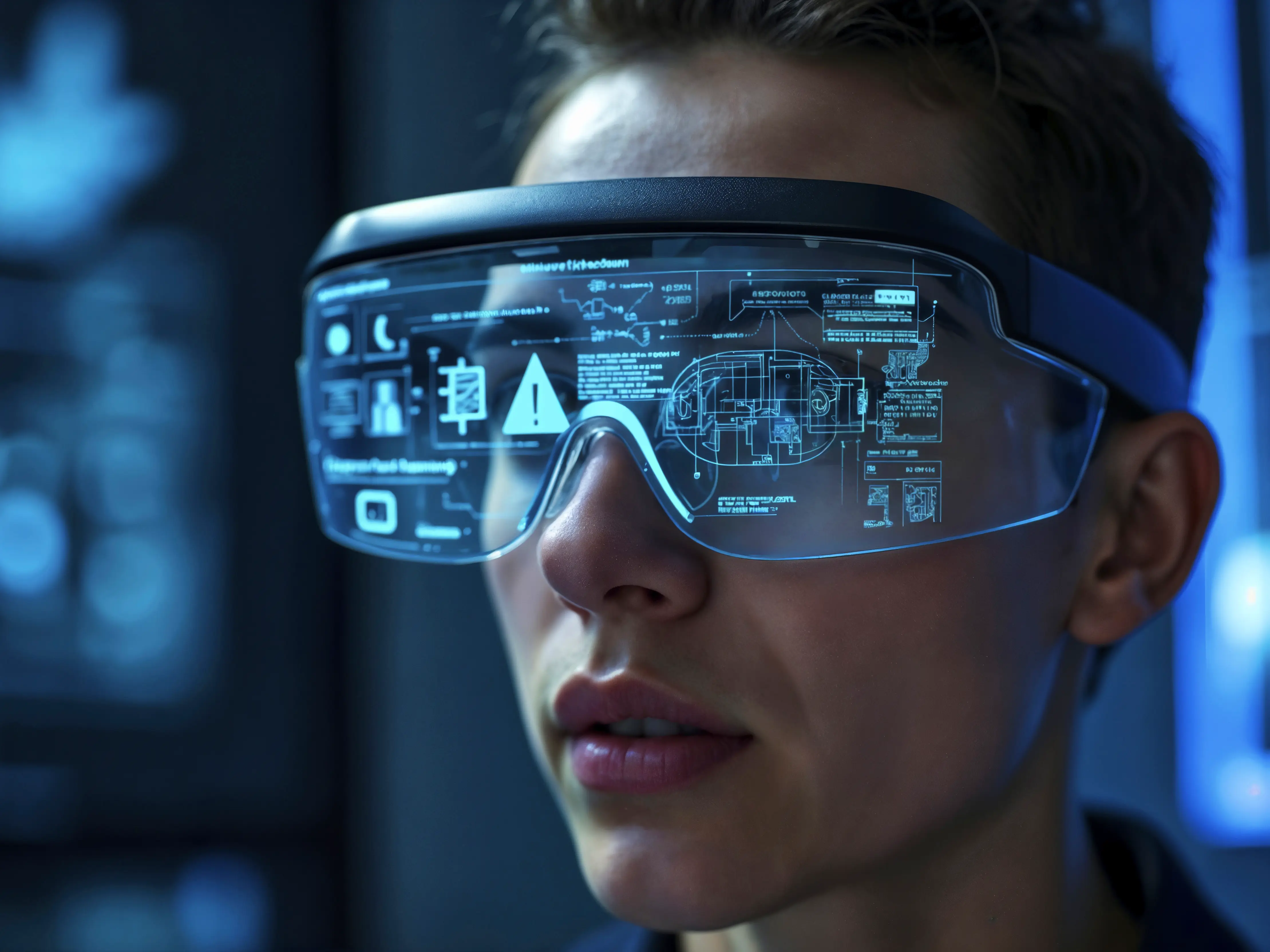
Representative image. Photograph: (Magnific)
In July this year, smart glasses were banned in courts in New York State to ensure that no one is secretly recorded. This policy applies to all people entering a courtroom, including lawyers, litigants and witnesses.
With advancement in AI, smart glasses are becoming a tech sensation, allowing people to take photos, film videos, make phone calls or interact with an assistant. But not everyone is viewing this through rose-tinted glasses. Australia is now mulling a ban on the use of smart glasses in government offices and buildings. This is directly linked to global concerns that these devices are being used to covertly record and photograph women without their consent.
Australia's minister for public service Katy Gallagher said, and I am quoting her, "Smart glasses can raise legitimate privacy and security concerns, particularly because of their ability to record and capture information".
If it goes ahead with this proposal, Australia will become the first country in the world to impose such a ban. What makes it challenging is that smart glasses appear like normal-looking eyewear. However, in reality, they include tiny speakers, microphones and a lightweight camera.
In July this year, smart glasses were banned in courts in New York State to ensure that no one is secretly recorded. This policy applies to all people entering a courtroom, including lawyers, litigants and witnesses. A month later, courts in England and Wales followed suit.
Recently, Norway's capital Oslo barred the use of smart glasses in schools. Now, Meta, which sold nearly seven million smart glasses in 2025, is also facing legal action over these devices. In India, for instance, a digital rights advocacy organisation named Internet Freedom Foundation has issued a legal notice to Meta on behalf of two persons who were covertly recorded via smart glasses.
Trending Stories
)
)
)
&im=FitAndFill=(700,400))
)
)
)
)
)
)
)
)
)
)
)
)
)
)
)
&im=FitAndFill=(700,400))
)
)
)
)
)
)
)
)
)
)
&im=FitAndFill=(700,400))
)
)
)
&im=FitAndFill=(700,400))
These videos were then posted on Instagram, which garnered millions of views. But what has been Meta's response to such privacy concerns? The tech giant has updated its smart glasses to automatically disable the camera feature if the recording LED light is disabled or damaged.
This is not all. According to Reuters, Meta is planning to release smart glasses without a camera, following scrutiny of their recording capabilities. These glasses could reportedly be unveiled as early as next week at its annual developer conference. Amid this, calls are growing louder for the European Union to take up this issue and act on it as a collective.