Explained | Dynamic and inclusive: The powerful evolution of Barbie


Barbie
Nicki Minaj recently said she couldn't afford Barbies, and now she is a 'Barbie'. The singer was talking about the Barbie movie, which has become a rage now... intriguing not just kids, but almost everyone.
Minaj spoke at the premiere of "Barbie" and talked about her new song "Barbie World" in the movie, which according to her was a "full circle moment".
"I couldn't really afford Barbies when I was little, I probably had one Barbie … so now, I get to be a part of a whole Barbie movement," the singer said, further adding that it's a "dream come true".

Barbie and Ken dolls remain a bright and shiny part of many childhood memories across the globe... some longed for it, and for some, the 'Barbieverse' became part of their playrooms — largely a matter of affordability.
What's fascinating here is that a Black woman... a powerful face of the music world, was talking about a doll which remained a symbol of white representation the world over for a very long time.
This culture changed, showcasing a perfect example of why Barbies are no more regular dolls. Today, they are dynamic and inclusive. This powerful evolution of Barbie dolls is a story worth telling.
)
Sikh driver attacked in Wyoming in US, suffers 17 stab wounds
)
‘I have a big decision coming up’: Trump says he’s approaching major ‘crossroad’ in Iran war
)
US intel warns China can steal F-35 jets secret from Saudis
)
Former India player Diana Edulji wants Smriti Mandhana to replace Harman as skipper at the earliest
)
Pak defence minister says 'time has come to implement pact'
&im=FitAndFill=(700,400))
Meet top 5 batters in the latest ICC T20I Rankings
)
Formula One reveals the 2027 race calendar; Monaco to host sprint race for the first time
)
All Indian goods to get duty-free access to New Zealand
)
AI already defying, denying humans, is it beyond human control already?
)
US F-16 fighter jet crashes in Michigan during training mission, pilot ejects safely
)
240-million-year-old bizarre 'pig with a tusk' creature creates new dilemma over origin of dinosaurs
)
Xi-Trump summit may boost military links
)
US to sell 48 F-35 Lightning fighter jets to Saudi Arabia, help it deter threats
)
Hong Kong unveils 11 new measures to boost birth rates, offers higher cash bonuses and housing perks
)
Australian athlete, who soiled herself during Hyrox race, apologises for continuing
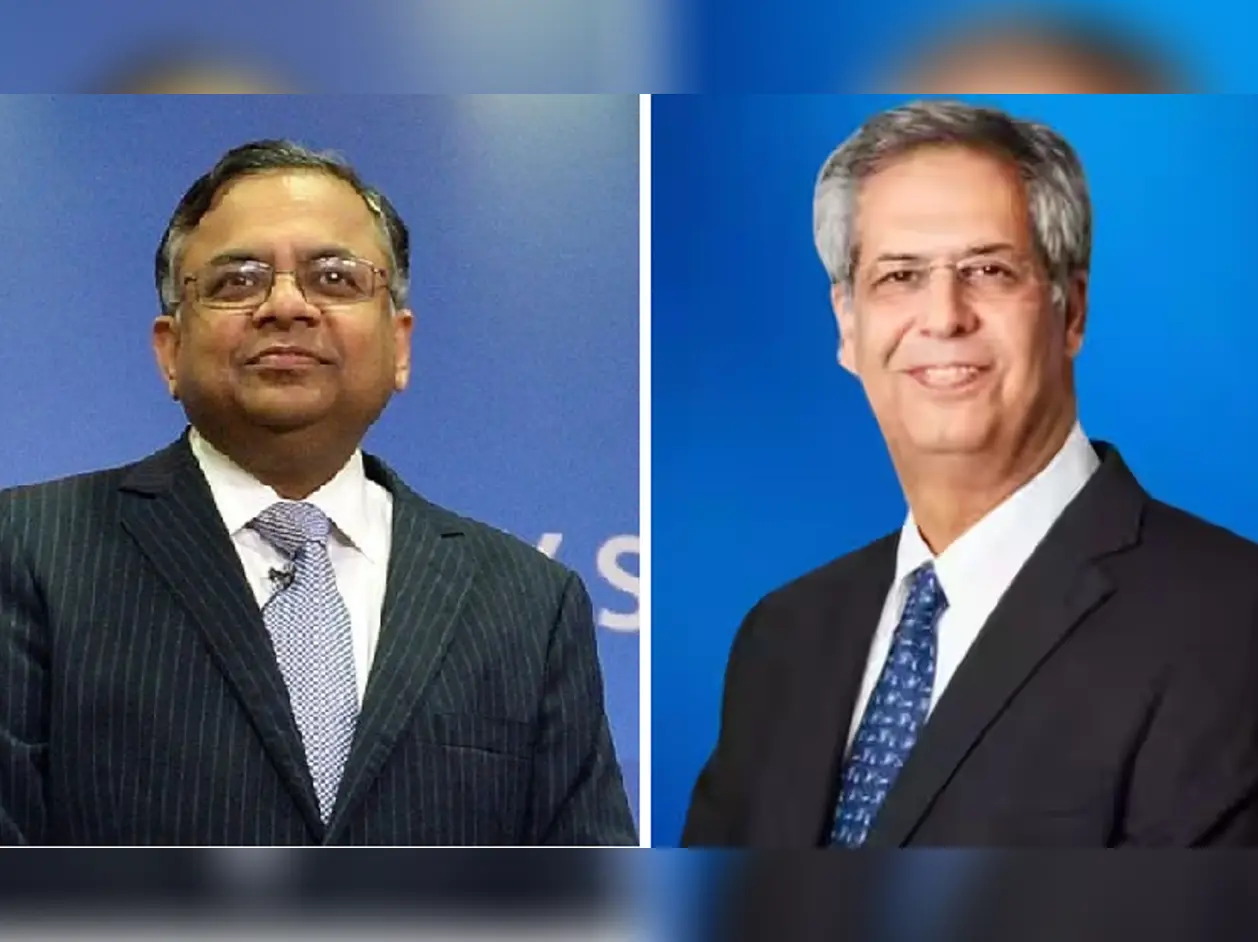)
Tata Trusts chairman Noel Tata calls Chandrasekaran’s reappointment ‘illegal’, rejects Tata Sons listing
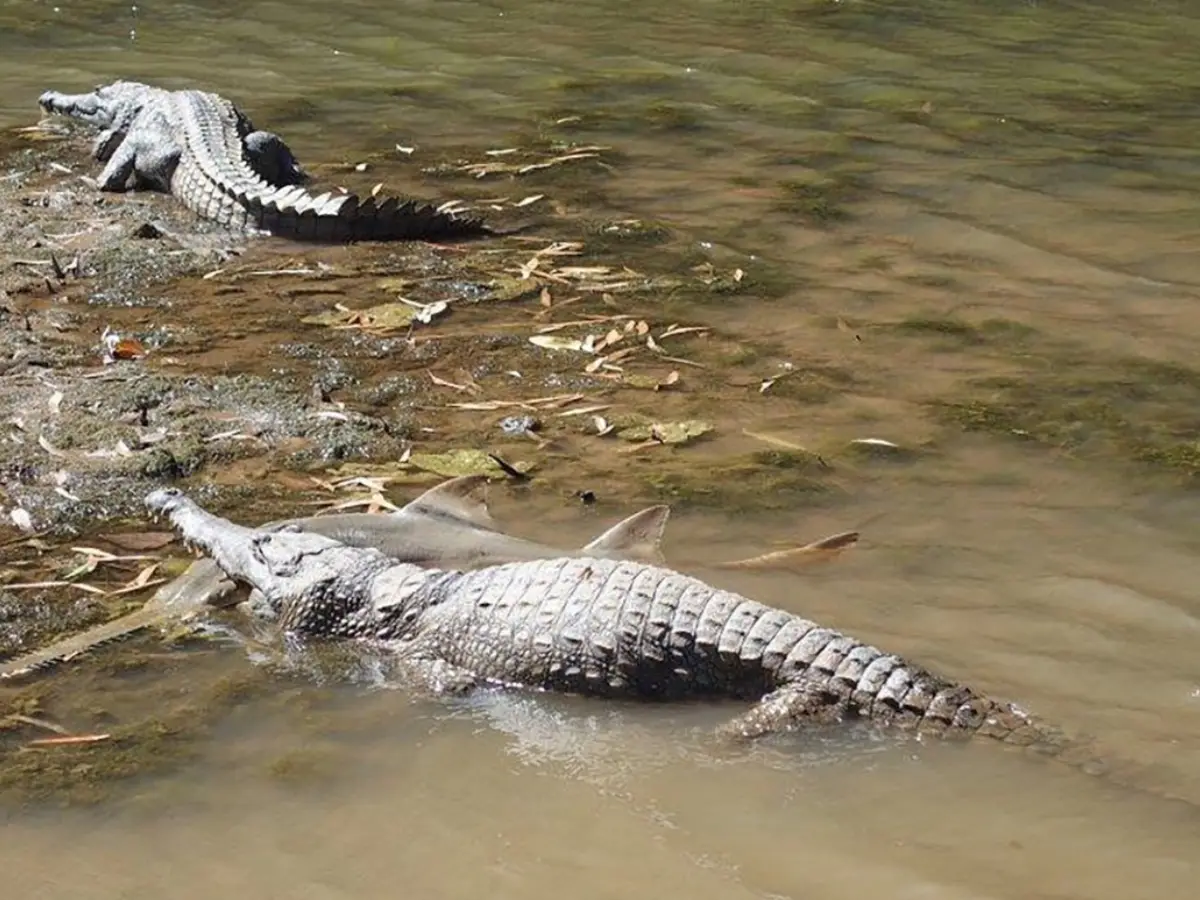)
How did an Australian river with 500 crocodiles pass the Olympic test? Here's how
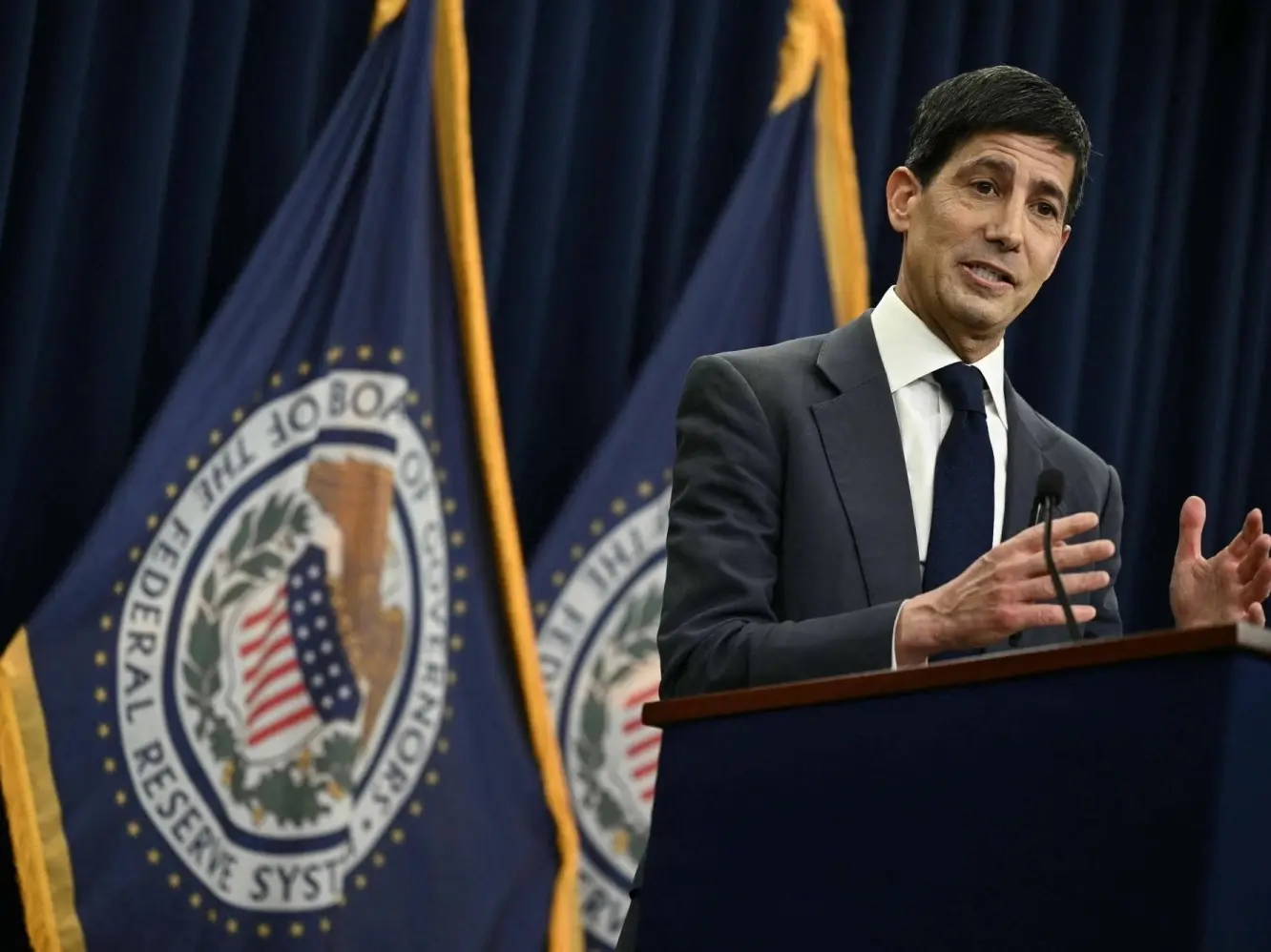)
Fed raises rates for first time in 3 years, Kevin Warsh defies Trump as inflation mounts
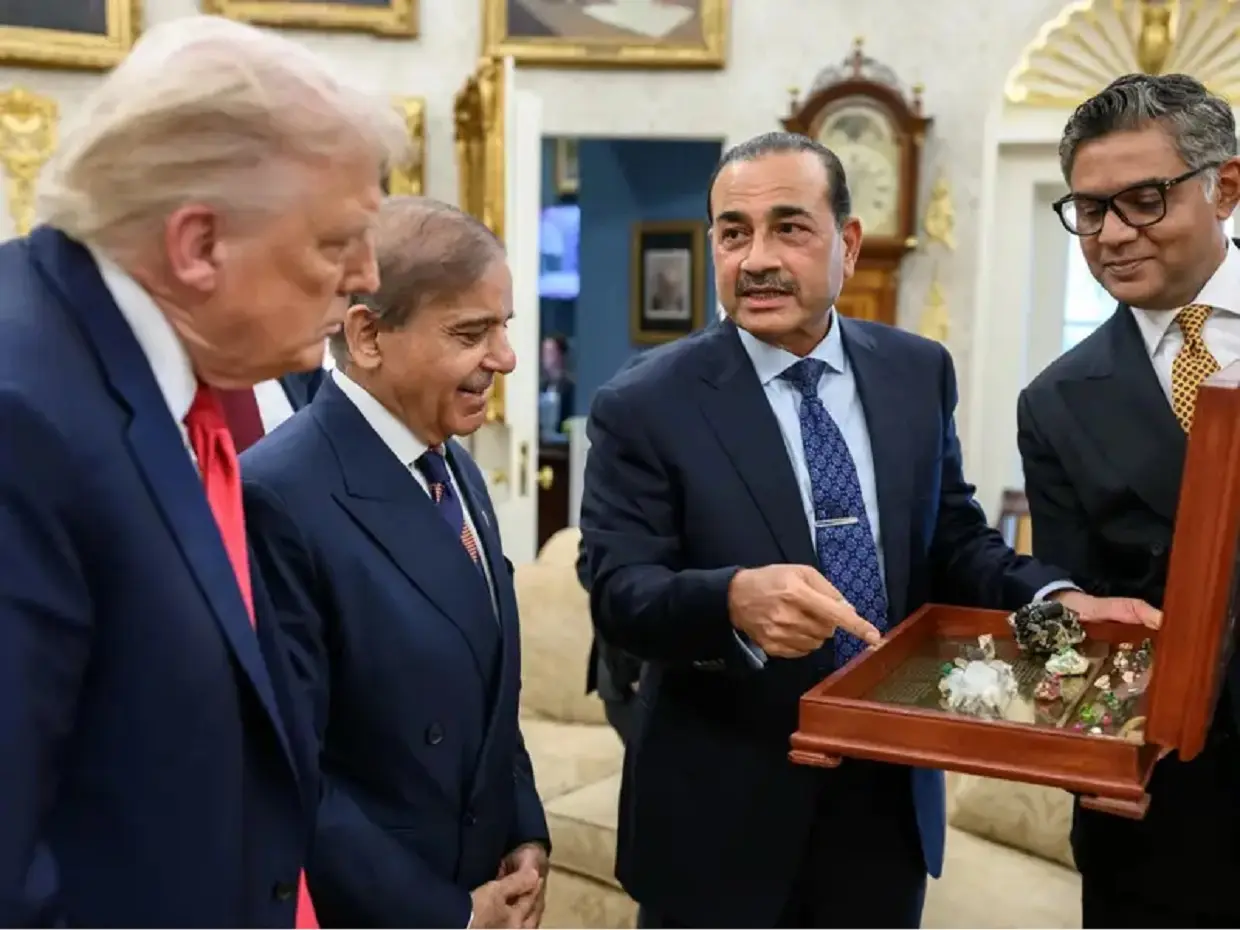)
US drone firm linked to Trump’s sons signs MoU with Pakistan army, gets initial order
)
Pak batter Rizwan's petition against being questioned by cyber crime agency rejected by court
)
Daayra movie review: Kareena Kapoor, Prithviraj Sukumaran shine in Meghna Gulzar’s cop-versus-cop crime thriller
)
Epstein files: Judge warns Trump Attorney General Todd Blanche of contempt over DOJ delays
)
At least 48 dead, 100 hospitalised in Nigeria after drinking suspected methanol-laced alcohol
)
US-Iran War: Trump says ‘big decision’ on Iran ahead, weighs possible fresh military action
)
Trump could impose tariffs of up to 100%
)
US new military base in Poland: US President Donald Trump eyes military base in Poland
)
Putin 'is plotting something bad': Russia may launch 'accidental' strikes on NATO countries supporting Ukraine, Poland PM warns
&im=FitAndFill=(700,400))
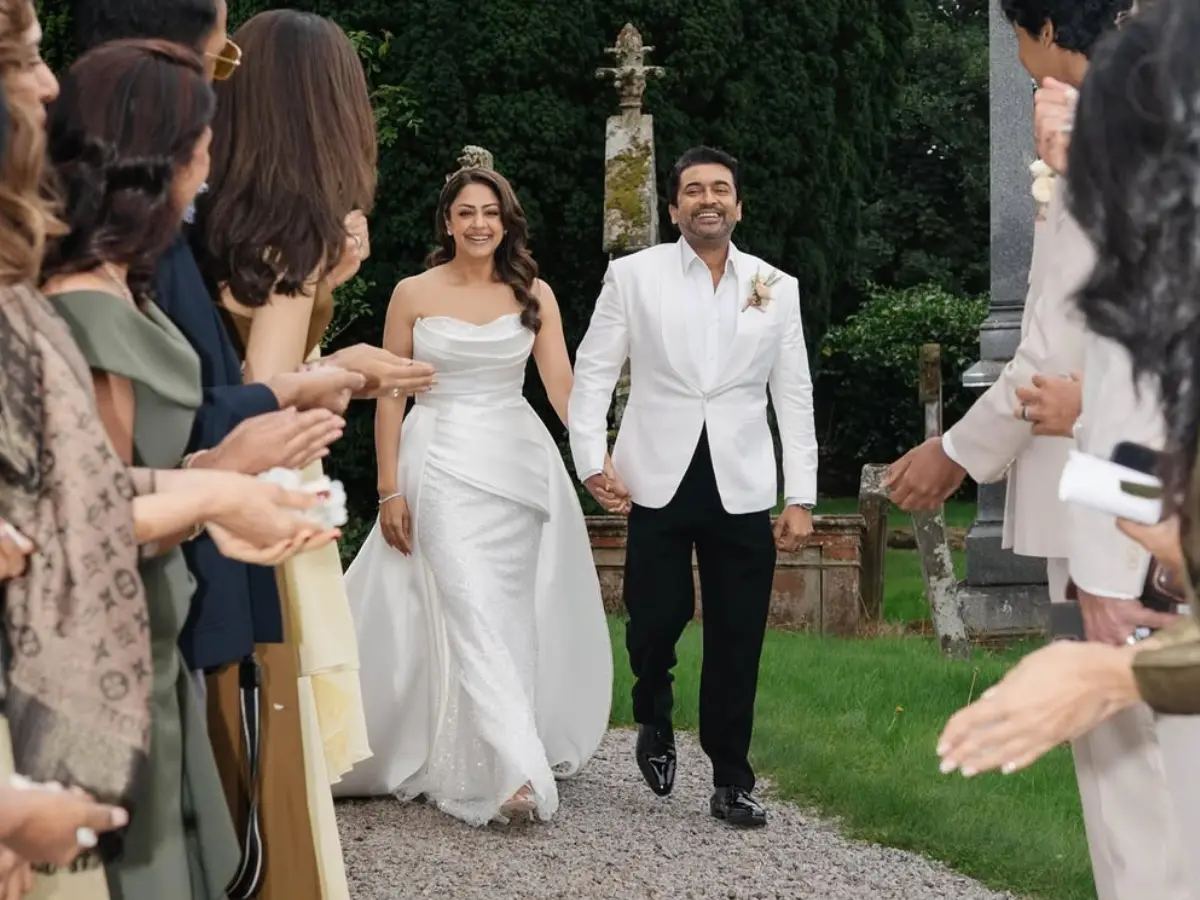
Suriya and Jyothika say ‘I do’ again after 20 years! See their dreamy wedding pics
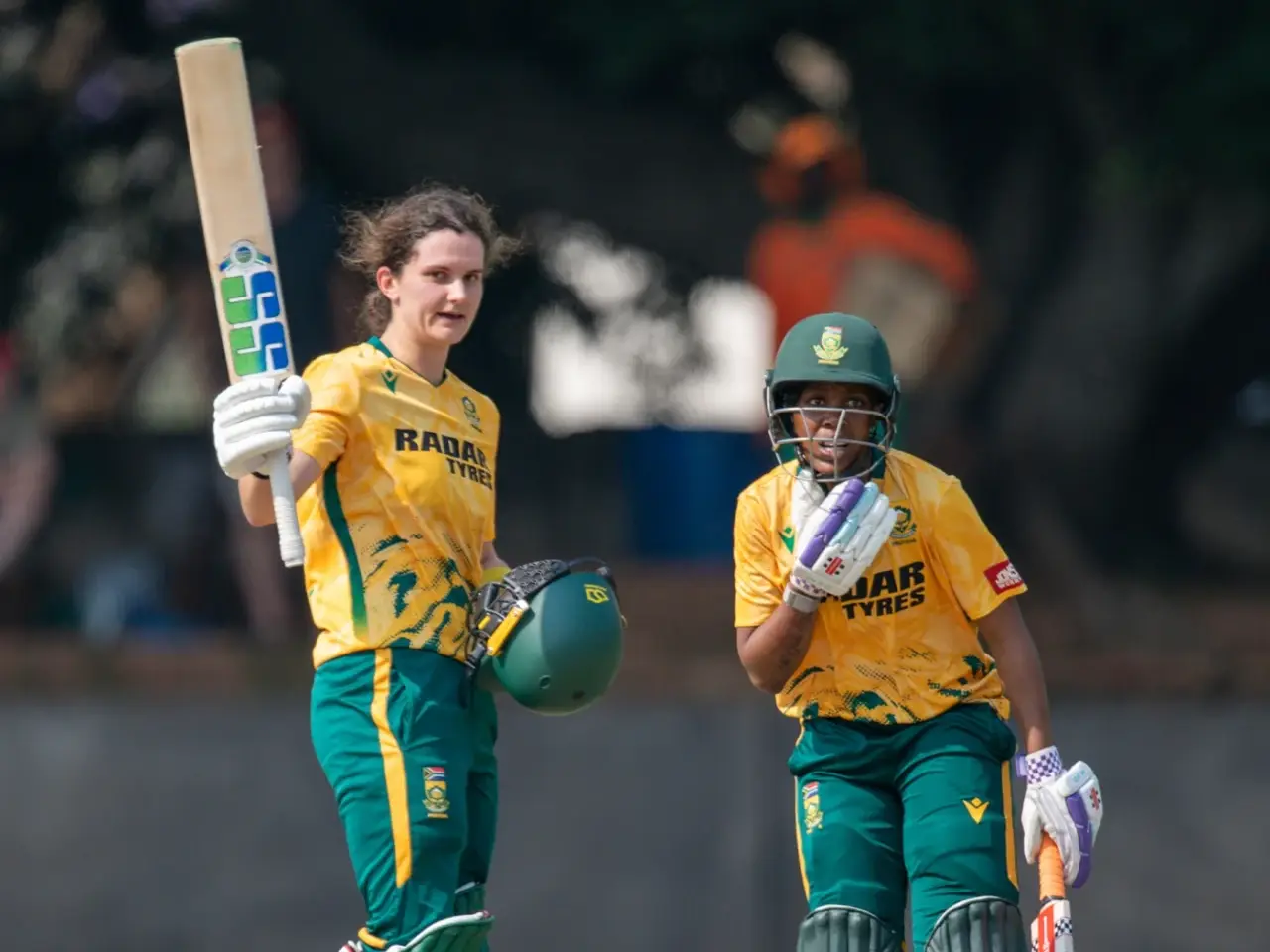)
Laura Wolvaardt sets new world record for most WT20I runs in a year
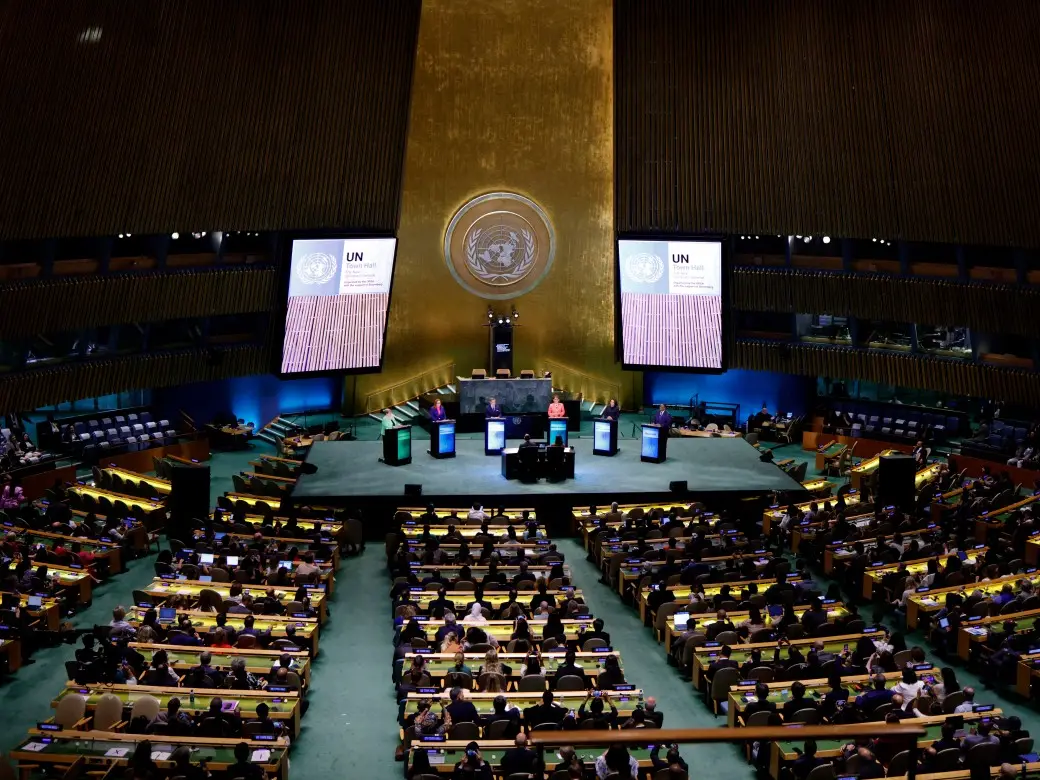)
Pezeshkian, Araghchi set to attend UNGA 2026 in New York amid ongoing conflict as US-imposed travel curbs remain
)
'He will always be ahead': India coach Gambhir says Sooryavanshi won't walk into team ahead of Samson

(Image:Barbie roll models (L-R) tennis player Naomi Osaka, artist Frida Kahlo, mathematician Katherine Johnson, author Maya Angelou, nurse Florence Nightingale and civil rights activist Rosa Parks are displayed at the interactive exhibition "The World of Barbie": Credit: AFP)
Launched on March 9 in 1959, Barbara Millicent "Barbie" Roberts emerged as a classy fashion doll and fictional character. American toy company Mattel Inc manufactures Barbie, which has captivated millions of kids globally over six decades.
Initially, the dolls were synonymous with beauty. They were launched showing careers, including a business executive, pilot, astronaut, teacher and singer. Then after over 20 years of introduction, Mattel released the official African-American Barbie and Ken dolls in 1980 (there had been an African-American doll representation in previous collections, but the latest onewas said to be official).
And just like that, they continued with Puerto Rican Barbie, Indian Barbie, Barbie with wigs for kids with cancer, and many more.

(Image:An undated handout photograph taken and released on April 21, 2022 by US toy manufacturer Mattel, shows their new Barbie doll depicting Queen Elizabeth II. Credit: AFP)
What do Barbies tell us?
Over the years, the makers have pelted this belief that the dolls represent the idea that whatever you want to be, you can be and whatever you want to have, you can have: like a dreamy house, car, private jet, family, and fame - a far-fetched reality for most but that's another story for another time.
Initially, Barbie dolls had slender bodies and blonde hair and came dressed in a swimsuit. They set certain parameters to define beauty. But with gradual social changes, the appearanceof Barbie dolls also changed.
Their evolution has been driven by a desire to adapt to societal changes, promote inclusivity, and provide positive role models for children.
The official website says that "we have always known that a doll can help change the world" and now their appearance and range of options have expanded to reflect cultural shifts and promote inclusivity over time.
The company also promoted these dolls by saying that they are committed to three priorities: representation, empowerment, and environmental impact, which is part of the company's purpose to empower the next generation.
When we talk about the gradual evolution of Barbie, notable milestones must be mentioned. We have seen Barbies adapting to diversity and body positivity. Thecompany embraced diversityby introducing dolls with various skin tones, facial features, and body shapes, including tall, curvy, and petite dolls. This move helped to promote inclusivity and provide more representation for kids of different backgrounds.
Secondly, Barbie also promoted different career choices by expanding her own career options, from being primarily portrayed as a fashion model to representing various professions, including doctors, astronauts, engineers, and more. The shift reflects the growing calls to empowergirls and encourage them to explore a variety of career options.
The dolls made in collaborations represented influential women like Frida Kahlo, Amelia Earhart, and Rosa Parks. This a classic example of how to tell kids of newer generations more about women who made their mark in the real world.
Barbie also designed a doll with Down syndrome in close partnership with the National Down Syndrome Society (NDSS). It even partnered with Asian American LEAD, a nonprofit that supports mentorship programming for underserved youth in the DC, Maryland and Virginia areas.
Barbies are becoming valuable figures and have risen far above just being"plastic dolls". This "plastic" aims to impact millions of kids and the company must be commended for making significant strides in doing so in recent years. The brand has been actively working to broaden its range of dolls.
Not just social responsibility, the changes in these dolls also show stunning business skills, as your product must change with time to remain valid for each generation.
So the next time you go to the toy store to buy a Barbie, remember all the associated things you are purchasing with these stunning dolls.
WATCH WION LIVE HERE
You can now write for wionews.com and be a part of the community. Share your stories and opinions with us here.