Huawei, ZTE 'cannot be trusted' and pose security threat - US attorney general

Huawei
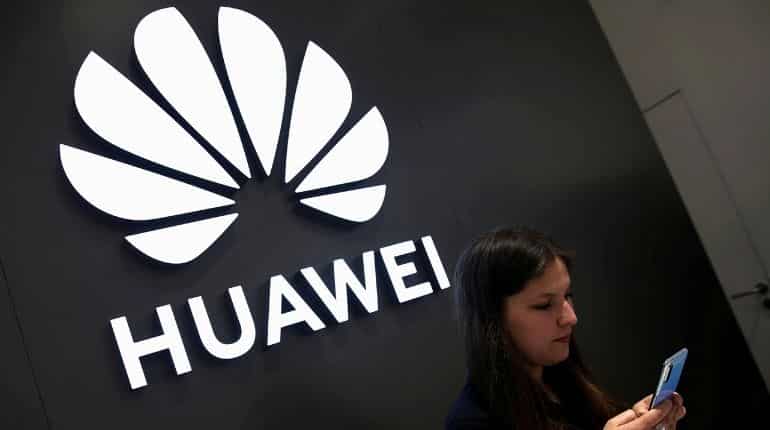
HuaweiTechnologies Co andZTECorp "cannot be trusted,"US AttorneyGeneralWilliam Barr said, labelling the Chinese firms asecuritythreatas he backed a proposal to barU.S. rural wireless carriers from tapping an $8.5 billion (£6.64 billion) government fund to purchase equipment or services from them.
The Federal Communications Commission will vote on November22 and is proposing requiring the carriers to remove and replace equipment from the companies. Barr said in a letter to the FCC released on Thursday that "their own track record, as well as the practices of the Chinese government, demonstrate thatHuaweiandZTEcannot be trusted."
He added that "we should not signal thatHuaweiandZTEare anything other than athreatto our collectivesecurity, for that is exactly what they, through their actions, have shown themselves to be."

HuaweiandZTEdid not immediately comment.
Barr noted that federal prosecutors chargedHuaweiwith violations of theUS embargo on Iran, bank fraud, obstruction of justice and trade secret theft.ZTEpleaded guilty in 2017 to illegally send approximately $32 million inUS goods to Iran.
FCC Chairman Ajit Pai said the commission "cannot ignore the risk that the Chinese government will seek to exploit network vulnerabilities in order to engage in espionage, insert malware and viruses, and otherwise compromise our critical communications networks."
)
‘Will go to any extent’: Pakistan vows to defend Saudi Arabia amid Houthi attacks
)
Three labourers killed as DU student loses control of his car, rams into them on Dwarka Expressway
)
Indian activist-lawyer Prashant Bhushan's post brings focus on ‘conflict of interest’ appointments of ex-govt officials at Reliance, Adani groups
)
Ukraine plans record $109 bn defence spending, nearly two thirds of budget amid Russia war
&im=FitAndFill=(700,400))
New Friday OTT releases (September 18, 2026): Lust Stories 3, You+Me, Best of the Best- 8 new titles coming on Netflix, Prime Video and more
&im=FitAndFill=(700,400))
From Abhishek Sharma to Sahil Chauhan, 5 batters with fastest T20I hundreds
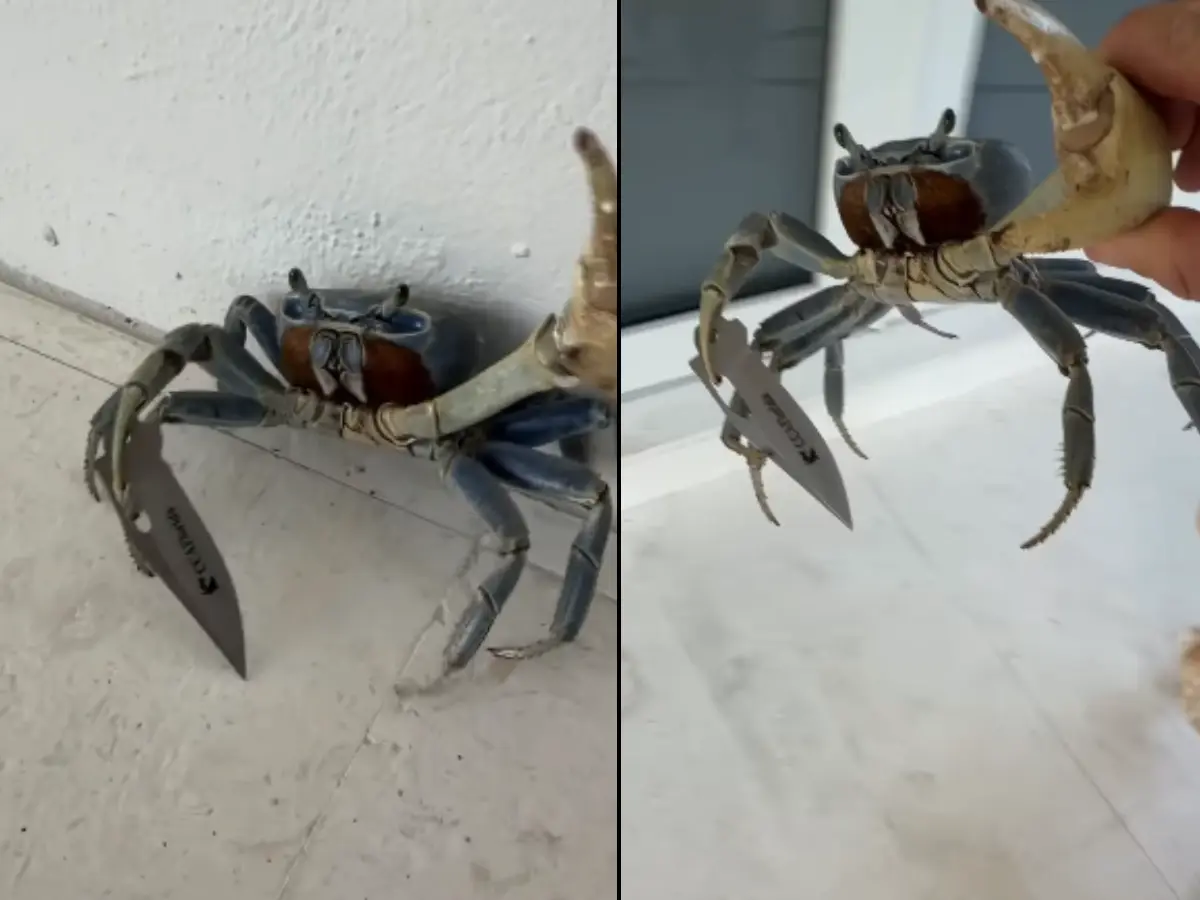)
'Gangsta' crab shoves knife blade at man and his dog in Florida - Watch
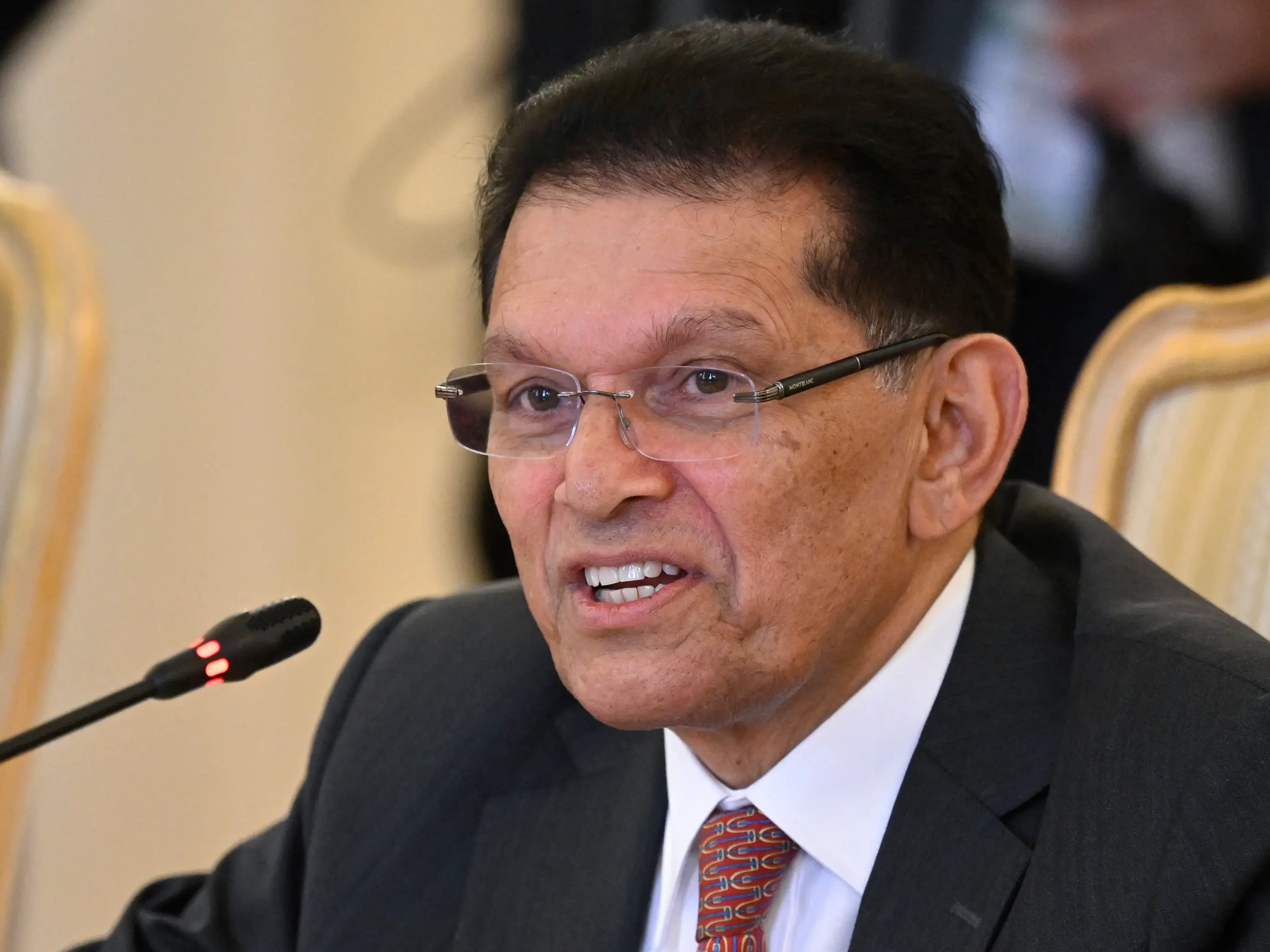)
Who is Khalilur Rahman? All you need to know about 81st UN General Assembly President
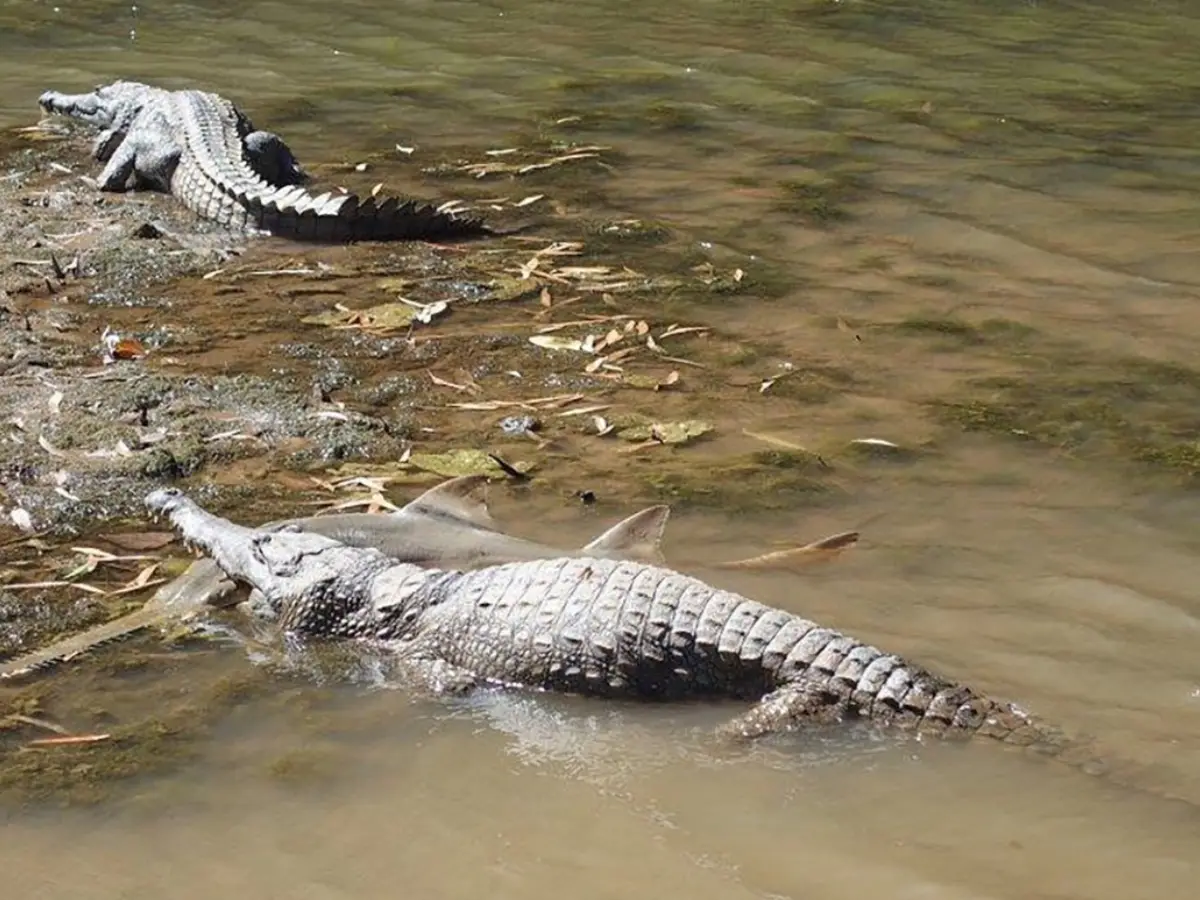)
How did an Australian river with 500 crocodiles pass the Olympic test? Here's how
)
US And Denmark reach Greenland deal, Trump announces expanded military presence
)
Trump's Greenland dream comes true? POTUS announces 'Infinite Life' deal with Denmark, claims permanent US control
)
The Verdict | When precision fails: US commits war crime in Minab school strike, UN finds
)
Trump signs Russia sanctions bill into law, targets Moscow’s energy sector
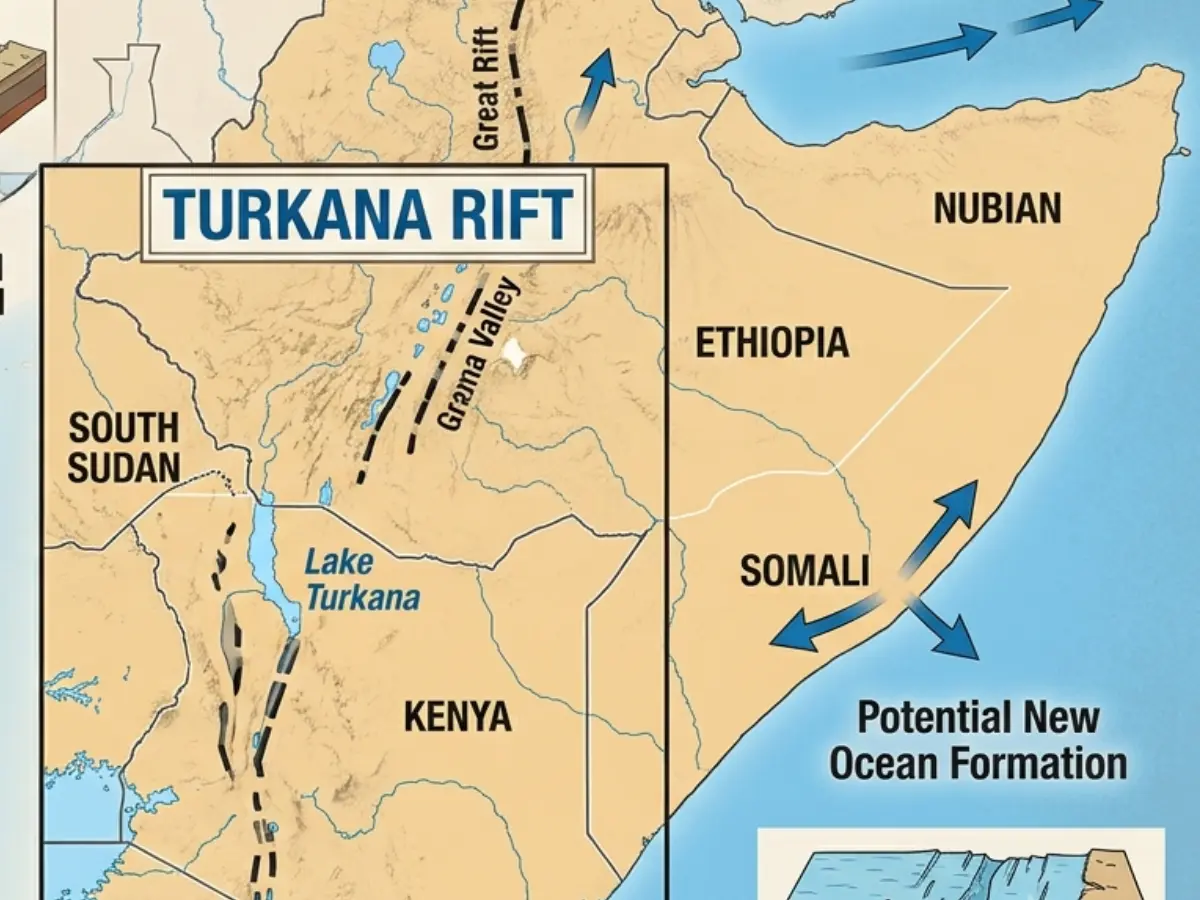)
Africa is splitting, and a lot sooner than estimated, giving way to a new ocean
)
Trump 2.0: Dark days ahead for America’s ‘imperial presidency’
)
Drone strikes cooling tower at Russia's Kursk Nuclear Plant, IAEA confirms
)
FACT CHECK: Why did PM Modi ask Xi ‘is it okay’ at BRICS Summit? New video reveals...
)
Trump bans CNN, MS NOW and Politico from White House over ‘FAKE NEWS’
)
Shivakumar attends 79th Kalyana Karnataka Utsav in Kalaburagi
)
Laura Wolvaardt sets new world record for most WT20I runs in a year
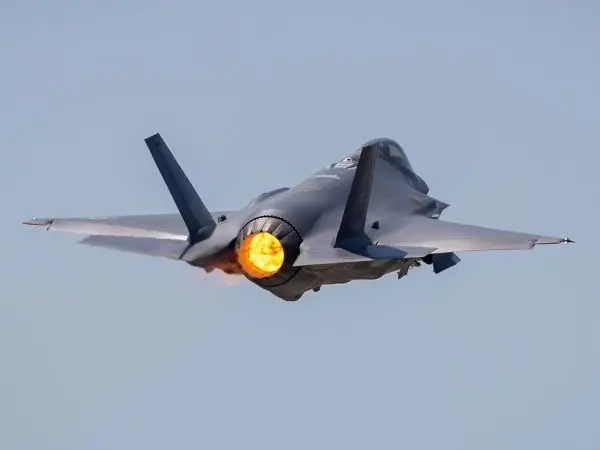)
China may have gained access to US's classified F-35 jets; parts meant for repairs diverted to Hong Kong, sparking Pentagon inquiry
)
India seeks to build a full semiconductor supply chain
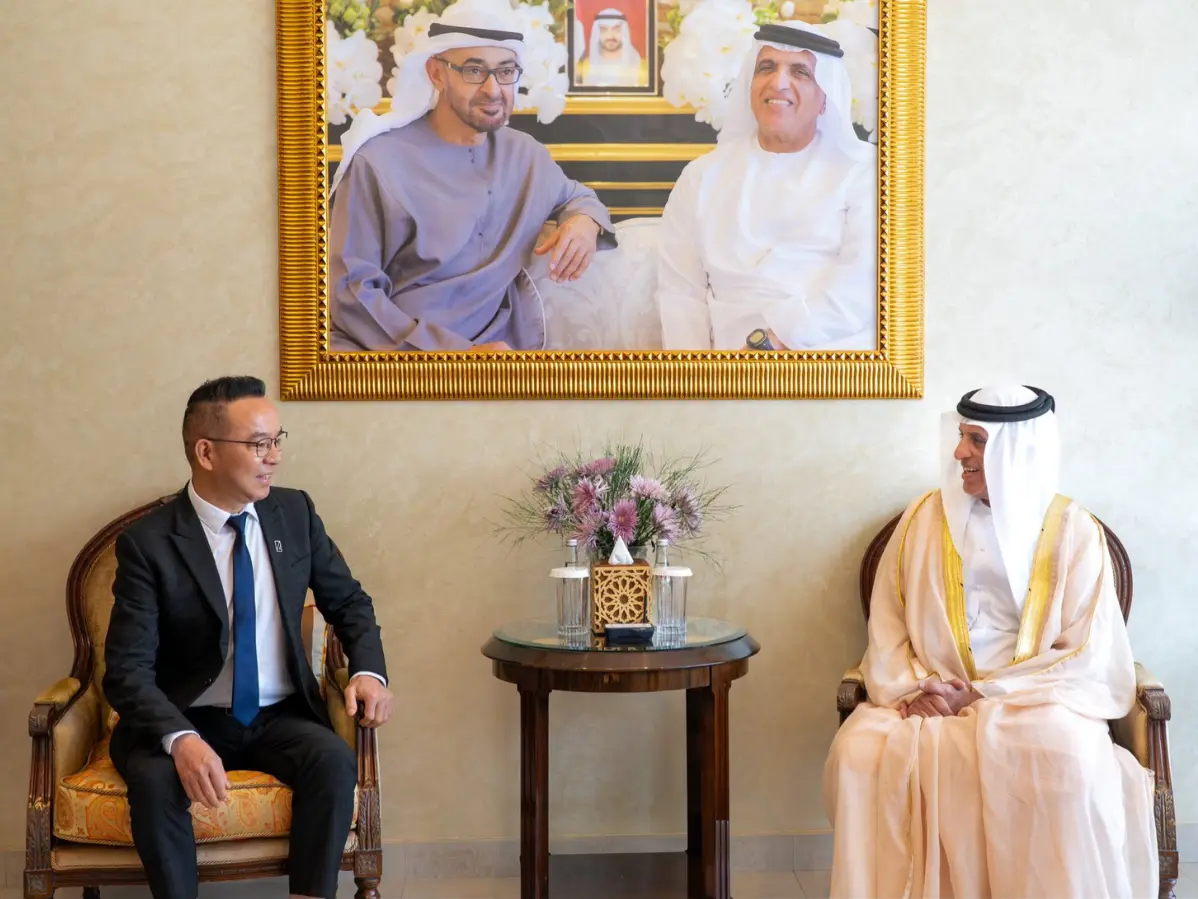)
Flying cars in UAE: Ras Al Khaimah signs deal with Chinese company to test new transport
)
Indian Cinema bets big on mythology, brings ancient stories to modern audiences
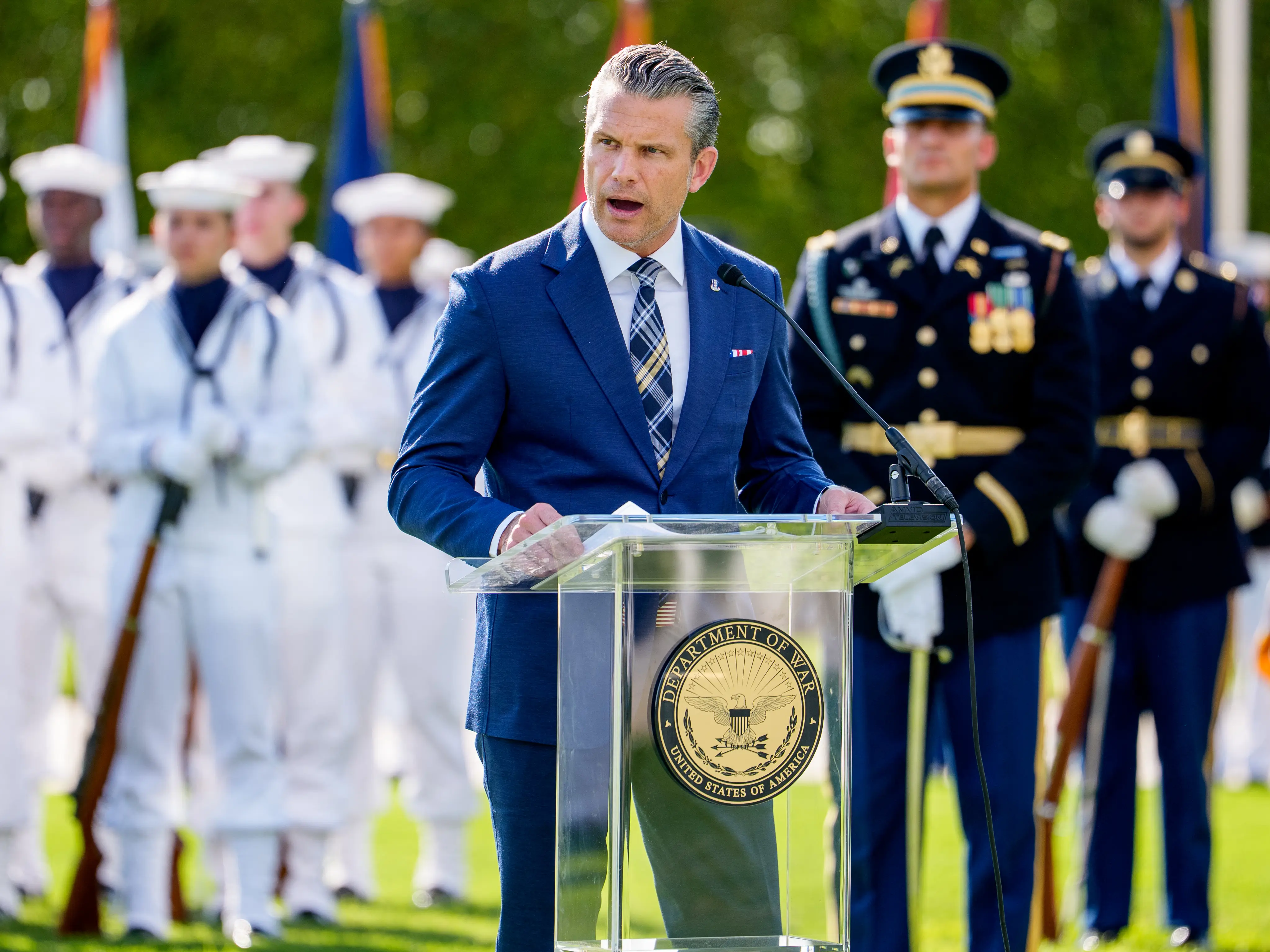)
Pentagon revives mandatory testosterone testing for male troops aged 30 and above
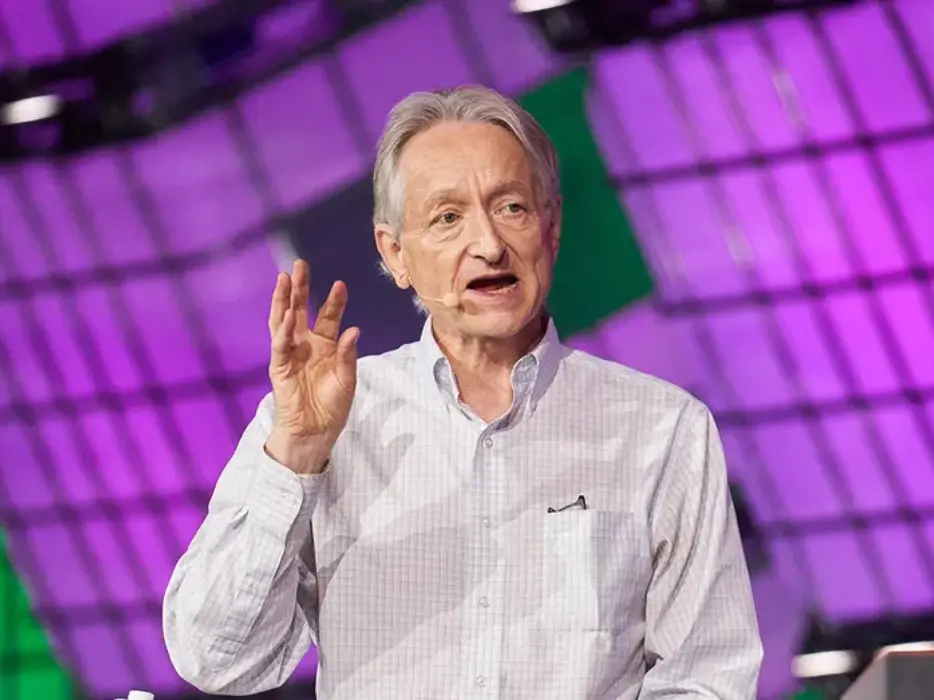)
Godfather of AI Geoffrey Hinton gives US lawmakers a one-year warning on AI
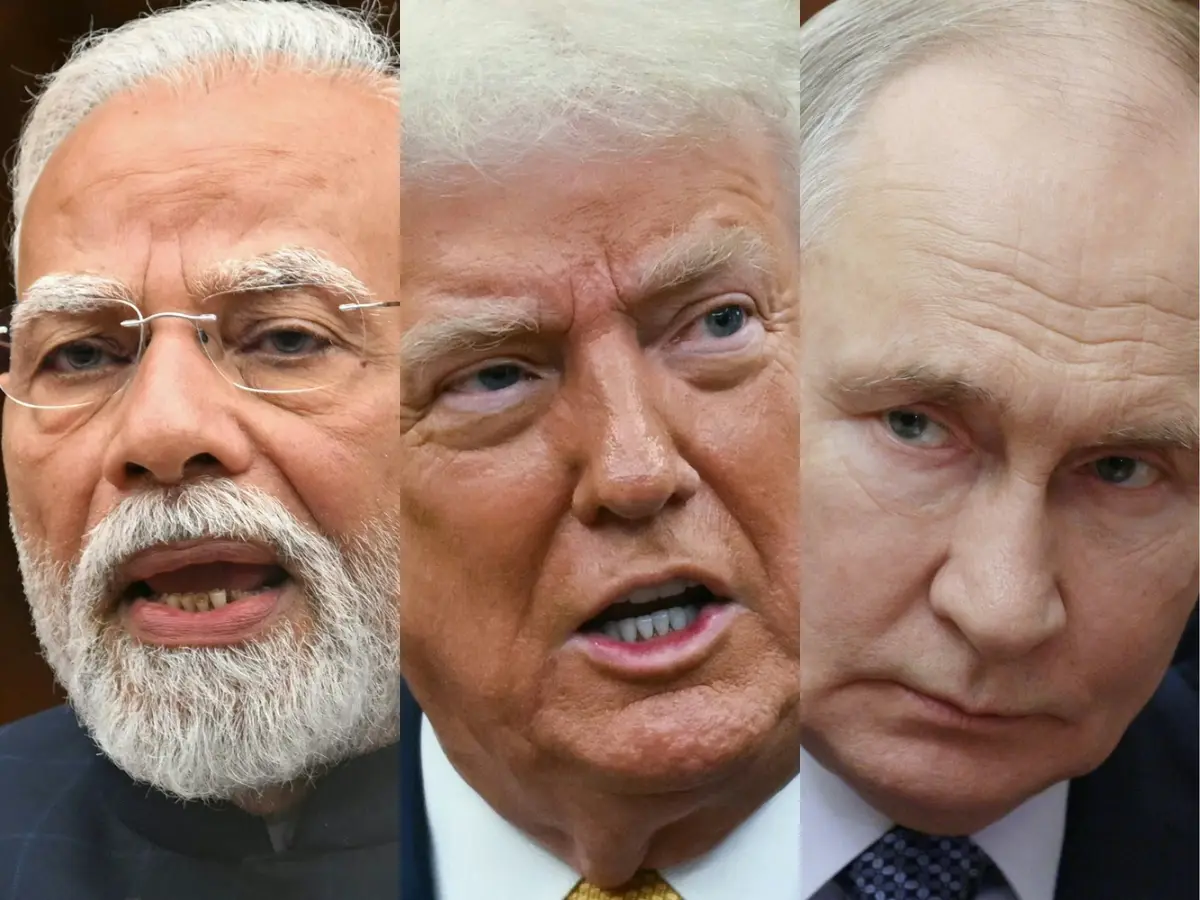)
Trump signs Russia sanctions law: India faces fresh 100% tariff threat over Russian oil
)
Fast bowler Brydon Carse faces no charges over Derby nightclub incident
)
Why Ranveer Singh’s Dhurandhar missed India’s Oscar entry; FFI jury member reveals what happened
&im=FitAndFill=(700,400))
Meet top 5 batters in the latest ICC T20I Rankings
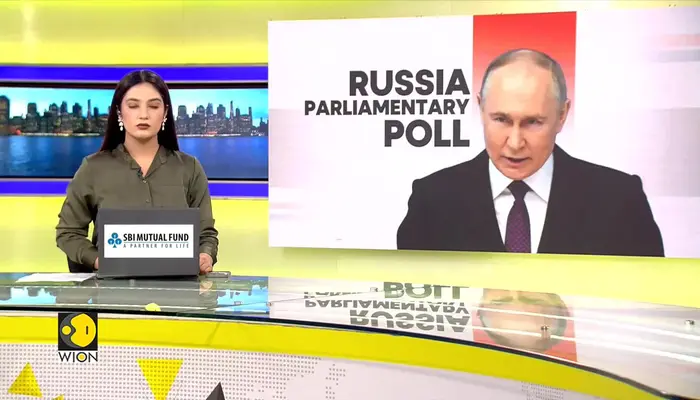)
Russia holds first parliamentary elections since the beginning of the Ukraine war
)
Former India player Diana Edulji wants Smriti Mandhana to replace Harman as skipper at the earliest
&im=FitAndFill=(700,400))
Meet top 5 bowlers in latest ICC T20I rankings
&im=FitAndFill=(700,400))
Meet top 5 Indian batters with fastest T20I centuries
The move is the latestUS action aimed at barringUScompanies from purchasingHuaweiandZTEequipment.Huaweisaid last week that "in 30 years of business,Huaweihas never had a majorsecurity-related incident in the 170 countries where we operate."
TheUSgovernment addedHuaweito its economic blacklist in May, saying the Chinese company was involved in activities contrary toUS nationalsecurity.
The United States has pressed nations not to grantHuaweiaccess to 5G networks and allegedHuawei’s equipment could be used by Beijing for spying, which the Chinese company has repeatedly denied. Several European countries in recent months have not agreed to barHuawei, despiteUS pressure.
In May,US President Donald Trump signed a long-awaited executive order declaring a national emergency and barringUScompanies from using telecommunications equipment made by companies posing a nationalsecurityrisk. The order directed the Commerce Department, working with other government agencies, to draw up an enforcement plan by mid-October. The Commerce Department has yet to publish a plan.