What is non-veg milk? Here's why it has become a 'non-negotiable red line' for India-US trade deal

&imwidth=600&imheight=450&format=webp&quality=medium "What is non-veg milk? Here's why it has become a 'non-negotiable red line' for India-US trade deal")
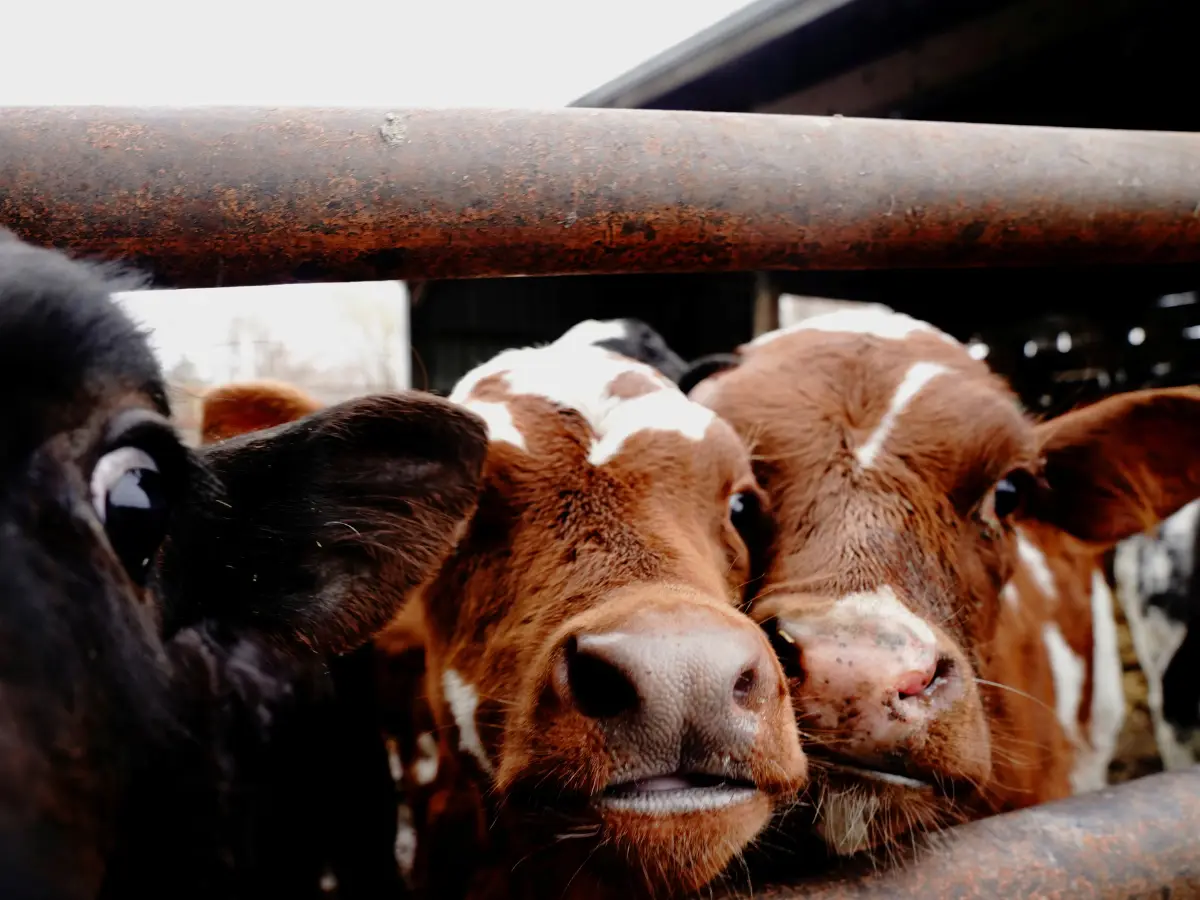
Representative Image Photograph: (Reuters)
Ahead of Trump's trade deadline, India and the US have been moving further with the deal, making progress. However, one key concern has become a barrier in their trade deal, "non-veg milk". India has been hesitating to allow American dairy products into the country citing cultural concerns.
As India and the US will soon be finalising the trade deal, one of the biggest barriers they are facing is related to agriculture and dairy. Reportedly, India has been hesitating to allow American dairy products into the country since it includes "non-veg milk", citing cultural concerns. This comes just ahead of US President Donald Trump's August 1 deadline to reach a deal with America or face higher tariffs.
The two sides are facing difficulty in finding a common ground to agree on the deal terms ahead of the deadline.
What is non-veg milk?
India has been stressing one key issue, which is the import of dairy products from the US, including "non-veg milk". Cows in the US are fed animal-based products like meat or blood. The milk produced from these cows is referred to as "non-veg milk".
Hence, India is pushing the US for a strict verification to ensure that the imported milk from cows that have not been fed animal-based products. India has made it a "non-negotiable red line".
According to a 2023 World Atlas report, approximately 38 percent of India's population is vegetarian. Hindus in India use milk and ghee in religious rituals on an everyday basis.
Trending Stories
)
)
)
)
&im=FitAndFill=(700,400))
)
)
)
)
)
)
&im=FitAndFill=(700,400))
)
)
)
)
)
)
)
)
)
)
)
)
)
)
&im=FitAndFill=(700,400))
)
)
)
)
)
)
)
)
)
As the concerns were raised, Ajay Srivastava of Global Trade Research Institute (GTRI) told news agency PTI, "Imagine eating butter made from the milk of a cow that was fed meat and blood from another cow. India may never allow that."
India's Department of Animal Husbandry and Dairying mandates veterinary certification for food imports. It means that the source animals have not been fed meat or blood.
"The source animals have never been fed with feeds produced from meat or bone meal, including internal organs, blood meal, and tissues of ruminant origin and porcine origin materials, except milk and milk products," the certificate reads.
How will it impact Indian dairy farmers?
The Indian farmers could face annual losses up to Rs 1.03 lakh crore if India imports daily products from the US, according to a report by the State Bank of India (SBI).
“If the dairy sector is opened up, the price of milk in India is likely to drop by at least 15 per cent, which could cause a potential annual loss of Rs 1.03 lakh crore to dairy farmers,” the report stated.
Despite pressure from US President Trump, India remains hesitant to open its dairy and agricultural markets to the US.
