UNGA 2026: Why does Brazil speak first at the UN? The reason will surprise you

&imwidth=600&imheight=450&format=webp&quality=medium "UNGA 2026: Why does Brazil speak first at the UN? The reason will surprise you")
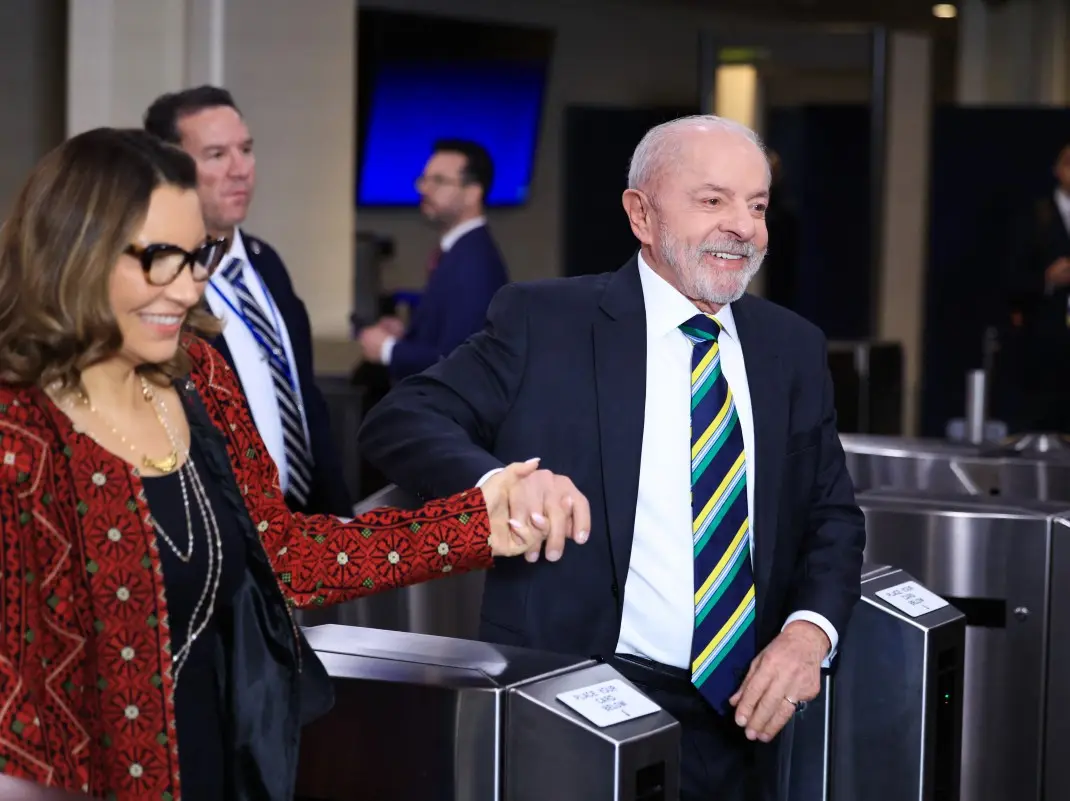
Brazil's President Luiz Inacio Lula da Silva arrives for the 81st United Nations General Assembly at the United Nations Headquarters in New York Photograph: (AFP)
Why does Brazil speak first at the United Nations? Explore the history behind the tradition and why Brazil opens the UN General Debate at UNGA 2026
As world leaders gather in New York for the United Nations General Assembly (UNGA) 2026, one longstanding tradition is once again in focus: Brazil speaks first during the General Debate, followed by the United States, the host country. The General Debate of the UN General Assembly's 81st session is being held from September 22 to 28, 2026. But why does Brazil get the first speaking slot?
The answer lies largely in diplomatic tradition rather than a formal rule. According to the United Nations' explanation, Brazil started taking the opening slot during the early years of the General Assembly because countries were initially reluctant to be the first to address the gathering. Brazil volunteered on several occasions, and the practice eventually became established. The tradition was firmly established from 1955, when Brazil began consistently opening the General Debate. The United States then traditionally follows as the second member state to speak because it hosts the UN headquarters in New York.
The remaining speaking order is not simply alphabetical. The UN considers factors including the level of representation, geographical balance, preferences and the order in which requests to speak were recorded. Brazil's opening position has also given the country an unusually prominent platform in the annual diplomatic calendar. The Brazilian government describes the General Debate as an opportunity for leaders to present their priorities on global challenges, while Brazil's opening role has become a distinctive feature of UN protocol.
There are also historical explanations beyond the immediate protocol. Brazilian diplomat Oswaldo Aranha played an important role during the early years of the UN, and some historians and analysts have linked Brazil's longstanding prominence at the opening of the General Debate to its diplomatic role. Other theories have connected the tradition to Brazil's broader place in the multilateral system.
These explanations, however, should be distinguished from the UN's official account that the practice developed because Brazil repeatedly volunteered to speak first. At UNGA 2026, the pattern continues: after the UN Secretary-General and General Assembly president open proceedings, Brazil takes the first member-state speaking slot, followed by the United States.
)
)
)
)
)
)
)
)
)
)
)
)
)
)
)
&im=FitAndFill=(700,400))
)
)
)
)
)
)
)
&im=FitAndFill=(700,400))
)
)
)
)
)
)
)
)
)
)
)
)

