UNGA 2026 theme explained: What does ‘Restoring trust, managing transformation: A United Nations that delivers for all’ mean?

&imwidth=600&imheight=450&format=webp&quality=medium "UNGA 2026 theme explained: What does ‘Restoring trust, managing transformation: A United Nations that delivers for all’ mean?")
United Nations General Assembly Photograph: (AFP)
UNGA 2026's theme focuses on rebuilding trust in the United Nations, managing global change and ensuring the organisation delivers for people worldwide
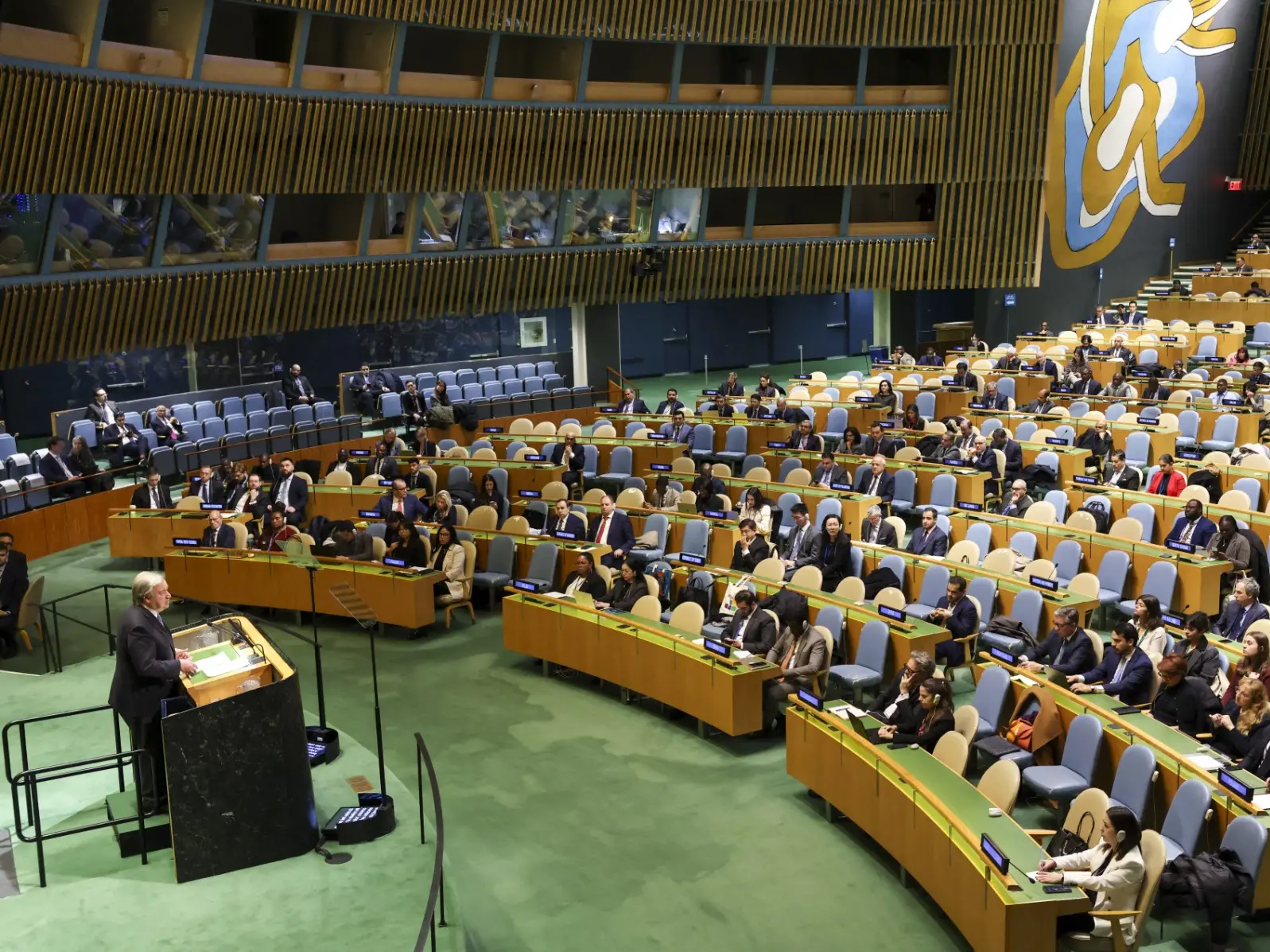
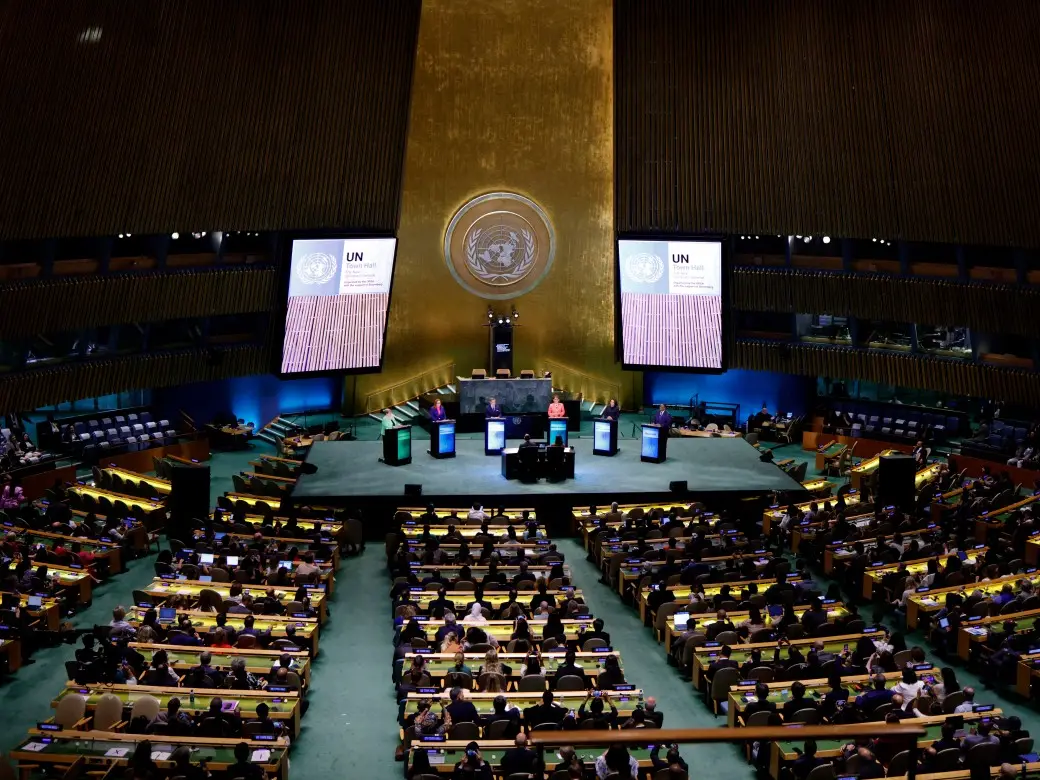
The 81st session of the United Nations General Assembly (UNGA) has opened with a theme that reflects the challenges facing the international system: “Restoring Trust, Managing Transformation: A United Nations That Delivers for All.” The theme was put forward by General Assembly President Khalilur Rahman of Bangladesh, who was elected to lead the 2026–27 session in June.
But what does the phrase actually mean? At its core, the UNGA 2026 theme is about rebuilding confidence in multilateral institutions while ensuring that the United Nations can adapt to a rapidly changing world. Rahman’s programme links trust and reform, arguing that the United Nations needs to demonstrate through concrete results that it can respond effectively to global challenges.
What does ‘Restoring Trust’ mean?
The first part of the theme focuses on a growing challenge for international cooperation: trust in the ability of global institutions to deliver results. The UN’s 81st session begins against a backdrop of armed conflicts, humanitarian crises, widening inequalities, climate emergencies and pressure on the multilateral system. The President’s programme says these developments have contributed to an erosion of confidence in international institutions.
For Rahman, restoring trust means showing that the UN can move beyond declarations and produce practical outcomes.
In his opening remarks on September 8, he said restoring trust requires both 'delivery and reform', with the organisation demonstrating that it can effectively serve the people it represents. That also means strengthening cooperation among UN member states and making the organisation more accountable, responsive and effective.
Trending Stories
)
)
)
)
)
&im=FitAndFill=(700,400))
)
)
)
)
)
)
)
)
)
)
)
)
)
)
)
)
)
)
)
)
)
&im=FitAndFill=(700,400))
)
)
)
What does ‘Managing Transformation’ mean?
The second part of the theme focuses on the major changes reshaping the world. Technology, artificial intelligence, climate change, shifting economic structures, demographic changes and new security challenges are transforming societies and international relations. The UNGA programme particularly highlights AI, big data and digital platforms. While these technologies can accelerate development, the UN also identifies risks including inequality, bias, surveillance and misuse.
The theme therefore is not simply about embracing technological change. It is also about governing that change fairly and ensuring that developing countries and communities are not left behind. Rahman has called for inclusive implementation of the Global Digital Compact, investment to close the digital divide and stronger international cooperation on AI governance.
Also Read: WATCH | Underwater footage shows capsized Indonesian passenger ship as 129 remain missing
What does ‘A United Nations That Delivers for All’ mean?
The final part of the theme connects trust and transformation with the UN's ability to deliver results for its entire membership.
The programme is organised around six interconnected pillars:
- Silence the Guns, Amplify the Voices — peace, security and justice
- No One Left Behind, No Country Left Out — sustainable development and accelerating the SDGs
- Our Planet, Our Pact — climate resilience and environmental sustainability
- Rights and Protection: Freedom from Fear and Want — human rights and humanitarian action
- Innovation with Inclusion — AI, digital governance, science and technology
- We the Peoples, Reimagined — UN reform and inclusive global governance
The six areas are designed to be interconnected. The UN argues that peace, development, climate action, human rights and effective global governance cannot be treated as completely separate challenges.
Why is the theme significant in 2026?
The timing is important because the UN is entering its ninth decade amid major geopolitical and economic changes. The 81st session follows the UN's 80th anniversary and comes as the organisation continues initiatives such as UN80 reforms, the Pact for the Future and the Global Digital Compact. The new session seeks to turn those reform efforts into more effective and member-driven action.
The theme also places particular emphasis on making multilateralism more responsive to today's challenges rather than relying solely on structures created decades ago. Rahman has described the task as making the United Nations “fit for the future”, while emphasising the importance of dialogue and cooperation among member states.
From conflicts to AI: What will UNGA 2026 focus on?
The theme covers a wide range of issues expected to dominate discussions during the 81st session and its High-Level Week.
These include peace and security, sustainable development, climate change, humanitarian crises, human rights, AI governance and digital inclusion.
The High-Level Week is scheduled for September 22–28, 2026, with nearly 130 heads of state and government expected to attend in person, according to the UN. For the UN, the central challenge is therefore twofold: restore confidence in multilateral cooperation while adapting the institution to a world undergoing rapid transformation. That is the broader meaning behind “Restoring Trust, Managing Transformation: A United Nations That Delivers for All.”

