Iran's Guards push for strikes on Israeli cities, new president focuses on Mossad

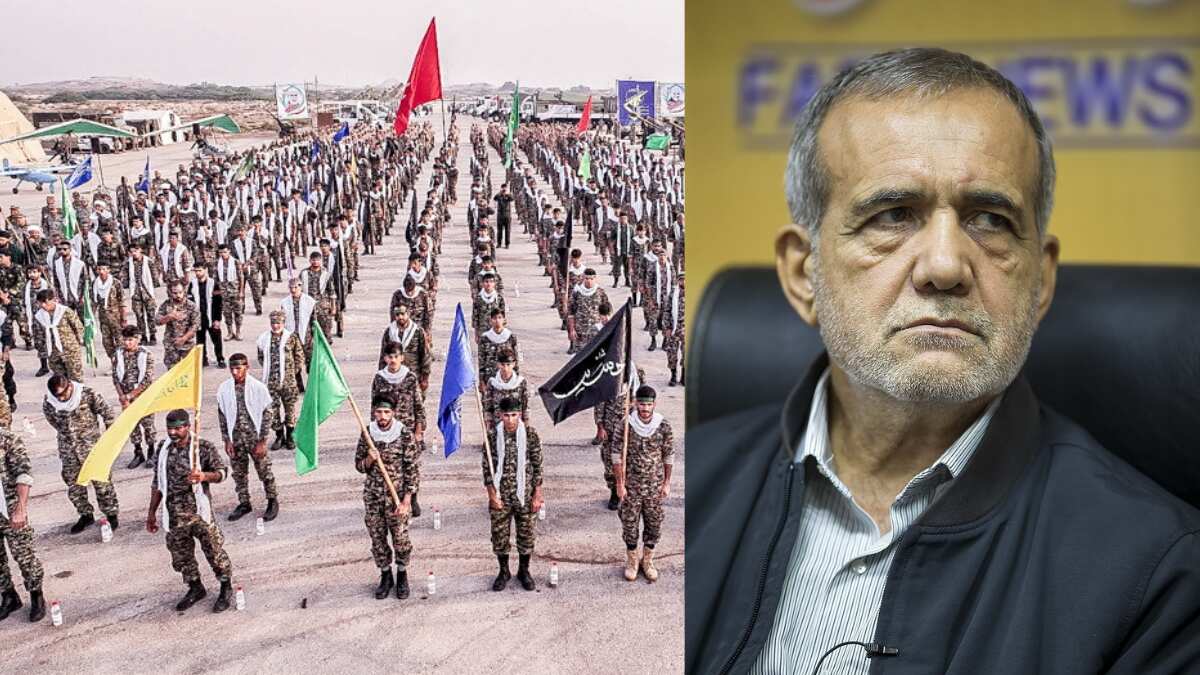
Members of the Islamic Revolution Guards Corps, President Masoud Pezeshkian.
A confrontation between Iran's newly elected President Masoud Pezeshkian and some hardliners within the powerful Islamic Revolutionary Guard Corps (IRGC) has cast uncertainty over Iran's response to the assassination of Hamas leader Ismail Haniyeh in Tehran.
The Iranian government is at odds over how to retaliate against Israel following the killing of Haniyeh, according to The Telegraph.
The IRGC is reportedly pushing for a direct and severe missile strike on Tel Aviv and other major Israeli cities. However, President Pezeshkian, who assumed office just days before the assassination, is pushing back against this aggressive strategy.

Pezeshkian, known for his comparatively moderate stance and his electoral victory over a candidate backed by the IRGC, is advocating for a more calculated response.
The newly elected president is urging for strikes on alleged Mossad bases located outside Israel, particularly in neighbouring regions such as the Republic of Azerbaijan and Iraqi Kurdistan.
)
Nigeria: Protesters take to the streets, police fire shots
)
US-Iran war: Tehran draws red lines — seven demands before any peace talks
)
Russia-Europe tensions: Polish PM warns Russian attacks could test NATO's unity
&im=FitAndFill=(700,400))
‘Not the US or China’: These are the countries leading the world in arable land
)
EXCLUSIVE | Singer Hanita Bhambri on her Toxic debut, working with Vishal Mishra and more
)
Sikh bus driver assaulted, bus stolen and rammed into cars in England; video surfaces
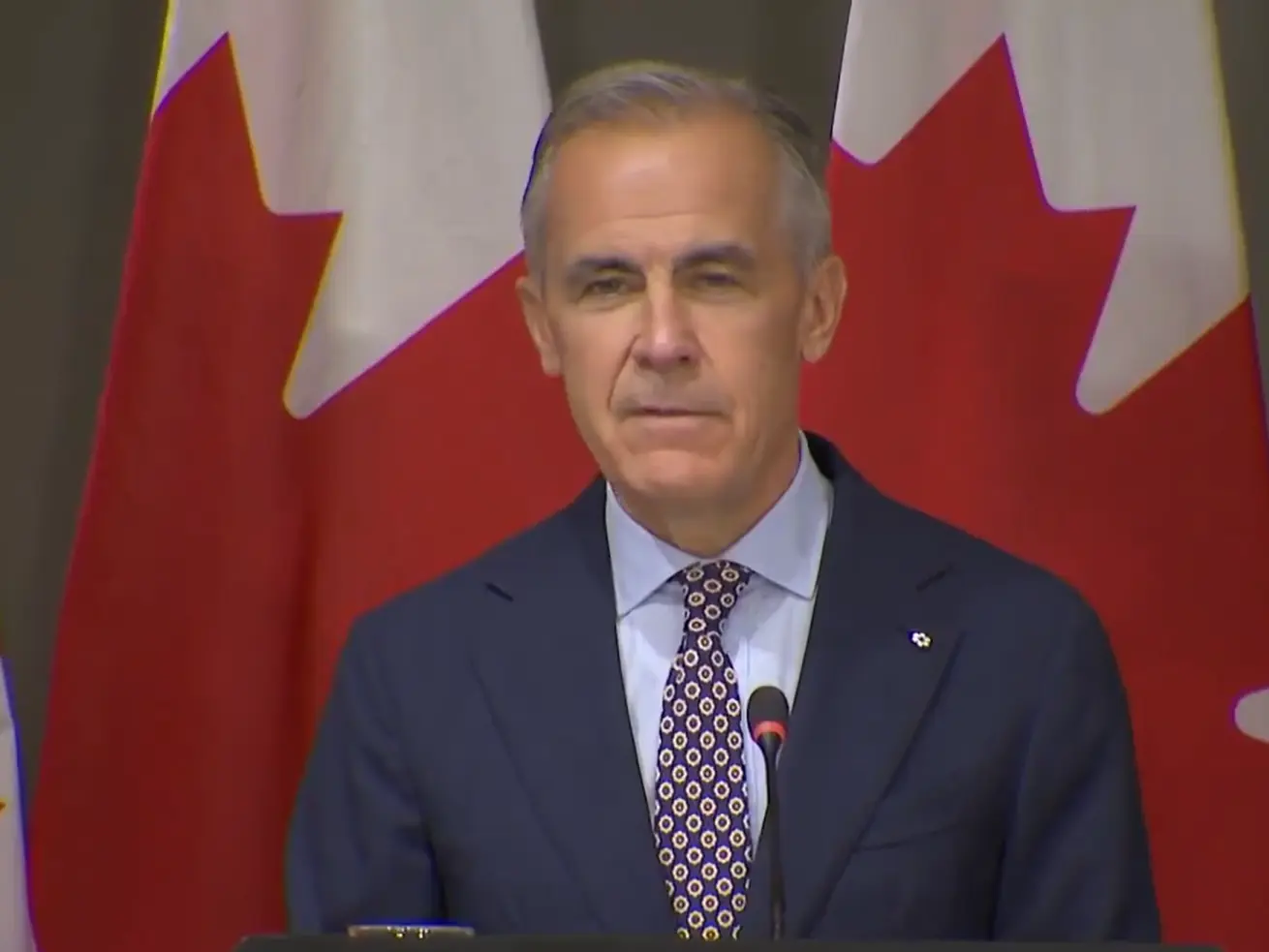)
Mark Carney mimics Trump in hilarious moment over C$70 billion clean-energy investment; room erupts in laughter
&im=FitAndFill=(700,400))
Before Extraordinary Minami Minami, these popular K-dramas got Japanese versions
)
'Were you here to sell chickpeas?': Wasim Akram criticises Babar Azam's captaincy
)
Aravana prasadam shortage at Sabarimala temple in Kerala triggers protests, TDB questioned
)
‘End of my career...’: NSA Doval recalls tense Sikkim mission when China captured Indian intelligence team
)
Report: Iran rebuilding Taleghan 2, nuclear site tied to past weapons research, hit twice by Israel
)
Trump defends AI amid growing alarm, announces new 'AI force' and promises an 'AI czar'
)
Iran sets 7 conditions to end war with US: What are Tehran’s demands?
)
Trump announces ‘AI Force’ as debate grows over AI risks and regulation
)
China may have gained access to US's classified F-35 jets; parts meant for repairs diverted to Hong Kong, sparking Pentagon inquiry
)
Man breaks open wall hiding hundreds of books since 15 years
)
Gaza under attack: Health chief's son killed in IDF strikes
)
S Jaishankar, former Army chief among high-profile names issued Delhi SIR notices
)
Arvind Kejriwal, family members, Delhi CM Rekha Gupta get SIR notices
)
AI actress Tilly Norwood glitches mid-interview, switches from English to Chinese | Watch
)
Saudi vs Houthis: Houthis claim missiles & drones used in attack on key Saudi sites
)
Ed Sheeran addresses Macklemore's removal, Gaza conflict during Philadelphia concert: 'I cannot hide how I feel'
)
‘Will go to any extent’: Pakistan vows to defend Saudi Arabia amid Houthi attacks
66 years of the Indus Waters Treaty: How India and Pakistan settled a bitter river dispute
)
The Verdict | When precision fails: US commits war crime in Minab school strike, UN finds
)
9 women found dead near Johannesburg: South Africans rally, demand 'enough' to femicide
)
Kampala-Ankara rift deepens: Uganda suspends military ties, seeks Fred Lumbuye's extradition
)
Several petrol pumps, other businesses to refuse UPI payments above Rs 2,000 from Oct 16: Is it legal?
)
US-Iran war: Tehran sets seven conditions to re-engage in talks with US
)
Reacher star Alan Ritchson opens up about alleged blackmail, suicide attempt during difficult period
)
Africa is splitting, and a lot sooner than estimated, giving way to a new ocean
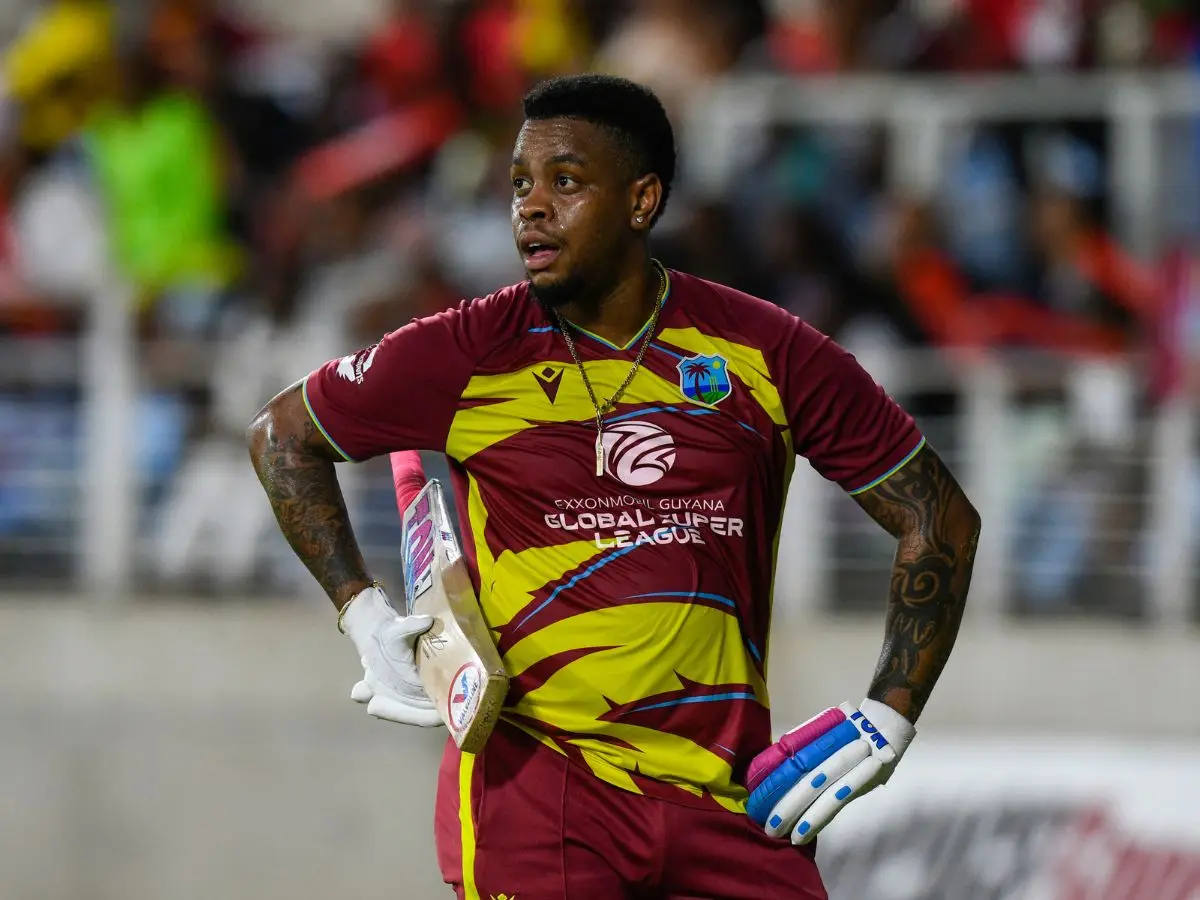)
West Indies Squad for India Series: Hetmyer included for T20Is, Holder rested
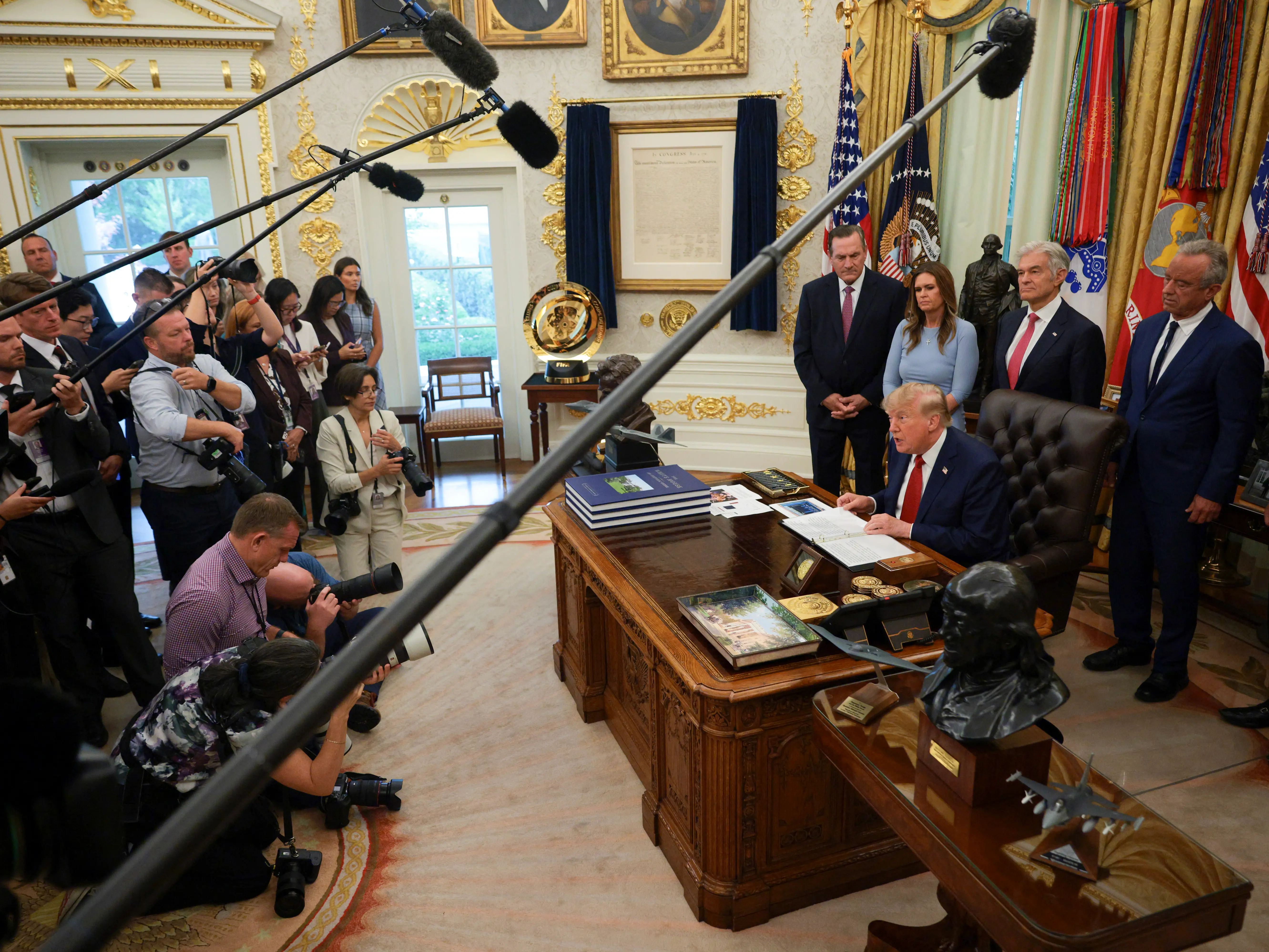)
Trump bans CNN, MS NOW and Politico from White House over ‘FAKE NEWS’
&im=FitAndFill=(700,400))
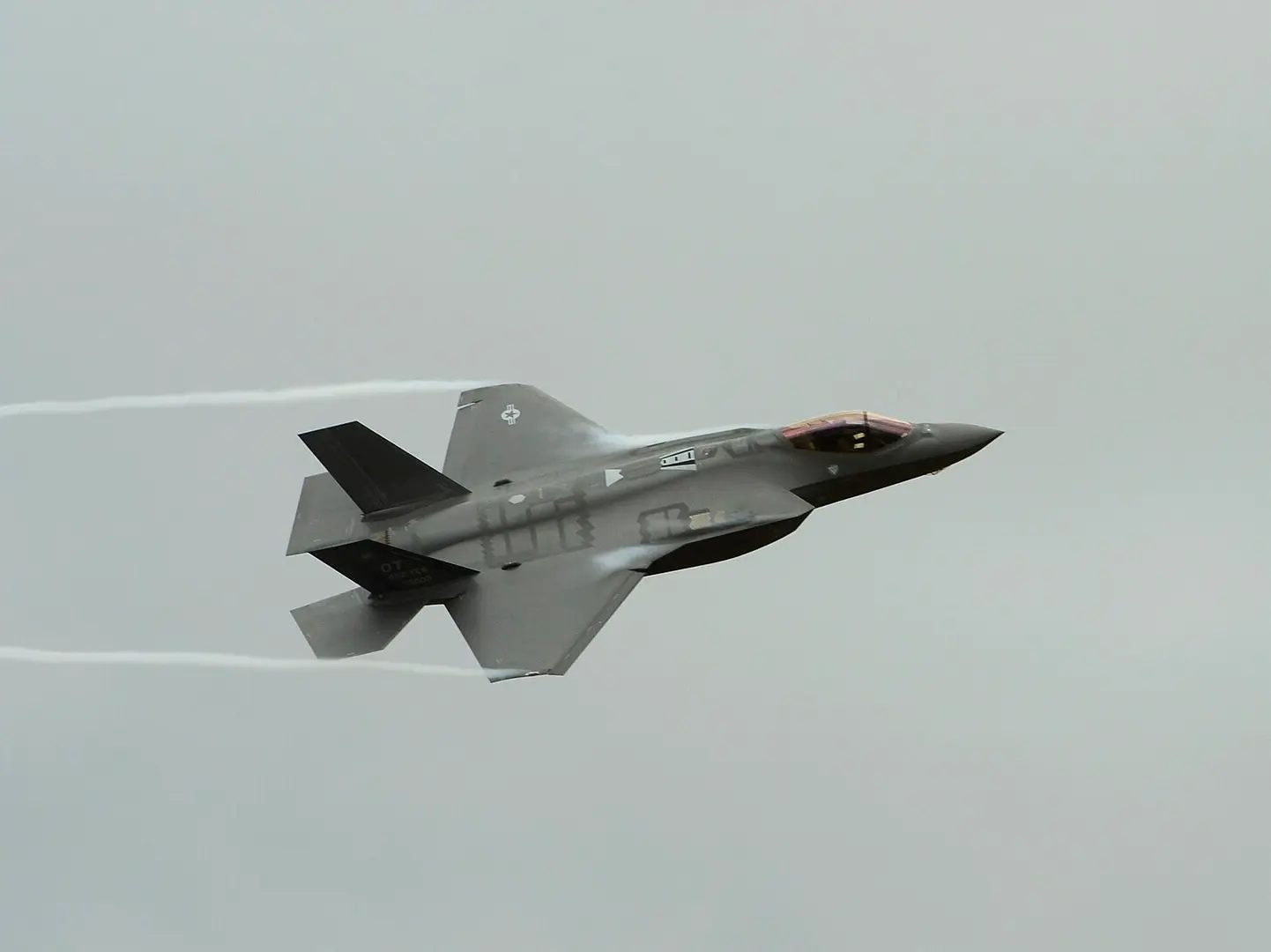
How many F-35s does Britain, Japan and Israel have?
)
Harry Brook targets long reign at top of T20I rankings after Sri Lanka sweep
)
Russia's deadly Ukraine strikes kill 2 in Sumy, hit Dnipro mall
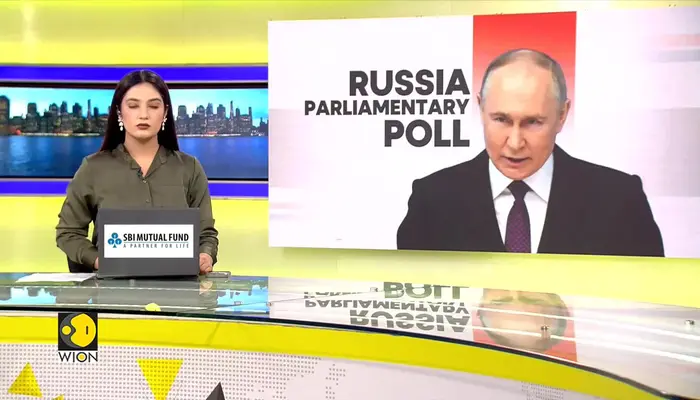)
Russia holds first parliamentary elections since the beginning of the Ukraine war
&im=FitAndFill=(700,400))
Meet top 5 Indian batters with fastest T20I centuries
)
Raphinha hat-trick powers Barcelona to 3-1 win over Sevilla in La Liga
)
He argues that this approach would minimize the risk of a full-scale war with Israel, a conflict he believes could have severe consequences for Iran.
A close aide to President Pezeshkian told The Telegraph, "Pezeshkian fears that any direct attack on Israel would have serious consequences."
The aide reportedly further said that Pezeshkian has suggested notifying Azerbaijan and Iraqi Kurdistan before any strikes on alleged Israeli bases within their borders.
The IRGC, which has historically enjoyed significant autonomy and influence within the Iranian government, is reportedly undermining Pezeshkian's efforts to avoid a major confrontation with Israel.
Video:Iran's Revolutionary Guards showcase undetectable cruise missiles
An official from the IRGC told The Telegraph that the organisation is mainly dismissive of the president's more restrained approach. "The number one consideration is still striking Tel Aviv with Hezbollah and others at the same time," the official said as quoted by The Telegraph.
Pezeshkian faces a rising conflict in asserting his authority over the IRGC, which remains loyal to Supreme Leader Ayatollah Ali Khamenei.
Another aide close to the president informs The Telegraph, The IRGC's push for a more aggressive response is seen as being "more about undermining his week-long presidency than addressing the humiliation they have suffered" from the assassination.
(With inputs from agencies)