In Bogota, trash of the rich becomes lifeline for the poor

Colombia left party
They appear at nightfall, dragging heavy carts from dustbin to dustbin in the affluent northern suburbs of the Colombian capitalBogota.
Informal recyclers, they rifle through thetrashof therichlooking for waste plastic, glass bottles and cardboard they can sell for a handful of pesos.
It is back-breaking work for little reward, but a salvation for thousandsin a country where one in eight city dwellers is unemployed, and the poverty rate approaches 40 percent.

"This life is hard, but it is my only option to survive," Jesus Maria Perez, 52, told AFP.
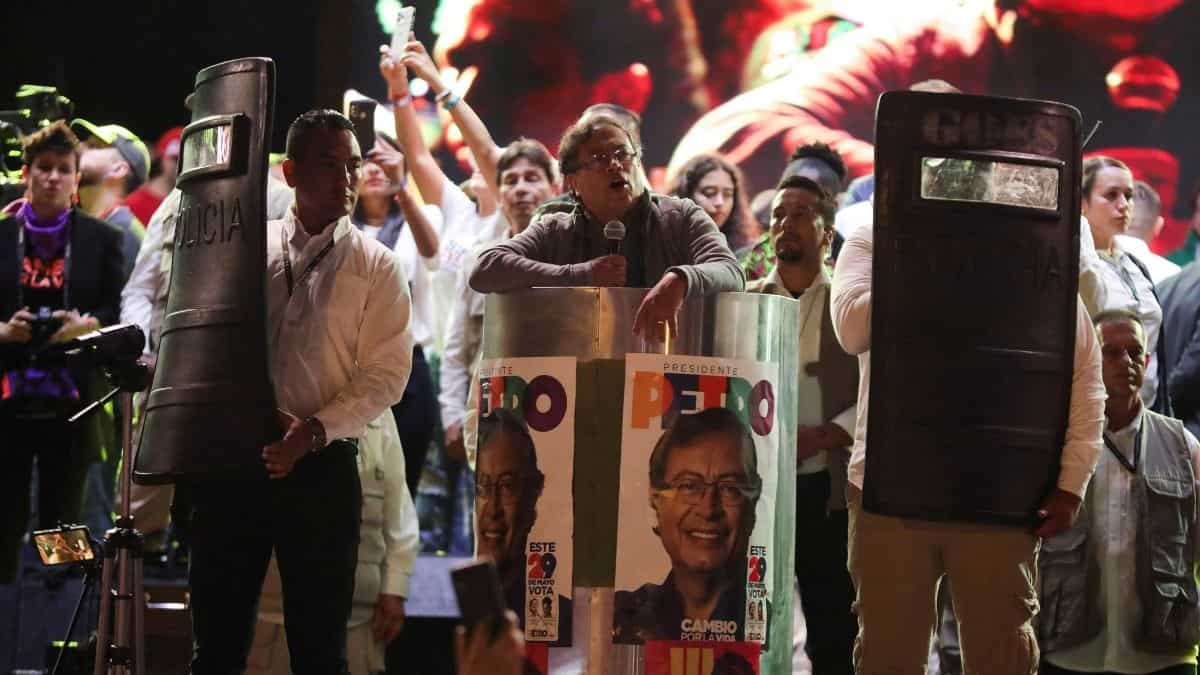
Men, women and even children: these waste pickers are the face of the misery that candidate after candidate for Sunday's first round of presidential elections has vowed to eradicate.
)
Three labourers killed as DU student loses control of his car, rams into them on Dwarka Expressway
)
Pentagon revives mandatory testosterone testing for male troops aged 30 and above
)
FACT CHECK: Why did PM Modi ask Xi ‘is it okay’ at BRICS Summit? New video reveals...
)
India seeks to build a full semiconductor supply chain
&im=FitAndFill=(700,400))
From Abhishek Sharma to Sahil Chauhan, 5 batters with fastest T20I hundreds
)
Indian activist-lawyer Prashant Bhushan's post brings focus on ‘conflict of interest’ appointments of ex-govt officials at Reliance, Adani groups
)
Pyongyang dismisses US, western pressure over nuclear programme
)
US And Denmark reach Greenland deal, Trump announces expanded military presence
)
Google’s Gemini AI hacks real systems by guessing passwords during security test
)
China may have gained access to US's classified F-35 jets; parts meant for repairs diverted to Hong Kong, sparking Pentagon inquiry
)
NASA research plane reaches 61,000 feet over Panama
)
Godfather of AI Geoffrey Hinton gives US lawmakers a one-year warning on AI
)
Shivakumar attends 79th Kalyana Karnataka Utsav in Kalaburagi
)
Trump signs Russia sanctions law: India faces fresh 100% tariff threat over Russian oil
)
Brigitte Bardot’s private collection set for Paris auction; key items and prices revealed
)
Why Ranveer Singh’s Dhurandhar missed India’s Oscar entry; FFI jury member reveals what happened
)
‘Will go to any extent’: Pakistan vows to defend Saudi Arabia amid Houthi attacks
)
The Verdict | When precision fails: US commits war crime in Minab school strike, UN finds
)
Trump signs Russia sanctions bill into law, targets Moscow’s energy sector
&im=FitAndFill=(700,400))
New Friday OTT releases (September 18, 2026): Lust Stories 3, You+Me, Best of the Best- 8 new titles coming on Netflix, Prime Video and more
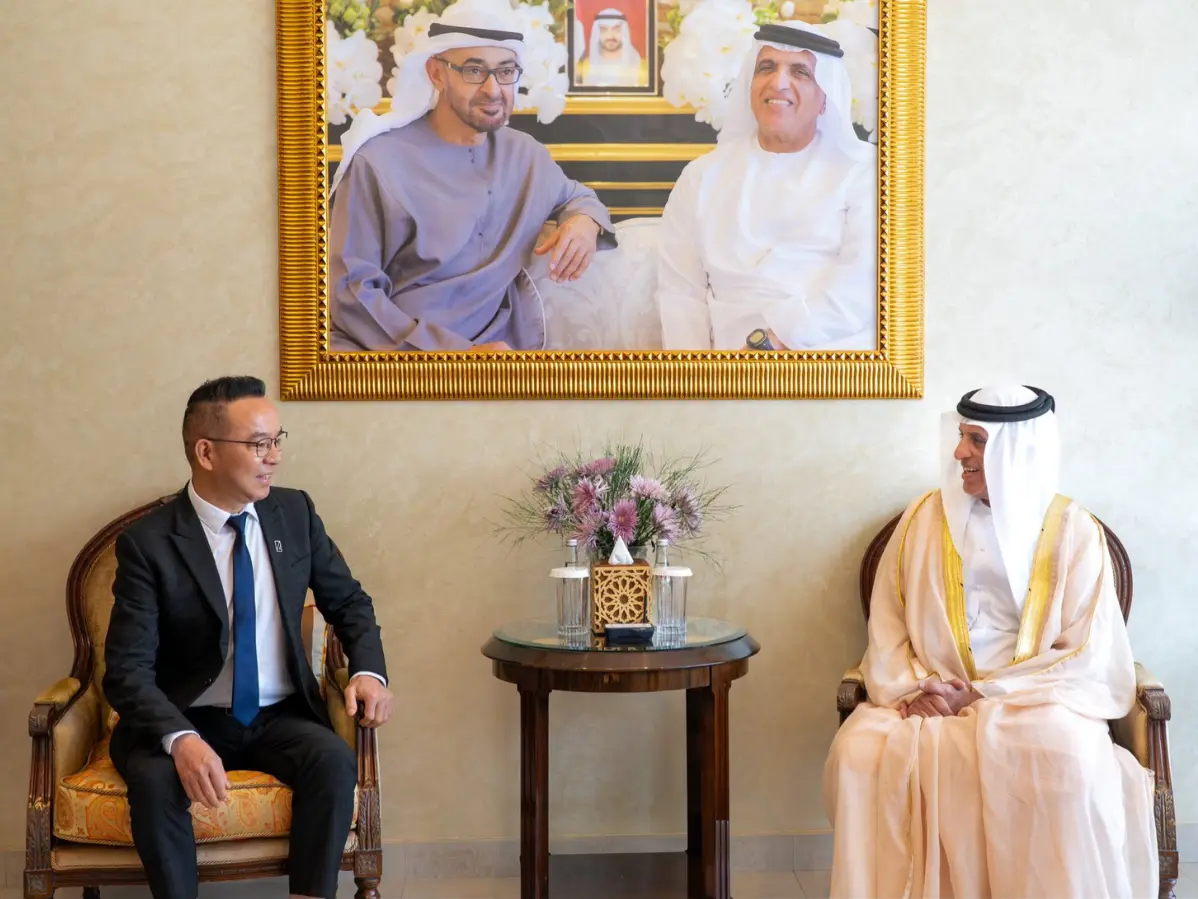)
Flying cars in UAE: Ras Al Khaimah signs deal with Chinese company to test new transport
)
Africa is splitting, and a lot sooner than estimated, giving way to a new ocean
)
'Gangsta' crab shoves knife blade at man and his dog in Florida - Watch
)
Trump bans CNN, MS NOW and Politico from White House over ‘FAKE NEWS’
)
Trump 2.0: Dark days ahead for America’s ‘imperial presidency’
)
Trump's Greenland dream comes true? POTUS announces 'Infinite Life' deal with Denmark, claims permanent US control
)
Drone strikes cooling tower at Russia's Kursk Nuclear Plant, IAEA confirms
)
Who is Khalilur Rahman? All you need to know about 81st UN General Assembly President
)
IIT Bombay student dies by suicide, was caught seeking AI help during exams
&im=FitAndFill=(700,400))
Meet top 5 bowlers in latest ICC T20I rankings
)
Indian Cinema bets big on mythology, brings ancient stories to modern audiences
)
Ukraine plans record $109 bn defence spending, nearly two thirds of budget amid Russia war
)
Russia holds first parliamentary elections since the beginning of the Ukraine war
&im=FitAndFill=(700,400))
Meet top 5 Indian batters with fastest T20I centuries
Many, Perez included, are among the estimated 1.8 million migrants to have fled neighbouring Venezuela in search of a better life in Colombia -- Latin America's fourth-largest economy but one of the world's most unequal.
In 2020, according to theBogotacity council, 25,000 of the capital's eight million inhabitants worked as informal rubbish recyclers.
On average, each earns between 12,000 and 18,000 pesos ($3 to $4.50) daily for their efforts, according to Alvaro Nocua of the "Give Me Your Hand" association set up to help this community.
Watch |Colombians mark 1-year anniversary of national strikes
For Perez, who used to be a cook in Venezuela, it is a struggle to meet his daily goal of 40,000 pesos -- about $10 -- to cover his one meal a day, a bed for the night and parking for his wooden cart.
He has no horse or donkey to pull the heavy burden: theBogotamunicipality banned the practice eight years ago to combat animal abuse.
And as few can afford a self-propelled vehicle, it is people who do the heavy lifting, pulling their carts for kilometresevery day.
Whole families take part in the endeavour; the parents wading through the garbage as little ones wait in the cart, playing among the rubbish.
Bogotaproduces nearly 7,500 tons of waste every day, of which as much as 16 percent, municipal data shows, is recycled by people like Perez.
Nearly 80 percent of Colombian households did not recycle or even separate their waste at home, according to 2019 figures.
Martha Munoz, 45, runs a small recycling station where she buys waste from the informal collectors before reselling it to one of 15 large centres inBogota.
"Many of those who come here live on the street; this allows them to have a small income," she told AFP.
Munoz said she raised her seven children with her recycling income -- one is a lawyer today and another an engineer.
Perez's expectations are shorter term.
On the day AFP met him, he had managed to earn only 25,000 pesos, just over half of what he needs.
Subtracting the rent for his room in a filthy boarding house in a rough neighbourhood and expenses for parking his cart, Perez is left with just 1,000 pesos -- about a quarter of a US dollar.
To make up the difference, he sets out again, this time to sell candy and bin bags on the street.
In this way, he collects enough to pay for his first and only meal of the day: a small sachet of rice with a bit of meat.
According to the World Bank, Colombia is one of the countries with the highest income inequality and biggest informal labor markets in Latin America.
Colombians go to the polls Sunday for elections in which deepening economic woes -- which gave rise to deadly protests last year -- are a key campaign issue.
WATCH WION LIVE HERE
You can now write for wionews.com and be a part of the community. Share your stories and opinions with us here.