Ethiopia's election board 'confident' despite worry over vote

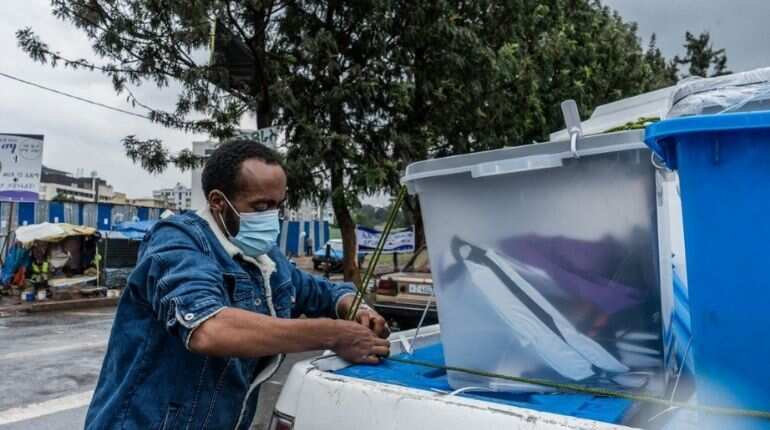
An Electoral official loads ballot boxes on a vehicle from a distribution center in Addis Ababa, Ethiopia, on June 20, 2021 to be distributed to a polling stations.
Twice delayed, hobbled by the coronavirus pandemic, violent insecurity, and planning chaos,Ethiopia's electoralboardsays it is ready for Monday's crucialvoteand assures it will be credible.
"We're actually veryconfidentabout it," the NationalElectionBoardofEthiopia(NEBE) spokeswoman Solyana Shimeles told AFP.
It is not optimism shared by all, with serious doubts remainingoverthevotePrime Minister Abiy Ahmed promised would be the most competitive yet in Africa's second-most populous nation.

Votingwill not proceed on June 21 in about one-fifth of the country's 547 constituencies due to unrest and logistical problems.
Those constituencies will mostlyvotein September, but no ballot is scheduled in Tigray, a war-torn region of six million.
)
Oxford United's new clothing line featured 'United 93' phase
&im=FitAndFill=(700,400))
‘Not the US or China’: These are the countries leading the world in arable land
)
Pentagon revives mandatory testosterone testing for male troops aged 30 and above
)
Mark Carney mimics Trump in hilarious moment over C$70 billion clean-energy investment; room erupts in laughter
)
Iran rebuilding nuclear facilities? New satellite images show Tehran may be rapidly restoring bombed Parchin base
)
It's a girl! Deepika Padukone and Ranveer Singh welcome their second child
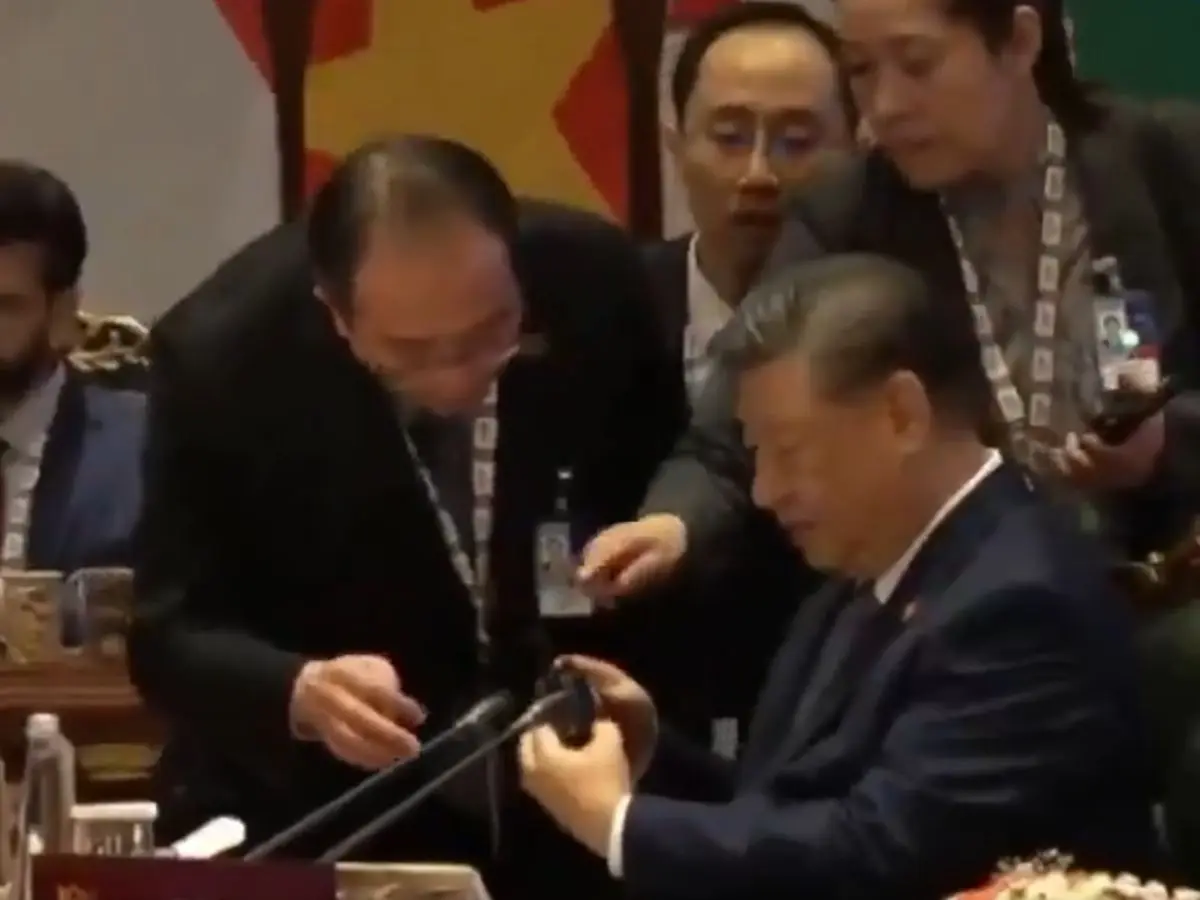)
FACT CHECK: Why did PM Modi ask Xi ‘is it okay’ at BRICS Summit? New video reveals...
)
Putin: European leaders using war rhetoric to save falling ratings
)
China may have gained access to US's classified F-35 jets; parts meant for repairs diverted to Hong Kong, sparking Pentagon inquiry
)
Trump announces ‘AI Force’ as debate grows over AI risks and regulation
)
Arvind Kejriwal, family members, Delhi CM Rekha Gupta get SIR notices
)
Cochin shipyard starts building Indian Navy's next-gen missile vessels
)
Russia extends ban on Western food imports for two more years in extended sanctions countermeasure
)
Brigitte Bardot’s private collection set for Paris auction; key items and prices revealed
)
Why Ranveer Singh’s Dhurandhar missed India’s Oscar entry; FFI jury member reveals what happened
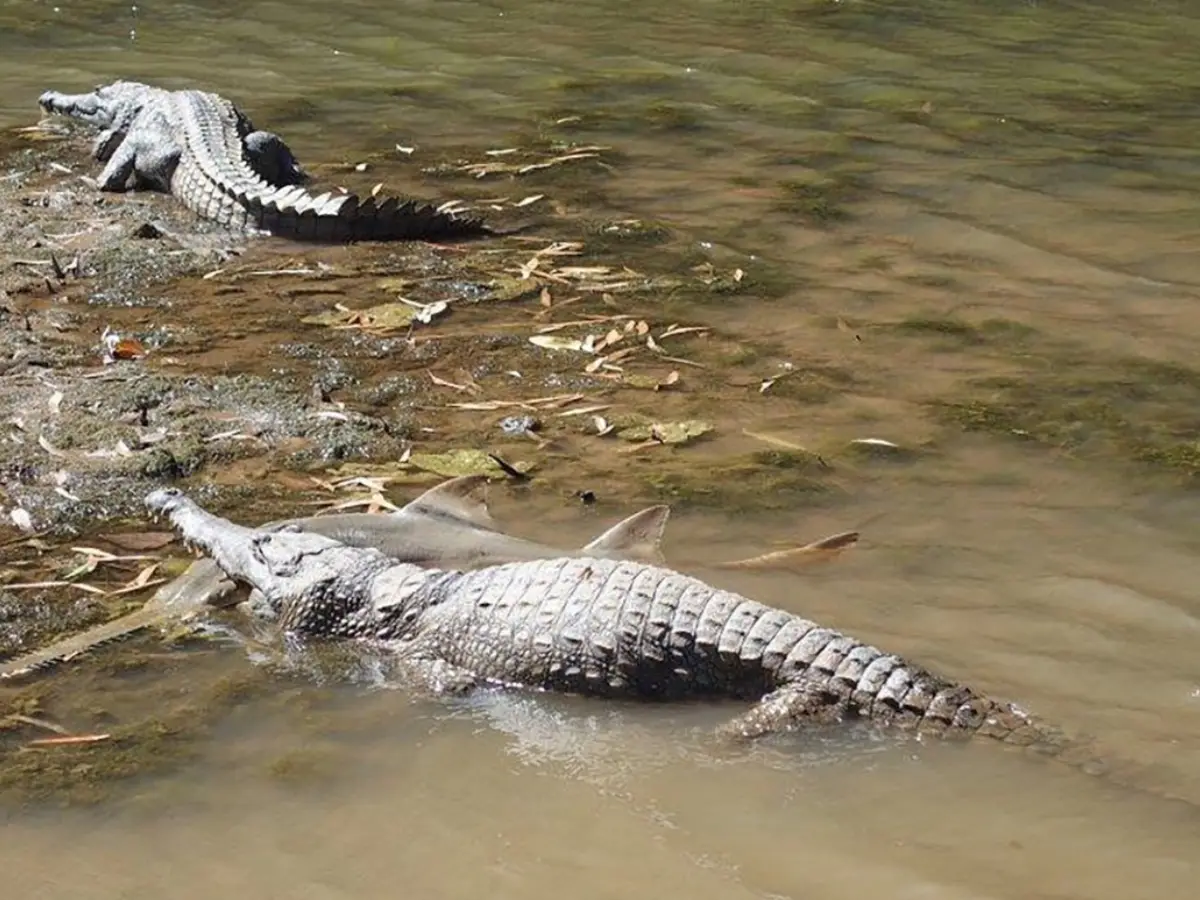)
How did an Australian river with 500 crocodiles pass the Olympic test? Here's how
)
‘Will go to any extent’: Pakistan vows to defend Saudi Arabia amid Houthi attacks
&im=FitAndFill=(700,400))
Ananya Panday to Sharvari: 5 actresses serving major princess vibes
66 years of the Indus Waters Treaty: How India and Pakistan settled a bitter river dispute
)
The Verdict | When precision fails: US commits war crime in Minab school strike, UN finds
)
Trump signs Russia sanctions bill into law, targets Moscow’s energy sector
Russia attacks Ukraine with 174 drones, kills 8; 2 vessels hit in Black Sea
)
Pak: A series of counter terrorism operations in Khyber Pakhtunkhwa
)
Flying cars in UAE: Ras Al Khaimah signs deal with Chinese company to test new transport
)
Reacher star Alan Ritchson opens up about alleged blackmail, suicide attempt during difficult period
)
Africa is splitting, and a lot sooner than estimated, giving way to a new ocean
)
Ajit Agarkar’s future as chief selector to be decided at right time, says BCCI secretary
)
Trump bans CNN, MS NOW and Politico from White House over ‘FAKE NEWS’
)
Trump 2.0: Dark days ahead for America’s ‘imperial presidency’
&im=FitAndFill=(700,400))
How many F-35s does Britain, Japan and Israel have?
)
Tirupati Laddu ghee adulterated with chemicals, says ED, supplier arrested
)
Trump extends H-1B visa's $100,000 fee until September 2027: What it means for Indians?
)
Russia holds first parliamentary elections since the beginning of the Ukraine war
&im=FitAndFill=(700,400))
Meet top 5 Indian batters with fastest T20I centuries
)
‘System run by six individuals’: Rahul Gandhi targets PM Modi, Amit Shah, NSA Doval
)
)
In some areas wherevotingwill proceed, opposition boycotts have further undermined claims of inclusivity and competition.
The majority of national parliamentary seats up for grabs in Abiy's native Oromia,the country's most populous region are being contested by a single candidate,electiondata shows.
Solyana said just three ofEthiopia's 49 registered parties were not contesting the poll, and about 9,500 candidates were running at a national and regional levelmore than any previous ballot.
"We hope this is going to be a better one, a participatory one, and a credible one," she said.
Setbacks
NEBE was overhauled when Abiy rose to power in 2018 on the back of anti-government protests, vowing to open up political space after years of iron-fisted rule.
The appointment of Birtukan Mideska, a high-profile former judge and exiled opposition leader, to head a revived, independentboardwas seen as evidence of Abiy's committment to democratic reform.
Nationwideelectionswere delayed almost year due to the coronavirus pandemic, and rescheduled for June 5.
But organising a smoothelectionis a tall order at the best of times inEthiopia, a vast and rugged country of 110 million hamstrung by poor infrastructure.
NEBE lacked resources and needed tens of thousands of staff. The timetable fell behind and a new date was scheduled for June 21.
But problems still linger just days before thevote, observers say.
On Friday, Birtukan wrote to Abiy saying federal assistance with transport and other logistics would be needed to ensure theelectionwent off without a hitch.
"NEBE is working 24 hours in full capacity," she wrote.
One diplomat in Addis Ababa, who asked to remain anonymous, said: "NEBE is committed and willing, but it is challenging. Whether this translates into being ready for soundelectionsis another matter."
Doubts
Analysts say the logistical problems that have dogged preparations could prove troubling when it comes to counting the ballot.
"The NEBE leadership is trying really hard to do what they can but they're working in a difficult environment and have huge delivery challenges", said anelectionexpert in Addis Ababa who asked to remain anonymous.
Thevotewill be monitored by five foreign observer missions and thousands of civil society workers. The EU will not send a team after a disagreement with the governmentoverthe terms.
And the Ethiopian Humans Rights Commission, a government-affiliated but independent body that has investigated state excesses, was barred from observing thevote.
"Our mandate enables us to deploy and monitor the human rights aspect of theelections," the commission's director of communications Aaron Maasho told AFP, adding talks with NEBE were ongoing.
Endalkachew Girma, a 35-year-old voter in Addis Ababa, recognised NEBE had tried to make thisvotefairer.
"But like past ballots, I do not think thiselectionwill be historic or credible" he told AFP.