Bondi Beach terror attack: What is Hanukkah? Why is the Jewish festival being targeted?

&imwidth=600&imheight=450&format=webp&quality=medium "Bondi Beach terror attack: What is Hanukkah? Why is the Jewish festival being targeted?")
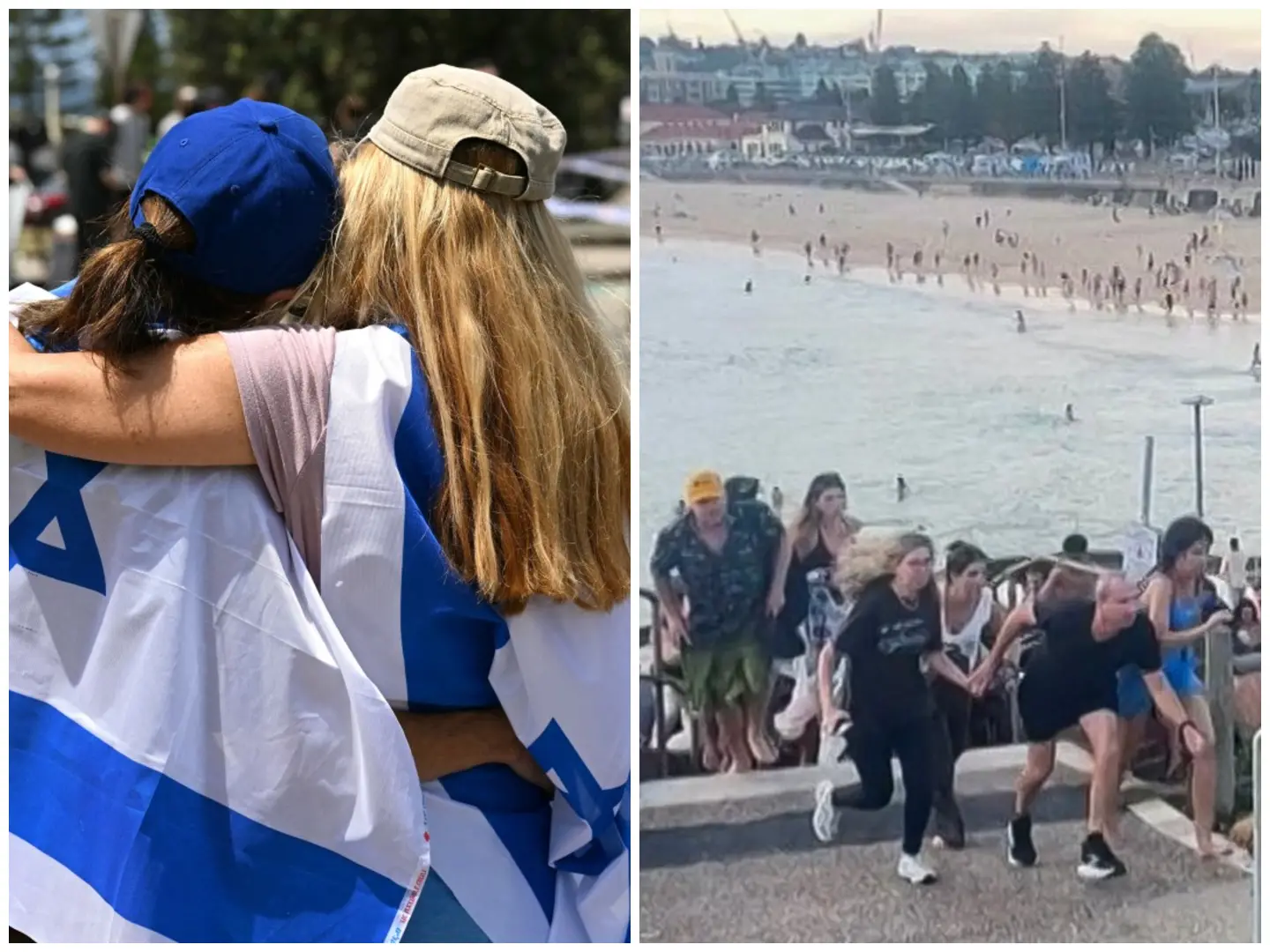
Bondi Beach attack memorial event and the moment of beachgoers escaping the shooters are shown in this combo Photograph: (AFP)
Bondi Beach terror attack targeted a public Hanukkah celebration. The choice was symbolic: Hanukkah represents victory of light over darkness. The Australian shooting is part of rising global antisemitism
The father-and-son duo Sajid Akram and Naveed Akram unleashed mayhem on Bondi Beach in Australia’s Sydney in a gun attack on the occasion of Hanukkah that left at least 16 people dead, including Sajid, and injured 42 others. An improvised explosive device was reportedly found in a car associated with the attack, meaning the planned damage may have been bigger. The shooting on Sunday (Dec 14) is probably the largest attack targeting the Jewish festival in recent memory. It is being investigated as a terrorist incident with a motive of antisemitism. What is Hanukkah? Why is it symbolic for antisemites as a target for hate crimes?
Hanukkah, the festival of lights of Jews
Hanukkah or Chanukah, also known as the Festival of Lights, lasts for eight days in the Jewish calendar, typically falling in November or December, close to the Christmas holidays. The festival marks the rededication of the Second Temple in Jerusalem in the second century BC. The temple was rededicated after the Maccabean Revolt by the Jews against the Seleucid Empire, which had banned Jewish practices and desecrated the Temple.
The miracle of the oil at Hanukkah
The main myth behind the eight-day celebration has to do with the “miracle of the oil that burned for eight days”. When the Maccabees reclaimed and purified the Second Temple, the purified oil to light the holy menorah — the seven-branched candelabrum — was expected to last for only one day, but it burned bright for eight days. Therefore, Hanukkah lasts for eight days, when Jews light the nine-branched menorah, also known as a chanukiah, one extra candle each night, plus a helper candle. Other activities during the festival include reciting blessings, playing the dreidel, and eating oil-fried foods like latkes or potato pancakes and sufganiyot or jelly doughnuts.
Trending Stories
)
)
)
)
&im=FitAndFill=(700,400))
)
)
)
)
)
)
)
)
)
)
)
)
)
)
&im=FitAndFill=(700,400))
)
)
)
)
)
)
)
)
)
)
&im=FitAndFill=(700,400))
)
)
)
&im=FitAndFill=(700,400))
Symbolising the victory of light over darkness, the Hanukkah festival marks religious freedom and Jewish resilience amid adversity.
Hanukkah is a regular target of antisemitic attacks
The reason for the targeting of Hanukkah is that events of the festival are often held in the open, with public menorah lightings and gatherings. These are highly visible symbols of Jewish identity and pride. The celebrations are encouraged and promoted by Chabad and other Jewish organisations to publicise the miracle of the oil. The open nature of these celebrations makes Hanukkah a vulnerable target for antisemitic attacks, targeting its core message of Jewish victory over assimilation and oppression.
Hanukkah attacks part of a rise in global antisemitism
Antisemitic incidents have grown particularly since the October 7, 2023, Hamas attacks on Israel, which led to the Gaza war. There have been several vandalism incidents, disruptions of events, and violent assaults.
On 28 December 2019 in New York, a man wielding a machete attacked a Hanukkah celebration at a rabbi’s home in Monsey, New York, stabbing five people and killing one.
Numerous vandalisations and disruptions have occurred: menorahs have been smashed, events interrupted by protesters shouting slurs, or graffiti near displays. Public menorahs have been toppled or defaced in the US, Canada and Europe, mostly by those with anti-Israel sentiment that conflated Judaism with Zionism.
The Bondi Beach attack targeted a public Hanukkah celebration
The Bondi Beach attack targeted a “Chanukah by the Sea” event, organised by Chabad of Bondi. The event was being attended by around 1,000 people for menorah lighting and festivities when the attackers started shooting indiscriminately at the crowd, leaving a rabbi and a child among the dead.
The Bondi Beach attack is Australia’s deadliest shooting in decades, prompting increased security at Hanukkah events worldwide.

