Australia: NSW allows child sexual abuse victims to sue churches

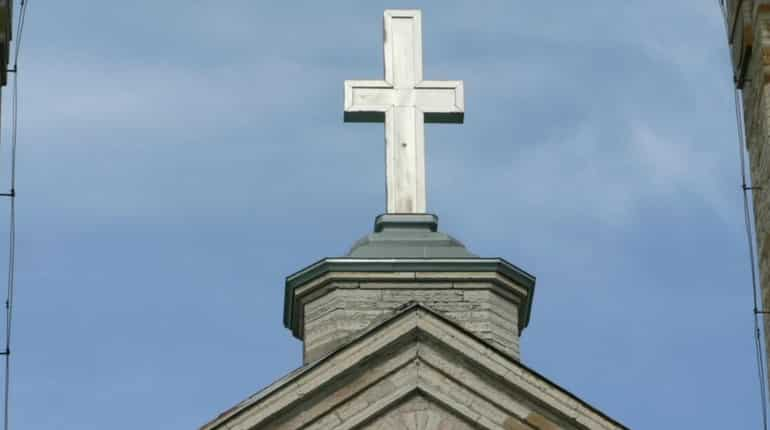
Priest from Providence, Rhode Island says 'paedophilia doesn't kill anyone'
These reforms are based on recommendations of the royal commission which released its final report last year
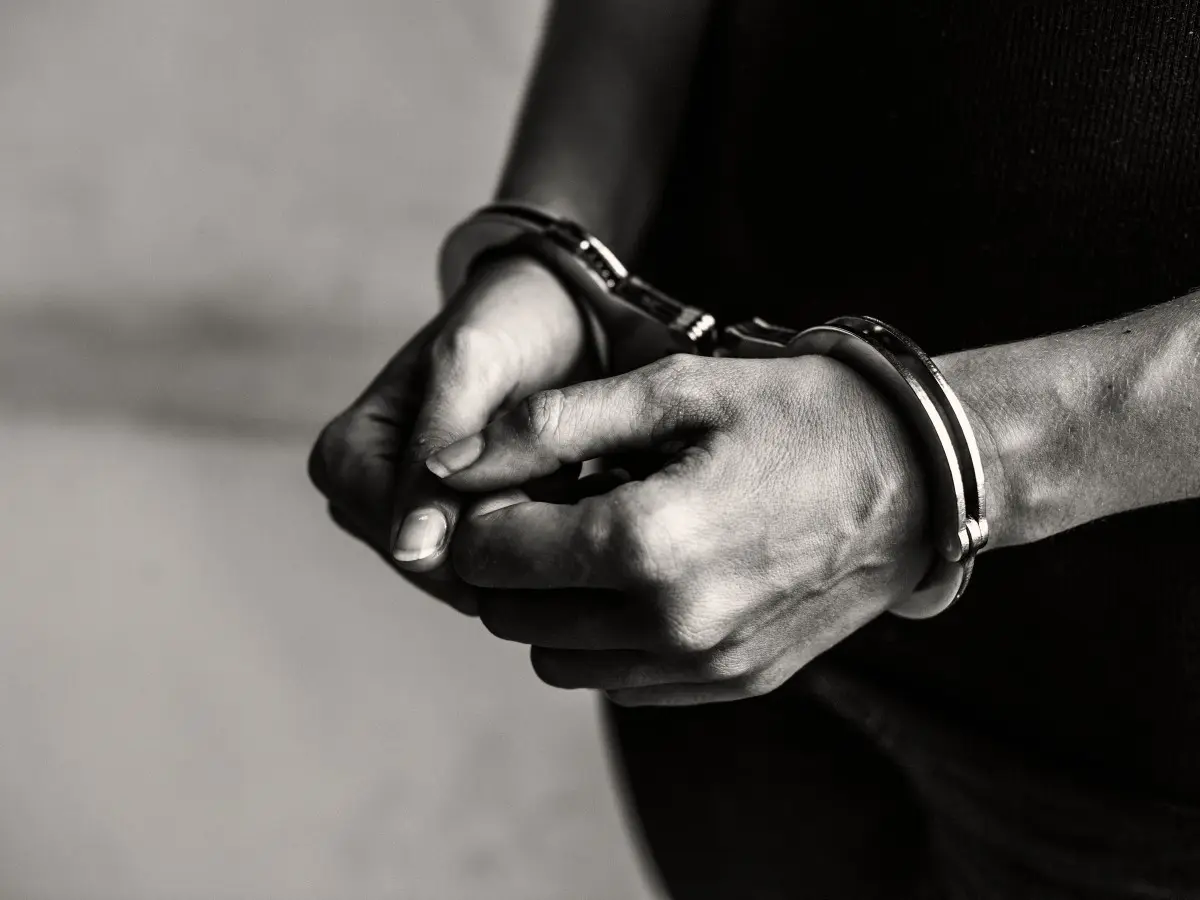
New South Wales became the second state in Austalia after Victoria as it introduced new reforms allowing victims to sue churches in child sexual abuse cases.
New South Wales on Sunday made new reforms in NSW's civil litigation laws under which the vicitms of child sexual abuse will be able tosue institutions like churches orphanges, sporting clubs, youth groups and schools.
These reforms are based on recommendations of the royal commission which released its final report last year.

Earlier those insitutions cannot be put liable for offences like child sexual abuse as their assets were church trustees could not be held accountable for crimes of individuals of the church,but after these recent reforms come into effect it removes legal barries that had stoppped vicitms from seeking justice. Now the courts will have the powerto appoint trustees to be sued if such institutions fail to appoint an entity with assets and allow the assets of the trust to be used to satisfy the claim.
The media reports quoted, New South Wales attorney, General Mark Speakman saying, "The Royal Commission found many survivors felt let down by the current civil litigation system which made it difficult for them to seek damages and hold institutions to account."
''These reforms will provide access to new avenues to allow survivors to pursue compensation so they can focus on recovering and moving forward with their lives,'' a US Daily reported Speakman as saying.
)
The Early Spring is proof not everyone can talk about their real feelings, and it is perfectly OK
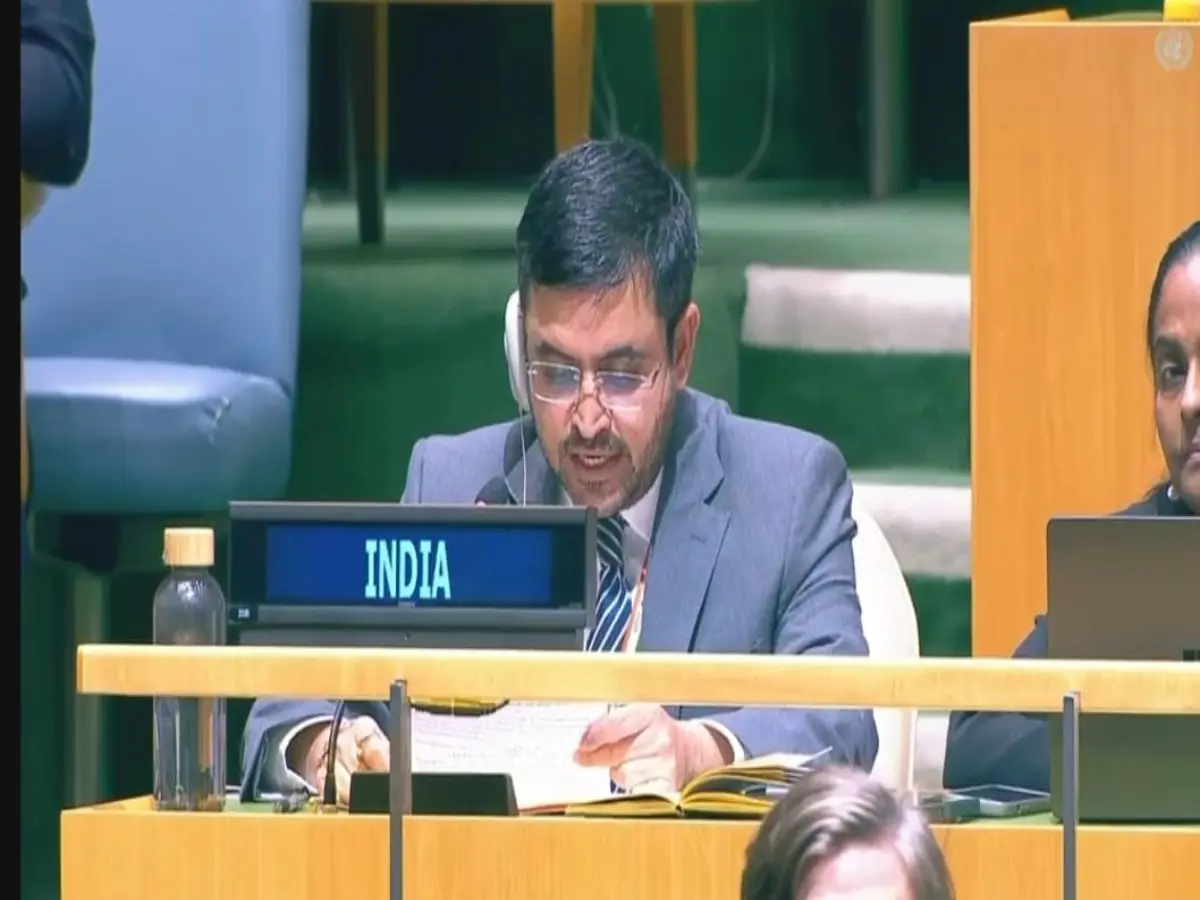)
UN votes to ‘correct the map’ as India backs fairer world view
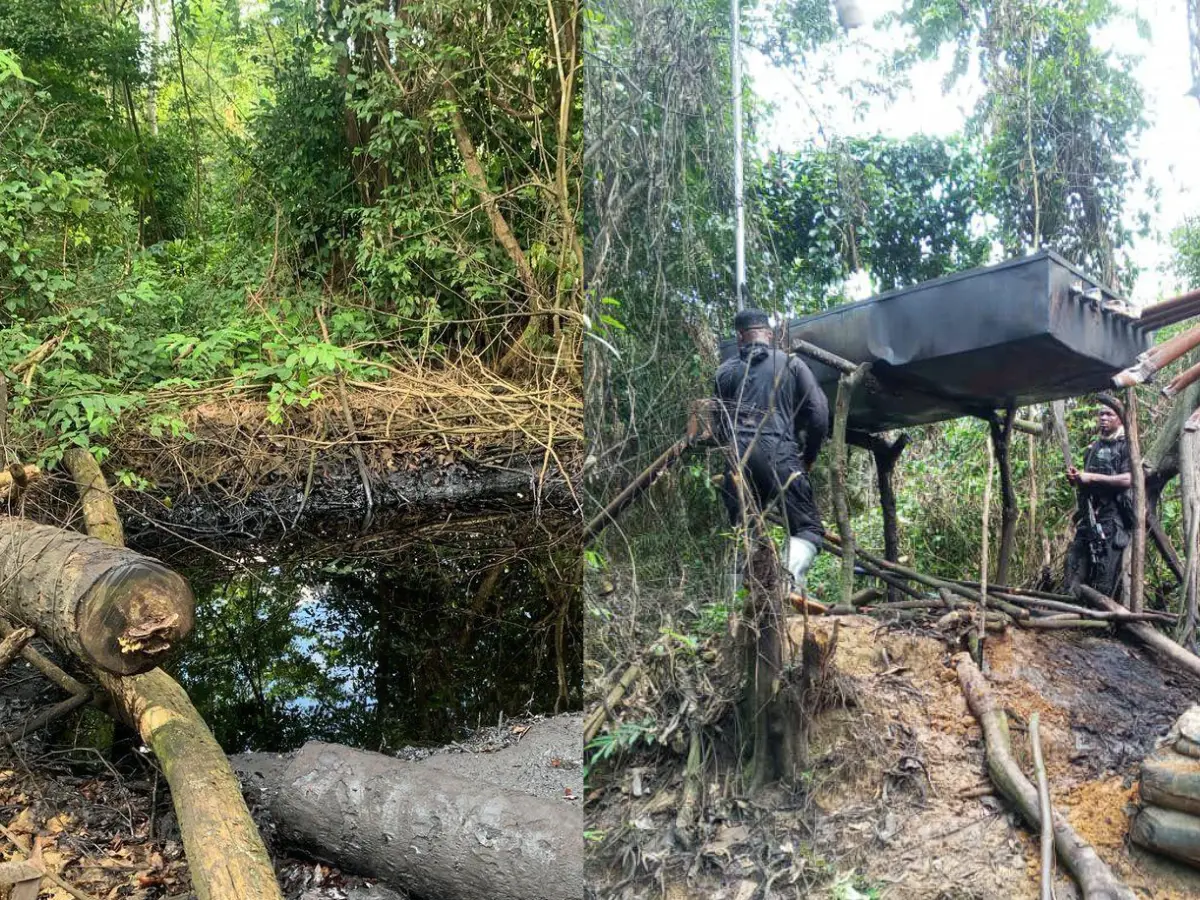)
Nigerian Navy discovers 99,000 litres of suspected stolen, illegally refined products as it intensifies anti-crude oil theft operations
)
Who is Aditi Paudel? 17-year-old becomes Japan's first literacy ambassador
)
Bengaluru: Officials find 40 kg expired chilli at chairman's club
)
Jaishankar rejects trade link to ending Ukraine war
)
Israeli strikes on Lebanon kill three, injure 23 despite truce
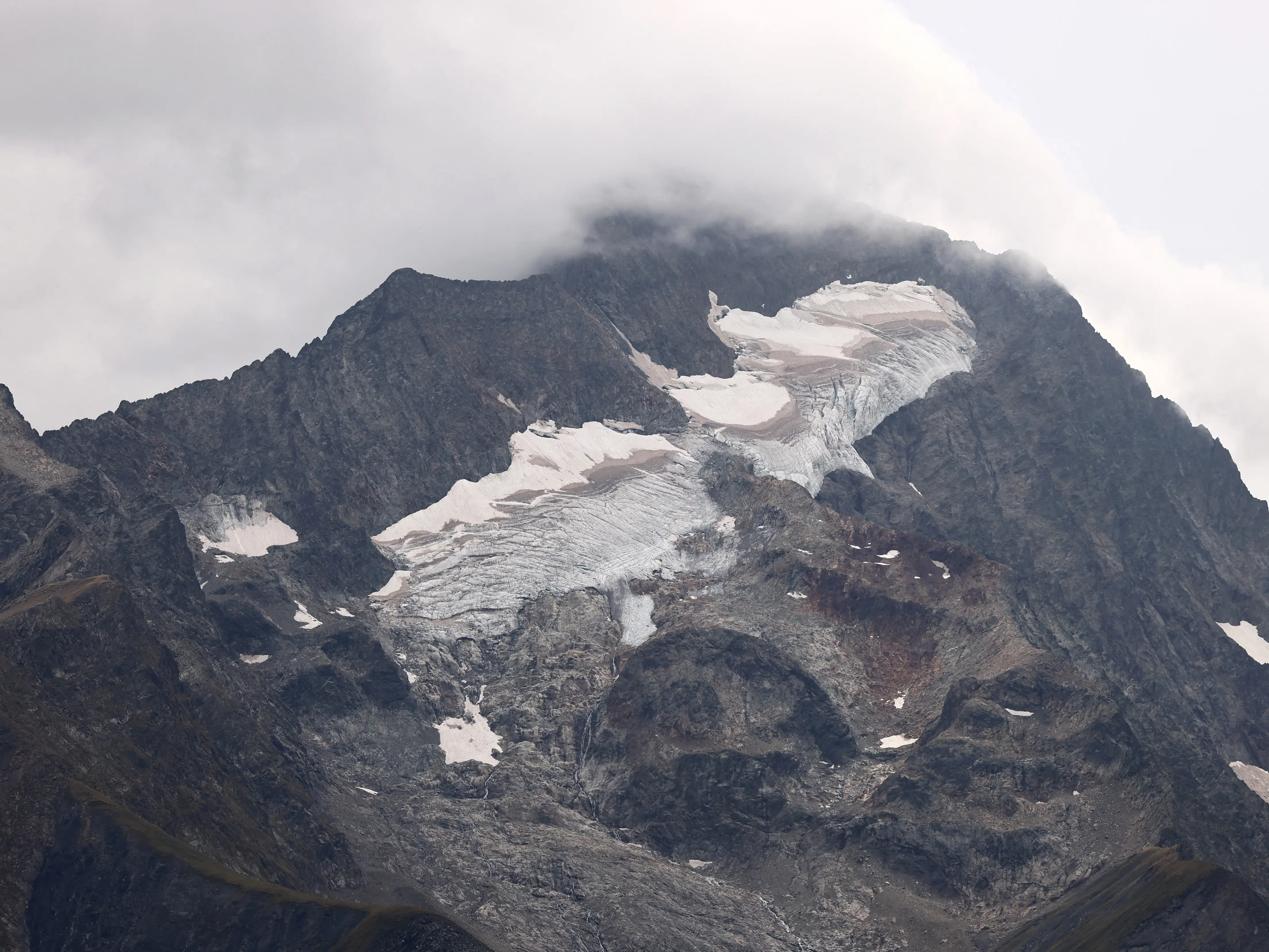)
Alpine glacier was covered with sheep wool sheets to prevent melting. It worked
)
South Korea mulls deploying military assets to Strait of Hormuz
)
World's fifth-largest economy, British army can't afford to train
)
Breaking | Vance takes the podium: First White House briefing since Leavitt's exit
)
Taiwan raises 'concerns' over China's missile test
)
BRICS 2026: $1 trillion sovereign capital set to converge in Delhi for first iBRICS Summit
)
What is Iran's Pickaxe Mountain that Trump has again threatened to bomb?
)
UN votes to correct world map that visually shrank Africa for 450 years
)
Former NewJeans member Danielle launches YouTube channel, hints at new solo journey
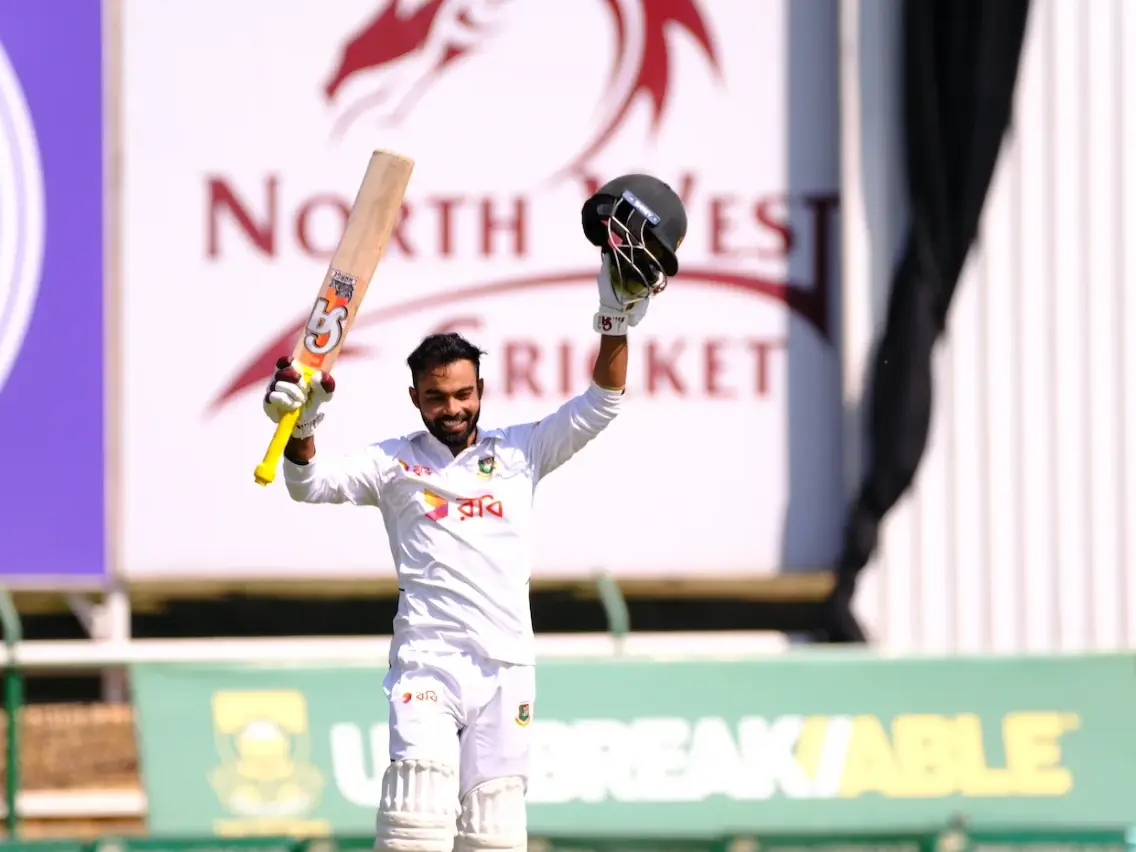)
Bangladesh batter Towhid Hridoy creates history with 350 not out in South Africa
)
Brendan Fraser’s transformation fuels The Mummy 4 excitement as fans welcome back Rick O’Connell
&im=FitAndFill=(700,400))
Krishna Janmashtami 2026: From Dhaniya Panjiri to Makhana Kheer- 5 best sweet dishes perfect for celebrating Lord Krishna’s birth
)
Donald Trump plans to travel to Ireland on Qatari-donated jet amid security concerns
)
Nazi-looted art to return to Jewish heirs
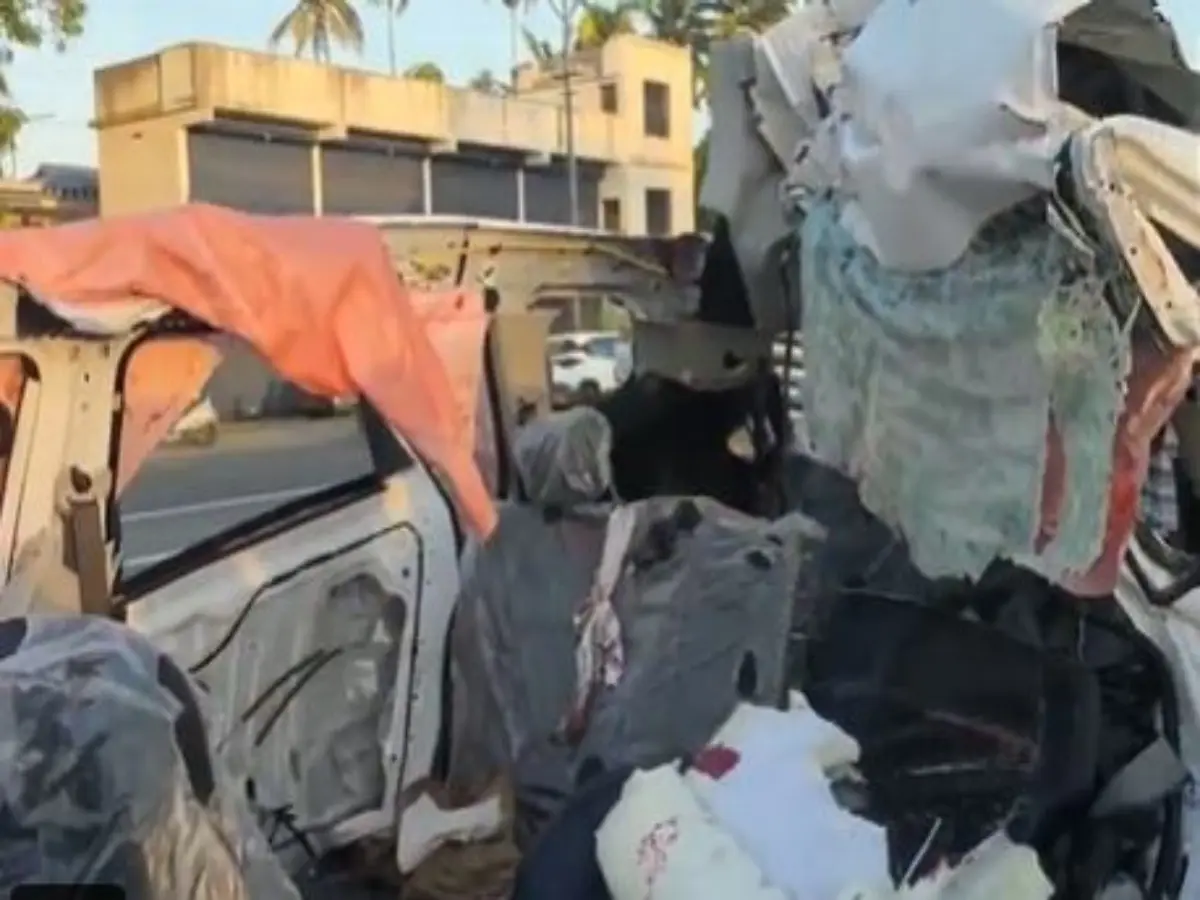)
Eight killed in Kerala’s Thrissur after car rams into lorry parked on highway
&im=FitAndFill=(700,400))
Why Russian fighter jets use bulky, low-pressure tyres compared to US jets
)
FBI-wanted fraud accused arrested in Jalandhar over $600,000 scam
&im=FitAndFill=(700,400))
Why US tanks weigh over 20 tons more than Russian tanks
&im=FitAndFill=(700,400))
New Friday OTT releases (September 4, 2026): GDN, Dhamaal 4, Jagamae Sangeetham- Watch 6 new movies and TV shows on Netflix, Prime Video and more
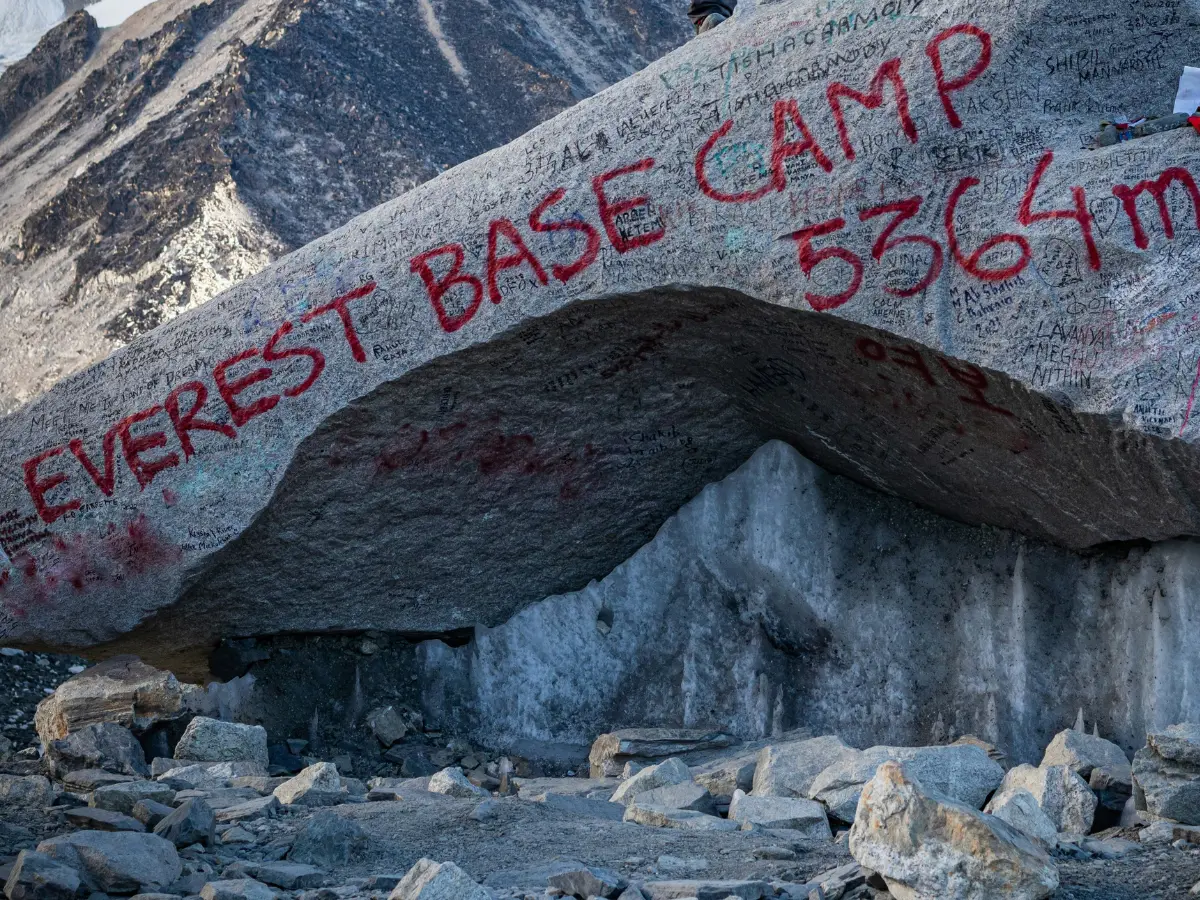)
Killing the Himalayas slowly: Human urine is melting a glacier on Mount Everest
Under the new reforms, such organisations would need to provide proof that they took reasonable precautions to prevent abuse as the government announced the reversal of the burden of proof.
According to media reports thousands of children in Australia are victim of sexual assault. The royal commision while preparing the report heard testimony of over 15,000 survivors as they detailed their claims.
The reports further say that more than 4,000 such institutions are accused of sexual abuse.
Earlier in May the Victoria state of Australia became the first state to introduce such reforms in their law.