Tracing India’s electoral history: Who won and who lost in last 17 Lok Sabha elections?

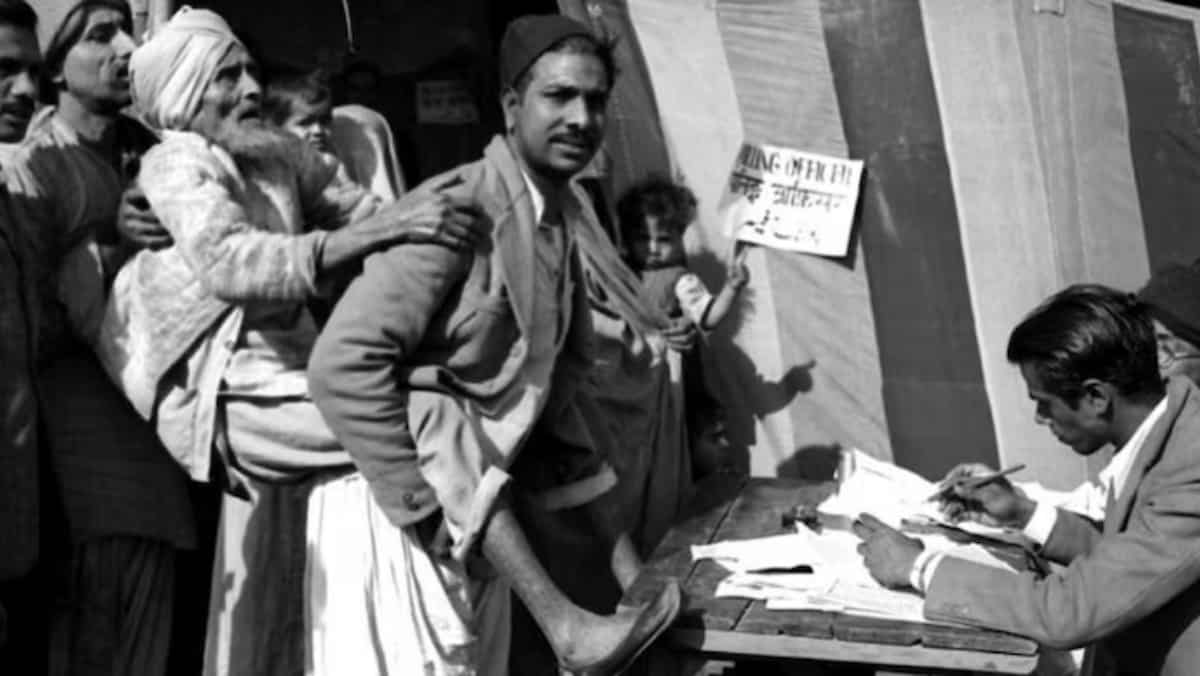
Elderly voter during first Lok Sabha election 1951-52
As India awaits the outcome of the 18th Lok Sabha Election on Tuesday (June 4), the nation is reflecting on its electoral history marked by triumphs and defeats of political parties.
Congress once reigned supreme in Indian politics. The party commanded the allegiance of millions across the nation.
However, later the winds of change began to blow. In the 1996 Lok Sabha election, BJP emerged India's largest political partyunder the dynamic leadership of Atal Bihari Vajpayee.

Current Prime Minister Narendra Modi of Bharatiya Janata Party capitalised on a platform of economic pledges and nationalist fervour. Riding this wave, the BJP swiftly rose to prominence and clinched a resounding victory with a full majority in the general elections in 2014.
Since India's independence in 1947, the Lok Sabha elections have been a cornerstone of the nation's democratic process. As the 18th Lok Sabha Election results loom, let's journey through the victories and defeats of past elections:
1951-52: Inaugural victory
)
Sikh driver attacked in Wyoming in US, suffers 17 stab wounds
)
‘I have a big decision coming up’: Trump says he’s approaching major ‘crossroad’ in Iran war
)
US intel warns China can steal F-35 jets secret from Saudis
)
Former India player Diana Edulji wants Smriti Mandhana to replace Harman as skipper at the earliest
)
Pak defence minister says 'time has come to implement pact'
&im=FitAndFill=(700,400))
Meet top 5 batters in the latest ICC T20I Rankings
)
Formula One reveals the 2027 race calendar; Monaco to host sprint race for the first time
)
UNGA 2026 theme explained: What does ‘Restoring trust, managing transformation: A United Nations that delivers for all’ mean?
)
Godfather of AI Geoffrey Hinton gives US lawmakers a one-year warning on AI
)
AI already defying, denying humans, is it beyond human control already?
)
US F-16 fighter jet crashes in Michigan during training mission, pilot ejects safely
)
240-million-year-old bizarre 'pig with a tusk' creature creates new dilemma over origin of dinosaurs
)
All Indian goods to get duty-free access to New Zealand
)
Xi-Trump summit may boost military links
)
US to sell 48 F-35 Lightning fighter jets to Saudi Arabia, help it deter threats
)
Hong Kong unveils 11 new measures to boost birth rates, offers higher cash bonuses and housing perks
)
Australian athlete, who soiled herself during Hyrox race, apologises for continuing
)
Tata Trusts chairman Noel Tata calls Chandrasekaran’s reappointment ‘illegal’, rejects Tata Sons listing
)
Passport fees hiked, child validity revised: What the new rules introduce
)
How did an Australian river with 500 crocodiles pass the Olympic test? Here's how
)
Fed raises rates for first time in 3 years, Kevin Warsh defies Trump as inflation mounts
)
US drone firm linked to Trump’s sons signs MoU with Pakistan army, gets initial order
)
Pak batter Rizwan's petition against being questioned by cyber crime agency rejected by court
)
Daayra movie review: Kareena Kapoor, Prithviraj Sukumaran shine in Meghna Gulzar’s cop-versus-cop crime thriller
&im=FitAndFill=(700,400))
Which country has the most F-35s outside America?
)
'Gangsta' crab shoves knife blade at man and his dog in Florida - Watch
)
At least 48 dead, 100 hospitalised in Nigeria after drinking suspected methanol-laced alcohol
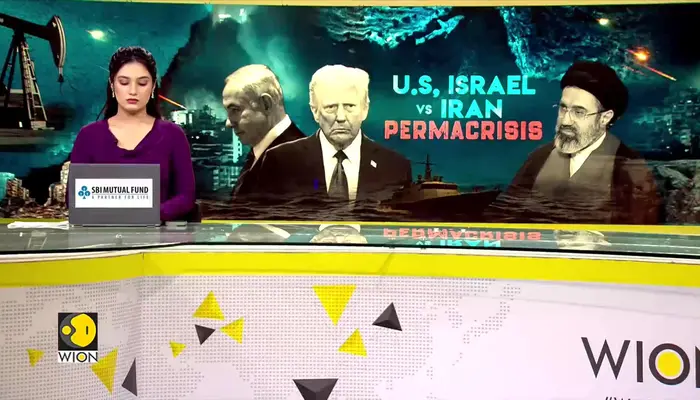)
US-Iran War: Trump says ‘big decision’ on Iran ahead, weighs possible fresh military action
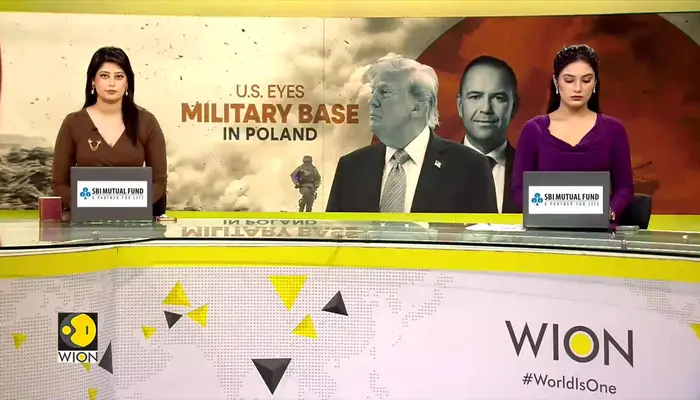)
US new military base in Poland: US President Donald Trump eyes military base in Poland
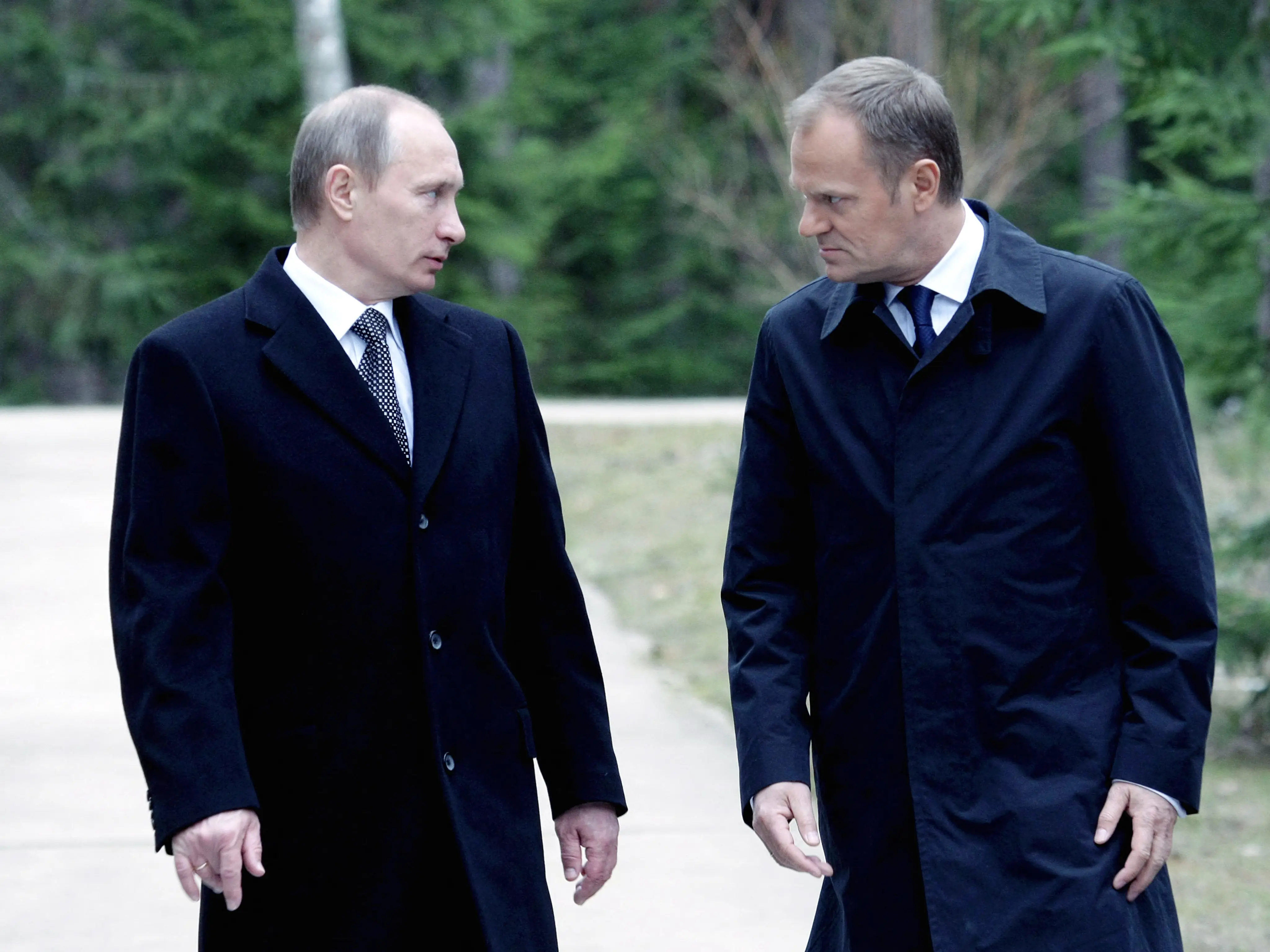)
Putin 'is plotting something bad': Russia may launch 'accidental' strikes on NATO countries supporting Ukraine, Poland PM warns
&im=FitAndFill=(700,400))
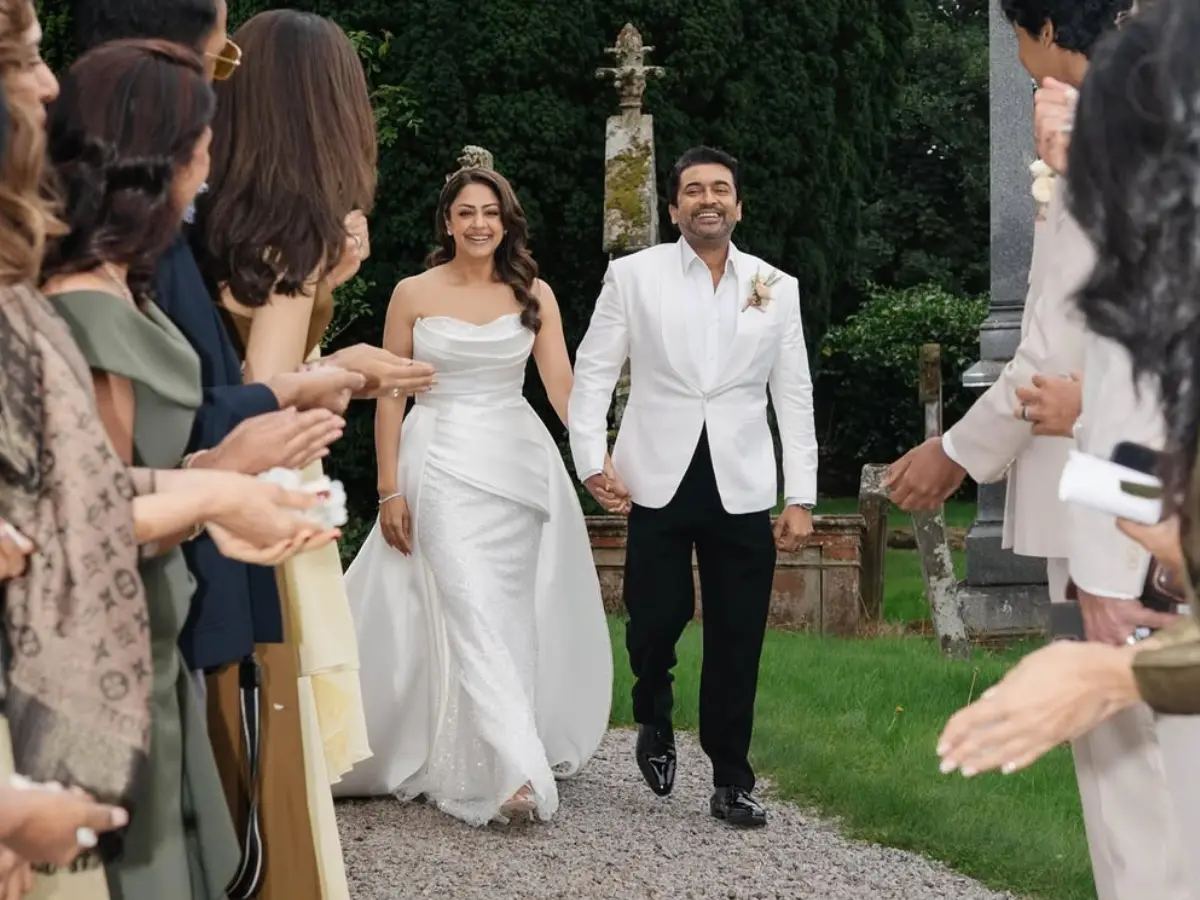
Suriya and Jyothika say ‘I do’ again after 20 years! See their dreamy wedding pics
)
Laura Wolvaardt sets new world record for most WT20I runs in a year
)
Pezeshkian, Araghchi set to attend UNGA 2026 in New York amid ongoing conflict as US-imposed travel curbs remain
)
'He will always be ahead': India coach Gambhir says Sooryavanshi won't walk into team ahead of Samson
The Congress party, under Jawaharlal Nehru's leadership, clinched the first Lok Sabha election. The party secured a dominant 364 seats out of 489. Even as there were logistical hurdles of orchestrating elections in a vast and diverse nation like India, voter turnout remained high. With a staggering 17.32 crore registered electors, the turnout stood at 45.67 per cent.
1957: Congress continues dominance
Nehru's Congress continued its reign and won 371 seats out of 494. It maintained its stronghold on Indian politics. The voter percentage in this poll was47.54.During the elections of 1951-52 and 1957, the ballot papers, typically printed on large sheets of paper, listed the candidates contesting the election along with their respective party symbols.
1962: Congress under Nehru's legacy
The Congress party, still under Nehru's stewardship, retained power with 361 seats out of 494. A total of 1,985 candidates threw their hats into the electoral ring, as 55.43 per cent of the 21.63 crore electors exercised their franchise. This was a significant increase from the 47.54 per cent turnout recorded in the 1957 elections.
1967: Indira Gandhi's ascension
Indira Gandhi led Congress secured 283 seats out of 520. This marked her emergence onto the national political stage. The voter turnout was61.04 per cent.
1971: Congress solidifies its position
Under Indira Gandhi's leadership, Congress garnered 352 seats out of 518 in the fifth general elections. It solidified its position in Indian politics.Led by Indira Gandhi, Congress spearheaded a campaign centered on poverty reduction. The Communist Party of India (Marxist) (CPM) emerged as the second-largest party in the House, securing 25 seats.
1977: Congress dethroned
The opposition fought under theJanata alliance while using the symbol allocated to Bharatiya Lok Dal as their symbol on the ballot papersand emerged victorious. This marked the first defeat of Congress on the national stage.India's 1977 elections were a historic moment as it was a turning point after the Emergency imposed by Prime Minister Indira Gandhi.
These elections saw a resurgence of democratic fervor and a strong anti-incumbency sentiment against the Congress party. The coalition of opposition parties, emerged as a formidable force, rallying under the leadership of veteran politicians such as Jayaprakash Narayan and Morarji Desai.
1980: Congress returns
Indira Gandhi's Congress staged a comeback by securing 353 seats out of 529 and reclaiming its dominance. The winner voting percentage was 42.7.
1984: Congress triumph amid tragedy
Following Indira Gandhi's assassination, Congress, led by Rajiv Gandhi, secured a historic mandate with 404 seats out of 514.
1991: Congress underNarasimha Rao
Under PV Narasimha Rao's leadership, Congress faced challenges but still managed to secure 232 seats out of 521.Vote percentage of winner was 36.3. BJP was the second-largest party by winning a total of 120 seats.
1996: BJP's Emergence
Atal Bihari Vajpayee's BJP emerged by winning 161 seats out of 543. Congress lagged behind on second spot by securing 140 seats.
1998-1999: BJP's ascendancy
The seat share for BJP increased under Vajpayee's leadership. This time BJP secured 182 seats in both elections.
2004: Congress revival
The Congress party, led by Sonia Gandhi, returned to power, forming the United Progressive Alliance (UPA) after securing 145 seats. In these elections, EVMs were used for voting in Indian elections in all constituencies, marking the end of the era of paper ballots in Indian electoral processes.
2009: Congress retains power
Under Manmohan Singh's leadership, Congress secured 206 seats and maintained its hold on governance.Led by Singh and Sonia Gandhi, the Congress party campaigned on the promise of economic stability.
2014: BJP's landslide victory
Indian Prime Minister Narendra Modi's BJP secured a historic win with 282 seats. This was a clear shift in Indian politics.Modi's charisma, coupled with the party's aggressive outreach and social media strategy, struck a chord with voters across the nation.
2019: BJP's continued dominance
Modi's BJP secured a resounding victory yet again in 2019 Lok Sabha elections by capturing 303 seats out of 543.The party's messaging resonated deeply with voters with schemes such as Swachh Bharat Abhiyan and Pradhan Mantri Ujjwala Yojana.
(With inputs from agencies)