Tirumala Tirupati Devasthanam rocked by another 'scam', polyester shawls sold as silk in temple

&imwidth=600&imheight=450&format=webp&quality=medium "Tirumala Tirupati Devasthanam rocked by another 'scam', polyester shawls sold as silk in temple")
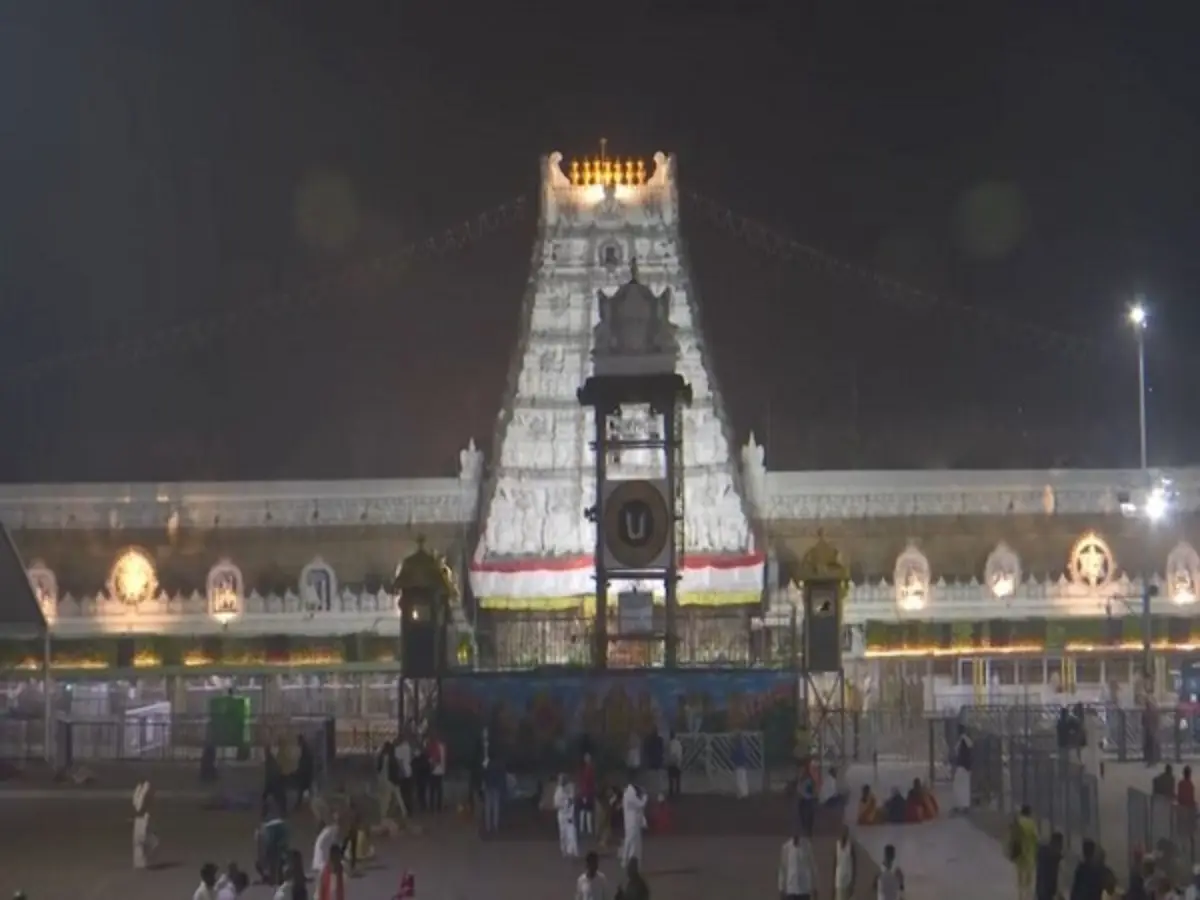
Tirumala Tirupati Venkateshwara Temple Photograph: (ANI)
The samples of the shawls collected by the Vigilance Department from the Vaibhavotsava Mandapam in Tirumala were sent to the Central Silk Board (CSB) laboratories in Bengaluru and Dharmavaram for scientific analysis and quality checks.
After the ghee scam and the Parakamani theft cases the Tirumala Tirupati Devasthanam (TTD) trust is again in news for a massive Rs 54 crore silk shawl scam, spanning a decade from 2015 to 2025. In the internal vigilance inquiry by the TTD it has come to light that that polyester shawls were allegedly passed off as silk at the revered Tirumala temple.
Around Rs 54 crore was paid for over 10 years to a single vendor for supplying Pattu Sariga Duppattas (silk shawls) used to honour donors.
Shawl fails quality test
The samples of the shawls collected by the Vigilance Department from the Vaibhavotsava Mandapam in Tirumala were sent to the Central Silk Board (CSB) laboratories in Bengaluru and Dharmavaram for scientific analysis and quality checks, after which the revelation was made.
Both the test centers confirmed that the fabric composition was polyester and not silk as claimed by the contractor and as as specified in the tender.
Notably, a similar test done at the CSB office in Kancheepuram of the same consignment earlier was confirmed to be silk, while the samples tested at the Bengaluru and Dharmavaram CSB laboratories failed the quality test.
Trending Stories
)
)
)
)
)
)
)
)
)
)
)
)
)
)
)
)
)
)
)
)
)
)
)
&im=FitAndFill=(700,400))
)
)
&im=FitAndFill=(700,400))
)
)
)
)
)
The vigilance department sees some foul play in this as it argues that the sample sent by a TTD warehouse official may have been substituted. The vigilance report also hints at approval process at the Kancheepuram laboratory to be influenced.
After the revelation, the TTD Board, which has requested the Anti-Corruption Bureau (ACB) for a detailed investigation into the alleged 'silk shawl scam'.
Contract for the procurement of 15,000 Pattu Sariga Duppattas was given to the contractor at a rate of Rs 1,389.15 per piece. The pure mulberry silk shawls, were presented to major donors and used in temple rituals like the Vedasirvachanam.
