Opinion: Islamic State footprints in Kashmir and the challenges ahead

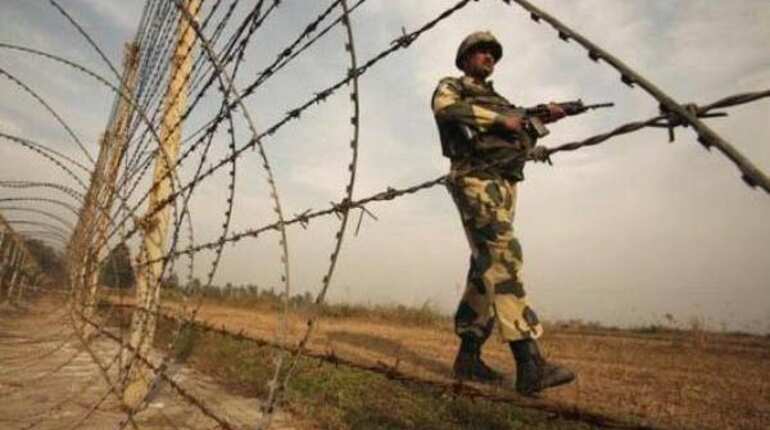
Pakistan violates ceasefire
The IS started showing signs of presence in India initially in the form of some sleeper cells caught in India, who are under investigation.
To any security analyst the reported killing of four militants, on June 22, 2018 by synergised operation of security forces, in Anantnag district, with two out of them affiliated to the Islamic State Jammu and Kashmir (ISJK), as a sequel to renewed "Operation All Out" is no surprise.
After shrinking of Islamic State (IS) caliphate in Iraq and Syria it was well expected that their militant cadres will start disappearing in smaller groups to reappear in militant friendly areas, believing in IS ideology. The recent attack in Afghanistan during Ramzan, with many innocent killed, claimed by IS was a case in point. Kashmir, where IS and Pakistani flags have been coming up occasionally is one such area, where such induction was expected.
Backdrop

Few years back, after the declaration of the caliphate, the newly-named Caliph, Abu Bakr al-Baghdadi, addressed jihadists the world over and said, "Muslims’ rights are forcibly seized in China, India, Palestine, Somalia, the Arabian Peninsula, the Caucasus, Sham (the Levant), Egypt, Iraq, Indonesia, Afghanistan, the Philippines, Ahvaz, Iran, Pakistan, Tunisia, Libya, Algeria and Morocco, in the East and in the West. Prisoners are moaning and crying for help. Orphans and widows are complaining of their plight. Women who have lost their children are weeping. Masajid (plural of masjid) are desecrated and sanctities are violated... terrify the enemies of Allah and seek death in the places where you expect to find it. Your brothers, on every piece of this earth, are waiting for you to rescue them” (sic). The address explicitly mentions China and India as one of the prime targets of the ISIS, with eye on Xinjiang and Kashmir. While China continues to deal with Xinjiang with full military might, without the handicap of vote bank politics/overactive HR organizations/media/legal fraternity, India has been giving the impression of softness on the issue.
The IS started showing signs of presence in India initially in the form of some sleeper cells caught in India who are under investigation. While these may be the initial visible footprints, the efforts of IS to make inroads into India are on, and cannot be ignored.
Failed experiments of ceasefire and NICO
&im=FitAndFill=(700,400))
National Handloom Day 2026: From Alia Bhatt to Samantha Ruth Prabhu; Actresses who celebrated India's textile heritage as brides
)
The Royals enter the Doctor Who universe: King Charles and Queen Camilla beam into Commonwealth Games in TARDIS
)
Unitree Robotics targets $9 billion valuation in landmark IPO backed by DeepSeek and Tencent
)
India names 27 sites in Arunachal Pradesh
)
Bharat Bhhagya Viddhaata OTT: When will Kangana Ranaut's film stream online?
&im=FitAndFill=(700,400))
How many soldiers operate one S-400 battery?
)
Shakib Al Hasan ready to return to Bangladesh—under one condition
)
‘Fake news’: MEA rejects report claiming India sought defence pact with Israel after Pakistan, Saudi Arabia, Turkey deal
)
Rockstar to unveil GTA 6 extended look ahead of November launch
)
Russia forms Ukrainian Volunteer Spetsnaz Brigade to fight Ukraine
)
Drug-resistant fungus that hides in hair and enters bloodstream reported in 23 US states
)
Technology transfer deal boosts India's defence manufacturing ambitions
)
Border row erupts in Europe after Ceuta crossings, Spain imposes border controls on Italy
)
Morale plummets on USS Abraham Lincoln: Are US sailors reaching a breaking point? | GRAVITAS
)
'Security can't be bought with Pakistan, Turkey deal': Iran tells Saudi Arabia
)
Baba Vanga's 2026 prophecy: 2 predictions 'already came true', 3 terrifying ones remain. Details inside
)
Colombia’s new president Abelardo de la Espriella vows to ‘defeat narco-terrorists’, signals hardline shift
&im=FitAndFill=(700,400))
New Friday OTT releases (August 7, 2026): Operation Safed Sagar, Vadhandhi, Main Vaapis Aaunga- 6 movies and TV shows on Netflix, Prime Video and more
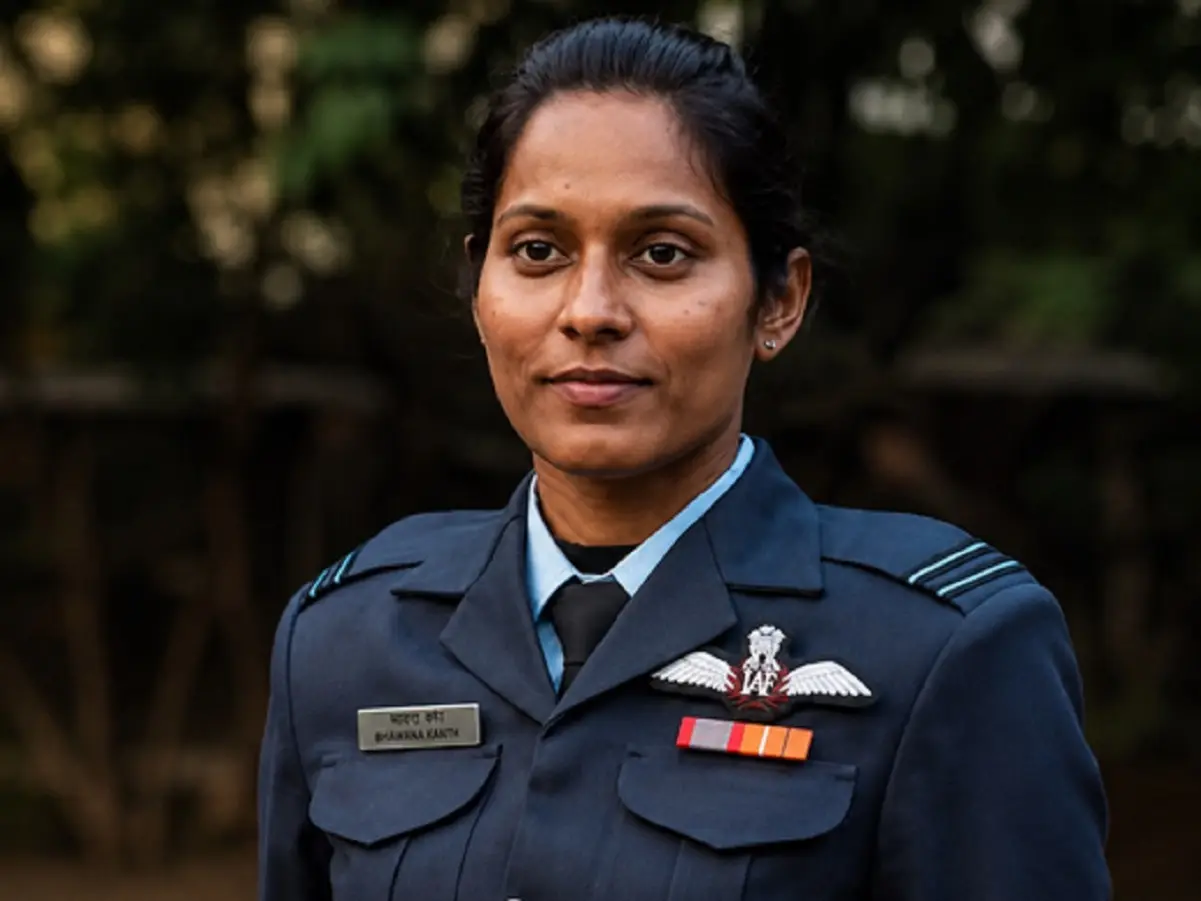)
Squadron Leader Bhawana Kanth scripts history as Indian Air Force gets its first woman ‘Top Gun’ pilot
)
RSS says Gen Z protests reflect genuine distress
)
Trump says Iranian school bombing photos could be AI-generated - 'I don’t think...'
)
IAF officer held for sharing sensitive information in 'honey trap' case, booked under Official Secrets Act
)
Stray Kids under scrutiny? Fans react to Grammy submission silence after BTS boycott
&im=FitAndFill=(700,400))
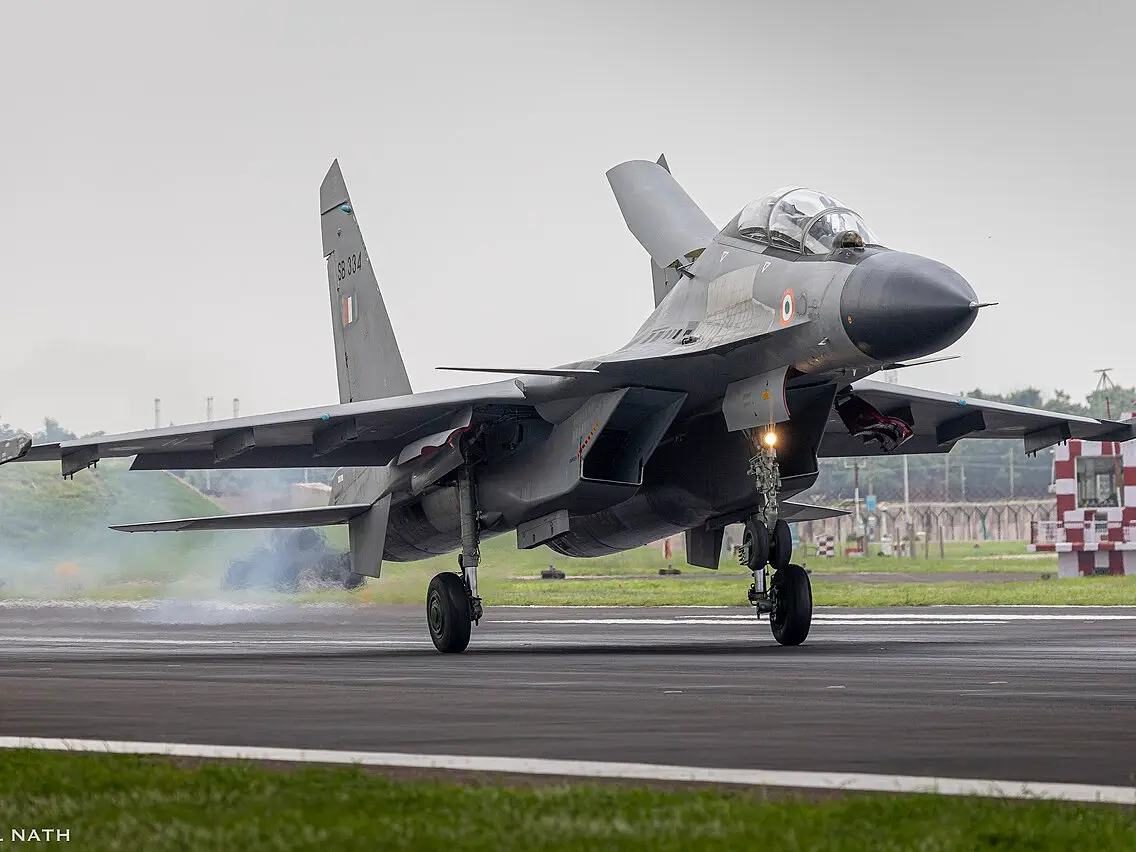
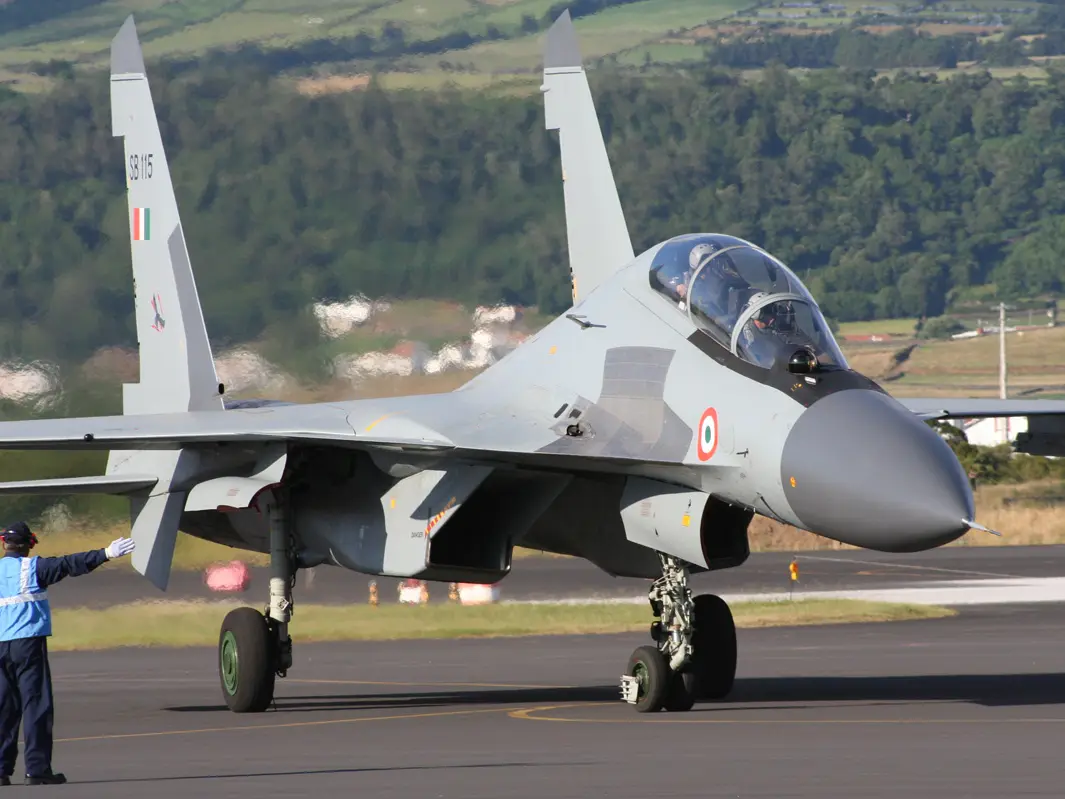
Why the Su-30MKI doesn't need external fuel tanks to fly vast distances
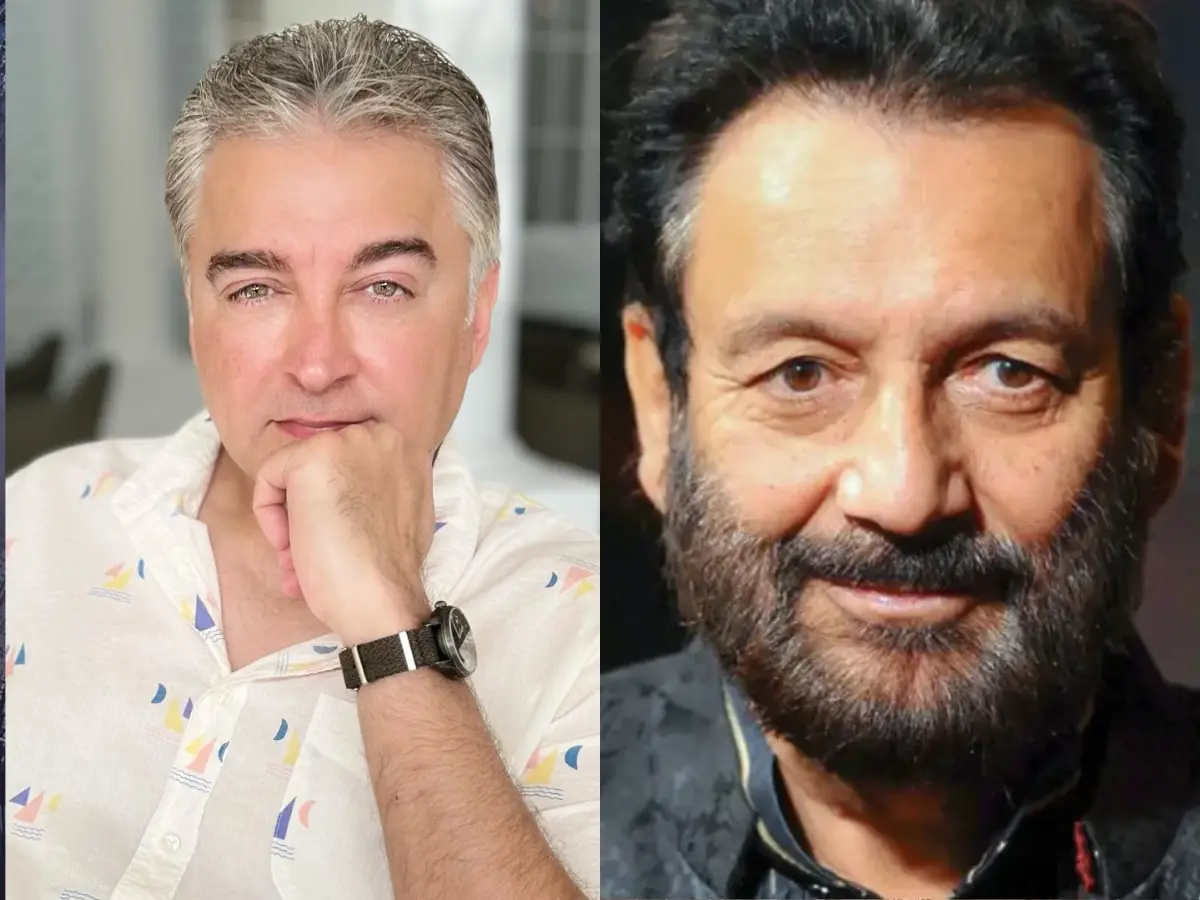)
Jugal Hansraj reunites with Shekhar Kapur after 40 years for Masoom: The Next Generation
)
New speed limits, automatic challans: Big traffic change coming to Delhi-Meerut Expressway. All you need to know
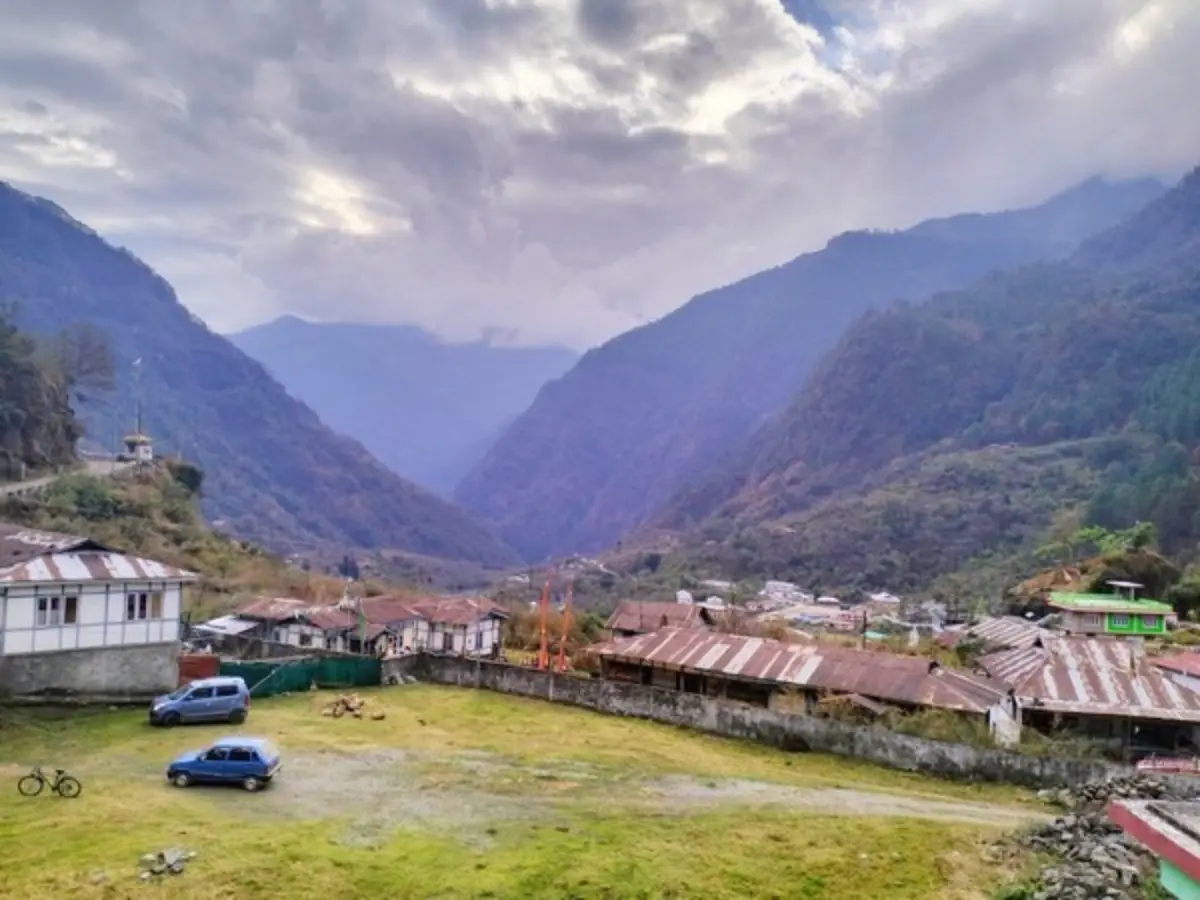)
India officially names 27 places in Arunachal to counter China's renaming claims
)
Trump calls White House ballroom ruling a 'national disgrace' as court says Congress approval needed
)
US sanctions Iran’s crypto network after Strait of Hormuz attacks, offers $15m bounty for intel on IRGC finance
&im=FitAndFill=(700,400))
Why the Su-30MKI is one of the heaviest fighters ever built
)
Uttarakhand young innovator builds India's own flying vehicle, conducts first test flight: WATCH
)
Chilling video shows students take cover as teen opens fire at Thai school
)
Reese Witherspoon's father hospitalised after poolside incident in Nashville: Report
The ceasefire and NICO experiments defied all military logic notwithstanding the good intent of peaceful Ramadan, hence were bound to fail, as they came due to insistence of politicians of Kashmir, despite awareness of its non acceptance by militants. The firing along international border/Line of Control (LoC) to infiltrate militants continued. Pakistan Army derives power from ‘India Threat Theory and boiling Kashmir’ hence its diversion from proxy war to peace is next to impossible, and its peace gestures are no more than a deception plan. Militants are their strategic assets are being used for terrorism in India and elsewhere, besides recent idea of getting them a political entry in Pakistan.
Inside Kashmir, NICO gave them a chance to revive their terror industry, wherein the militants could move freely, kill some informers and terrorise the rest, raise finances by extortion/money laundering, carried out recruitment of young boys into their outfit by luring them or terrorising their families, continued atrocities against terrorised innocent Kashmiries. The hiring of civilians from UP for stone pelting in the garb of job promise is a case in point of revival of terror industry.
The passion of Kashmiris exhibited post martyrdom of Aurengzeb, Fayaz, other soldiers and journalist Bukhari, brought in the Governor's rule. The security cost paid was one month loss of initiative to militants causing revival of terror industry, and gaining of expertise by militants to use stone pelting as an effective weapon.
Challenges ahead
The immediate challenge to be faced in Governor's rule will be safe and secure Amarnath Yatra. The security forces under the Governor's rule are going all out to control terrorism, ensure security of Amarnath Yatris, and bring Kashmir to normalcy, but the lost ground will take some more time to achieve it. The cost of flip-flop in ceasefire will buy some more casualties of security personnel and civilians. A hard professional stance is needed as a surgery of cancerous terrorism, as soft homeopathic treatment is not good enough. A synergy of civil administration and security forces is a must and we seem to be moving towards it.
How should India respond to future challenges in Kashmir?
- It’s time that all political parties to put national interest above their political interest, before it’s too late. Politicising national security is not in their interest from security as well as vote bank point of view, as all eyes are on Kashmir, and population from rest of the country understands what Indian national interest is.
- India needs to declare a well thought, coherent, long lasting, hard state policy on Kashmir, because any wavering of stance can be construed as a weakness. The NHRC, legal fraternity, motor mouth politicians, armchair tacticians and writers should weigh their actions against national security and have confidence on the executors, having tried everything else and failed in last so many decades.
- War with Pakistan is not a worthwhile economical option, but India must look at all overt and covert options against militants.
- India cannot afford to put its guard down on account of ceasefire. India should not be talking to Pakistan unless it shuns proxy war.
- While India expects the entire world to declare Pakistan a terror state, it is yet to scrap the ‘Most Favored Nation’ status accorded to it.
- India should also take up the issue of Balochistan in all world forums along with terrorism brewing in Pakistan.
- We need to do capacity building of our defence forces as we have been losing deterrence gradually due to inadequate attention over decades. Not having some critical equipment like strike drones is a case in point.
- India needs to use the leverage of water sharing also with Pakistan.
- The decision makers need to have and exhibit an honest intention to resolve it.
With all eyes set on security forces, the expectations from them have multiplied. They are delivering with repeated success, but the sympathisers of militants continue to criticise the decision makers. It will take some time to stabilise but the big question remains: Will our politicians spare national integrity from their routine political fight?
(Disclaimer: The opinions expressed above are the personal views of the author and do not reflect the views of ZMCL)
