Nvidia may guarantee $250 billion of OpenAI's debt because the banks wouldn't

&imwidth=600&imheight=450&format=webp&quality=medium "Nvidia may guarantee $250 billion of OpenAI's debt because the banks wouldn't")
Nvidia may guarantee $250 billion of OpenAI's debt because the banks wouldn't Photograph: (Nvidia)
Nvidia is negotiating to guarantee roughly $250 billion in lease and construction financing for OpenAI's 10-gigawatt data centre campus in Piketon, Ohio, meaning Nvidia pays if OpenAI cannot. A parallel talk covers up to $350 billion more for chip purchases. The reason the guarantee is needed: OpenAI is not profitable and cannot secure an investment-grade credit rating on its own.
Nvidia is in talks to guarantee around $250 billion of OpenAI's debt. The reason it needs to is the story: the world's most valuable AI company cannot borrow that money on its own.
The Deal On The Table
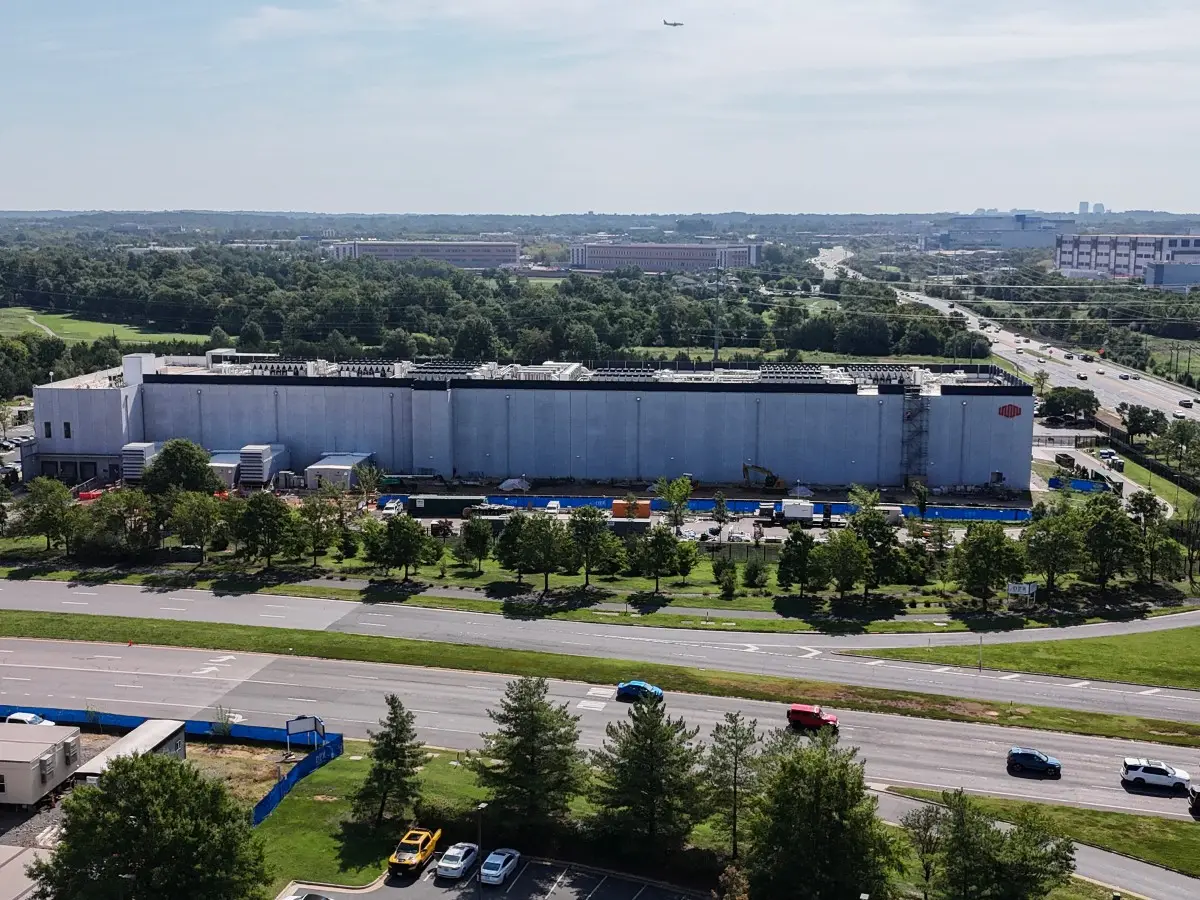
According to reporting by The Wall Street Journal on July 26, subsequently confirmed by Bloomberg and Reuters, Nvidia is negotiating a financing guarantee of roughly $250 billion to support OpenAI's planned 10-gigawatt AI campus in Piketon, in southern Ohio. The site is being developed by SoftBank's energy subsidiary, and OpenAI would lease it.
The word ‘guarantee’ is doing specific work here. It is not an investment or a loan. If OpenAI fails to make its lease payments or service the construction debt on the Piketon campus, Nvidia steps in and covers the obligation itself. The $250 billion figure applies to lease and construction financing; the cost of the chips inside the building sits outside it.
In a parallel negotiation, Nvidia is also in talks to help finance OpenAI's purchase of those chips — a figure the Journal reported could reach $350 billion. The total project cost, including hardware, is expected to exceed $500 billion.
Why OpenAI Needs Someone Else's Credit
Trending Stories
)
)
&im=FitAndFill=(700,400))
)
)
&im=FitAndFill=(700,400))
)
)
)
)
)
)
)
)
)
)
)
)
)
)
)
)
)
)
)
)
)
)
)
The structural reason for the arrangement is blunt: OpenAI has not turned a profit, and therefore cannot obtain an investment-grade credit rating on its own. Without one, borrowing at the scale required to build a 10-gigawatt campus is either impossible or ruinously expensive.
Nvidia's balance sheet solves that problem. By standing behind the obligation, Nvidia allows lenders to underwrite the project against Nvidia's creditworthiness rather than OpenAI's. The debt markets, in effect, declined to finance OpenAI directly — and Nvidia is offering to bridge the gap.
The Circularity Problem
The arrangement raises a question that has followed Nvidia through the AI boom. Nvidia's largest customers are AI labs buying its chips. If Nvidia guarantees the debt that allows one of those customers to build the facility that will house those chips — and separately finances the purchase of the chips themselves — then a substantial share of Nvidia's revenue is being underwritten by Nvidia.
That is not necessarily improper, and vendor financing is a long-established practice in capital-intensive industries. But at this scale it concentrates risk in an unusual way: Nvidia's revenue, its customer's solvency, and its own contingent liabilities all move together. If OpenAI's revenue fails to keep pace with its commitments, Nvidia does not merely lose a customer — it inherits the customer's debt.
The Context Around It
OpenAI has separately raised its projected compute spending through 2030 to approximately $750 billion, up from around $600 billion earlier this year. Its chief financial officer, Sarah Friar, has privately raised concerns that the company may not be able to honour its computing contracts if revenue growth does not keep pace with the commitments being signed.
Negotiations on the Nvidia guarantee are still underway and terms have not been finalised. There is no certainty the package will be completed as reported. What the talks establish, regardless of outcome, is the shape of the problem: the AI build-out has reached a scale where the companies driving it can no longer finance it through conventional markets on their own credit.
