US soldiers were high on drugs, fentanyl on USS Abraham Lincoln | Gravitas

&imwidth=600&imheight=450&format=webp&quality=medium "US soldiers were high on drugs, fentanyl on USS Abraham Lincoln | Gravitas")
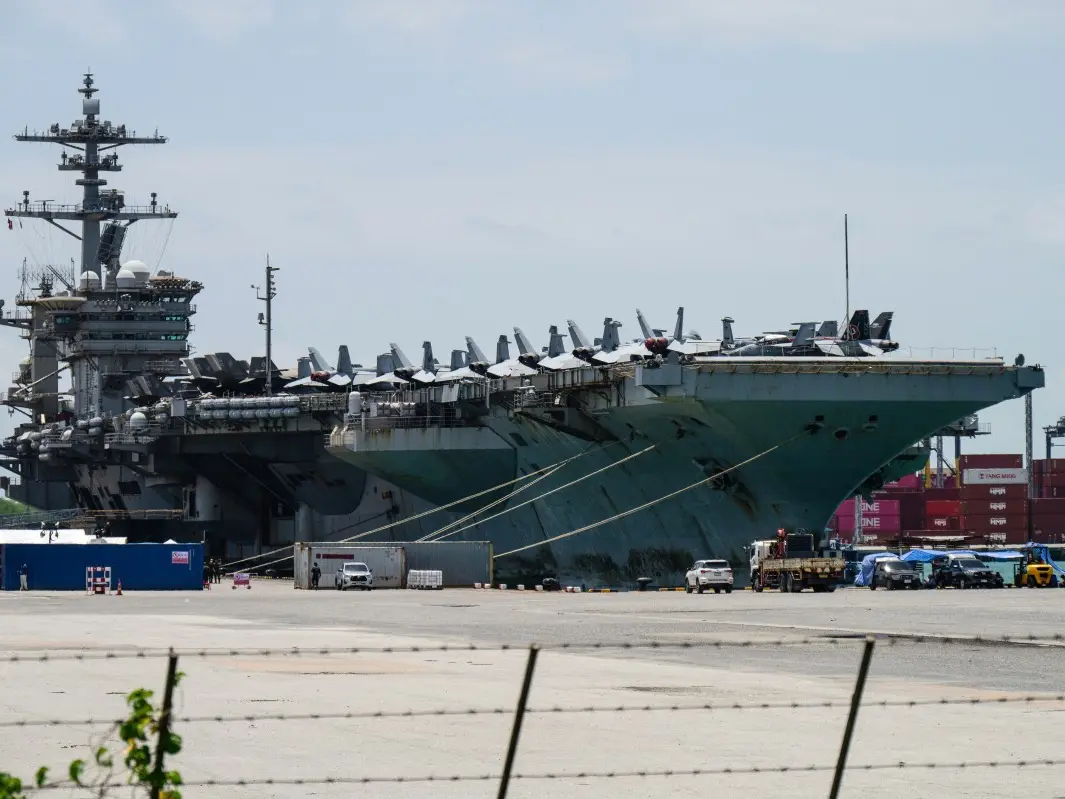
US nuclear-powered aircraft carrier USS Abraham Lincoln (CVN-72) is seen docked at Laem Chabang Port, near the city of Pattaya on September 3, 2026. Photograph: (AFP)
Two former US Navy sailors pleaded guilty to selling fentanyl laced counterfeit pills to active personnel, highlighting the growing challenge of drug abuse in the military.
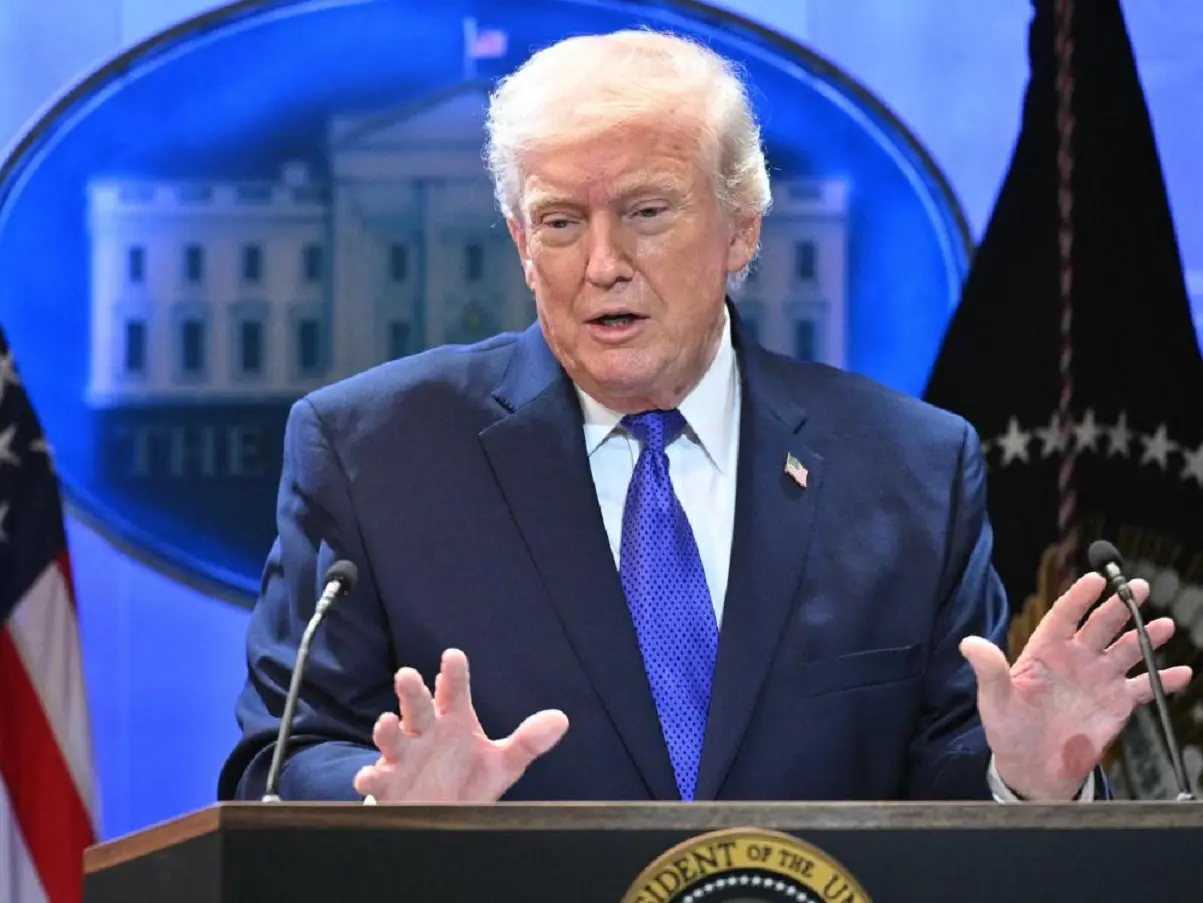
US President Donald Trump has launched a war on drugs, with the Navy destroying several vessels suspected of narco trafficking. Drug trafficking was also seen as one of the reasons for the US to invade Venezuela and capture its president.
However, US soldiers are themselves battling drug addiction.
According to the US Department of Justice, two former sailors pleaded guilty in a federal court for selling counterfeit pills laced with fentanyl to active US Navy personnel.
One sailor assigned to USS Abraham Lincoln who received ten such pills overdosed and died of acute fentanyl intoxication in January 2023.
Later, investigators found chats between the victim and the accused, discussing drug use and sale from September to December 2022.
This is not all.
Trending Stories
)
)
)
)
)
&im=FitAndFill=(700,400))
)
)
&im=FitAndFill=(700,400))
)
)
)
)
)
)
&im=FitAndFill=(700,400))
)
)
)
)
)
)
)
)
)
)
)
&im=FitAndFill=(700,400))
)
)
)
)
&im=FitAndFill=(700,400))
)
)
&im=FitAndFill=(700,400))
)
)
)
)
Another sailor who was sold these pills had to be taken to the hospital for a suspected overdose, but he survived.
According to this Navy personnel, the accused were selling drugs to other sailors for nearly a year.
Crucially, he said that these counterfeit pills were sold aboard USS Abraham Lincoln.
If found guilty, the accused persons face a jail sentence of up to 40 years and a five million US Dollar fine.
Now, fentanyl is a synthetic opioid which is used to treat patients with chronic severe pain.
While it can be prescribed by a medical professional, US authorities have voiced concern that it is being mixed with illicit drugs due to its potency and low cost.
According to America's national public health agency, the CDC, synthetic opioids like fentanyl are the primary driver of overdose deaths in the US.
CDC data shows that a staggering eight hundred thousand people in the US died from opioid overdose from 1999 to 2023.
An average of 217 people die on a daily basis due to this.
Overall, there has been an increase in fentanyl linked deaths since 2013.
Now, USS Abraham Lincoln spent 286 days at sea, at a stretch, including a lengthy stint in West Asia for the Iran war, before having a brief layover in Thailand.
The living conditions of Navy personnel aboard this warship have been under the lens, with sailors reportedly running out of something as basic as food, toothpaste and SOAP.
Complaints also surfaced that they are working very long shifts, and some are rarely even getting a day off.
Additionally, some personnel also tried to jump overboard.
But the problem of drug abuse is not confined to the US military alone.
According to data released by the UK's Ministry of Defence, 175 Royal Navy crew members tested positive for drugs over a period of seven years from 2017 to 2024.
Now, what makes this worse is that these sailors served in the country's elite nuclear submarine force.
In 52 of these cases, the sailors were caught taking narcotics on a submarine.
12 of these cases happened in 2024 itself.
The banned substances for which sailors tested positive included cocaine, cannabis, ecstasy and steroids.
Some also tested positive for benzodiazepine, a drug for treating anxiety and insomnia.
Thus, it is amply clear that drug addiction is turning out to be a major challenge, even in the military.