US to amend tariffs on Japan after trade talks, promises refunds


The US and Japan flags fly together outside the White House in Washington April 27, 2015. Photograph: (Reuters)
This agreement addresses Japan’s concerns over “stacking” tariffs on its goods, which were inadvertently applied despite an agreement between the two countries. Japan confirmed that US officials would revise the July 31 order to remove overlapping levies and refund any excess duties collected
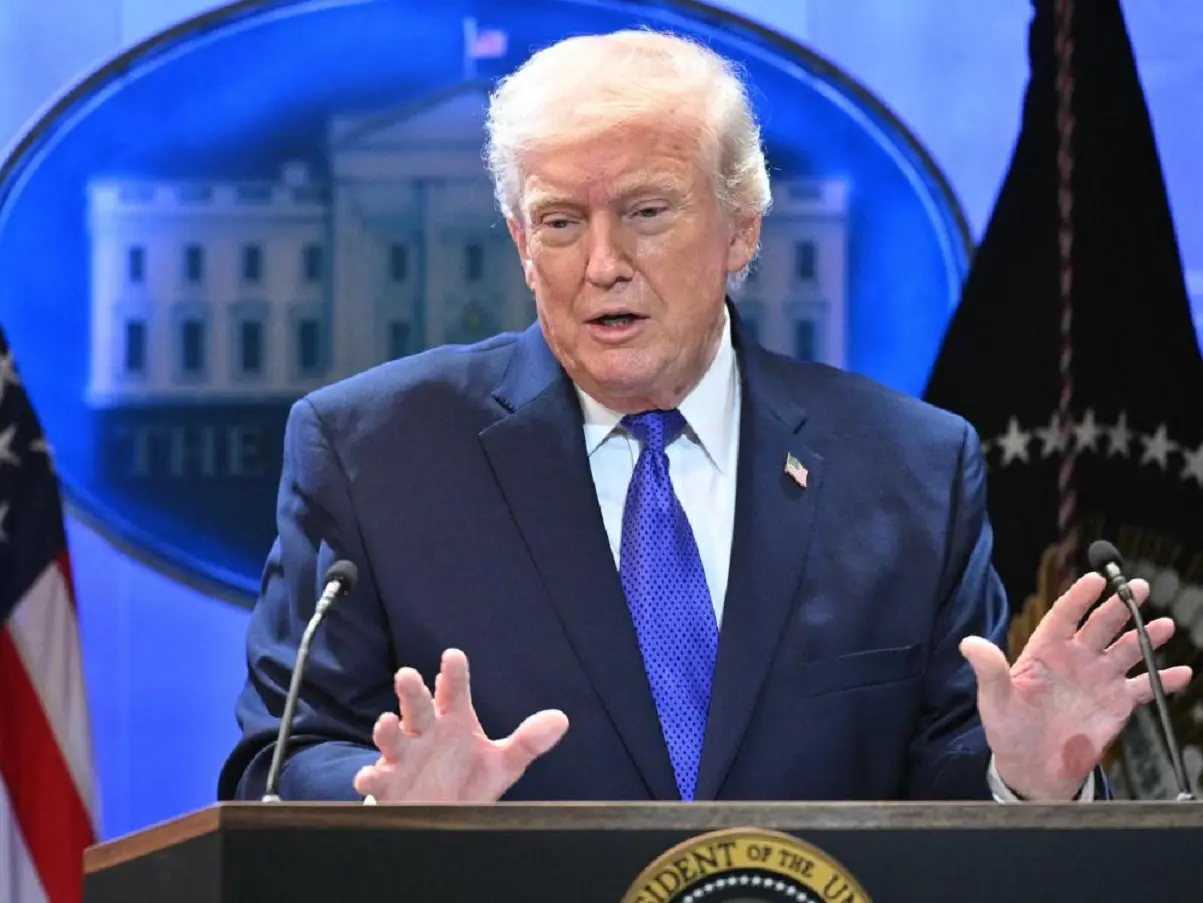
The US government has pledged to amend its recent executive order on tariffs, following trade talks between Japan and US officials in Washington. This agreement addresses Japan’s concerns over “stacking” tariffs on its goods, which were inadvertently applied despite an agreement between the two countries. Ryosei Akazawa, Japan’s top trade negotiator, confirmed that US officials would revise the July 31 order to remove overlapping levies and also refund any excess duties already collected.
The confusion over tariff stacking had caused significant concern in Japan, particularly among exporters, after US President Donald Trump’s executive order imposed a 15 per cent tariff on Japanese imports on top of pre-existing tariffs. Japan had expected that goods with pre-existing tariffs under 15 per cent would only face the new 15 per cent rate, without additional levies being added. However, the original executive order included an exemption for the European Union but did not address Japan’s situation, triggering fears that Japanese companies could face unexpectedly high costs.
US to cut auto tariffs to 15 per cent as part of trade deal
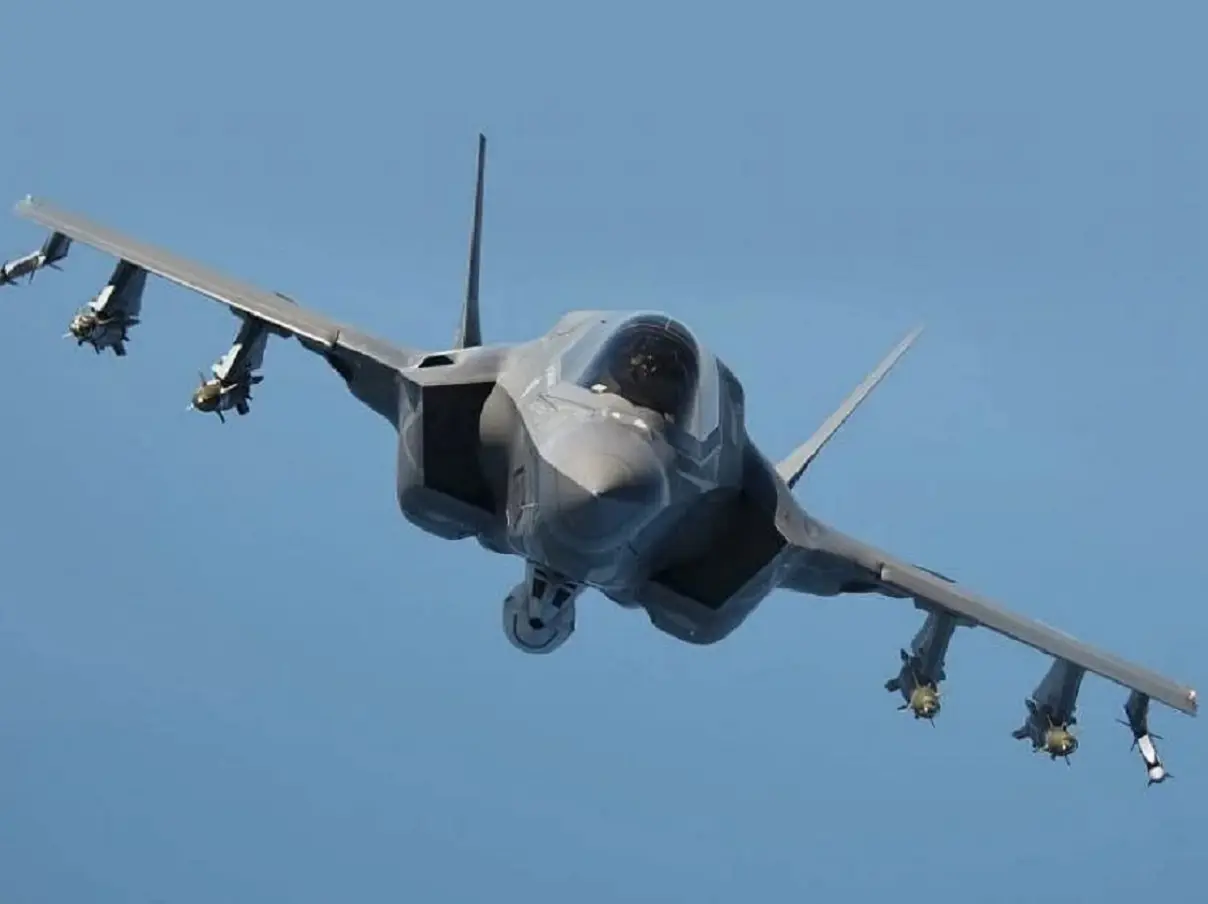
In addition to resolving the stacking issue, Akazawa said that US officials confirmed President Trump would sign a new executive order to reduce auto tariffs on Japanese imports from 27.5 per cent to 15 per cent, in line with the agreement reached between the two nations last month. Japan had negotiated the reduction after agreeing to invest $550 billion in the US economy through government-backed projects and loans.
The unclear terms of the original trade agreement had left many Japanese industries, especially the car manufacturing sector, anxious about how the tariff cuts would be implemented. Toyota Motor Corp., Japan’s largest automaker, has already lowered its revenue forecast due to the anticipated $9.5 billion hit from US tariffs. For Japan, the auto sector is a crucial part of the economy, employing millions and driving wage growth. While the revised tariff rules bring some clarity, Akazawa did not provide a timeline for when the new orders would be implemented. He expressed hope that the changes would be made sooner rather than later but stopped short of offering a definitive date.
Japanese stock market reacts to positive trade news
Trending Stories
)
)
)
)
)
)
&im=FitAndFill=(700,400))
)
)
)
)
)
)
)
)
)
)
)
)
)
)
)
)
)
&im=FitAndFill=(700,400))
)
)
)
Despite the tariff confusion, Japan’s financial markets responded positively to the latest developments. The Tokyo Stock Exchange’s Topix index broke above the 3,000-point mark for the first time, buoyed by investor optimism over corporate earnings and the relief generated by the trade discussions. Sony, for example, reduced its full-year tariff cost forecast from ¥100 billion ($678.82 million) to ¥70 billion ($475.17 million), while Morgan Stanley analysts reported that 91 per cent of Japanese companies had maintained their full-year forecasts, the highest level in the past decade.
However, the ongoing uncertainty around the timing and implementation of the US tariffs has created a backdrop of caution for Japanese businesses, many of whom are still unsure of how the final terms will unfold. Opposition politicians have called on Prime Minister Shigeru Ishiba to issue a joint statement with the US to clarify the details of the deal, but for now, Japan’s government is focused on securing the necessary tariff adjustments through diplomatic channels.
The talks in Washington mark another chapter in the ongoing trade negotiations between Japan and the US, as both countries seek to stabilise their economic relationship while balancing the pressure of competing global trade priorities.
(With inputs from agencies)