Japan says only 1–2% of $550 billion US fund is actual investment

&imwidth=600&imheight=450&format=webp&quality=medium "Japan says only 1–2% of $550 billion US fund is actual investment")
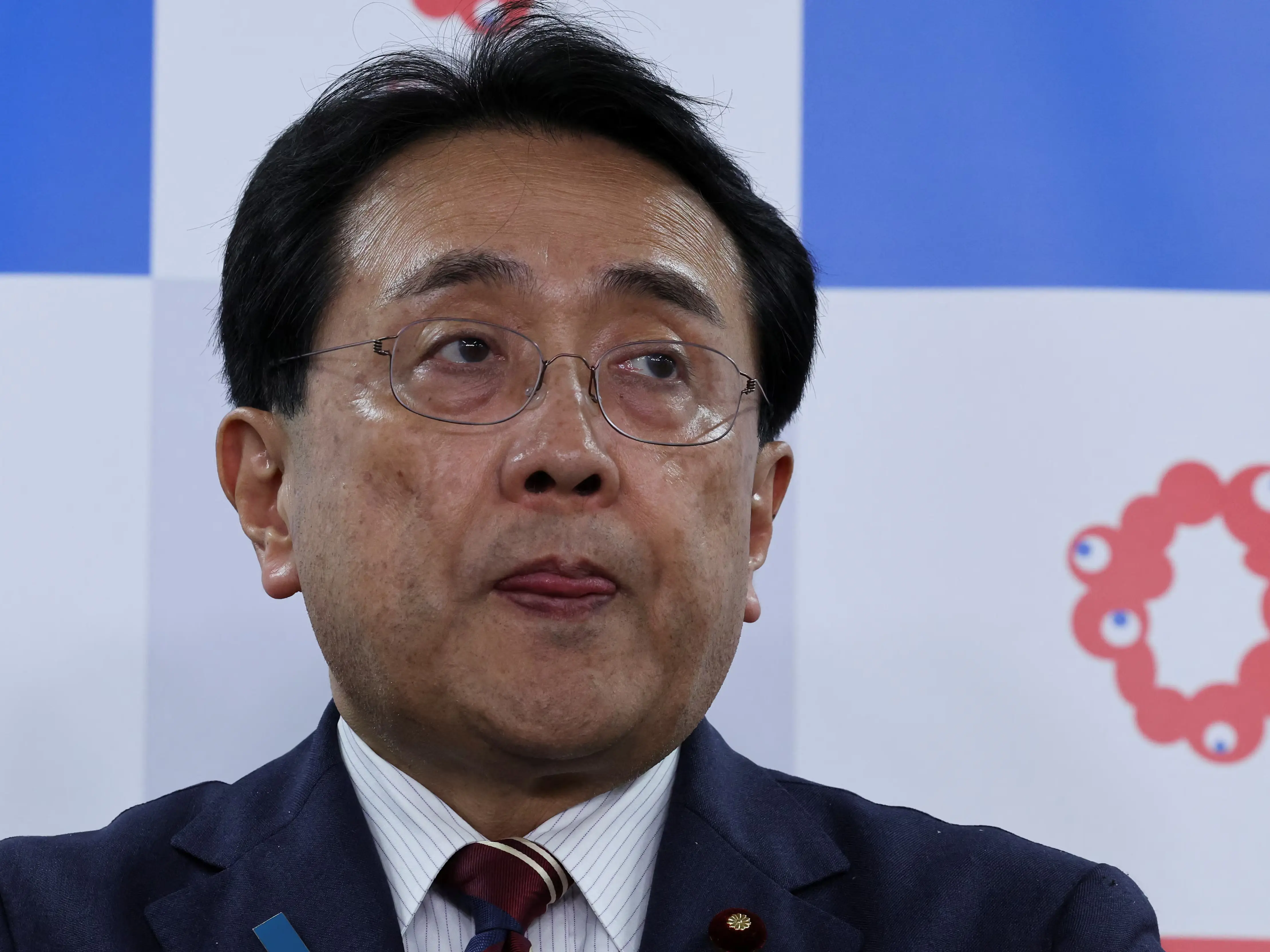
Japan's Economic Revitalization Minister Ryosei Akazawa attends a press conference at Expo 2025 in Osaka. Photograph: (Reuters)
Tokyo clarified that only 1-2% of the $550 billion US-Japan investment framework will consist of actual investments, with most being loans and guarantees.
After the trade deal with the US, Tokyo has made a big clarification on $550 billion fund. As per Bloomberg, Japan has revealed that just 1–2 per cent of the recently announced $550 billion US–Japan investment framework will be in the form of actual investment, with the overwhelming majority structured as loans and loan guarantees. That’s according to Ryosei Akazawa, Japan’s chief negotiator, who addressed the details on NHK over the weekend in an attempt to defuse public criticism of the deal.
The fund, a key pillar of Japan’s trade agreement with the Trump administration, was initially seen as a massive financial commitment to the US. However, Akazawa clarified, “It’s not that $550 billion in cash will be sent to the US.” Instead, most of it will be financing through Japanese-backed institutions, which would earn interest and guarantee fees.
According to Akazawa, actual investments in the US will total just $5.5 billion to $11 billion, with Tokyo and Washington agreeing to a 90-10 profit split, heavily favouring the US. Japan had reportedly proposed a 50-50 ratio, but compromised in order to secure broader trade concessions. “For that part, Japan’s just making money,” Akazawa said about the loan guarantees, noting that unless a default occurs, Japan simply collects fees, as per Bloomberg.
Tariff relief saves Japan ¥10 trillion
Despite the lopsided investment structure, Japan expects to save ¥10 trillion ($68 billion) through lower US tariff rates, especially on automobiles and industrial exports. According to Bloomberg, under the new trade terms, the US will impose 15 per cent universal tariffs on most Japanese goods, including cars, replacing higher and often unpredictable levies. Akazawa said he expects the tariff reduction to take effect as early as August 1, even though a joint implementation document between the two countries has not been signed. Instead, Tokyo is urging the US to issue an executive order to enact the tariff cuts quickly. “If you say something like, ‘Let’s create a joint document,’ they will say, ‘We’ll lower tariffs after the document is created,’” Akazawa noted. “We will demand that they issue an executive order to lower tariffs as soon as possible," as quoted by Bloomberg.
According to Bloomberg, the fund isn’t limited to Japan–US cooperation. Akazawa highlighted that non-Japanese firms operating in the US, such as a Taiwanese semiconductor company, could also benefit from the financing. The broader aim, he said, is to support manufacturing and tech capacity building in the US, while still securing gains for Japanese lenders. The US–Japan agreement came just days before Washington announced a similar trade pact with the European Union, which includes a $750 billion LNG purchase plan and $600 billion in European investment into the US. The Trump administration is positioning both deals as templates for global trade reset under its “America First” policy.
Trending Stories
)
)
)
)
)
)
&im=FitAndFill=(700,400))
)
)
)
)
)
)
)
)
)
)
)
)
)
)
)
)
)
&im=FitAndFill=(700,400))
)
)
)
Public backlash and Akazawa’s defence
Akazawa’s public remarks appeared to be a pre-emptive response to growing domestic criticism, with opposition figures accusing the government of “selling out” Japan. But the chief negotiator insisted that the actual risk to Japanese taxpayers is limited, given the conservative structure of loans and guarantees.
“People are saying various things, such as ‘You sold out Japan,’ but they’re wrong,” he said, as quoted by Reuters.
What’s next?
Key questions remain unanswered, including when the investment mechanism will launch, how the funds will be allocated, and what sectors will be prioritised. With just months left in President Donald Trump’s second term, Japan hopes to finalise the framework within this political window.
Until then, officials from across Asia and Europe are watching closely, trying to assess whether Washington’s new tariff-plus-investment model is a fair deal or a strategic trap.
(With inputs from the agencies)