UN General Assembly 2026: 193 member countries, key events and what to expect

&imwidth=600&imheight=450&format=webp&quality=medium "UN General Assembly 2026: 193 member countries, key events and what to expect")
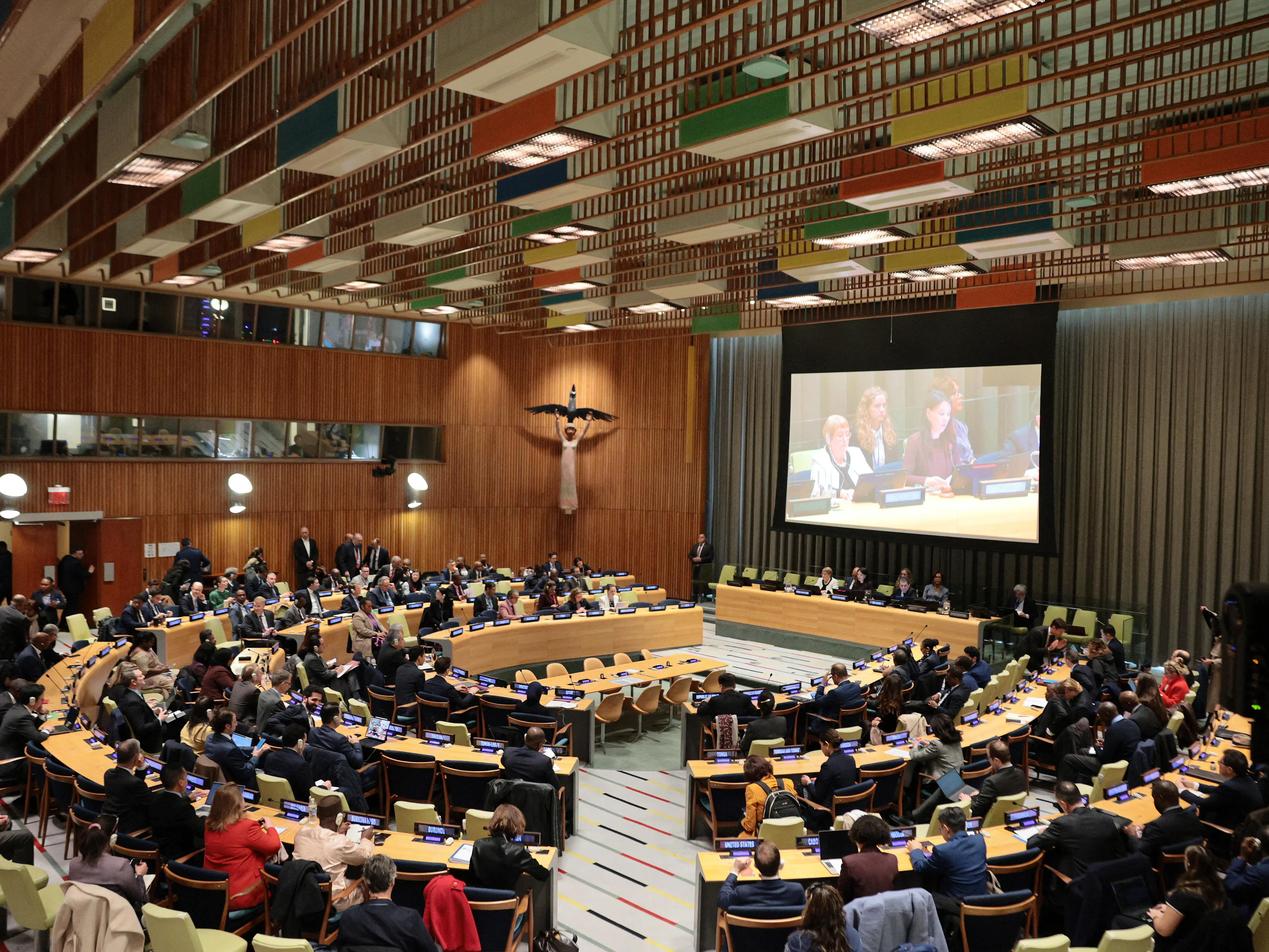
North Korea’s Vice Foreign Minister Kim Son Gyong addresses the United Nations General Assembly at UN headquarters in New York City on September 29, 2025. Photograph: (AFP)
As world leaders prepare to gather in New York for UNGA81, the United Nations is set for another major diplomatic week. But how many countries actually make up the UN and which ones are on the full list?
The United Nations General Assembly is set to bring world leaders together once again as the 81st session intensifies at the UN headquarters in New York. The high-level meetings segment, scheduled for September 22-26, 2026, will see heads of state and government, ministers and senior officials from around the world discuss pressing international challenges.
The annual gathering comes as countries seek to strengthen global cooperation, advance the Sustainable Development Goals (SDGs) and promote collective action on peace, dignity, equality and environmental sustainability.
UN General Assembly 2026: What to expect
The 81st session of the United Nations General Assembly, also known as UNGA81, will feature a series of discussions and events focused on international cooperation and practical solutions to global challenges.
Two platforms will place a particular emphasis on the Sustainable Development Goals and efforts to accelerate progress towards the 2030 Agenda.
The SDG Media Zone, produced by the UN Department of Global Communications, will run from September 21 to 25. The platform will feature interviews, panel discussions and conversations highlighting solutions to challenges linked to sustainable development.
Trending Stories
)
)
)
)
)
)
)
)
)
)
)
)
)
)
)
)
)
)
)
)
)
)
)
&im=FitAndFill=(700,400))
)
)
)
)
)
)
)
)
)
)
)
Another key platform, the Goals Lounge, will operate from September 14 to 25. Convened by the UN Deputy Secretary-General and hosted by the UN Office for Partnerships, it will feature informal dialogues, in-depth discussions on critical issues and interactive experiences.
Events from both platforms will be available to audiences worldwide through live streams on UN WebTV.
High-level meetings to begin on September 22
The high-level segment of UNGA81 will begin on September 22 and continue through September 26. The meetings are expected to draw senior representatives from UN member states for discussions on issues affecting international peace, development and global governance.
The General Assembly remains the UN's principal deliberative, policymaking and representative body. Its annual session provides a platform for all member states to present their positions, debate international issues and work towards collective decisions.
How many countries are members of the United Nations?
The United Nations currently has 193 member states. These countries make up the organisation's membership and participate in the General Assembly, where each member state has one vote.
The UN also recognises two non-member observer states: the Holy See and the State of Palestine. While they do not have the same voting rights as member states, they can participate in the work of the General Assembly under observer status.
The full list of the 193 UN member states is arranged alphabetically below.

